10 Ragdoll Cat Behavior Problems and Solutions


Before bringing a cat home, think about your routine, living space, and the care you can provide. Choosing a cat that fits your lifestyle helps both of you settle into life together.
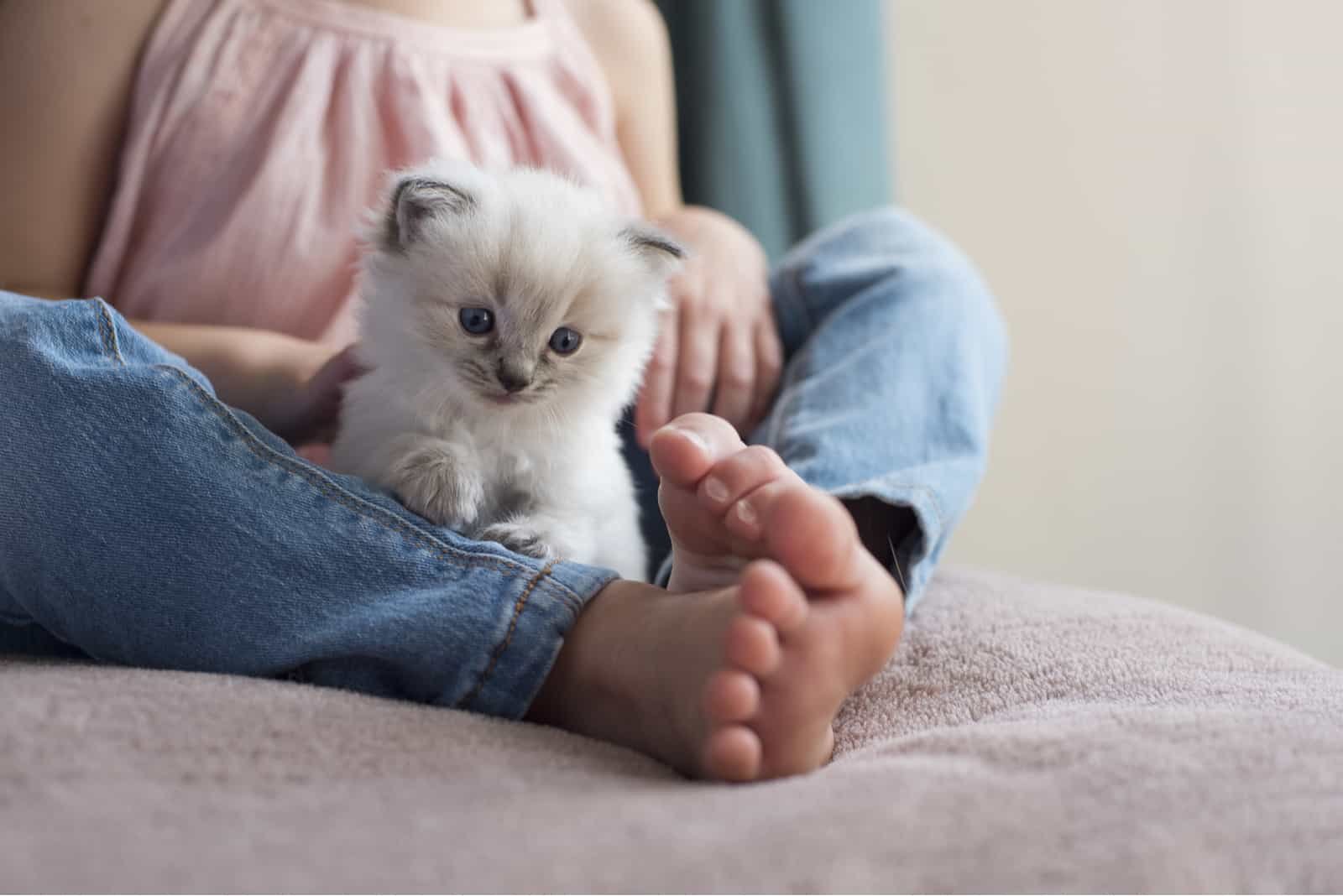
Ragdolls are often gentle, friendly, and affectionate. Many enjoy spending time with their owners, whether that means playing, cuddling, or resting nearby. However, each cat has its own personality and comfort level with handling.
Advertisement – Continue Reading Below
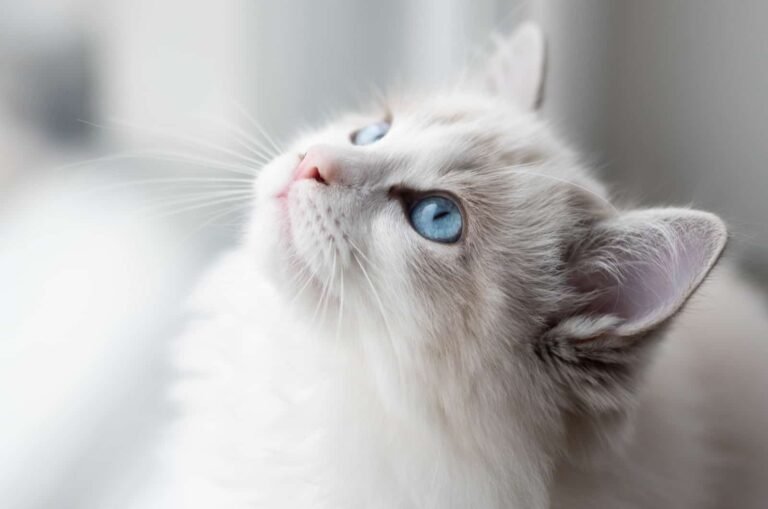
These cats have blue eyes and soft, medium-length fur. Their coat colors include seal, blue, chocolate, and lilac. Patterns such as mitted, bicolor, and colorpoint give them different looks.
Ragdolls can suit first-time owners and families with children. Still, they need daily attention, gentle handling, and places to retreat when they want quiet time.
Despite their calm reputation, they can develop unwanted habits. Ragdoll cat behavior problems may include scratching furniture, rough play, or trouble using the litter box. These issues can affect any breed and may relate to stress, boredom, unmet needs, or health concerns.
Learning about these behaviors can help you understand what your cat needs. Ask the breeder or rescue about the individual cat’s habits, then use the tips below as a starting point.
10 Ragdoll Cat Behavior Problems and Possible Solutions
1. Ragdolls May Need Plenty of Company
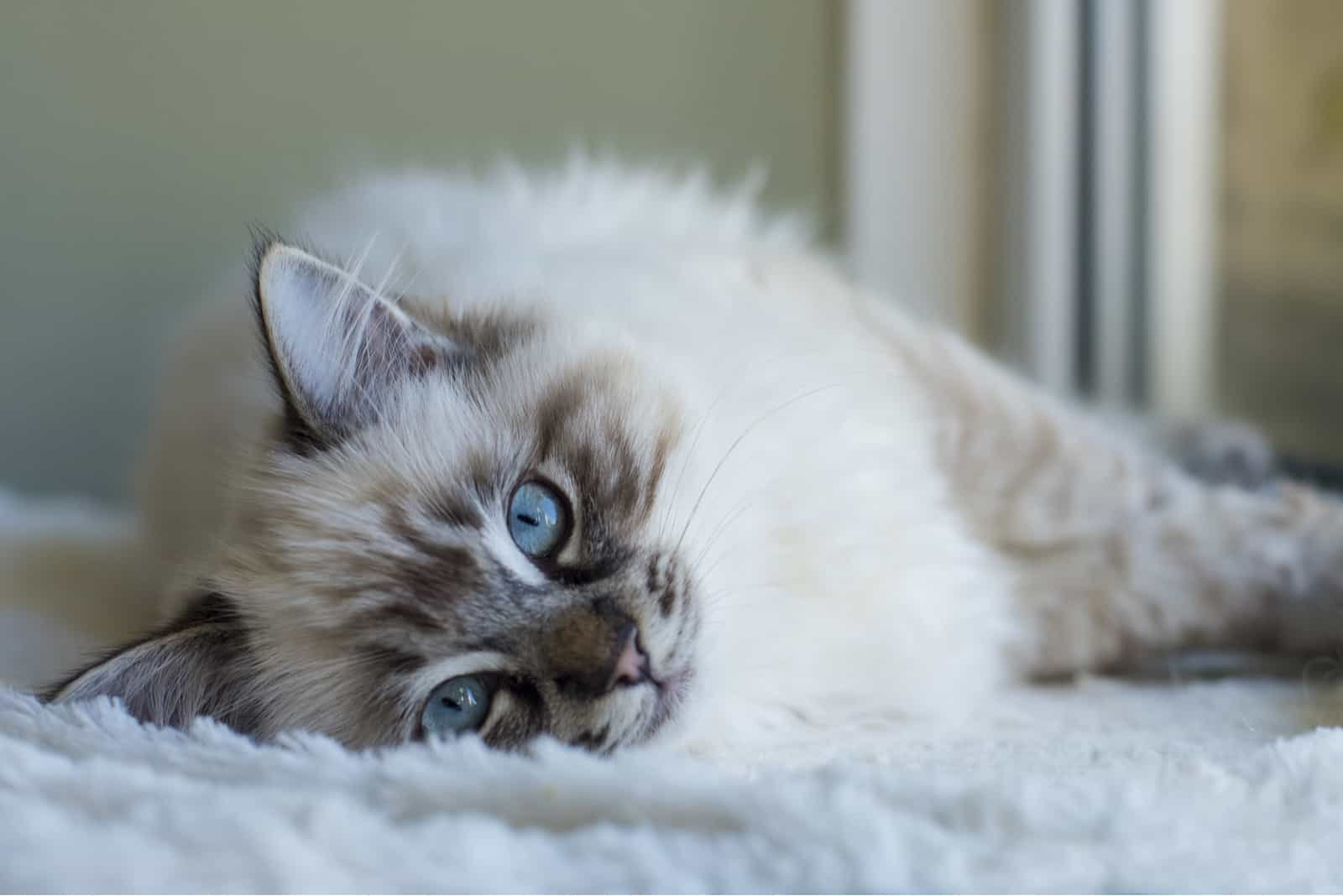
Ragdolls often form close bonds with their owners. Many enjoy following their people around and joining in with daily activities. However, being affectionate does not mean a cat cannot learn to spend time alone.
The goal is to help your Ragdoll feel comfortable both with you and on its own. Provide toys, scratching posts, climbing spaces, and a cozy resting spot. Short periods of independent play can also help build a routine.
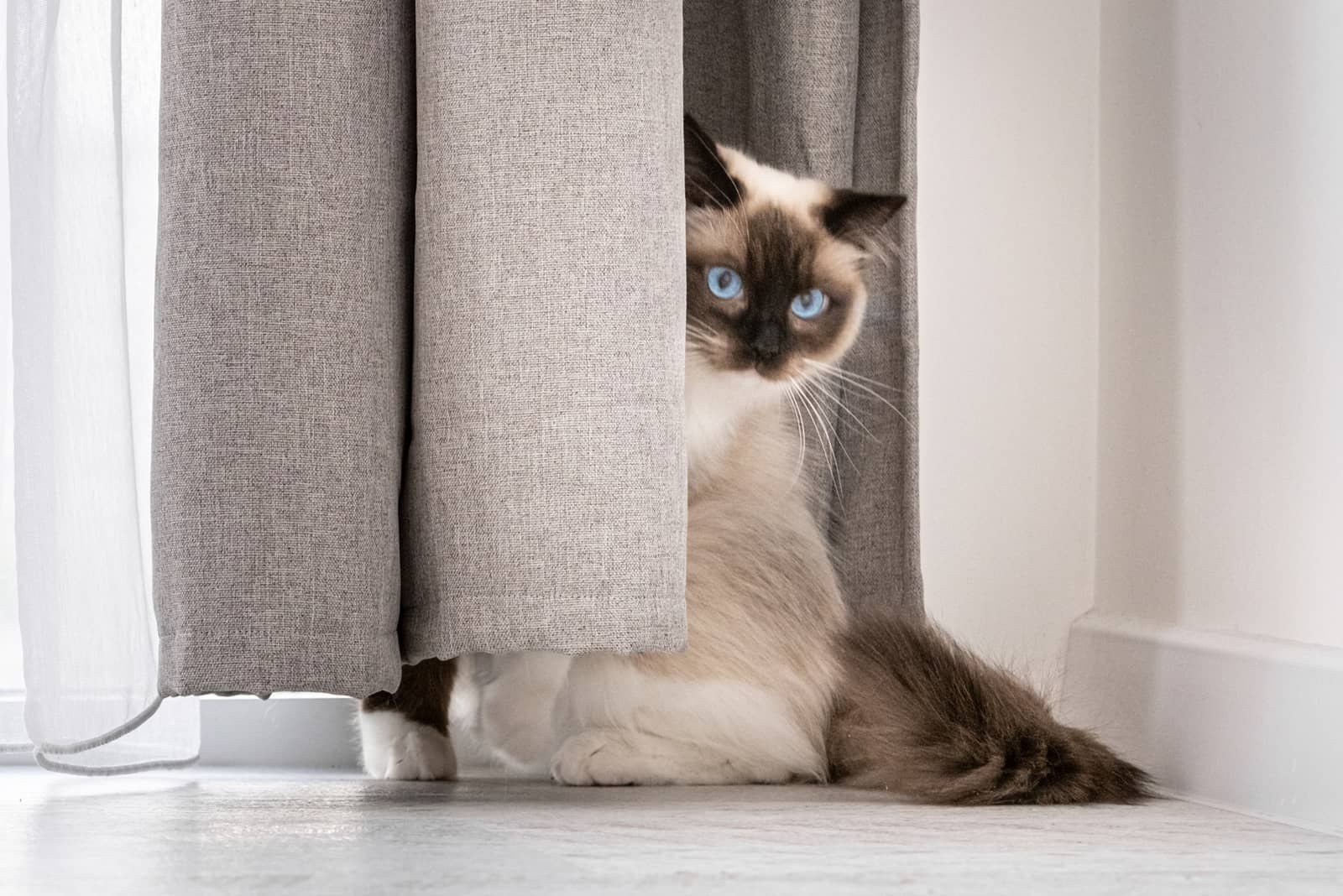
Keep your cat indoors or provide secure outdoor access, such as an enclosed catio. Do not assume that a friendly cat can safely approach unfamiliar animals.
2. Ragdolls May Want Lots of Attention
Many Ragdolls enjoy affection, but not every cat likes being carried or hugged. Some prefer sitting beside you rather than on your lap.
Let your cat choose when to interact. If it tries to leave, becomes tense, or flicks its tail, give it space. Children should handle cats gently and allow them to walk away.
Your Ragdoll may follow you from room to room or want to sleep nearby. These habits are not necessarily problems unless they disrupt your routine or your cat seems distressed.
A consistent routine can help. Make time for daily play and affection, then offer comfortable places where your cat can relax independently.
If you prefer a cat-free bedroom, provide a cozy bed elsewhere and keep the boundary consistent. When a new baby or pet arrives, maintain familiar routines and reward calm behavior.
3. Your Ragdoll May Wake You Up Early
Cats are often most active around dawn and dusk. Your Ragdoll may wake up early, ready for breakfast, play, or attention.
It might meow beside your bed, paw at the covers, or pounce on your moving feet. Over time, feeding it immediately after these actions can encourage the habit.
Try a short play session before bed, followed by a meal. During the day, offer toys and activities to help keep your cat occupied.
An automatic feeder may help if your cat wakes you for breakfast. Keep feeding times consistent and reward calm behavior.
If you prefer to close your bedroom door, provide a comfortable sleeping area elsewhere. Make sure your cat can still reach water and a clean litter box.
4. Your Ragdoll May Meow for Attention
Your Ragdoll may meow when it wants food, company, or access to something. However, not every Ragdoll is loud, and frequent crying should not simply be dismissed as a breed trait.
First, check the basics. Does your cat have fresh water, a clean litter box, and enough daily activity?
A predictable routine can help reduce repeated demands for attention. Schedule regular meals and play sessions, then reward quiet moments with affection or play. Avoid shouting or punishment.
If the meowing starts suddenly, becomes excessive, or comes with other changes, contact your vet. Your cat may be uncomfortable or unwell.
5. Play Aggression
Play aggression happens when a cat’s chasing and pouncing turns into biting or scratching. It can affect any breed, including Ragdolls.
Use toys instead of your hands or feet during play. Wand toys let your cat chase and catch something while keeping your fingers out of reach.
Keep play sessions short. If your cat starts biting or scratching, pause calmly and give it space. Avoid shouting or punishment, which can make it fearful.
For kittens, gentle handling and consistent play habits help teach boundaries. Carefully trimming sharp claw tips can reduce scratches, but it will not stop rough play on its own.
6. Your Ragdoll May Have Strong Preferences
Each cat has its own tastes. Some enjoy certain food textures or toys, but Ragdolls are not necessarily pickier than other breeds.
If your cat dislikes a food, try a small amount before buying a large supply. Introduce dietary changes gradually and choose a complete, balanced food suited to its life stage.
Do not assume that refusing food is simply fussiness. If your cat stops eating or eats much less than usual, contact your vet promptly.
For toys, start with a few different options. Your cat may prefer chasing a wand, batting a ball, or exploring a cardboard box.
Rotate toys to keep them interesting. There is no need to buy special Ragdoll toys—choose suitable toys based on your cat’s size, play style, and preferences.
7. Your Ragdoll May Scratch Furniture
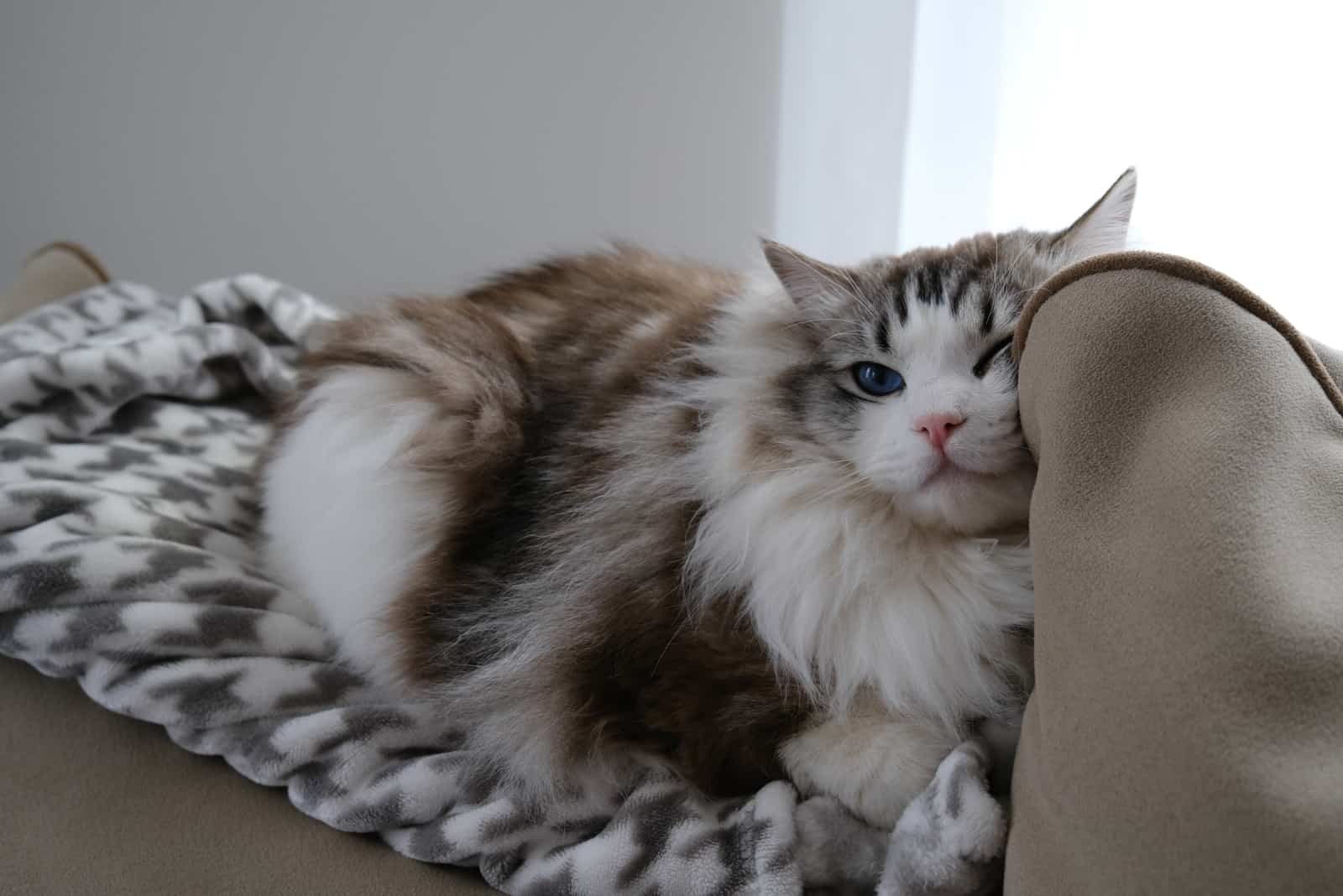
Scratching is normal cat behavior. It helps cats stretch, mark their space, and maintain their claws. Your Ragdoll is not damaging the sofa out of spite.
However, furniture can become a favorite scratching spot when suitable alternatives are missing.
Place sturdy scratching posts near the furniture your cat targets. Offer both upright posts and flat scratchers to learn which surface it prefers.
Reward your cat when it uses them. You can also protect furniture with washable covers while your cat develops new habits.
Regular claw trims may reduce damage, but cats still need to scratch. Daily play and attention also provide useful outlets for their energy.
Choose stable cat trees with platforms large enough for your Ragdoll. Let your cat’s mobility and preferences guide the height.
8. Grooming Can Lead to Hairballs
Ragdolls groom themselves like other cats. As they lick their coats, they swallow loose hair. Most passes through the digestive system, but some may collect into hairballs.
Regular brushing helps remove loose fur before your cat swallows it. Start with gentle combing once or twice a week, adjusting the routine to suit its coat and shedding.
Work carefully through tangles without pulling the skin. Keep sessions short if your cat becomes uncomfortable.
Frequent vomiting, repeated retching, or excessive licking should not be dismissed as normal grooming. Contact your vet if these signs occur.
9. Unusual Sleeping Positions
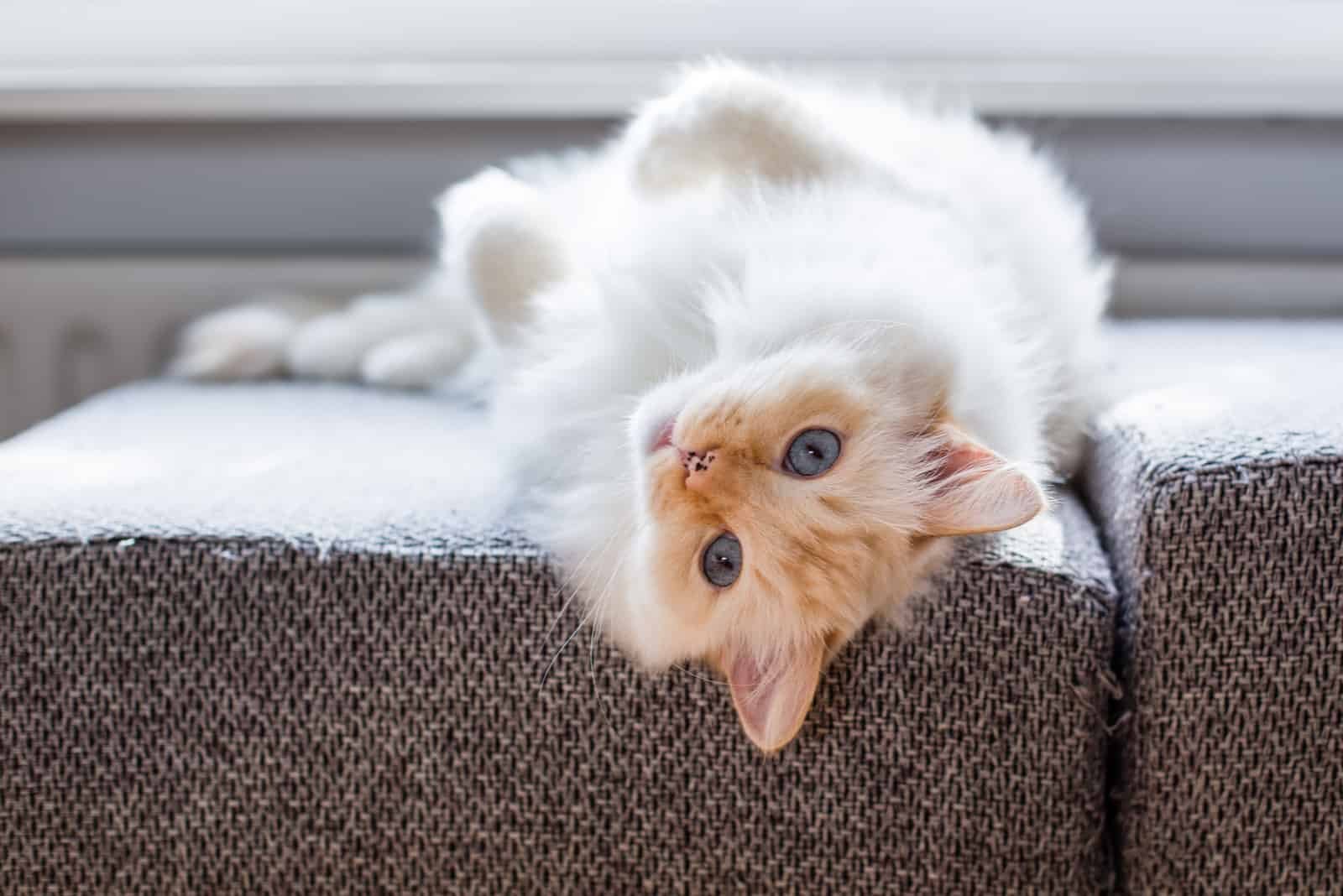
Ragdolls sometimes sleep on their backs with their legs stretched out. These positions may look funny, but an unusual sleeping pose is not a behavior problem on its own.
If your cat appears comfortable, let it rest in its chosen position. There is no need to move it or train it to sleep differently.
However, a sudden change in sleeping habits, trouble getting comfortable, or signs of pain deserve attention from your vet.
10. Your Ragdoll May Want Frequent Company
Many Ragdolls enjoy being close to their owners. Yours may follow you around, settle beside you, or greet you when you return home.
Wanting company is normal, but each cat handles time alone differently. Some relax happily by themselves, while others need more help settling.
Create a predictable routine with daily play and affection. When you are busy, offer safe toys, scratching posts, and comfortable resting spots.
Build up time alone gradually, keeping departures and returns calm. If your cat seems distressed whenever you leave, ask your vet for advice.
Before getting a Ragdoll, consider how much companionship and daily care you can provide. The goal is to meet your cat’s needs while helping it feel secure during quiet time alone.e your cat’s companion, then you should provide her with plenty of interesting toys or just get another pet to keep her company while you’re gone.
FAQ
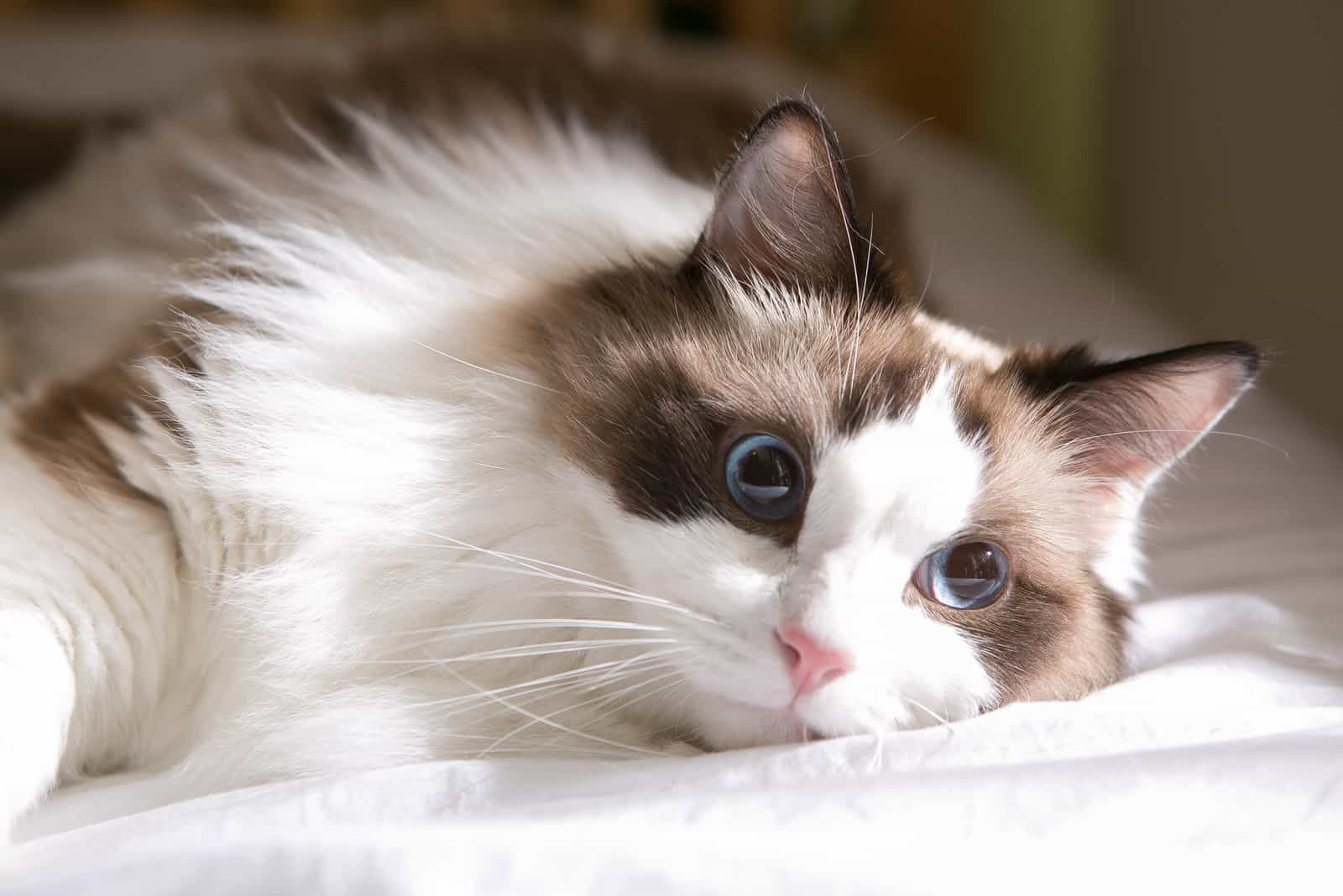
Can a Ragdoll Cat Become Stressed?
Yes. Like any cat, a Ragdoll can experience stress. Changes in routine, unfamiliar animals, loud noises, or a lack of safe resting places may make it uneasy.
Stress can contribute to biting, scratching, or accidents outside the litter box. However, these behaviors can also have medical causes, so do not assume your cat simply needs more attention. Merck Veterinary Manual
Keep its routine consistent and offer quiet hiding spots. Let your cat choose when to interact. If the behavior is new or continues, contact your vet.
Can Ragdolls Be Aggressive?
Yes. Although many Ragdolls are gentle, any cat can bite, scratch, or hiss when frightened, overwhelmed, or in pain.
Look for the cause rather than treating aggression as bad behavior. Give your cat space, avoid punishment, and speak with your vet about sudden or repeated aggression. vet.cornell.edu
Why Does My Ragdoll Cat Bite Me?
Your Ragdoll may bite during rough play, when scared, or when it has had enough petting. Pain can also make a cat react defensively.
Watch for warning signs, such as a flicking tail, flattened ears, or a tense body. Stop touching your cat and allow it to move away.
Use toys instead of hands during play. If biting starts suddenly or happens repeatedly, arrange a vet check to rule out discomfort. vet.cornell.edu
In Conclusion
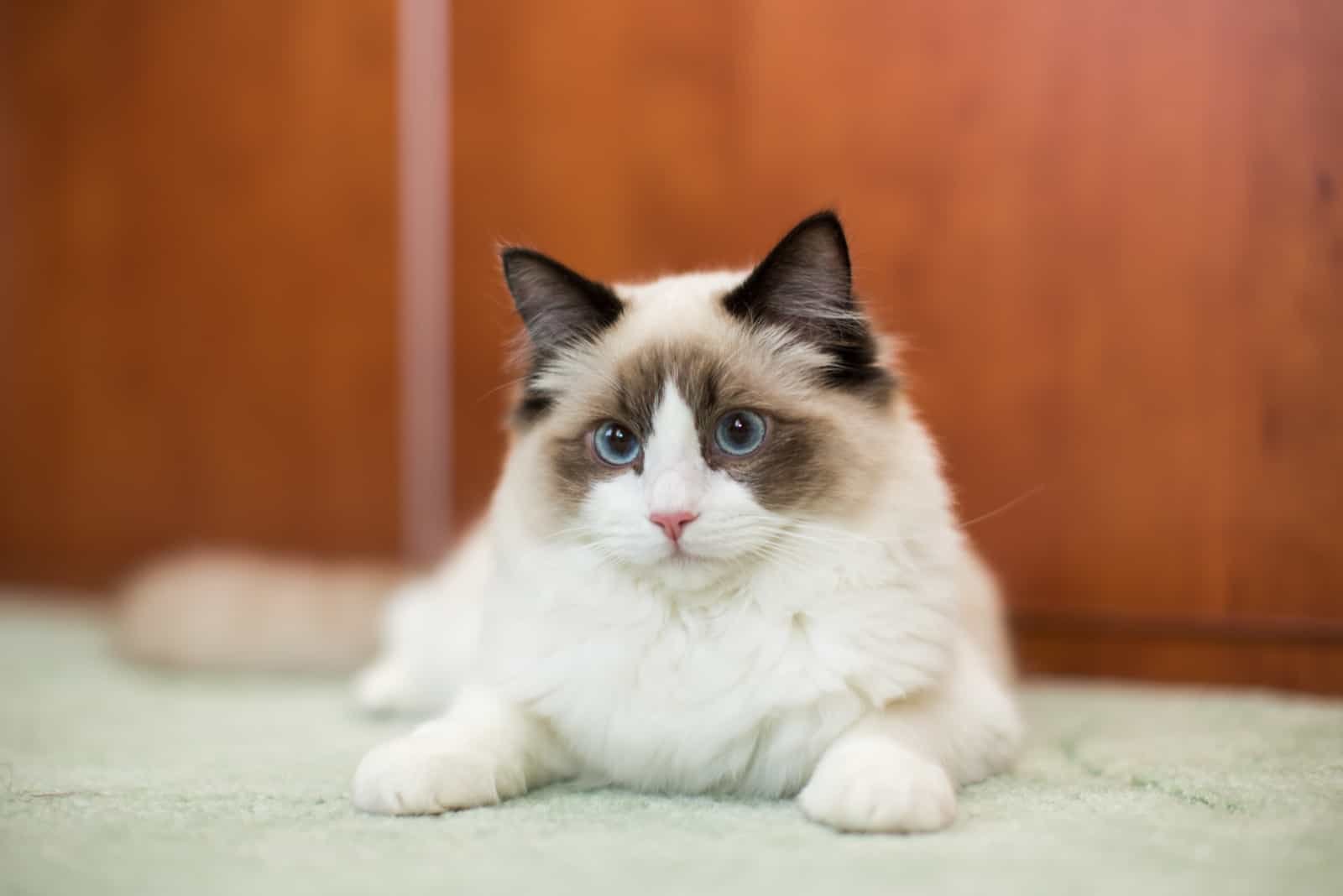
Ragdolls are loved for their gentle nature, soft coats, and affectionate personalities. Still, every cat has its own habits and needs.
Many Ragdoll cat behavior problems can improve with consistent routines, suitable play, and gentle training. Early socialization can also help kittens feel comfortable with people and everyday activities.
Behavior alone cannot tell you whether a cat is purebred. Biting, scratching, and litter box problems can affect cats of any breed.
Sudden behavior changes may signal stress, pain, or illness. If your cat starts acting differently, contact your vet rather than assuming it is misbehaving. www.merckvetmanual.com
With patience, daily attention, and appropriate care, you can help your Ragdoll feel safe and comfortable at home.