Yellow Cat Poop: 7 Possible Causes

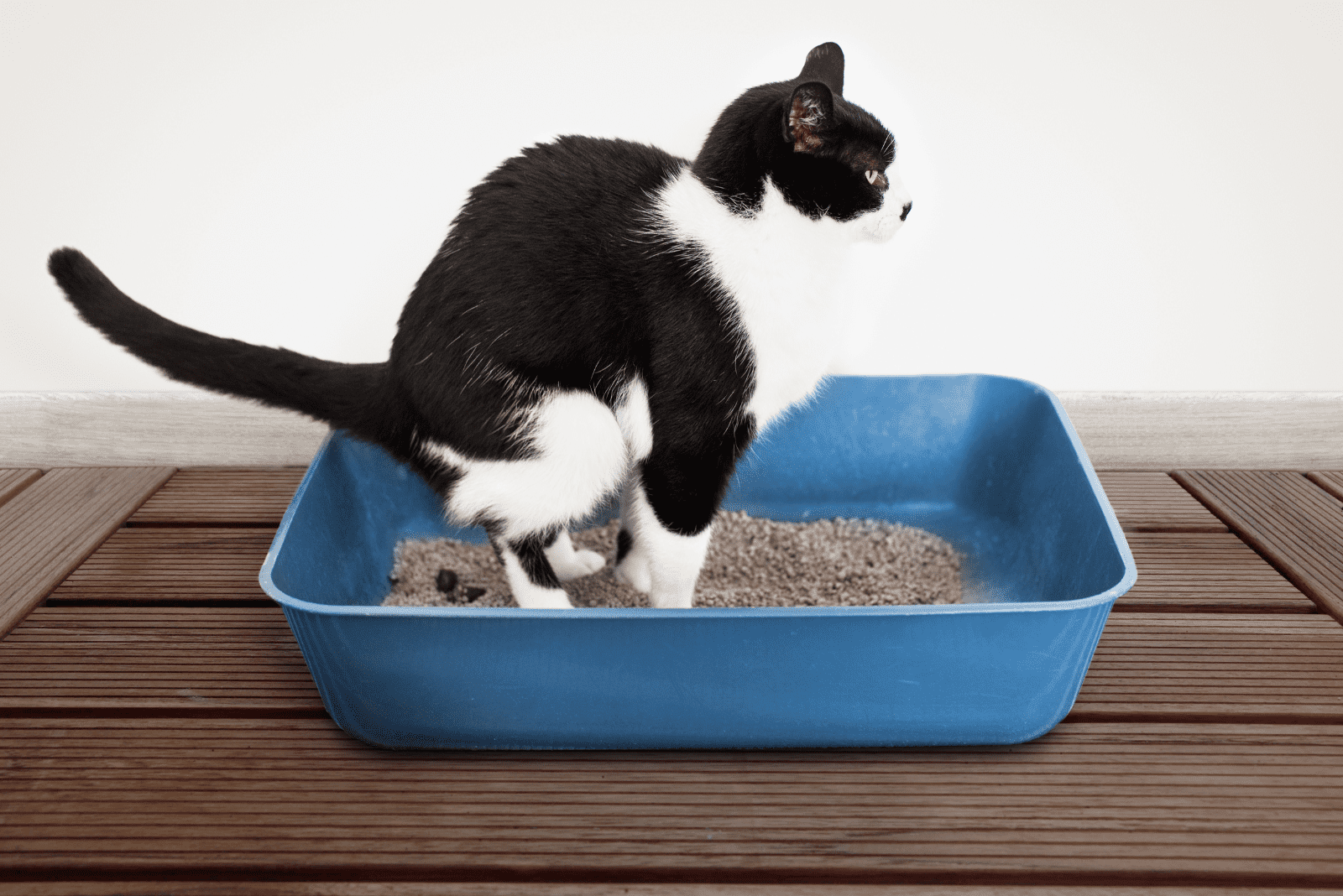
Scooping the litter box is a good time to notice changes in your cat’s poop. If it suddenly looks yellow, pay attention to its texture and how your cat is acting. Those details can help your vet work out what might be causing the change. PetMD
Is Yellow Cat Poop Normal?
Healthy cat poop is usually brown and holds its shape. It should feel a little like modeling clay. Yellow is an unusual color, but the shade alone can’t tell you what’s wrong. Sometimes the stool itself is yellow. Other times, a yellowish layer of mucus makes it look that way. PetMD
Advertisement – Continue Reading Below
Possible causes range from diet changes and intestinal parasites to problems with the liver or gallbladder. If the color change happens again or comes with diarrhea, vomiting, or a drop in appetite, contact your vet. A photo of the stool can help you show them what changed. PetMD
Here are seven possible reasons your cat’s poop may look yellow and what to watch for in each case.
Related reading
Cat Not Eating Much but Acting Normal: 7 Reasons Why
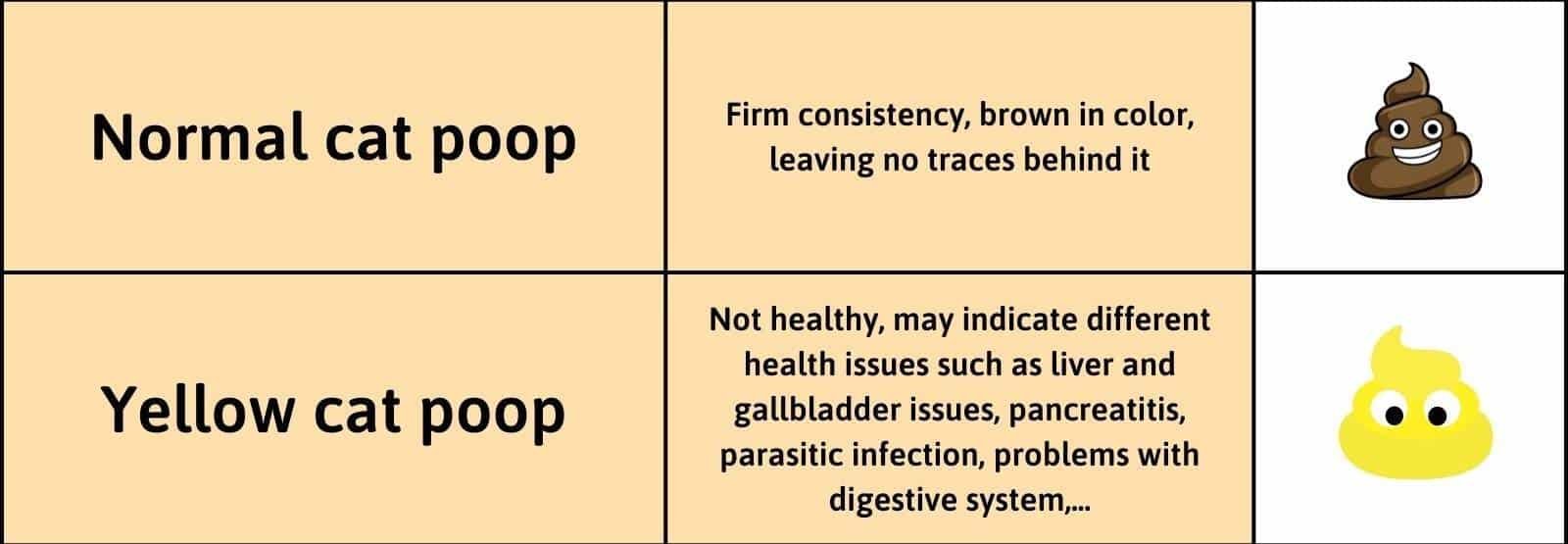
7 Possible Causes of Yellow Cat Poop
Yellow cat poop can have several causes. Changes in your cat’s appetite, energy, or stool texture can give your vet more clues than color alone. Here are seven possible causes, what to watch for, and when to call your vet.
1. Gallbladder Problems
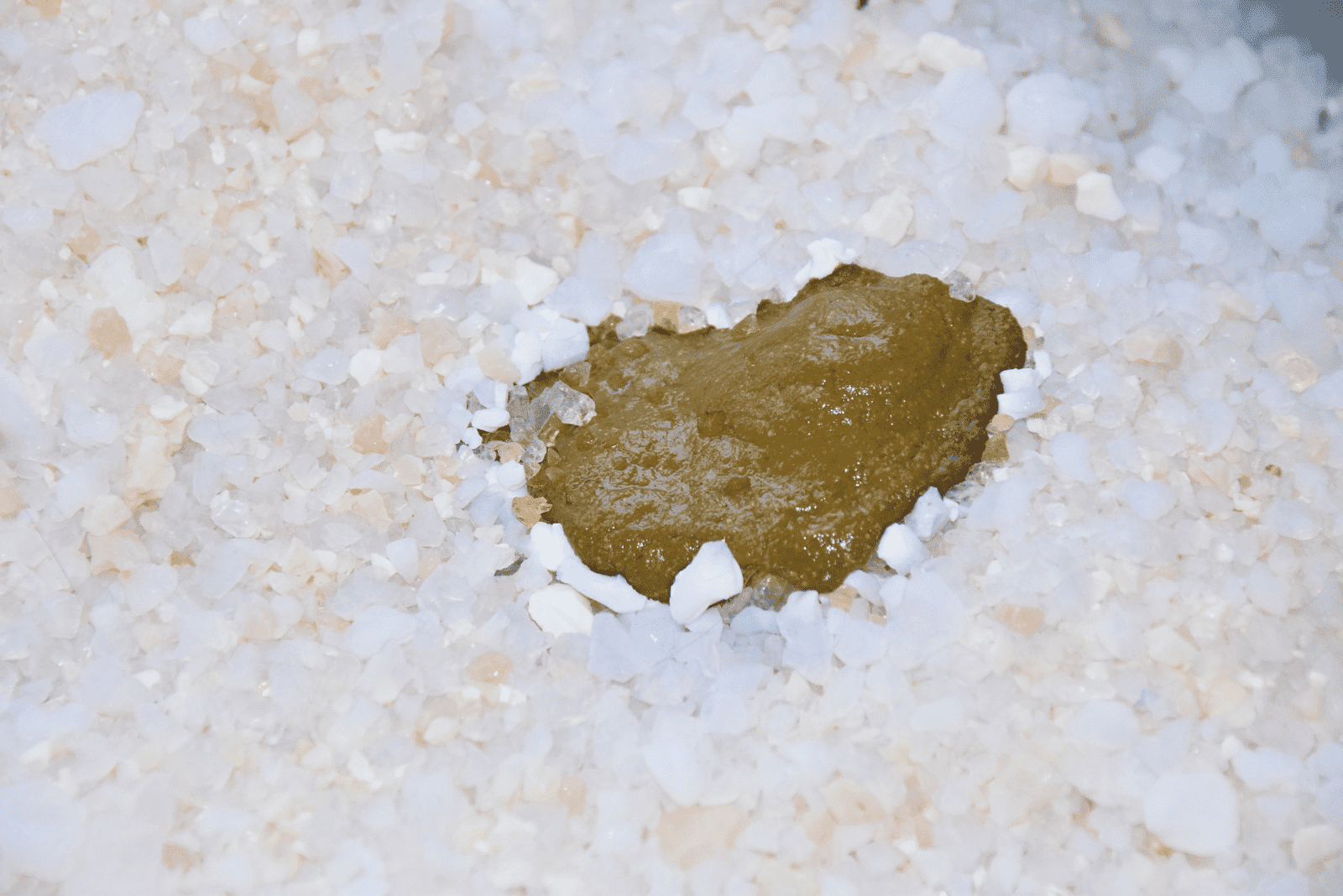
1. Gallbladder Problems
The gallbladder stores bile, a fluid the liver makes to help digest fat. Bile travels to the intestines through a small tube called the bile duct. If that tube gets blocked, your cat’s poop may look much paler than usual. Vomiting, low energy, and a change in appetite can also occur. Merck Veterinary Manual
Bacteria can cause a gallbladder infection. Swelling, gallstones, or a tumor can also block the flow of bile. Since several conditions can cause similar symptoms, your vet will look at your cat’s overall health as well as any changes in the litter box. Merck Veterinary Manual
Treatment
If pale stool comes with vomiting, low energy, or a poor appetite, contact your vet promptly. They may use blood tests, an ultrasound, or X-rays to find the cause. A bacterial infection may need antibiotics. A blocked bile duct may need surgery. Merck Veterinary Manual
2. Liver Problems
Liver disease can change the color of your cat’s stool. Your cat may also eat less, lose weight, vomit, or seem unusually tired. Liver problems can develop for several reasons, including inflammation, exposure to toxins, or a buildup of fat in the liver after a cat stops eating. Merck Veterinary Manual
One sign to watch for is jaundice. This is a yellow tint in the whites of the eyes, gums, or skin. If you notice jaundice, contact your vet right away. Merck Veterinary Manual
Treatment
Your vet may start with blood tests and an ultrasound. Treatment depends on what the tests show. For example, a cat with fatty liver disease may need help getting enough food while the vet treats the problem that caused them to stop eating. Your vet can recommend a feeding plan based on the diagnosis. Merck Veterinary Manual
3. Digestive Problems
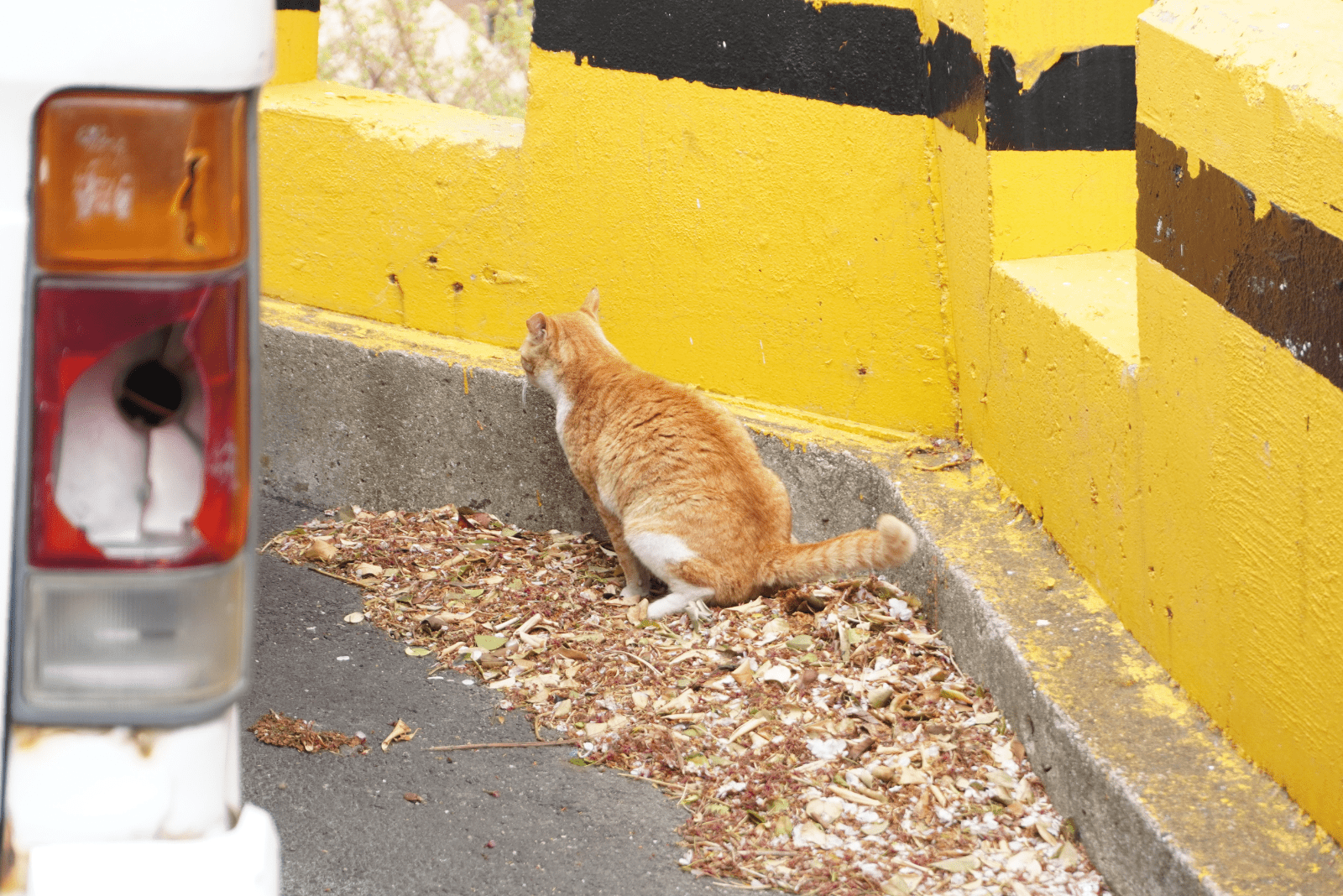
3. Digestive Problems
Digestive trouble can come on suddenly or build up over time. Your cat may vomit, have loose stools, eat less, or seem unusually tired. Changes in food, stress, constipation, and hairballs can all upset digestion. An intestinal blockage can cause similar signs and needs urgent veterinary care. cats.org.uk
Treatment
The right treatment depends on the cause. If your cat keeps vomiting, seems weak, or eats less than usual, call your vet promptly. vet.cornell.edu
- Food allergies. Your vet may suggest a trial diet to find out whether a food ingredient is causing symptoms. vet.cornell.edu
- Stress. Look for recent changes at home, such as a move or a new pet. A quiet spot and a steady routine may help your cat settle. cats.org.uk
- Constipation. Fresh water and moisture-rich food may help some cats. If your cat keeps straining in the litter box, contact your vet. Merck Veterinary Manual
- Intestinal blockage. If you suspect a blockage, seek urgent vet care. Your cat may need surgery to remove it. vet.cornell.edu
- Hairballs. Regular brushing removes loose fur before your cat swallows it while grooming. vet.cornell.edu
4. Pancreatitis
Pancreatitis means the pancreas is inflamed. Cats with this condition often eat less and have low energy. Some also vomit, lose weight, or show signs of belly pain. A change in poop color or smell can have many causes, so your vet will look at other symptoms and may run tests. felinevetfriends.nl
Treatment
Your vet may give your cat fluids, pain relief, and medicine for nausea. They may also help your cat get enough food during recovery. Antibiotics are generally reserved for cats with a suspected or confirmed bacterial infection. felinevetfriends.nl
5. A Change in Food
If your cat’s poop changes after you introduce a new food or treat, make a note of when it started. A sudden switch can upset digestion and lead to loose stool. Yellow poop alone gives little information about whether a food ingredient caused the change. cats.org.uk
What to Do
If it happens once and your cat is eating and acting as usual, keep an eye on the next few litter box visits. When you switch foods, do it gradually over about a week or two. If the yellow color keeps coming back or your cat also has diarrhea, vomiting, or a poor appetite, call your vet. cats.org.uk
6. Zinc Toxicity
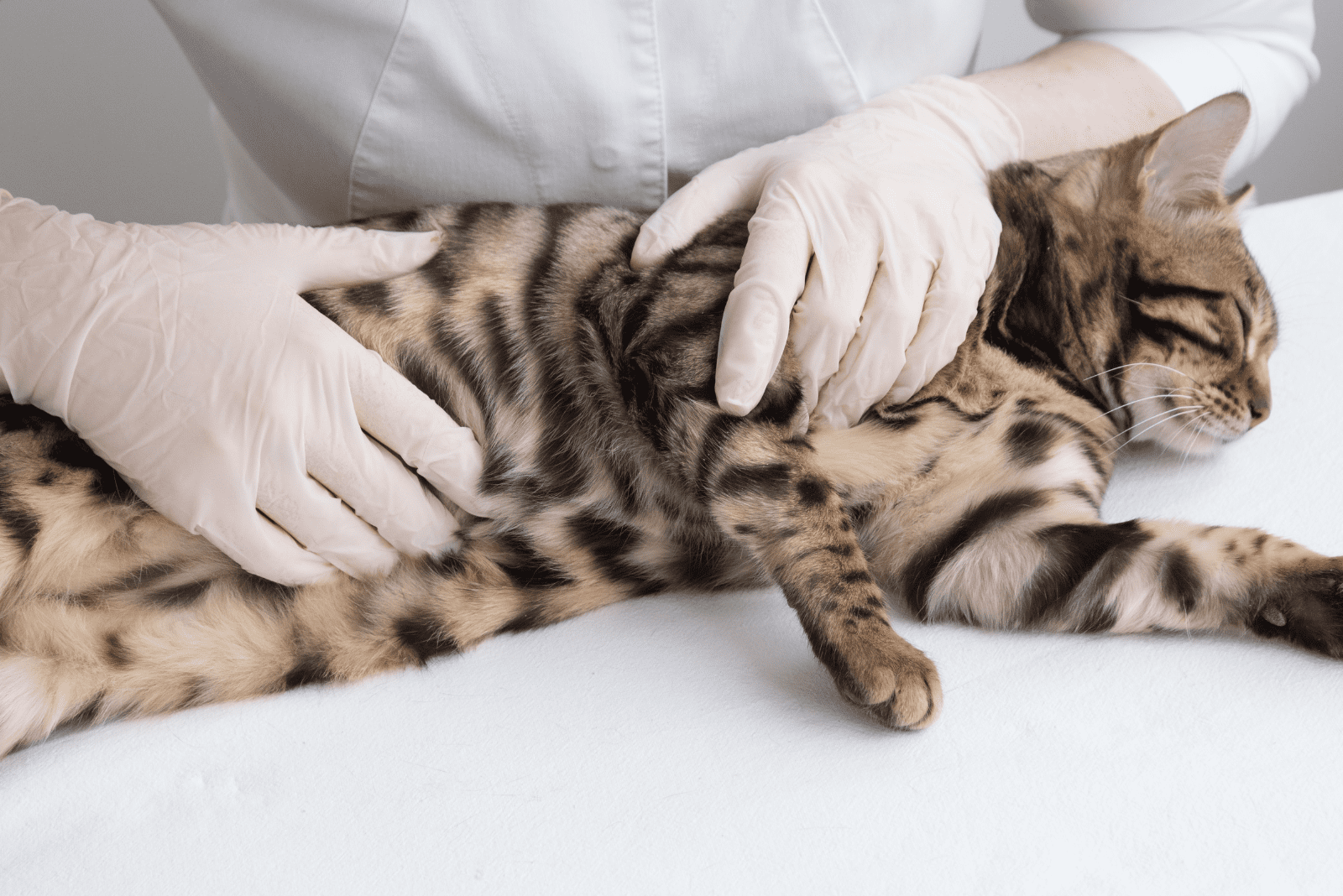
6. Zinc Toxicity
Swallowing too much zinc can damage a cat’s red blood cells. As those cells break down, a yellow pigment called bilirubin can build up. This can cause jaundice, which may make the eyes or gums look yellow. Vomiting, diarrhea, weakness, and a poor appetite are also possible. Yellow poop alone can’t tell you whether your cat has zinc poisoning. Merck Veterinary Manual
Treatment
If you think your cat swallowed a zinc supplement or an object that contains zinc, call an emergency vet right away, even if your cat seems fine. The vet may need to remove the source of zinc and give fluids through a vein. Cats with severe anemia may need a blood transfusion. Merck Veterinary Manual
7. Intestinal Parasites
Cats can pick up intestinal parasites by hunting infected prey or coming into contact with contaminated soil, food, or water. The route depends on the parasite. For example, cats can get one common type of tapeworm by swallowing an infected flea while grooming. vet.cornell.edu
Roundworms and tapeworms are common in cats. Tapeworm segments can look like small grains of rice near the tail or in the litter box. Roundworm eggs are too small to see without a microscope. Some cats show few signs, while others have diarrhea, vomiting, or weight loss. vet.cornell.edu
Treatment
Your vet may ask for a fresh stool sample to check for parasites. The results can help them choose the right medicine. Some infections need repeat treatment or a follow-up stool test. Ask your vet whether other pets in your home need testing or treatment too. vet.cornell.edu
Scoop the litter box daily and wash your hands afterward. If fleas are involved, use a flea treatment your vet recommends to reduce the risk of reinfection. Your vet can also suggest a parasite prevention plan based on your cat’s age and habits. vet.cornell.edu
What to Do If Your Cat Has Yellow Poop
Know When to Call the Vet
If you see one yellow stool and your cat is eating and acting as usual, check the next few litter box visits. Call your vet if the color keeps coming back or if your cat also has diarrhea, vomiting, low energy, or a poor appetite. A photo and a note about recent food changes can help your vet decide whether a stool test or another exam is needed. www.petmd.com
Ask About a Diet Change
Tell your vet if the change started after you switched foods or added a new treat. Sudden food changes can upset a cat’s stomach. If your vet recommends a different food, ask how to make the switch and whether a complete diet made for digestive problems would suit your cat. www.cats.org.uk
Ask Your Vet About Probiotics
Probiotics contain live microorganisms. A vet may suggest one to help manage some cases of loose stool. Whether it helps depends on the product and what’s causing the diarrhea. Ask your vet which option fits your cat’s needs before adding a supplement. cats.org.uk
| Product | What it is |
|---|---|
| Purina Pro Plan FortiFlora for Cats | A probiotic powder that can be sprinkled over food. shop.purina.com |
| Nutramax Proviable-DC | A capsule for cats and dogs that you can open and sprinkle over food. bridgeportveterinary.com |
| Great Pet Great Poop Digestive Support | Check the current label for a cat-specific formula before considering this product. |
| Royal Canin Digestive Care Dry Cat Food | An adult cat food made with fiber and prebiotics. royalcanin.com |
Related reading
My Cat Keeps Throwing Up but Seems Fine. Should I Worry?
Why Does Your Cat’s Poop Color Matter?
6. Zinc Poisoning
Too much zinc can destroy a cat’s red blood cells. This releases a yellow pigment called bilirubin. If it builds up, the gums or whites of the eyes may turn yellow. This is called jaundice. Other signs include vomiting, diarrhea, weakness, and loss of appetite. A vet will need more information than stool color to diagnose zinc poisoning. Merck Veterinary Manual
Treatment
Call an emergency vet immediately if you think your cat swallowed a zinc supplement or an item made with zinc. Call even if your cat seems well. The vet may remove the source of zinc and give fluids through a vein. A cat that has lost too many red blood cells may need a transfusion. Merck Veterinary Manual
7. Intestinal Parasites
Cats can get parasites from infected prey or from contaminated soil, food, or water. Some tapeworms spread through fleas. A cat can swallow an infected flea while licking their fur. Cornell University College of Veterinary Medicine
Tapeworm pieces can look like grains of rice around your cat’s tail or in their poop. Roundworm eggs are so small that you need a microscope to see them. Some cats with parasites seem fine. Others may lose weight, vomit, or have diarrhea. Cornell University College of Veterinary Medicine
Treatment
Your vet may test a fresh stool sample to find out which parasite is involved. Depending on the results, your cat may need another dose of medicine or a follow-up test. If you have other pets, ask whether they should be checked too. Cornell University College of Veterinary Medicine
Clean the litter box daily and wash your hands after scooping. If your cat picked up tapeworms from fleas, ask your vet about flea control to help prevent the worms from coming back. Cornell University College of Veterinary Medicine
What to Do If Your Cat Has Yellow Poop
When to Call the Vet
If you notice yellow poop once and your cat seems well, watch what happens over the next few litter box visits. Call your vet if the color change continues or your cat has loose stool, vomits, eats less, or seems unusually tired. Take a photo if you can. Tell your vet when the change started and whether you’ve tried any new foods or treats. PetMD · Cornell University College of Veterinary Medicine
Talk to Your Vet About Food
A sudden switch in food can upset your cat’s stomach. If the yellow poop appeared after a diet change, tell your vet what your cat was eating before and what they eat now. Your vet can advise you on how to switch foods gradually or suggest a complete cat food made for digestive issues. Cats Protection
Can Probiotics Help?
Probiotics contain live microorganisms, such as certain bacteria. Vets sometimes use them to help manage loose stool. Ask your vet whether a probiotic makes sense for your cat and which product to use. Cats Protection
| Product | What to know |
|---|---|
| Purina Pro Plan FortiFlora for Cats | A probiotic powder you sprinkle over food. Purina |
| Nutramax Proviable-DC | A supplement for cats and dogs. You can open the capsule and sprinkle the contents over food. Bridgeport Veterinary Hospital |
| Great Pet Great Poop Digestive Support | Confirm that the specific formula is labeled for cats before using it. |
| Royal Canin Digestive Care Dry Cat Food | A dry food for adult cats that contains fiber and prebiotics. Royal Canin |
Related reading
My Cat Keeps Throwing Up but Seems Fine. Should I Worry?
Why Does Your Cat’s Poop Color Matter?