Green Cat Poop: When to Worry

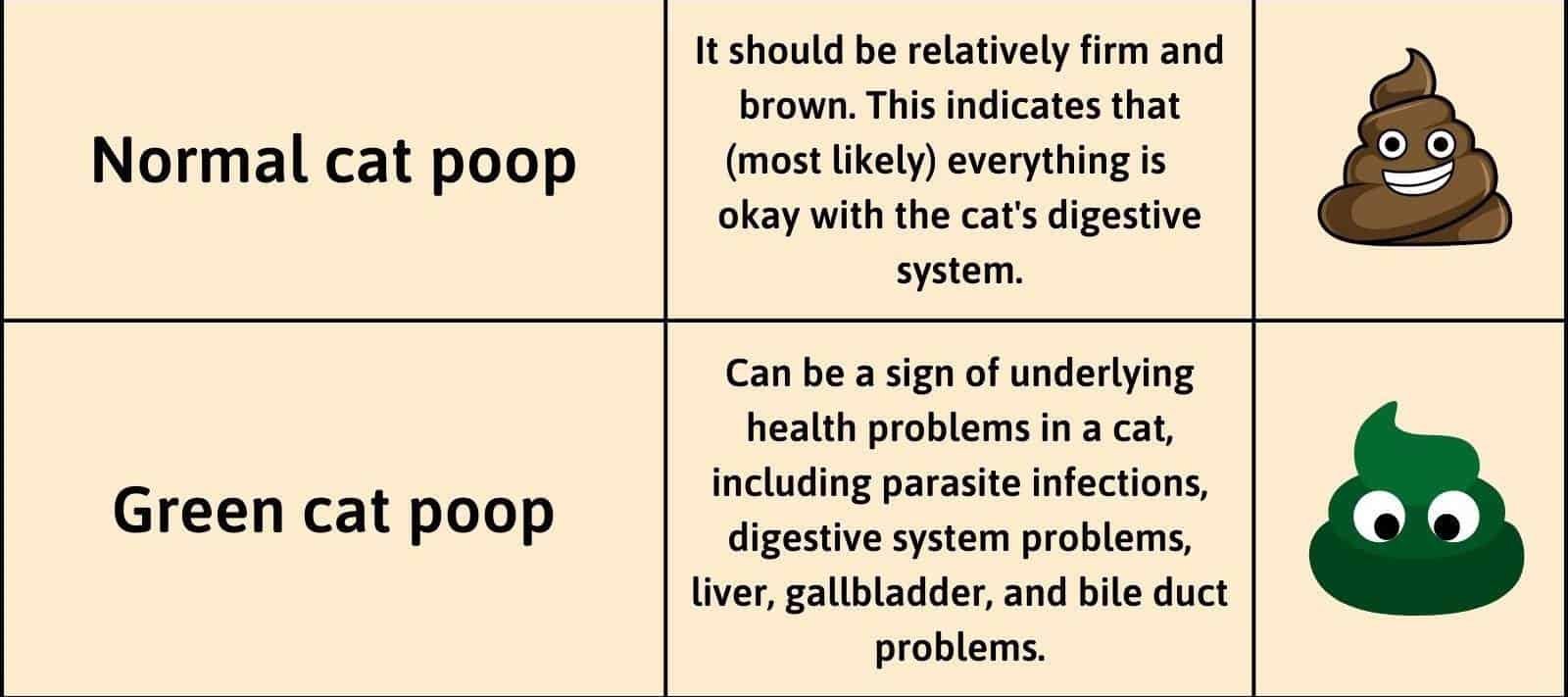
The next time you scoop the litter box, take a quick look at your cat’s poop. Knowing what’s usual for your cat makes it easier to spot a change in color or texture. Healthy cat poop is typically brown, though the shade can vary. www.petmd.com
If you spot green poop, check whether it still holds its shape and whether your cat is eating and acting as usual. Those details can help you decide when to call your vet. www.getpetcheck.com
Advertisement – Continue Reading Below
Is Green Cat Poop Normal?
Green is an unusual color for cat poop. A recent food change can affect how stool looks, so think about what your cat ate before you noticed the change. If the green color keeps coming back, call your vet. Call sooner if your cat also has watery diarrhea, is vomiting, or is eating less than usual. www.getpetcheck.com
Pay attention if your cat’s poop changes color, becomes loose, or smells much stronger than usual. Note when the change started and whether your cat is eating and acting normally. These details can help your vet work out what’s going on. www.petmd.com
If the green color keeps coming back, call your vet. Contact them sooner if your cat also has watery diarrhea, is vomiting, or is eating less than usual. www.getpetcheck.com
Why Is My Cat’s Poop Green? 6 Possible Causes
Green cat poop can have several causes. Start with what your cat has eaten recently, then check whether the poop is firm or loose. Changes in appetite, energy, or weight can also help your vet narrow down the cause. www.petmd.com
1. Eating Grass
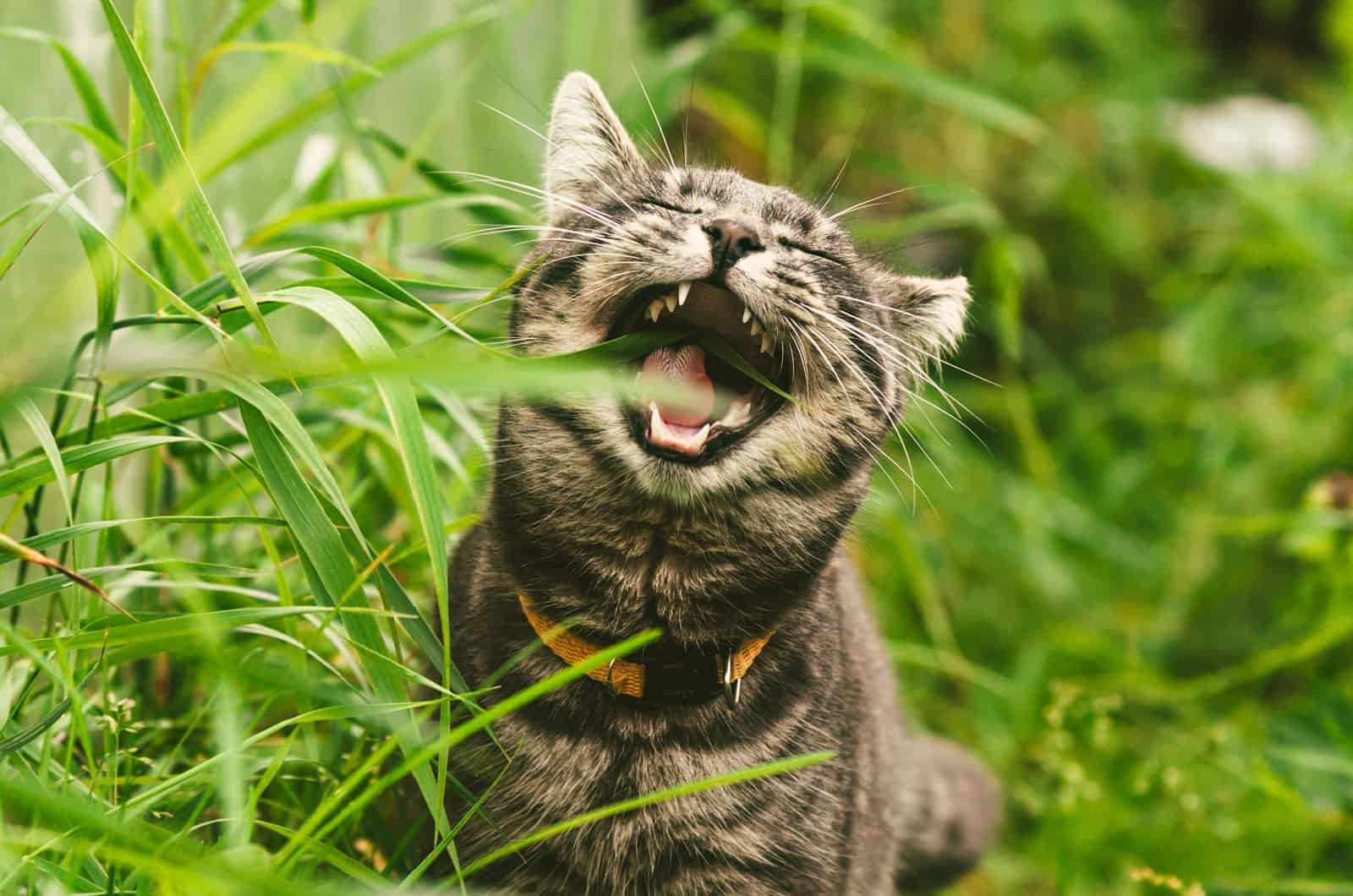
Some cats nibble on grass. If you see bits of grass in an otherwise firm stool and your cat is eating and acting normally, check the next few litter box visits. escholarship.org
Some cats vomit after eating grass. If your cat keeps throwing up, call your vet even if they seem fine between episodes. escholarship.org
2. Green Ingredients in Food
Think about any new foods or treats your cat has eaten. Green plant ingredients contain chlorophyll, the pigment that gives leaves their color. Food ingredients or added coloring may change how your cat’s poop looks. The green shade alone tells you little about how much fiber your cat is eating. www.petco.com
If the color keeps coming back or the stool becomes watery, call your vet. Tell them when you changed the food and when you first noticed the difference. www.getpetcheck.com
Related reading
Can Cats Eat Lettuce?
3. Problems With Bile Flow
The liver makes bile, a fluid that helps your cat digest fat. The gallbladder stores it, and the bile duct carries it to the small intestine. If the duct is blocked, the stool may turn very pale. Green stool alone gives little information about bile flow or how well your cat absorbs nutrients. www.msdvetmanual.com
If your cat’s gums or the whites of their eyes turn yellow, contact your vet right away. This yellow tint is called jaundice. www.msdvetmanual.com
4. Diarrhea Linked to Digestive Problems
If green poop is also loose or watery, pay attention to how often it happens. Infections can cause a sudden bout of diarrhea. Inflammatory bowel disease (IBD) can cause diarrhea that keeps coming back, along with vomiting or weight loss. www.vet.cornell.edu
Another possible cause of ongoing loose stool is exocrine pancreatic insufficiency (EPI). This happens when the pancreas makes too few enzymes to break down food. Cats with EPI often pass large amounts of loose stool and lose weight. If your cat has repeated diarrhea or is losing weight, book a vet visit. Merck Veterinary Manual
5. Coccidia, Giardia, or Salmonella Infection
5. Coccidia, Giardia, or Salmonella Infection
Some intestinal infections cause loose stool or diarrhea. Coccidia and Giardia are tiny parasites, while Salmonella is a type of bacteria. Green poop alone can’t tell you which infection your cat has. vet.cornell.edu
Coccidia Infection
Cats can pick up coccidia by swallowing tiny parasite stages from contaminated poop or soil. Healthy adult cats often show few signs. Kittens are more likely to get sick and may pass watery stool or poop with mucus. If your kitten has diarrhea or stops eating, call your vet promptly. vet.cornell.edu
Giardia Infection
Giardia can spread through contaminated water, soil, or other surfaces. It can spread more easily where many cats live close together, such as in shelters. Some cats seem well, while others have soft, greasy, or foul-smelling stool. Diarrhea can come and go, and some cats lose weight. Your vet may ask for a stool sample to check for Giardia. CAPC Vet
Salmonella Infection
Cats can pick up Salmonella from contaminated food, including raw meat, or through contact with infected animals or their waste. Signs can include diarrhea, vomiting, fever, low energy, and belly pain. In severe cases, the infection can spread beyond the gut and make a cat very ill. Call your vet promptly if diarrhea comes with vomiting, fever, or marked weakness. Merck Veterinary Manual
6. Medication Side Effects
If your cat’s poop changes after they start an antibiotic, dewormer, or supplement, write down what they took and when the change began. Some medicines can upset digestion, but the timing and stool color alone can’t confirm the cause. Call your vet if the change continues or your cat also has diarrhea, vomiting, or a poor appetite. Ask your vet before changing or stopping a prescribed medicine. www.vet.cornell.edu
Why Is My Kitten’s Poop Green?
Why Is My Kitten’s Poop Green?
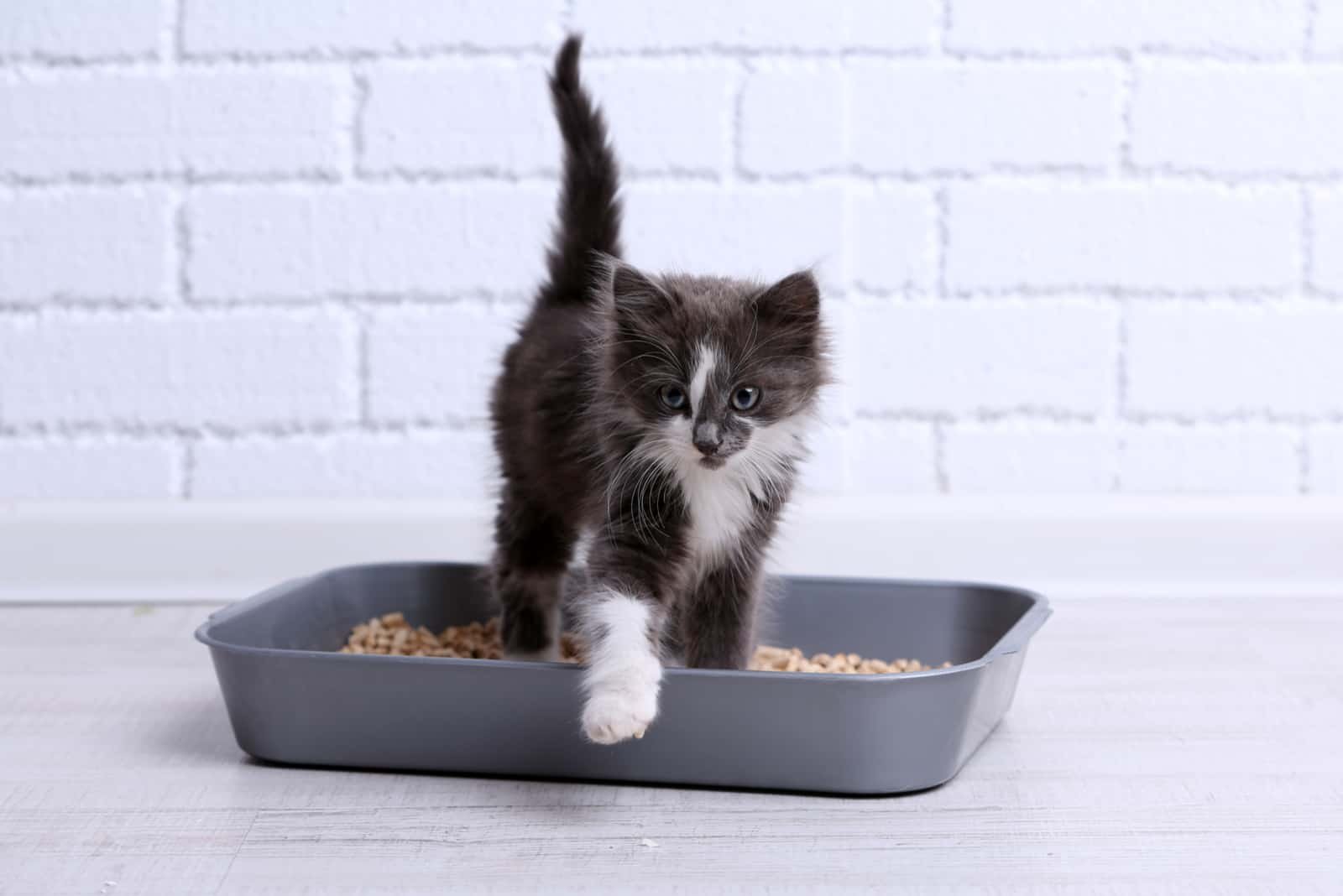
A sudden food change can upset a kitten’s stomach. If the poop turned green after you tried a new food, note when you made the switch and whether the stool is still firm. Intestinal parasites can also cause diarrhea in kittens. The color alone can’t tell you what caused the change. www.cats.org.uk
Call your vet if the green color keeps coming back. If your kitten has watery diarrhea, vomits, eats less, or seems weak, call promptly. Kittens can lose fluids quickly when they have diarrhea. www.vet.cornell.edu
Why Is My Cat’s Poop Green and Slimy?
The slime may be mucus, a slippery fluid that helps stool move through the intestines. A small amount once can happen. If you keep seeing a thick coating or notice a pool of slimy liquid in the litter box, call your vet. www.petmd.com
Extra mucus can come from irritation in the large intestine. Possible causes include constipation, a change in food, or an intestinal infection. Tell your vet when the slime first appeared and whether your cat is straining or passing loose stool. These details can help them decide what to check. www.petmd.com
Why Is My Cat’s Poop Green and Smelly?
Why Is My Cat’s Poop Green and Smelly?
Cat poop has a smell, so pay attention to a sudden change from what’s usual for your cat. If green stool smells much stronger than usual, check whether it’s also loose or greasy. Food reactions, intestinal parasites, and other digestive problems can all change how stool looks and smells. If the change keeps happening, call your vet. www.petmd.com
Related reading
Why Does My Cat’s Poop Smell So Bad?
Why Is My Cat’s Poop Green and Watery?
Watery poop is diarrhea. It can come on suddenly, and your cat may have an accident before they reach the litter box. Possible causes include viral or bacterial infections and intestinal parasites such as Giardia or worms. Your vet may ask for a stool sample to help find the cause. www.vet.cornell.edu
Call your vet promptly if your cat has repeated watery diarrhea, seems weak, vomits, or stops eating. If your cat is a kitten, call sooner because kittens can lose fluids quickly. www.vet.cornell.edu
What Should I Do About My Cat’s Green Poop?
If you notice your cat’s poop is green, this is what you need to do:
 Try finding the potential cause of your cat’s green poop – has your cat been eating grass recently? Have you switched your cat’s diet to a high-fiber diet recently?
Keep an eye on your cat – are they displaying any other symptoms of a potential health issue?
If you notice your cat showing some other signs of a potential health problem, monitor them and write all of them down.
If your cat’s green poop persists after a few days, and your cat is starting to show other symptoms (such as vomiting, diarrhea, fever, etc.) you should go to the vet.
What Should I Do About My Cat’s Green Poop?
If you see one green stool and your cat is eating and acting normally, check the next few litter box visits. Call your vet if the color persists or keeps coming back. If your cat also has watery diarrhea, vomits, eats less, or seems weak, contact your vet promptly. www.getpetcheck.com
When you call, tell your vet when you first noticed the green poop and when any other symptoms began. Mention recent changes in food, treats, or medicine. A photo of the stool can help show what changed. www.petmd.com
How Vets Treat the Causes of Green Cat Poop
Treatment for green cat poop depends on what caused the change. A single unusual stool may only need watching. If the color keeps coming back or your cat has diarrhea, vomiting, or a poor appetite, your vet can help find the cause. www.getpetcheck.com
1. Eating Grass
If you spot bits of grass in one firm stool and your cat is eating and acting normally, check the next few litter box visits. Eating grass by itself tells you little about whether your cat is missing nutrients. If your cat keeps vomiting after eating grass, call your vet. escholarship.org
2. A Change in Food
If the green color appeared after a new food or treat, note when you introduced it. If your cat seems well and the stool returns to its usual brown color, monitoring may be enough. If the color persists or the stool becomes loose, ask your vet whether a gradual change to another complete cat food would help. www.petco.com
3. Liver, Gallbladder, or Bile Duct Problems
Your vet may use blood tests and an ultrasound to find out what’s affecting your cat. Treatment depends on the diagnosis. A bacterial gallbladder infection may require antibiotics. A blocked bile duct may need surgery. Call your vet right away if your cat’s gums or the whites of their eyes turn yellow. www.msdvetmanual.com
4. Diarrhea From Digestive Problems
Keep fresh water available. Ask your vet what to feed your cat and how often. They may suggest small meals of an easy-to-digest cat food. Check with your vet before skipping meals or giving any over-the-counter diarrhea medicine. cats.org.uk
Call promptly if your cat has repeated watery diarrhea, vomits, eats less, or seems weak. If a kitten has watery diarrhea, call right away because kittens can lose fluids quickly. www.vet.cornell.edu
5. Coccidia, Giardia, or Salmonella Infection
Coccidia
If coccidia are making your cat sick, your vet may prescribe medicine to treat the infection. Kittens with severe diarrhea may also need fluids to replace what they’ve lost. Merck Veterinary Manual
Giardia
Your vet may prescribe medicine and recommend cleaning the litter box and food bowls more often. Follow the full treatment plan, even if the stool firms up before the medicine is finished. vcahospitals.com
Salmonella
A cat with vomiting or diarrhea may need fluids to treat dehydration. Antibiotics are usually reserved for severe infections or cases where the bacteria may have spread beyond the gut. Very sick cats may need care in a veterinary hospital. www.merckvetmanual.com
6. Medication Side Effects
If your cat’s poop changes after they start a medicine or supplement, tell your vet what your cat took and when the change began. Mention any vomiting, loose stool, or loss of appetite. Check with the prescribing vet before changing the dose or stopping the medicine. www.vet.cornell.edu
How to Prevent Common Causes of Green Cat Poop
How to Prevent Common Causes of Green Cat Poop
A steady diet, a clean litter box, and routine vet care can help reduce the risk of some problems that change your cat’s poop. If the green color comes back after treatment, tell your vet when it started and whether the stool is firm or loose. www.cats.org.uk
1. Limit Grass Eating
An occasional nibble of grass is common. If your cat eats large amounts or often vomits afterward, limit their access to grass and ask your vet for advice. Mention it if your cat also swallows paper, litter, or other non-food items. This behavior is called pica. escholarship.org
2. Feed a Balanced Diet
Choose cat food labeled complete and balanced for your cat’s life stage. Cats need specific nutrients, and vegetables or fiber supplements can’t provide a complete diet. If you want to add fiber or prepare meals at home, ask your vet how to meet your cat’s nutritional needs. vet.cornell.edu
3. Watch for Liver and Gallbladder Problems
Liver, gallbladder, and bile duct problems have several causes, so prevention depends on the condition. If your cat has had one of these problems, follow the vet’s plan for checkups. Call promptly if your cat stops eating or develops a yellow tint in their eyes or gums. www.msdvetmanual.com
4. Lower the Risk of Diarrhea
Keep your cat’s food and water bowls clean, scoop the litter box daily, and switch foods gradually. Ask your vet which vaccines your cat needs. Routine vaccination helps protect against infections such as feline panleukopenia, which can cause serious digestive illness. www.cats.org.uk
5. Reduce Exposure to Coccidia, Giardia, and Salmonella
- Coccidia. Scoop the litter box at least once a day. Removing poop promptly helps limit the spread, especially in homes or shelters with several cats. www.merckvetmanual.com
- Giardia. Keep litter boxes clean and wash bedding that gets soiled. If your cat is being treated for Giardia, ask your vet how to clean their space and whether they need a bath to remove stool from their fur. vcahospitals.com
- Salmonella. Avoid feeding your cat raw or undercooked meat. Raw pet food and treats can carry Salmonella, so wash your hands after handling pet food and clean feeding bowls regularly. CDC
6. Tell Your Vet What Your Cat Takes
Before your cat starts a new medicine, tell your vet about any prescriptions, dewormers, vitamins, or other supplements they already take. Mention any past reactions. If your cat develops loose stool or starts vomiting after a new medicine, note when it began and check with the prescribing vet before changing the dose or stopping it.
What Should Healthy Cat Poop Look Like?
What Should Healthy Cat Poop Look Like?
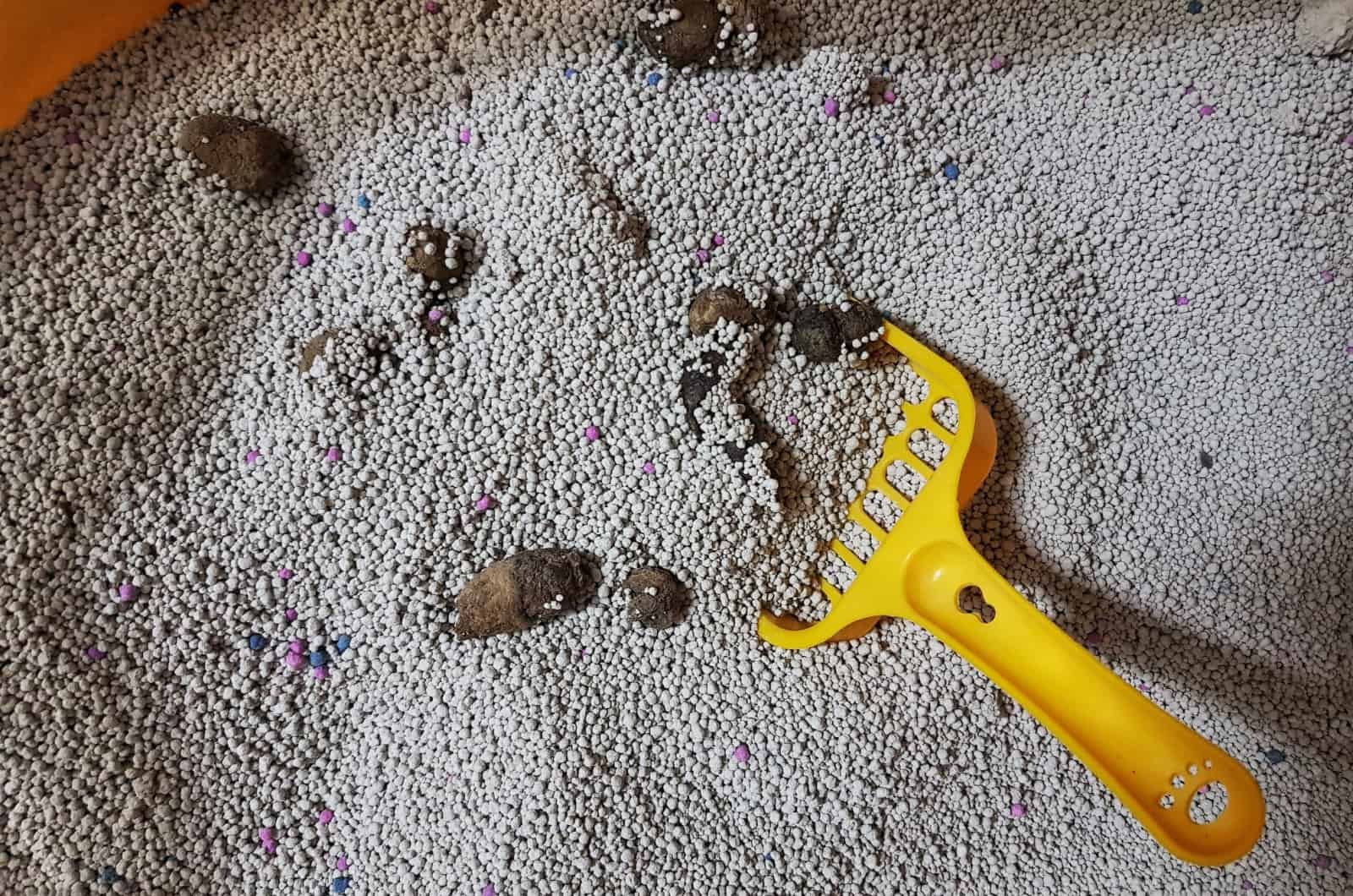
Healthy cat poop is usually brown, holds its shape, and is easy to scoop. It should feel firm but slightly soft, like modeling clay. Some odor is normal. Pay attention if it suddenly smells much stronger than usual, especially if the stool also changes color or becomes loose. www.petmd.com
A few white specks that look like grains of rice may be tapeworm segments. If the whole stool looks white or pale gray, call your vet promptly. Very pale stool can be a sign that too little bile is reaching the intestines. Yellow stool can occur with digestive upset or problems involving the liver or bile flow. www.vet.cornell.edu
Related reading
Why Is My Cat’s Poop Half Firm and Half Soft?
Final Thoughts
If you spot one firm green stool and your cat is eating and acting normally, check the next few litter box visits. Think about any grass they’ve eaten or any recent changes in food, treats, or medication. If the color keeps coming back, your vet can check for causes such as intestinal infections or other digestive problems. www.getpetcheck.com
Call your vet promptly if the green poop comes with repeated watery diarrhea, vomiting, weakness, or a poor appetite. Take a photo if you can, and tell your vet when the change started. Treatment depends on what’s causing the symptoms. www.vet.cornell.edu
Found this helpful? Share it with another cat owner or pin it for later.