Pet Health & Warning Signs: Symptoms Every Owner Should Know


Keeping your pet healthy is one of the most important responsibilities of being a pet owner. Dogs and cats cannot explain when something feels wrong, but changes in their behavior, appetite, and energy levels can provide valuable clues.
Understanding pet health and warning signs helps you recognize potential problems early and know when to seek veterinary care.
Advertisement – Continue Reading Below
1. Changes in Eating Habits
A sudden loss of appetite can be an early sign that your pet is not feeling well.
Dogs and cats may occasionally eat less because of stress or changes in their environment. However, persistent refusal to eat can indicate an underlying health problem.

If your pet stops eating, especially if it is a kitten, puppy, or has an existing medical condition, contact your veterinarian promptly.
2. Unusual Tiredness or Low Energy
Healthy pets usually have recognizable daily activity patterns.
If your normally playful dog suddenly becomes inactive or your energetic cat spends unusually long periods hiding, pay attention.

Unexplained tiredness may be associated with discomfort, dehydration, or illness.
Persistent or severe lethargy requires veterinary attention.
3. Changes in Drinking and Bathroom Habits
Drinking significantly more or less water than usual may indicate a health concern.
Similarly, frequent urination, difficulty urinating, or changes in bathroom habits should not be ignored.

Important: A cat that repeatedly tries to urinate but produces little or no urine needs emergency veterinary care.
Monitoring your pet’s normal habits can help you recognize unusual changes.
4. Vomiting or Digestive Problems
Occasional vomiting can happen, but repeated vomiting or ongoing diarrhea may signal a more serious problem.
Digestive issues can result from dietary changes, food intolerance, infections, or other medical conditions.

Seek veterinary advice if symptoms continue or your pet appears weak, uncomfortable, or unable to keep water down.
5. Unusual Breathing or Coughing
Breathing changes are important warning signs in both dogs and cats.
Persistent coughing, noisy breathing, or unusually rapid breathing at rest may indicate a problem.

Difficulty breathing, open-mouth breathing in cats, or blue or pale gums require immediate emergency veterinary attention.
6. Changes in Skin and Coat
A healthy coat often reflects good grooming and overall well-being.
Excessive scratching, unusual hair loss, irritated skin, or persistent licking may suggest allergies, parasites, or other skin conditions.

Regular grooming helps owners notice these changes early.
Avoid using human medications or skin treatments without veterinary guidance.
7. Common Pet Health Warning Signs
| Warning Sign | Recommended Action |
|---|---|
| Reduced appetite | Monitor and contact a vet promptly if persistent |
| Unusual tiredness | Seek veterinary advice |
| Repeated vomiting | Contact a veterinarian |
| Increased thirst | Arrange a veterinary checkup |
| Excessive scratching | Check for irritation and consult a vet |
| Difficulty breathing | Seek emergency care |
| Unable to urinate | Seek emergency care immediately |
| Sudden collapse | Seek emergency care immediately |
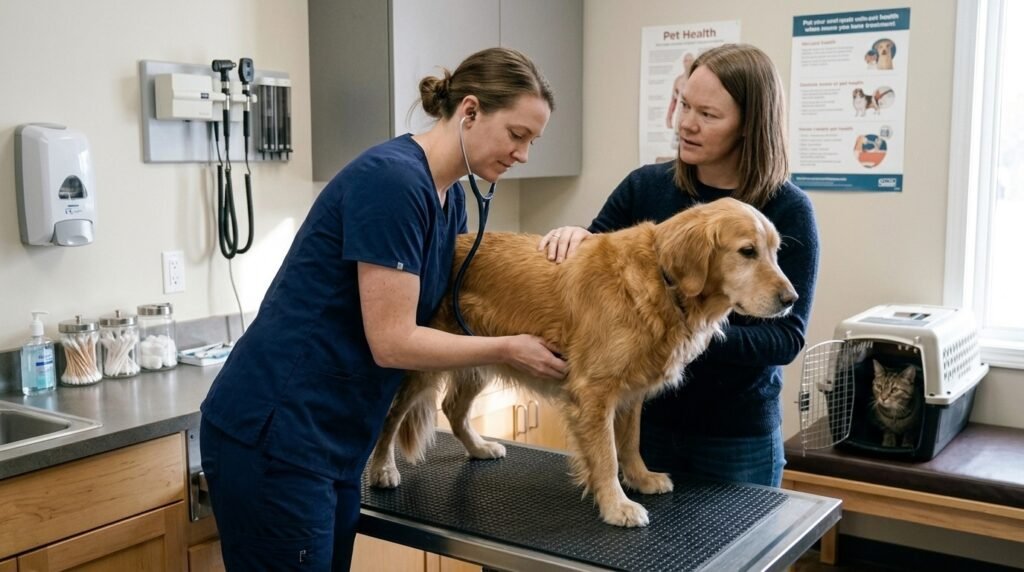
8. How to Keep Your Pet Healthy
Preventive care plays an important role in maintaining your pet’s well-being.
Provide balanced nutrition, clean drinking water, regular exercise, and a comfortable living environment.

Schedule routine veterinary checkups and keep vaccinations and parasite prevention up to date according to your veterinarian’s recommendations.
Dental care, grooming, and mental stimulation also contribute to your pet’s overall health.
Most importantly, learn what is normal for your pet so you can recognize changes quickly.
Frequently Asked Questions
How do I know if my pet is sick?
Common warning signs include appetite changes, unusual tiredness, repeated vomiting, changes in drinking habits, and abnormal behavior.
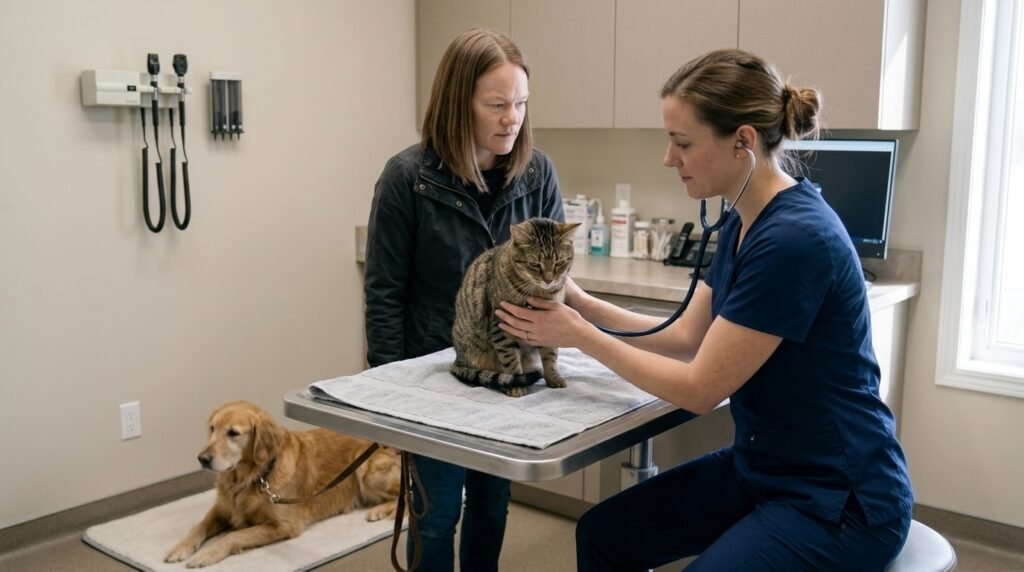
When should I take my pet to the vet?
Contact a veterinarian when symptoms persist, worsen, or cause discomfort. Breathing difficulties, collapse, and inability to urinate require emergency care.
Can pets hide signs of illness?
Yes. Some pets, particularly cats, may show subtle signs of discomfort. Changes in behavior or routine can be important early clues.
Final Thoughts
Understanding pet health and warning signs helps you provide better care for your dog or cat.
Small changes in eating habits, activity levels, breathing, and behavior can sometimes indicate underlying health concerns.
By monitoring your pet regularly and seeking veterinary advice when needed, you can support a healthier, happier life for your companion.