Pet Behavior & Hidden Meanings: What Your Pet Is Telling You

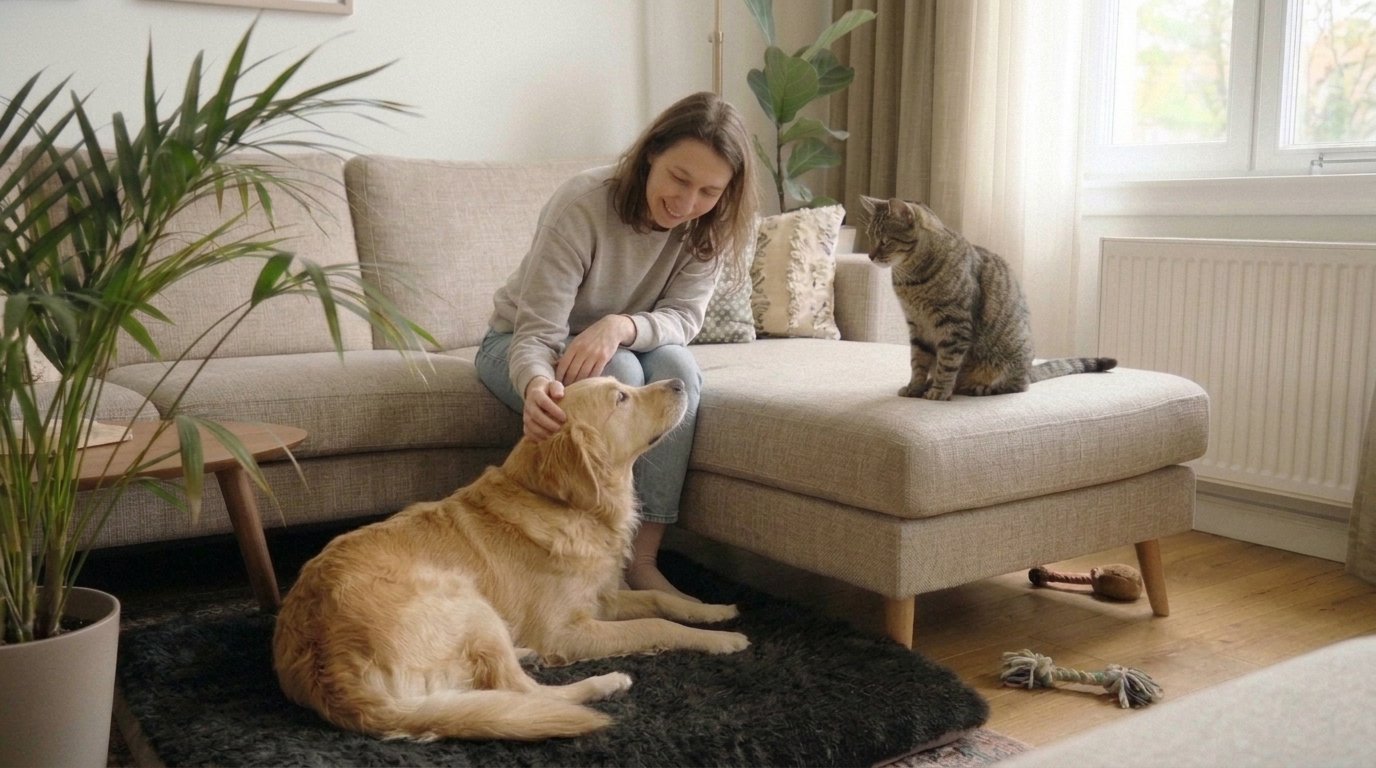
Pets communicate in many ways, even without speaking. From wagging tails to gentle purring, animals use body language, sounds, and daily habits to express their feelings.
Understanding pet behavior and hidden meanings can help you build a stronger bond with your furry friend. Whether you own a dog or a cat, recognizing these signals makes pet care easier and more enjoyable.
Advertisement – Continue Reading Below
1. Why Do Dogs Wag Their Tails?
Many people believe that a wagging tail always means a happy dog. However, tail movements can express different emotions.

A relaxed, gently wagging tail often indicates excitement or friendliness. A stiff, rapidly moving tail may suggest tension or alertness.
Always observe your dog’s entire body language to understand its mood.
2. What Does It Mean When Cats Purr?
Cats commonly purr when they feel comfortable and relaxed. You may notice your cat purring while resting, receiving affection, or sitting beside you.
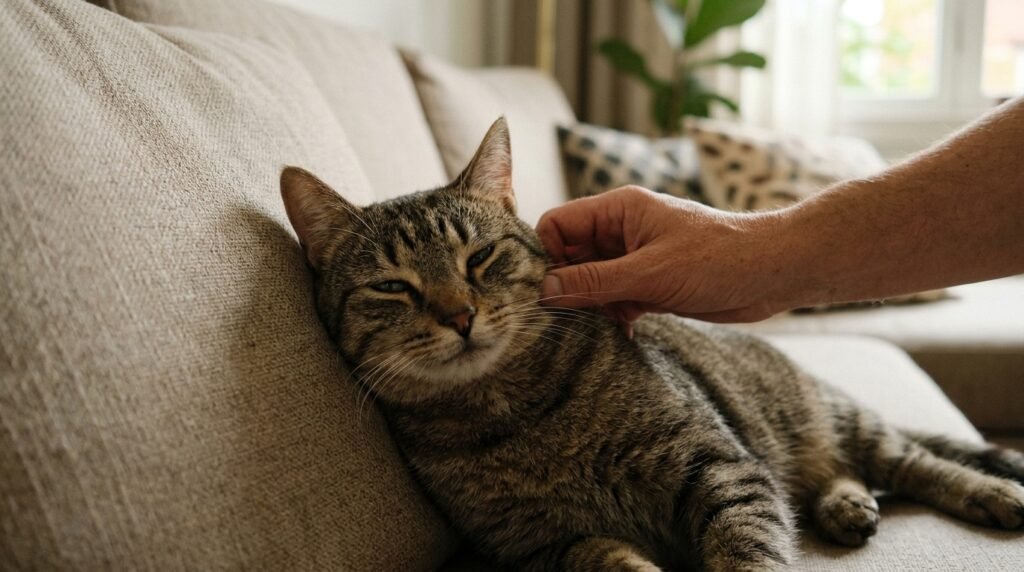
However, cats sometimes purr when they feel stressed or uncomfortable.
Pay attention to your cat’s posture, appetite, and surroundings to better understand its behavior.
3. Why Does Your Pet Follow You Everywhere?
Does your dog or cat follow you from room to room?
This behavior often shows affection, curiosity, or a desire for attention. Pets may also follow their owners because they associate them with food, playtime, and comfort.
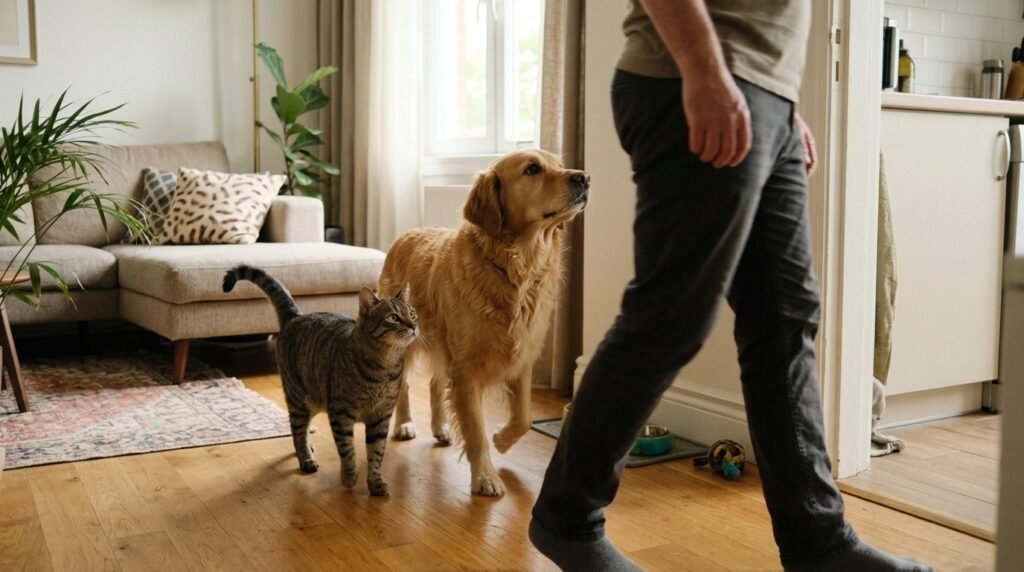
For many pets, staying close to their favorite person provides a sense of security.
4. Why Do Dogs Tilt Their Heads?
Dogs sometimes tilt their heads when hearing unfamiliar sounds or listening to their owners.

This adorable behavior may help them focus on sounds or observe facial expressions.
Some dogs also learn that tilting their heads attracts positive attention from their owners.
5. Why Do Cats Knead Soft Surfaces?
Have you noticed your cat gently pressing its paws against a blanket or your lap?

This behavior is called kneading. It begins during kittenhood when kittens press against their mother’s belly while nursing.
Adult cats often continue kneading when they feel relaxed and comfortable.
6. Why Do Pets Sleep Near Their Owners?
Dogs and cats often choose sleeping spots close to people they trust.

Sleeping nearby may indicate comfort, familiarity, and a strong emotional connection.
However, some pets prefer sleeping alone, which is also normal and does not mean they dislike their owners.
7. Understanding Common Pet Body Language
| Pet Behavior | Possible Meaning |
|---|---|
| Relaxed tail wagging | Friendliness or excitement |
| Cat purring | Comfort or self-soothing |
| Following owner | Affection, curiosity, or attention |
| Dog head tilting | Listening or focusing |
| Cat slow blinking | Relaxation and trust |
| Hiding frequently | Stress, fear, or discomfort |
| Showing relaxed belly | Feeling safe or comfortable |
Remember that animal behavior depends on the situation and the individual pet.

8. How to Understand Your Pet Better
Learning your pet’s behavior takes time and patience.
Observe its daily habits, body language, and reactions to different situations. Provide regular playtime, a comfortable environment, and positive interactions.
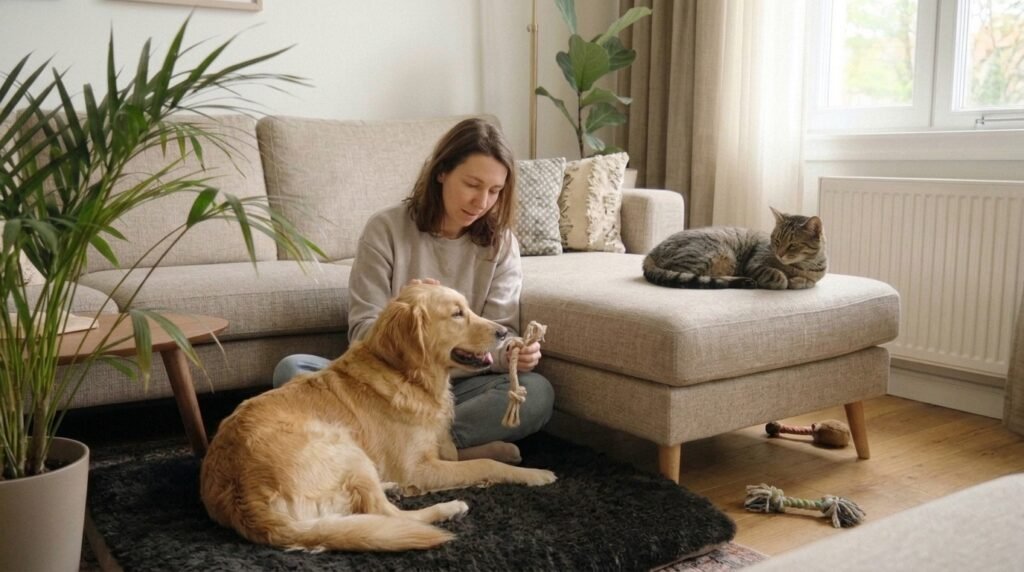
Avoid forcing affection when your pet wants space.
If you notice sudden changes in behavior, appetite, or activity, consult a veterinarian to rule out possible health problems.
Frequently Asked Questions
How do pets show affection?
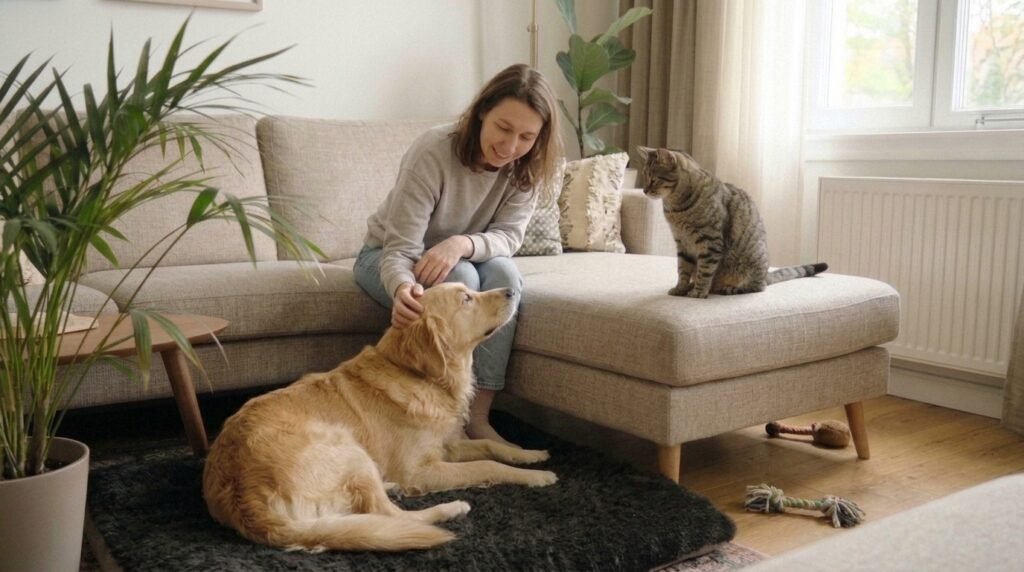
Pets may show affection by staying close, seeking gentle contact, playing, or relaxing beside their owners.
Why does my cat stare at me?
Cats may stare because they are curious, want attention, or expect food. Their body language provides additional clues.
Can pets understand human emotions?
Dogs and cats can recognize certain human cues, including voice tone, facial expressions, and familiar routines.
Final Thoughts
Understanding pet behavior and hidden meanings helps pet owners recognize their animals’ needs and emotions.
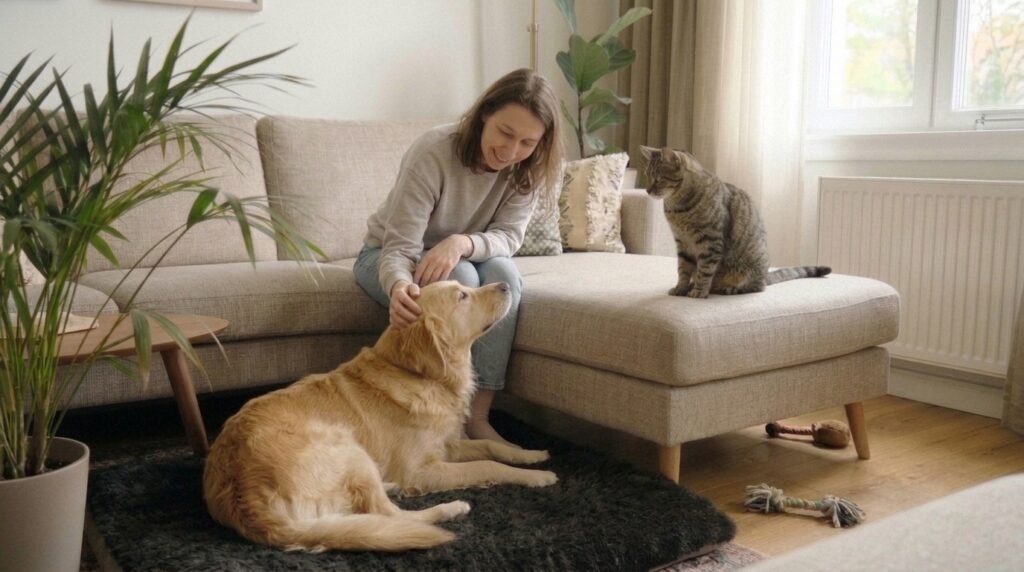
Small actions such as tail movements, purring, following, and sleeping nearby can reveal useful information about how pets feel.
By observing your pet carefully and responding with patience and kindness, you can create a happier, healthier, and more trusting relationship.