What Happens When Pets Enter a Shelter?

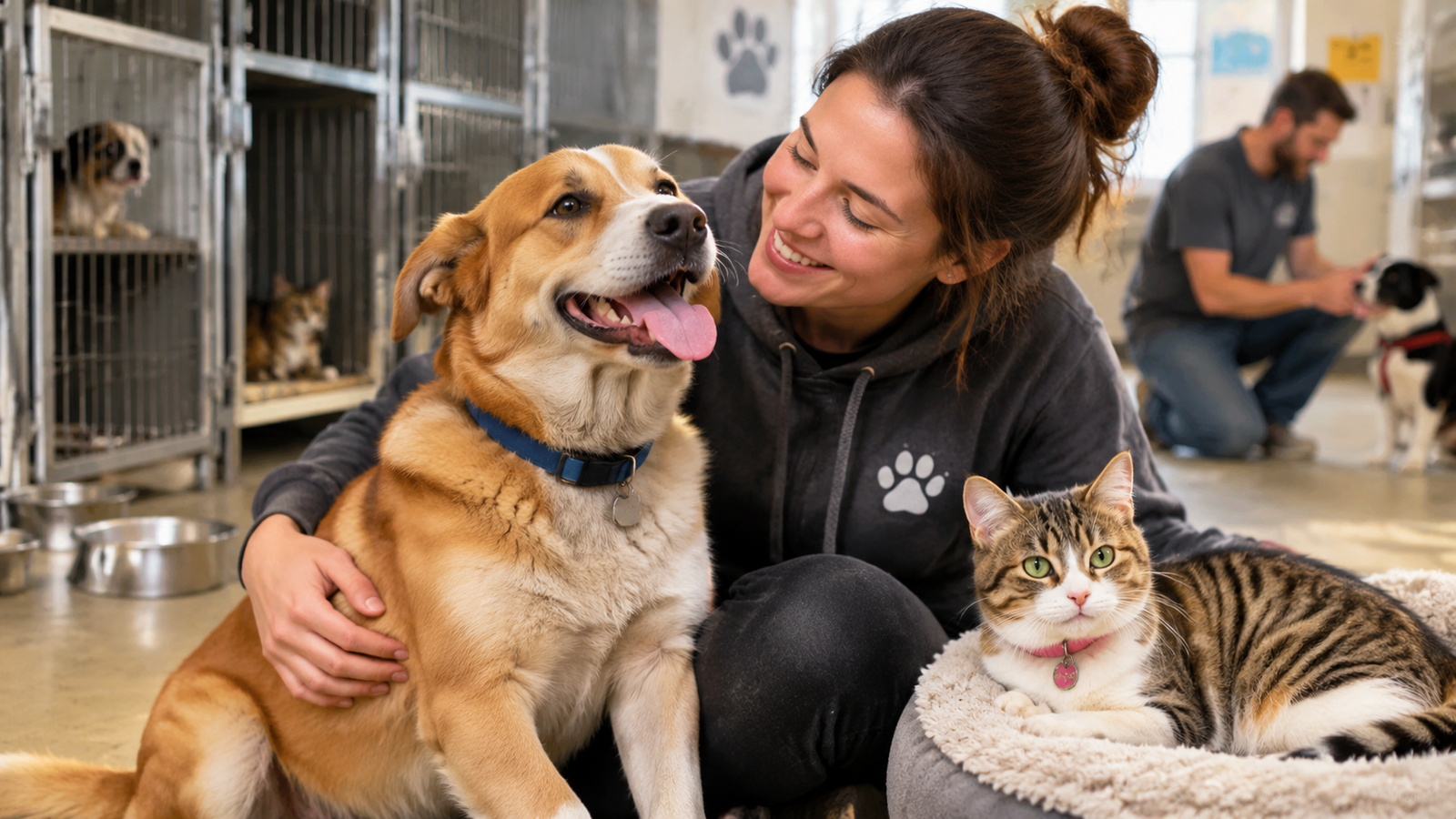
When a dog or cat enters an animal shelter, it begins a new journey toward safety, care, and hopefully a loving forever home. Many animals arrive frightened, hungry, or confused, especially if they have been abandoned or living on the streets.
Animal shelter workers follow several important steps to make sure each pet receives the attention and care it needs.
Advertisement – Continue Reading Below
1. Initial Check-In and Health Examination
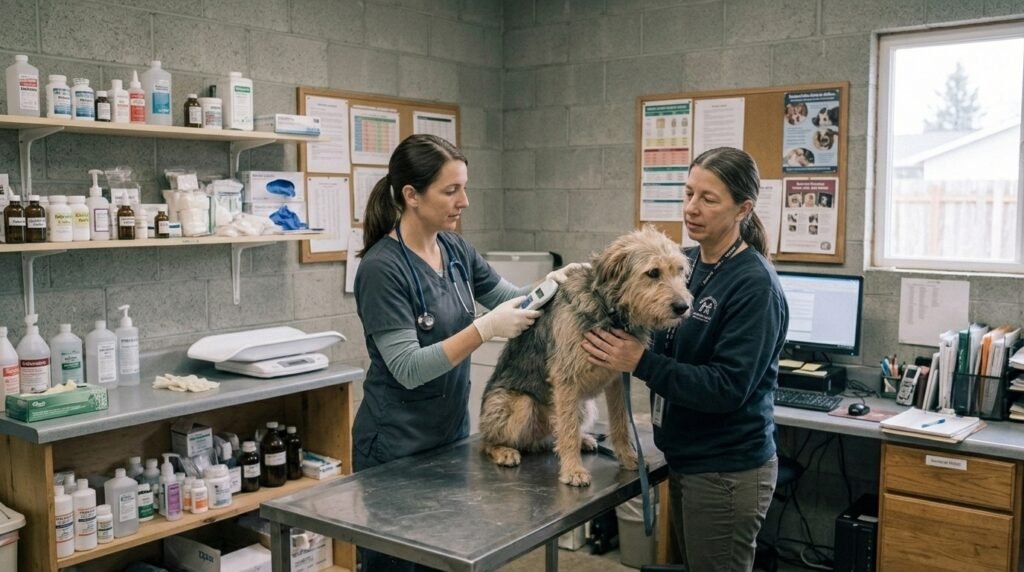
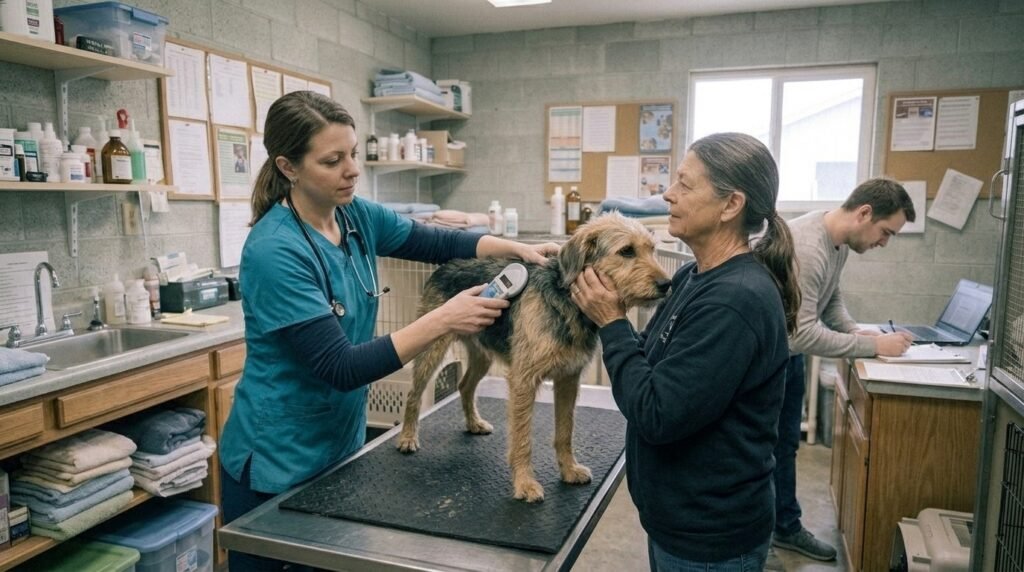
The first step is checking the animal’s overall condition. Shelter staff look for identification tags or microchips to see if the pet has a family looking for it.
A veterinarian or trained staff member may examine the animal for injuries, illnesses, fleas, and other health concerns. Any urgent medical problems are addressed as soon as possible.
2. Providing Food, Water, and a Safe Place
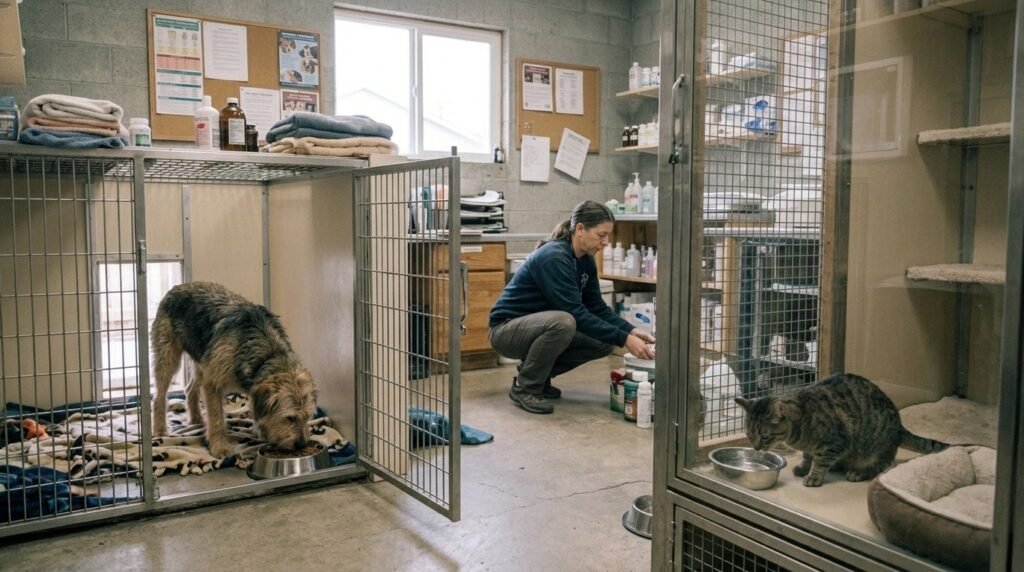
After the initial check, dogs and cats receive fresh water, nutritious food, and a comfortable place to rest.
Dogs are usually placed in clean kennels, while cats may stay in separate enclosures or quiet rooms. Keeping their living areas clean helps protect them from infections and makes them feel more comfortable.
3. Vaccinations and Medical Care
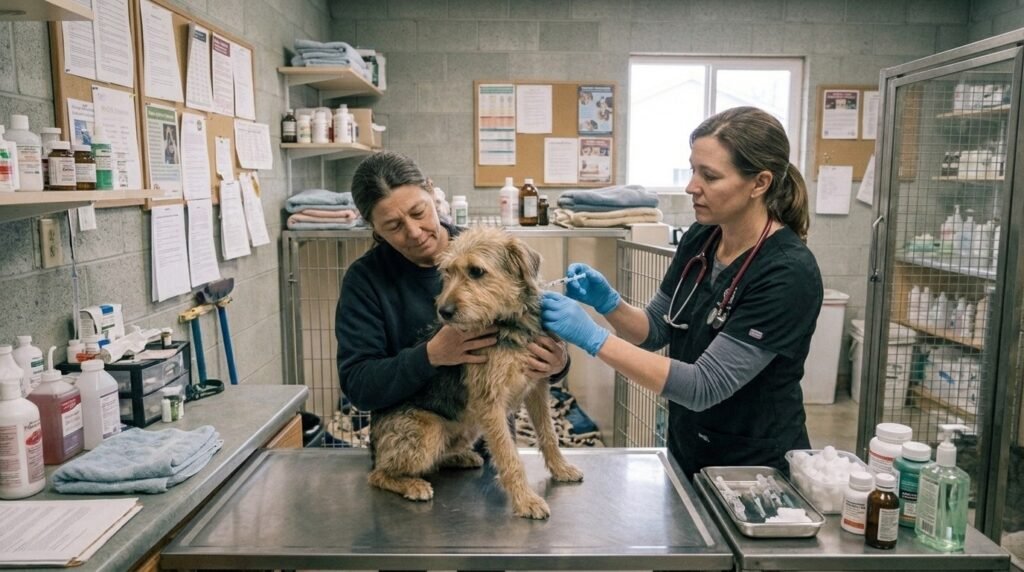
New shelter animals may need vaccinations, parasite treatments, and other veterinary services.
If a dog or cat is sick or injured, shelter staff arrange appropriate medical treatment. Spaying or neutering may also be included in the animal’s care before adoption.
4. Getting Comfortable Around People
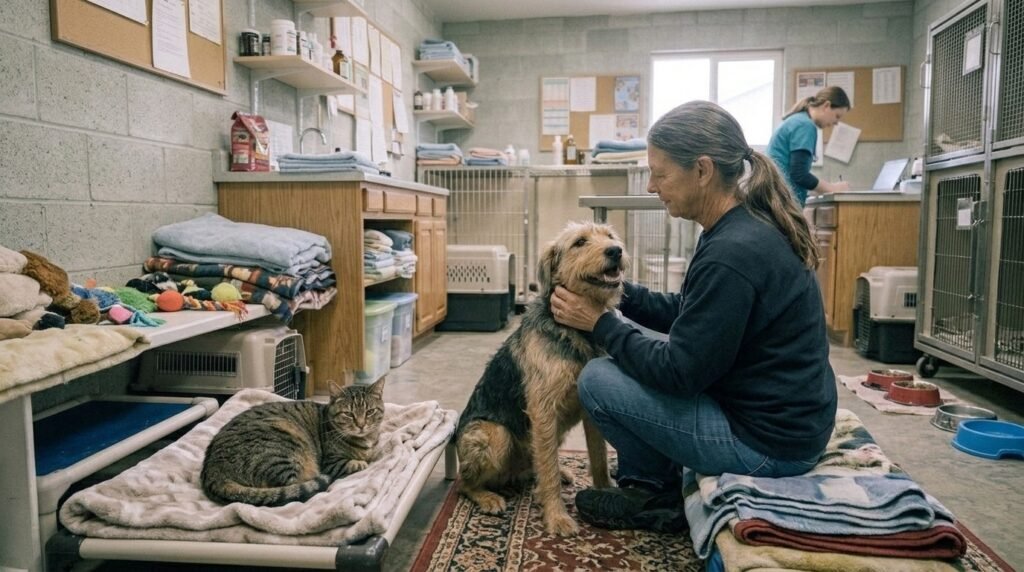
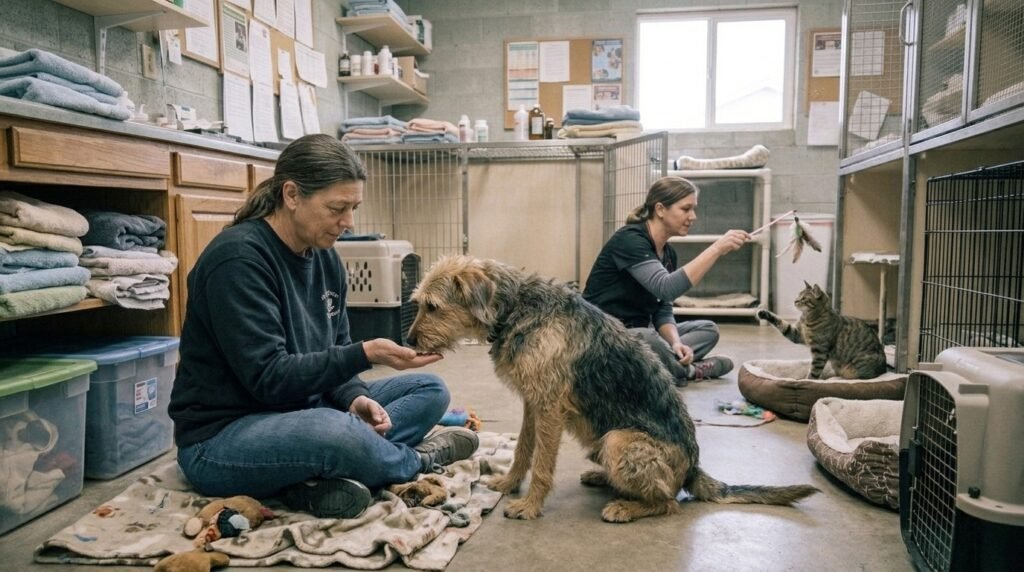
Some animals need time to adjust to their new surroundings. Shelter workers and volunteers help by speaking gently, offering treats, playing with toys, and giving pets attention.
Dogs may enjoy supervised walks, while cats can explore toys and comfortable hiding spaces. These activities help animals build trust and feel less afraid.
5. Finding a Loving Forever Home
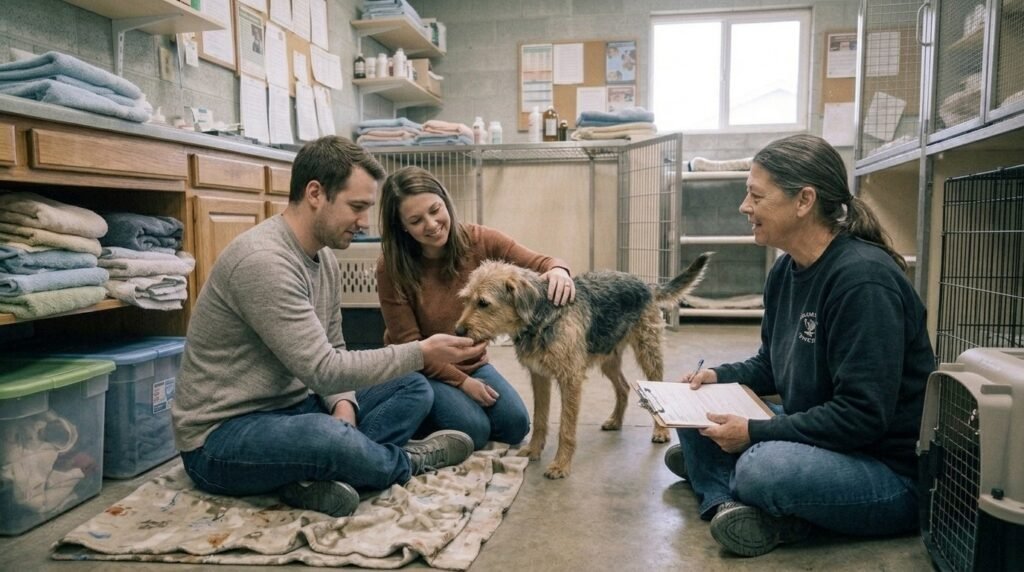
Once a pet is healthy and ready for adoption, the shelter shares its photographs and information with potential families.
Interested adopters may meet the animal and discuss its personality, needs, and medical history with shelter staff.
The goal is to find a responsible family that can provide lifelong care, attention, and affection.
Frequently Asked Questions
Do shelters check for microchips?
Yes. Many shelters scan incoming pets for microchips to help identify their owners.
Are shelter animals vaccinated?
Shelters commonly provide necessary vaccinations, although the exact services depend on their resources and local policies.
Can I adopt a pet immediately after it arrives?
Not always. Some shelters require health checks, identification procedures, and a holding period before making an animal available for adoption.
Final Thoughts
When a dog or cat enters a shelter, it receives an opportunity for a safer and healthier life. From medical examinations and nutritious meals to gentle attention and adoption support, every step helps prepare the animal for a brighter future.
By adopting, fostering, or supporting local shelters, we can help more homeless pets find the loving homes they deserve.