How Do Animal Shelters Take Care of Homeless Pets?

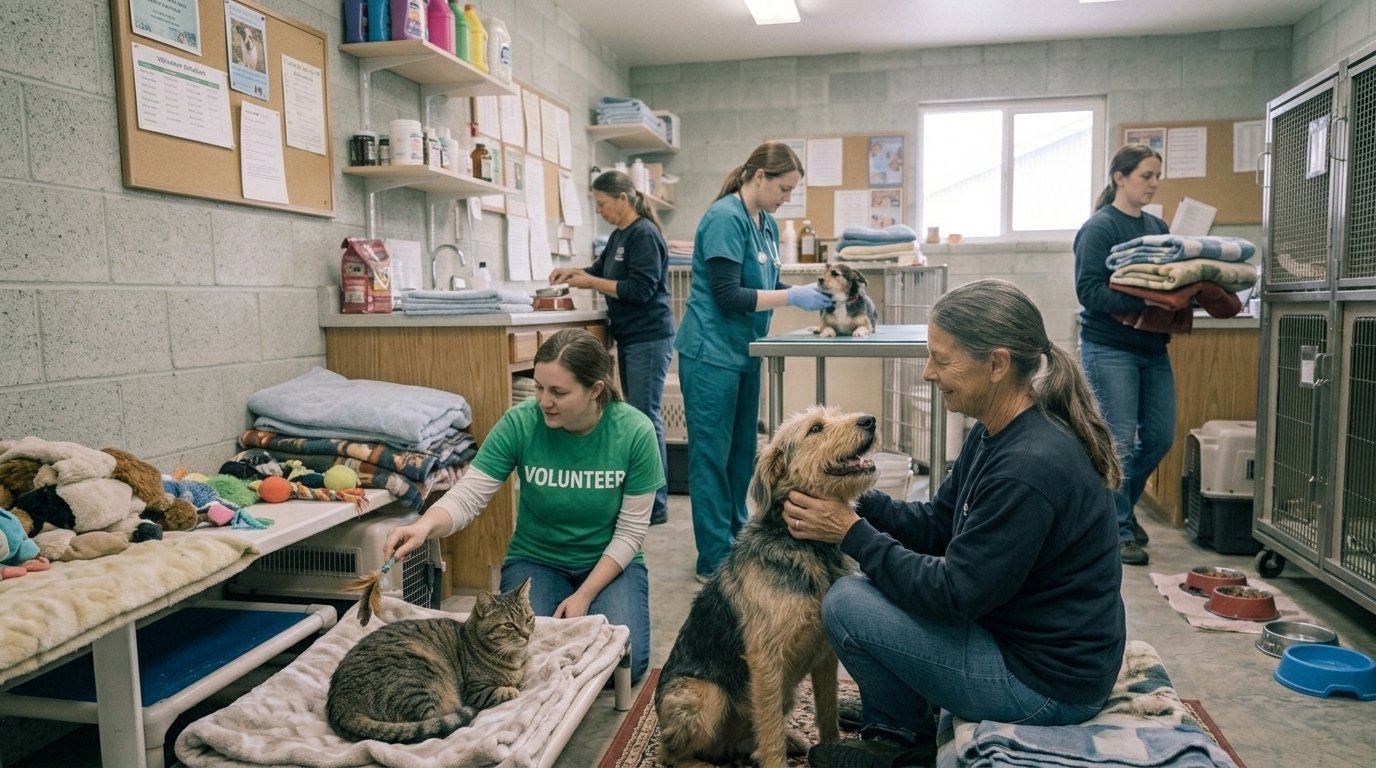
Animal shelters play an important role in protecting homeless pets and giving them a second chance at life. Every day, dogs, cats, puppies, and kittens find themselves without a safe place to live. Some are abandoned by their owners, while others become lost or are born on the streets.
Without proper care, these animals may struggle to find enough food, clean water, medical attention, and protection from harsh weather.
Advertisement – Continue Reading Below
This is where animal shelters make a difference. They provide homeless pets with a safe environment, nutritious meals, veterinary care, exercise, and affection. They also work hard to find responsible families who can offer these animals permanent, loving homes.
But how exactly do animal shelters care for homeless pets? Let’s take a closer look at the important ways shelters help animals feel safe, healthy, and loved.
1. Providing Nutritious Food and Fresh Water
One of the first things animal shelters do when homeless pets arrive is make sure they have enough food and clean drinking water.
Many stray animals have spent days or even weeks searching for something to eat. Some may be weak, underweight, or dehydrated when they are rescued.
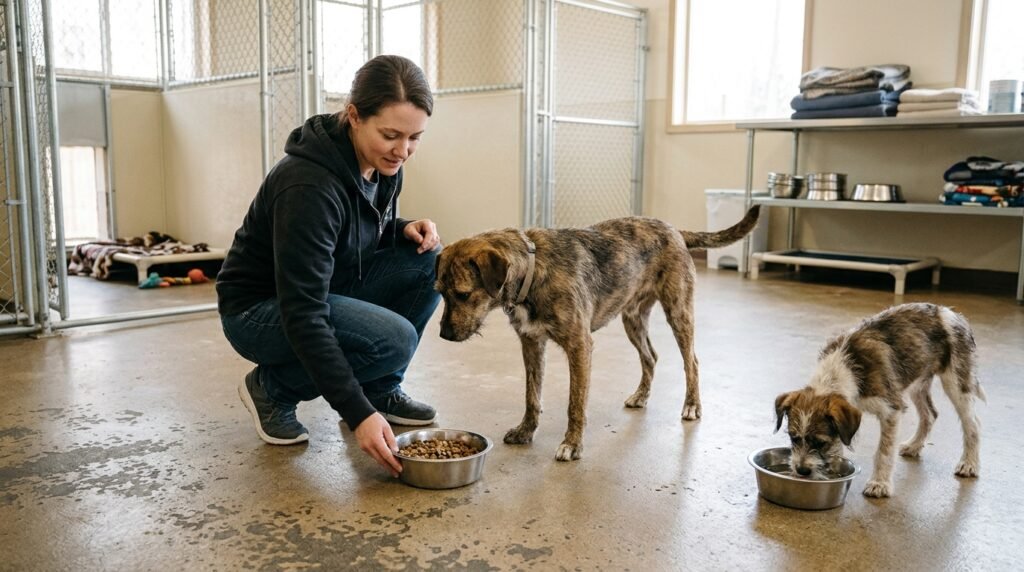
Shelter workers provide balanced meals based on each animal’s age, size, and nutritional needs. Puppies and kittens often need special food to support their growth, while older pets may require diets that are easier to digest.
Fresh water is also available throughout the day. Food and water bowls are cleaned regularly to prevent contamination and keep animals healthy.
Proper nutrition helps rescued pets regain their strength, maintain a healthy weight, and recover from difficult living conditions.
2. Providing a Safe and Comfortable Shelter
Homeless pets need more than food to survive. They also need a clean, comfortable place where they can rest without worrying about traffic, bad weather, or other dangers.
Animal shelters provide designated living spaces for dogs and cats. These areas usually include comfortable bedding, clean floors, proper ventilation, and protection from extreme temperatures.
Dogs may stay in individual kennels or shared spaces when appropriate. Cats are often kept in separate rooms or enclosures where they can move around, hide, and relax.
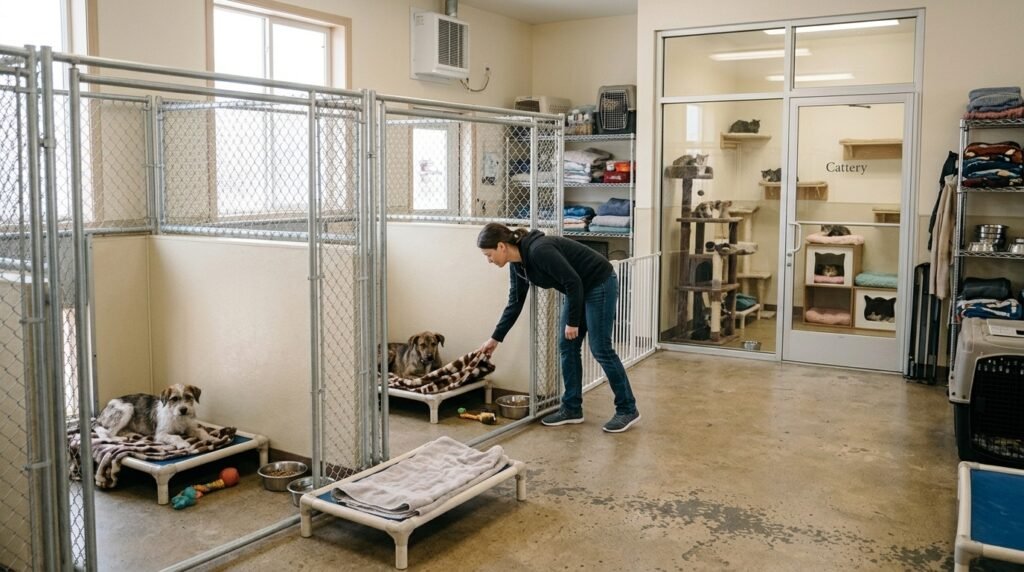
Keeping different animals separated when necessary also helps reduce stress and prevent the spread of contagious diseases.
Shelter staff regularly clean sleeping areas, replace dirty bedding, and disinfect surfaces. These simple but important tasks help create a healthier environment for every animal.
3. Providing Veterinary Care and Medical Treatment
Many homeless pets arrive at animal shelters with health problems. They may have untreated wounds, skin infections, fleas, ticks, intestinal parasites, or illnesses that need immediate attention.
Veterinary care is one of the most important parts of animal shelter services.
When a new animal arrives, shelter staff typically arrange a health assessment. A veterinarian checks the animal’s overall condition, looks for signs of illness, and recommends any necessary treatment.
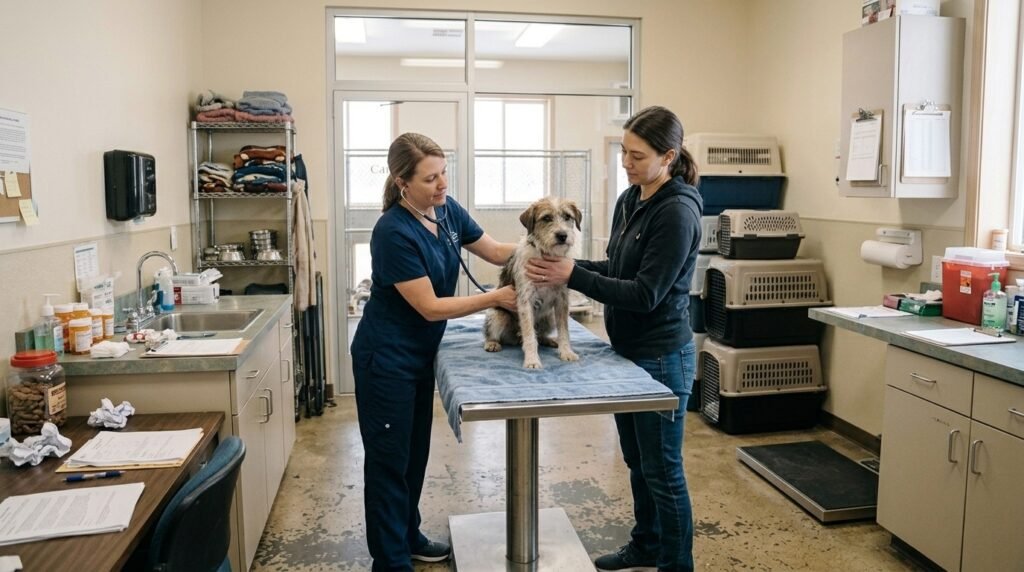
Medical care may include:
- Vaccinations: Protecting animals against common infectious diseases.
- Treatment: Caring for wounds, infections, and other medical problems.
- Parasite prevention: Treating fleas, ticks, and intestinal worms.
- Spaying and neutering: Helping prevent unwanted litters.
- Health monitoring: Checking animals regularly to identify problems early.
Some animals need ongoing treatment or special diets before they are ready for adoption.
With proper medical attention, many rescued pets can recover and enjoy healthier, happier lives.
4. Giving Pets Love, Attention, and Socialization
Physical care is important, but homeless pets also need emotional support.
Some animals arrive at shelters feeling frightened because they have experienced neglect, abandonment, or difficult situations. They may be shy around strangers or uncomfortable in unfamiliar surroundings.
Shelter workers and volunteers help these animals adjust by spending time with them and treating them gently.
They may play with puppies, brush cats, take dogs for walks, or simply sit quietly beside nervous animals until they feel more comfortable.
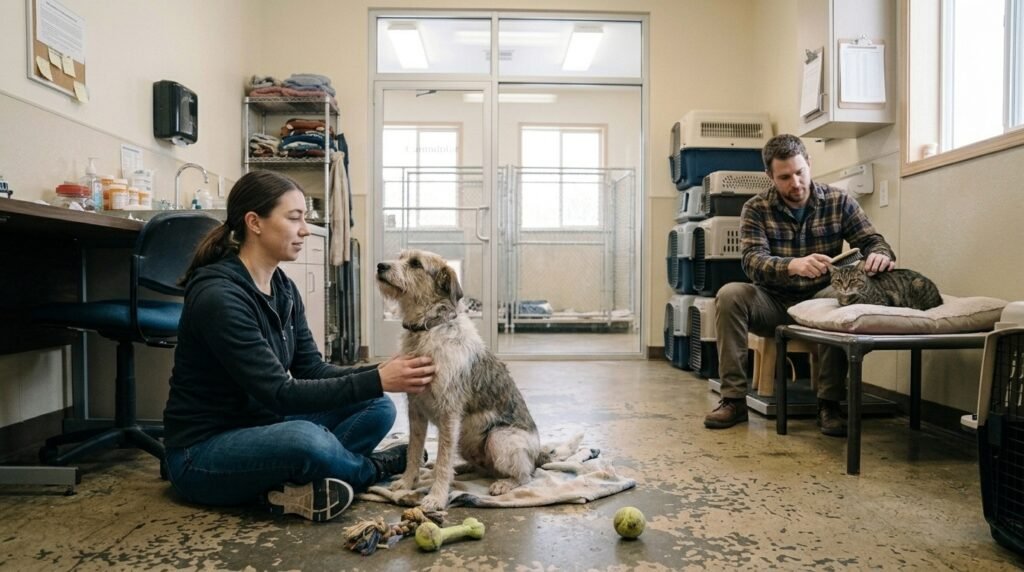
Socialization also helps pets become familiar with people, everyday sounds, and other animals when appropriate.
These positive experiences can make a big difference in an animal’s confidence and behavior. A friendly, comfortable pet may also have an easier time adjusting to a new family.
5. Providing Exercise and Fun Activities
Just like people, pets need physical activity to stay healthy and happy.
Animal shelters try to provide opportunities for exercise and play, depending on their available space, staffing, and resources.
Dogs may enjoy supervised walks, outdoor playtime, and interactive toys. These activities help them burn energy, maintain a healthy weight, and reduce boredom.
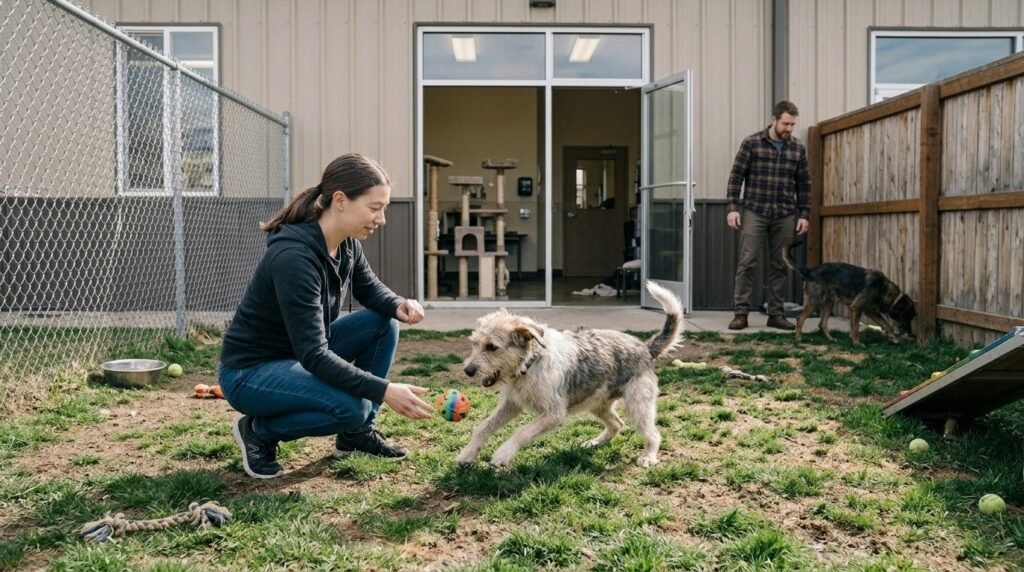
Cats benefit from scratching posts, climbing structures, soft toys, and opportunities to explore their surroundings.
Playtime is not just entertainment. It provides mental stimulation and helps animals develop healthy habits.
Even a little extra attention and activity can improve the daily lives of homeless pets.
6. Helping Homeless Pets Find Forever Homes
One of the main goals of most animal shelters is to find permanent, loving homes for the animals in their care.
Shelters often create adoption profiles that include photographs, ages, personalities, medical information, and other important details about each pet.
They may share these profiles on their websites, social media pages, and community adoption boards.
When someone is interested in adopting, shelter staff usually discuss the person’s lifestyle, living arrangements, experience with pets, and ability to provide proper care.
Some shelters also arrange meet-and-greet sessions so families can spend time with an animal before making a decision.
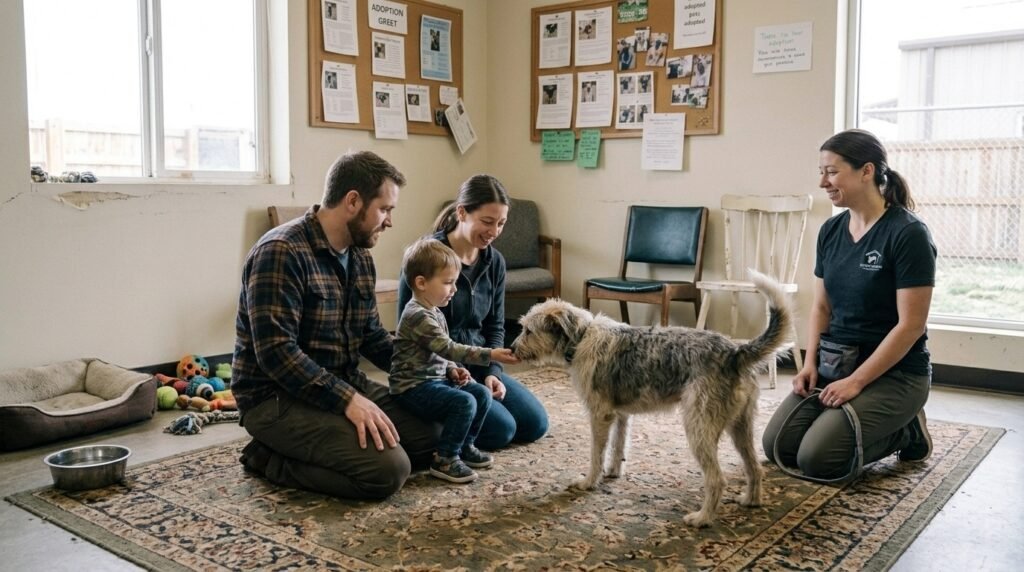
The adoption process helps match pets with families who can meet their individual needs.
A successful adoption gives a homeless animal something every pet deserves: a safe home, regular care, and people who love them.
7. Working With Foster Families and Rescue Organizations
Not every homeless pet can stay in a shelter permanently. Sometimes shelters become crowded, or an animal needs extra attention that is difficult to provide in a busy environment.
To help, many shelters work with foster families and animal rescue organizations.
Foster families temporarily care for pets in their own homes. This can be especially helpful for young puppies, kittens, injured animals, and pets that feel stressed in a shelter environment.
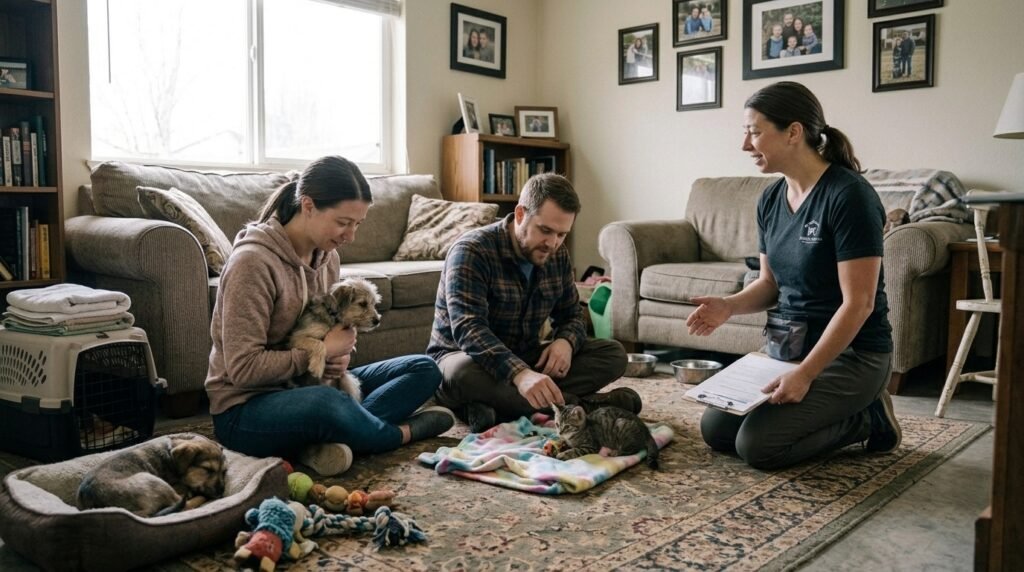
Living in a home also allows foster caregivers to learn more about an animal’s personality, habits, and needs.
Rescue organizations may help by transferring animals to other facilities, arranging medical treatment, or finding suitable adopters.
Working together allows shelters to help more homeless pets and provide better individual care.
8. Encouraging Communities to Help Homeless Pets
Animal shelters cannot do everything alone. They depend on community support, donations, volunteers, and responsible pet owners.
There are many ways ordinary people can help make life better for homeless animals.
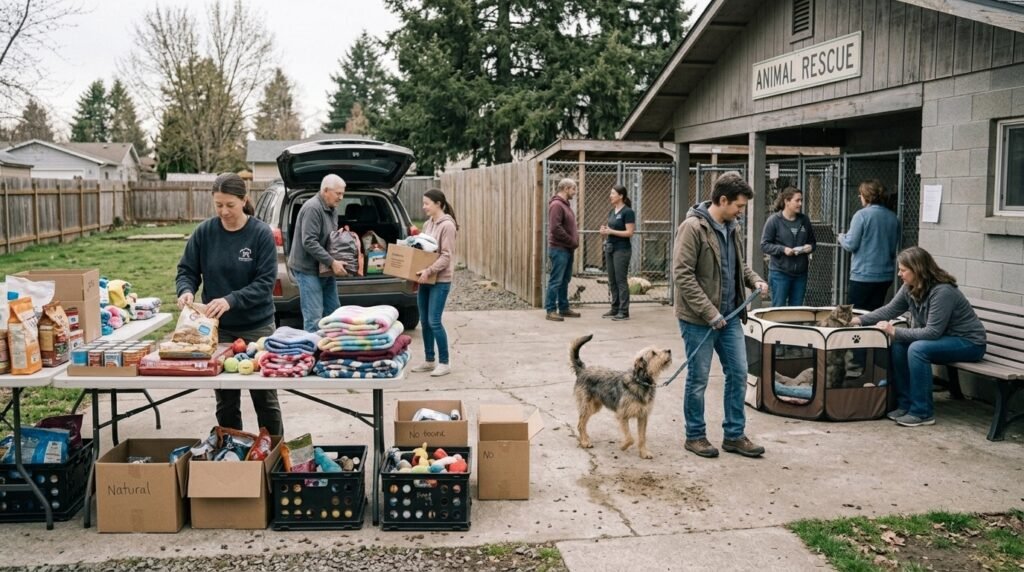
You can support a local shelter by:
- Donating pet food, clean blankets, toys, and other useful supplies.
- Volunteering to walk dogs or spend time with cats.
- Adopting a pet instead of buying one.
- Providing temporary foster care when possible.
- Helping lost pets reunite with their families.
- Sharing adoption information with friends and family.
- Supporting responsible pet ownership and sterilization programs.
Even small contributions can make a meaningful difference, especially for shelters with limited resources.
Frequently Asked Questions About Animal Shelters
What happens when a homeless pet arrives at an animal shelter?
When a homeless pet arrives, shelter staff usually check its condition, look for identification, provide food and water, and arrange a health assessment. The animal is then given an appropriate place to stay while staff work out its medical and care needs.
Do animal shelters provide free medical care?
Many shelters provide basic veterinary services as part of their rescue and adoption programs. However, the services available depend on the shelter’s funding, staff, and resources. Some may also work with outside veterinary clinics for more specialized treatment.
How long do homeless pets stay in animal shelters?
There is no fixed amount of time. Some pets are adopted within days, while others may need weeks or months to find the right family. The length of stay depends on the animal’s health, age, behavior, and local adoption opportunities.
Can I volunteer at an animal shelter?
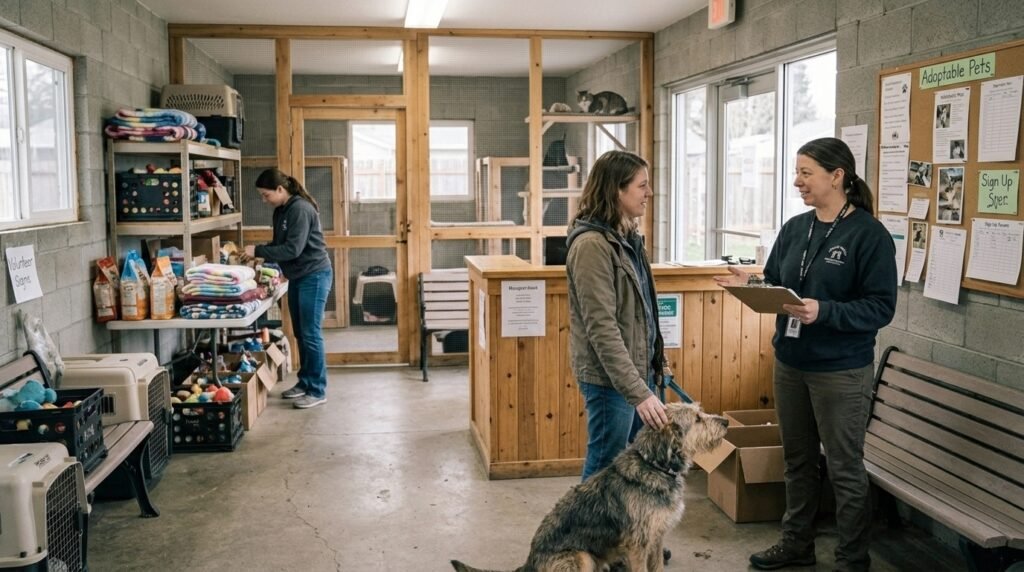
Yes! Many animal shelters welcome volunteers who can help with feeding, cleaning, walking dogs, socializing cats, organizing donations, and supporting adoption events. Contact a local shelter to learn about its volunteer requirements.
Is adopting a shelter pet a good idea?
Absolutely! Adopting a shelter pet gives an animal another chance at a happy life. Many shelter pets are loving, friendly, and ready to become wonderful companions. Before adopting, make sure you understand the time, care, and financial responsibilities involved.
What can I donate to an animal shelter?
Useful donations often include pet food, clean towels, blankets, toys, cleaning supplies, carriers, and financial contributions. It is always a good idea to contact the shelter first to find out which items it currently needs.
Final Thoughts
Animal shelters do much more than provide a temporary place for homeless pets to stay. They offer protection, nutritious food, medical attention, exercise, socialization, and the opportunity to find a loving family.
Behind every rescued animal is a team of shelter workers, veterinarians, and volunteers working to make its life better.
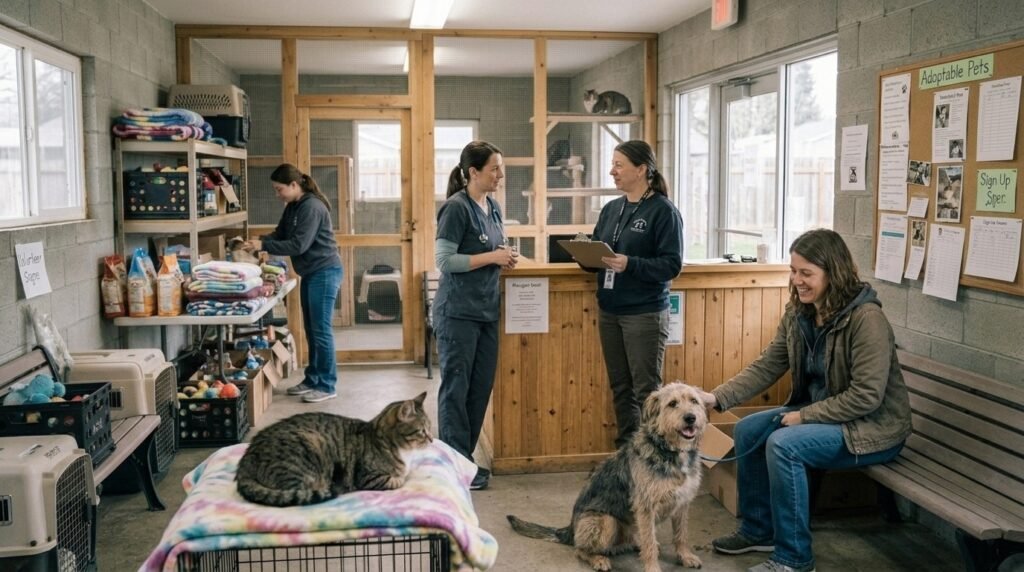
You can also become part of this effort. Whether you adopt a pet, donate supplies, volunteer your time, or help spread the word about animals waiting for homes, your kindness can make a real difference.
Every homeless pet deserves a chance to feel safe, healthy, and loved. Together, we can help make that possible.