How to Deal With Cat Teeth Tartar

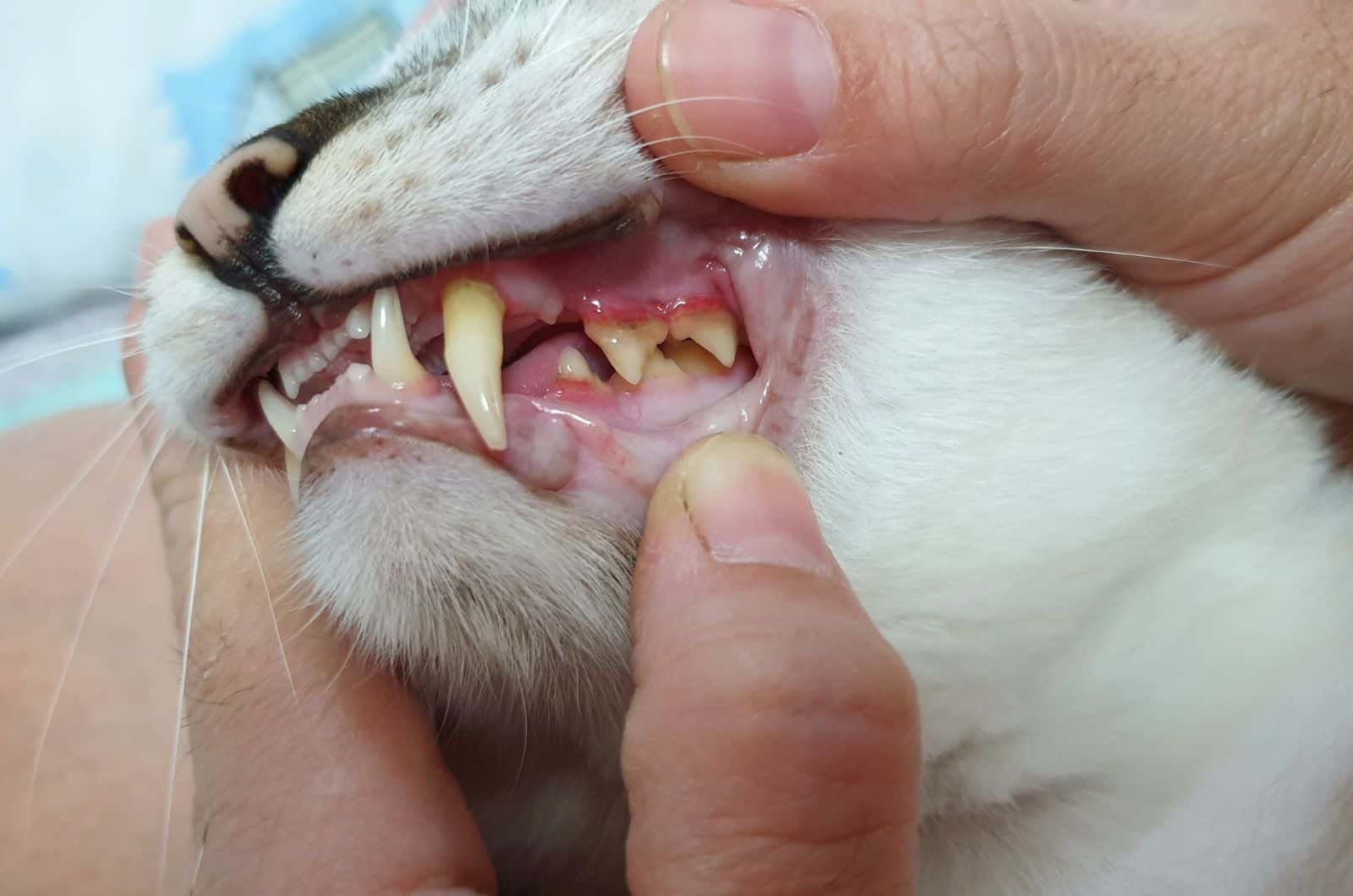
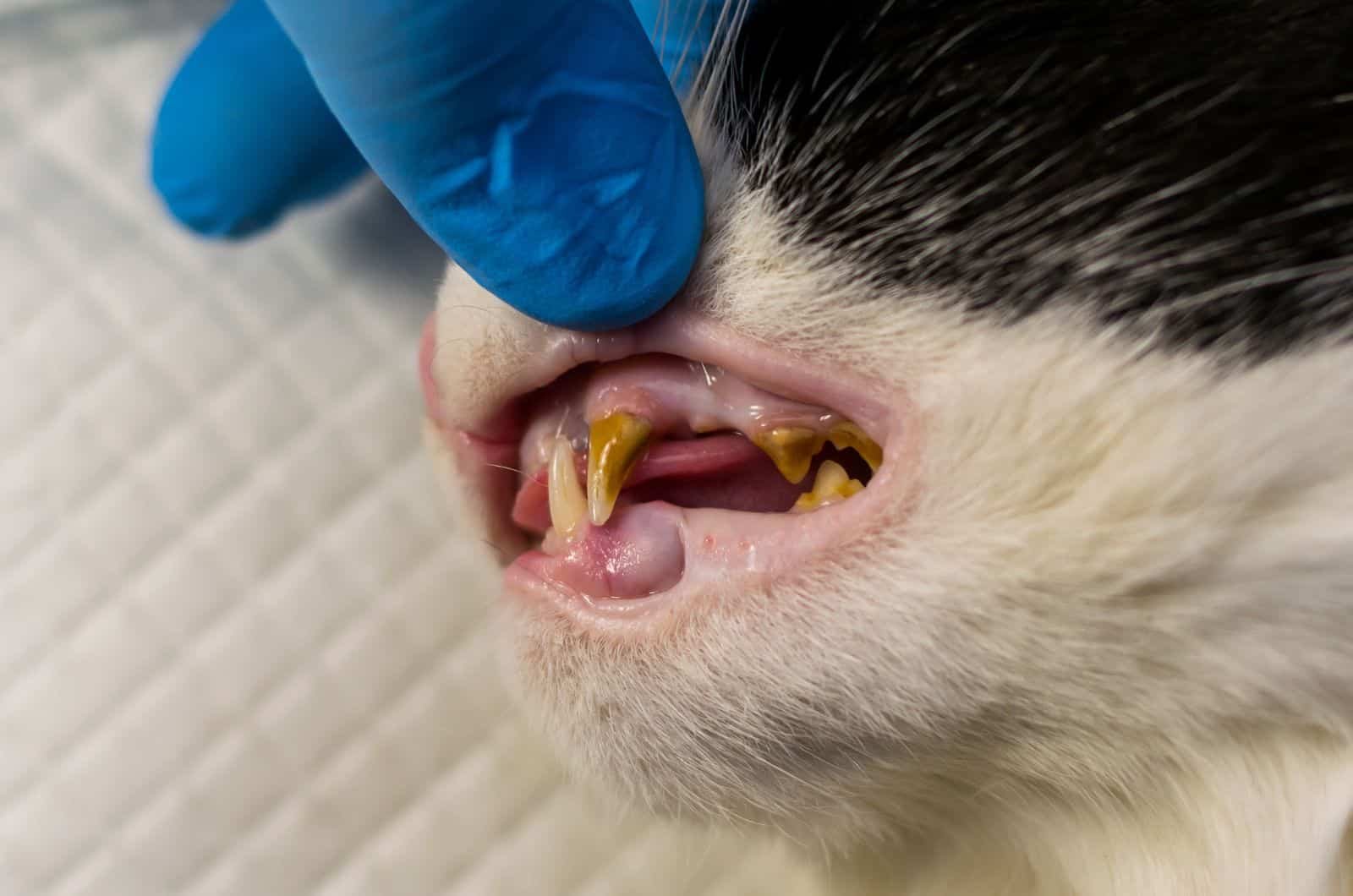
Many cats develop tartar on their teeth over time. Just like people, cats can develop dental problems when tartar builds up. Over time, it can irritate their gums and contribute to gum disease.
Once tartar hardens, it can be difficult to remove at home. A vet can check your cat’s teeth and recommend a cleaning if needed. Regular dental care can help slow future buildup.
Advertisement – Continue Reading Below
Whether you’ve noticed buildup on your cat’s teeth or simply want to keep their mouth healthy, start by learning what tartar is and how to spot it.
Cat Teeth Tartar
Cat Teeth Tartar
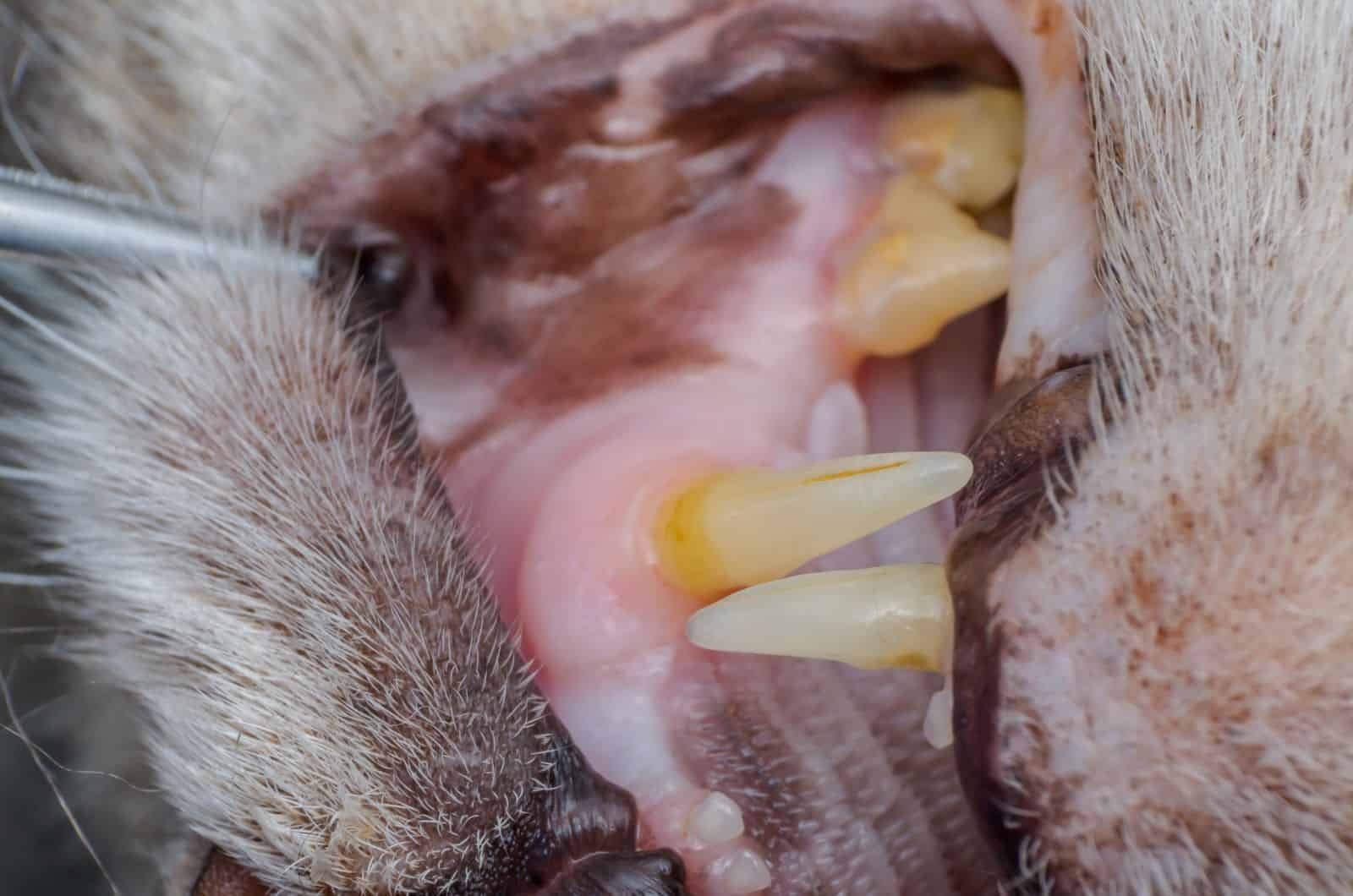
Have you noticed yellow or brown patches near your cat’s gums? Those hard spots may be tartar. It starts as plaque, a sticky layer of bacteria that forms on the teeth. Over time, minerals in your cat’s saliva cause the plaque to harden. Vets call this hardened buildup calculus. Cornell University College of Veterinary Medicine
Plaque can leave your cat with sore gums and bad breath. If gum disease gets worse, your cat may have trouble chewing or begin to lose teeth. In severe cases, a dental infection can also affect the heart or kidneys. American Animal Hospital Association
If you spot a thick layer of tartar, schedule a dental exam. Your vet can check your cat’s mouth and tell you whether a cleaning is needed. During a professional cleaning, the vet uses anesthesia so they can clean each tooth, including the area beneath the gums. American Animal Hospital Association
Dry Cat Food and Dental Treats
Regular kibble does little to protect your cat’s teeth. Some dental foods and treats, however, can help limit plaque or tartar buildup. Look for the Veterinary Oral Health Council (VOHC) seal when choosing a product. If tartar keeps coming back, ask your vet whether a dental diet is a good fit for your cat. Veterinary Oral Health Council
Brushing Your Cat’s Teeth
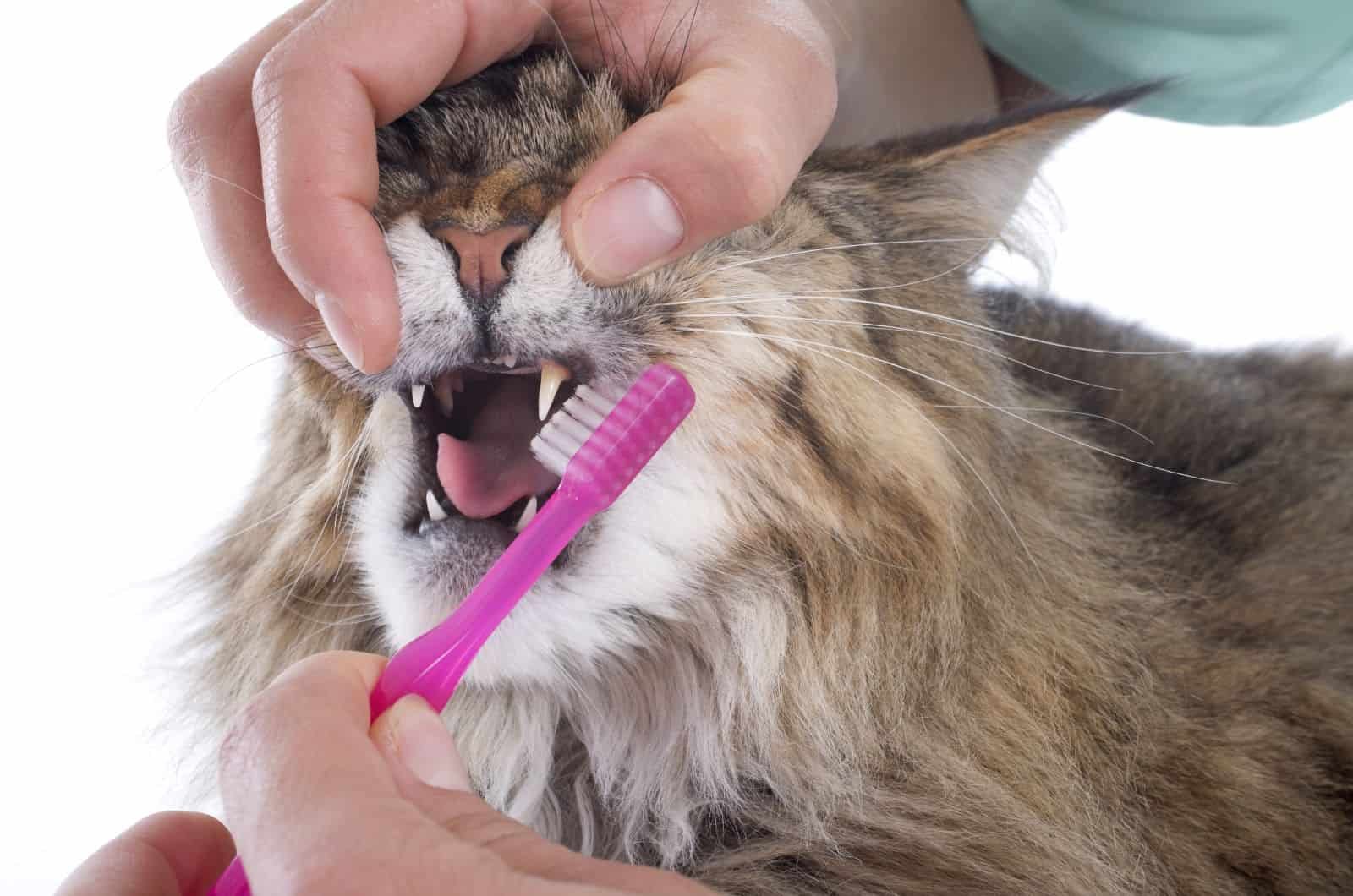
Regular brushing helps clear away soft plaque before it hardens. If your cat is still getting used to having their teeth brushed, keep each session short. Give them a small dental treat afterward so they begin to associate brushing with a reward.
Brushing Your Cat’s Teeth
Daily brushing helps clear away soft plaque before it turns into tartar. Once tartar hardens, a toothbrush can’t remove it. If you see yellow or brown buildup, ask your vet to check your cat’s teeth. AAHA
Start with a soft cat toothbrush and toothpaste made for cats. A meat-flavored paste may make the routine easier. Let your cat taste a small amount first. When they’re comfortable, gently brush the outside of a few teeth. Keep the first sessions short and build up to daily brushing. vet.cornell.edu
Choosing Safe Dental Products
Stick to toothpaste made for cats. Human toothpaste contains ingredients that pets aren’t meant to swallow. If your cat’s gums look red or sore, have your vet check them before you start brushing. Brushing inflamed gums can hurt. AAHA
Some dental gels and sprays may help control plaque or tartar. Check with your vet before trying a product that promises to remove hardened buildup. A dental exam can show whether your cat needs a professional cleaning. AAHA
Professional Dental Cleaning
During a professional cleaning, your cat is under general anesthesia. This lets the vet remove tartar from the teeth and beneath the gumline. The vet then polishes the teeth to smooth the surface, making it harder for new plaque to stick. www.aaha.org
Dental X-rays help the vet spot problems hidden below the gums. If a tooth needs to come out, the vet provides pain relief and takes another X-ray to check that the roots are fully removed. Ask your vet to check your cat’s teeth at their yearly wellness visit. They can tell you when another cleaning is due. AAHA
Other Dental and Gum Diseases
Cats can develop dental problems at any age, though they become more common as cats get older. Plaque can irritate the gums and cause gingivitis. If the disease progresses, it can damage the bone and tissue that hold the teeth in place. Vets call this more advanced stage periodontitis. www.vet.cornell.edu
Watch for these signs of dental trouble. www.vet.cornell.edu
- Pawing at the mouth
- Trouble chewing or signs of pain while eating
- Dropping food while eating
- Drooling more than usual
- Strong or persistent bad breath
Prevention
Daily brushing and regular vet exams are the foundation of good dental care. If your cat won’t let you brush their teeth, ask your vet about dental wipes, rinses, water additives, treats, or a dental diet. Look for the Veterinary Oral Health Council (VOHC) seal when choosing products to help control plaque or tartar. AAHA
Plaque
Plaque
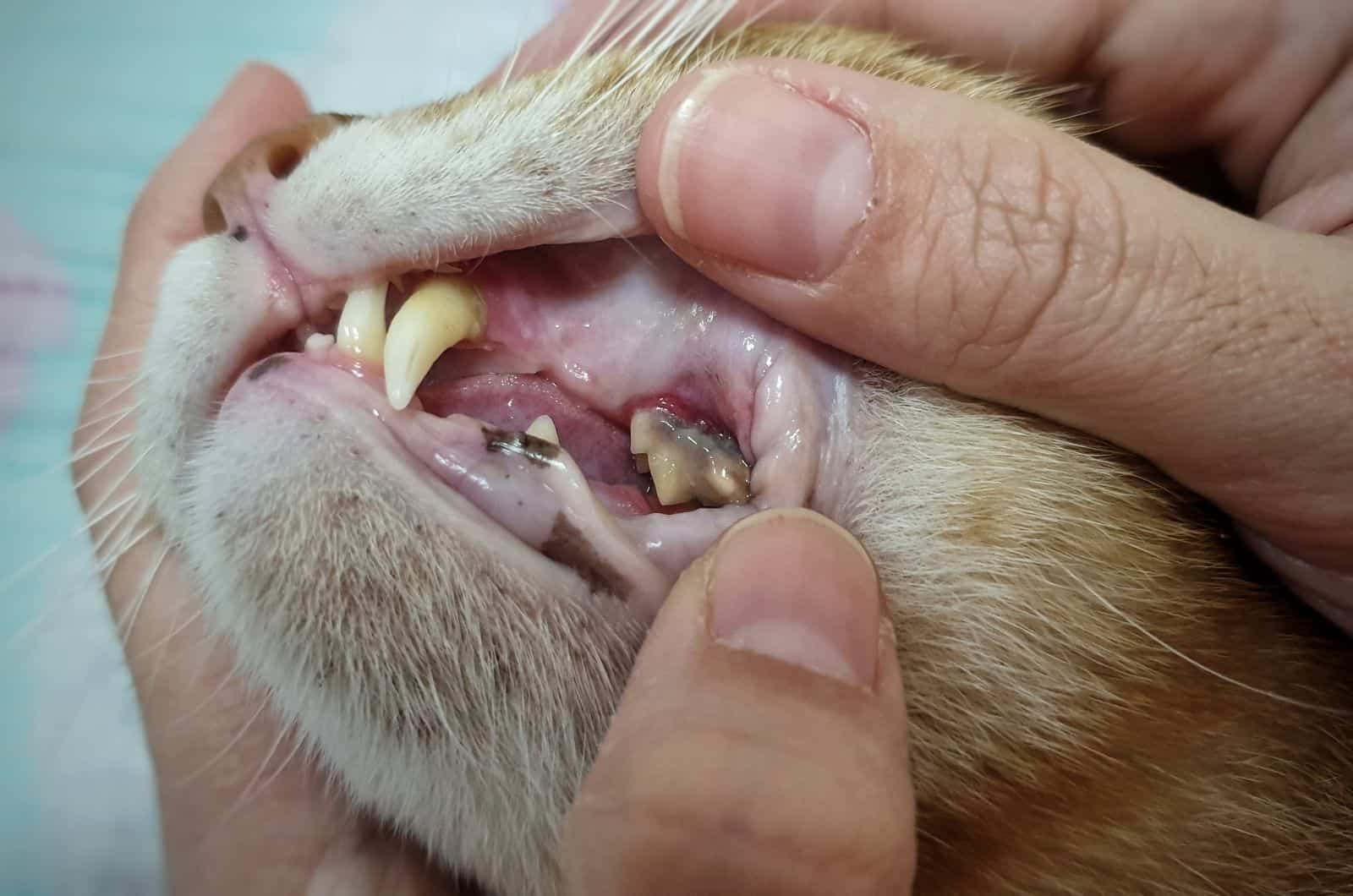
Plaque is a thin layer of bacteria that forms on your cat’s teeth. It’s hard to see at first. A vet can use a special dye to make it easier to spot. As plaque builds up, it may look like a soft white or gray film.
Plaque can irritate the gums and harden into tartar. Daily brushing removes soft plaque before it hardens. Dental treats designed to control plaque can also help limit buildup. vet.cornell.edu
Gingivitis
Gingivitis means the gums are inflamed. It can affect cats of any age. The gums may look red or swollen where they meet the teeth. Some cats show only mild redness, while others have sore gums that bleed easily. vet.cornell.edu
Mild Gingivitis
Early gum inflammation may show up as a thin red line along the gumline. At this stage, the tissues that hold the teeth in place are still intact. Mild gingivitis can often improve with regular plaque removal and a home care routine your vet recommends. vet.cornell.edu
Moderate Gingivitis
As irritation increases, the gums may look redder and more swollen. If the gums start to pull back or deep pockets form around the teeth, the disease may have progressed to periodontitis. Bacteria and debris can collect in these pockets. A vet can examine the gums and check for damage around the teeth. vet.cornell.edu
Severe Gingivitis
Severely inflamed gums can make eating painful. Your cat may drool, paw at their mouth, or have strong bad breath. You might also notice bleeding along the gumline. If your cat shows these signs, book a dental exam and wait for your vet’s advice before brushing. vet.cornell.edu
Your vet may recommend a professional cleaning under general anesthesia. If gum disease has badly damaged the tissues around a tooth, the vet may need to remove it. Once your cat’s mouth has healed, your vet can tell you when to restart brushing to help control plaque. vet.cornell.edu
Stomatitis
Stomatitis
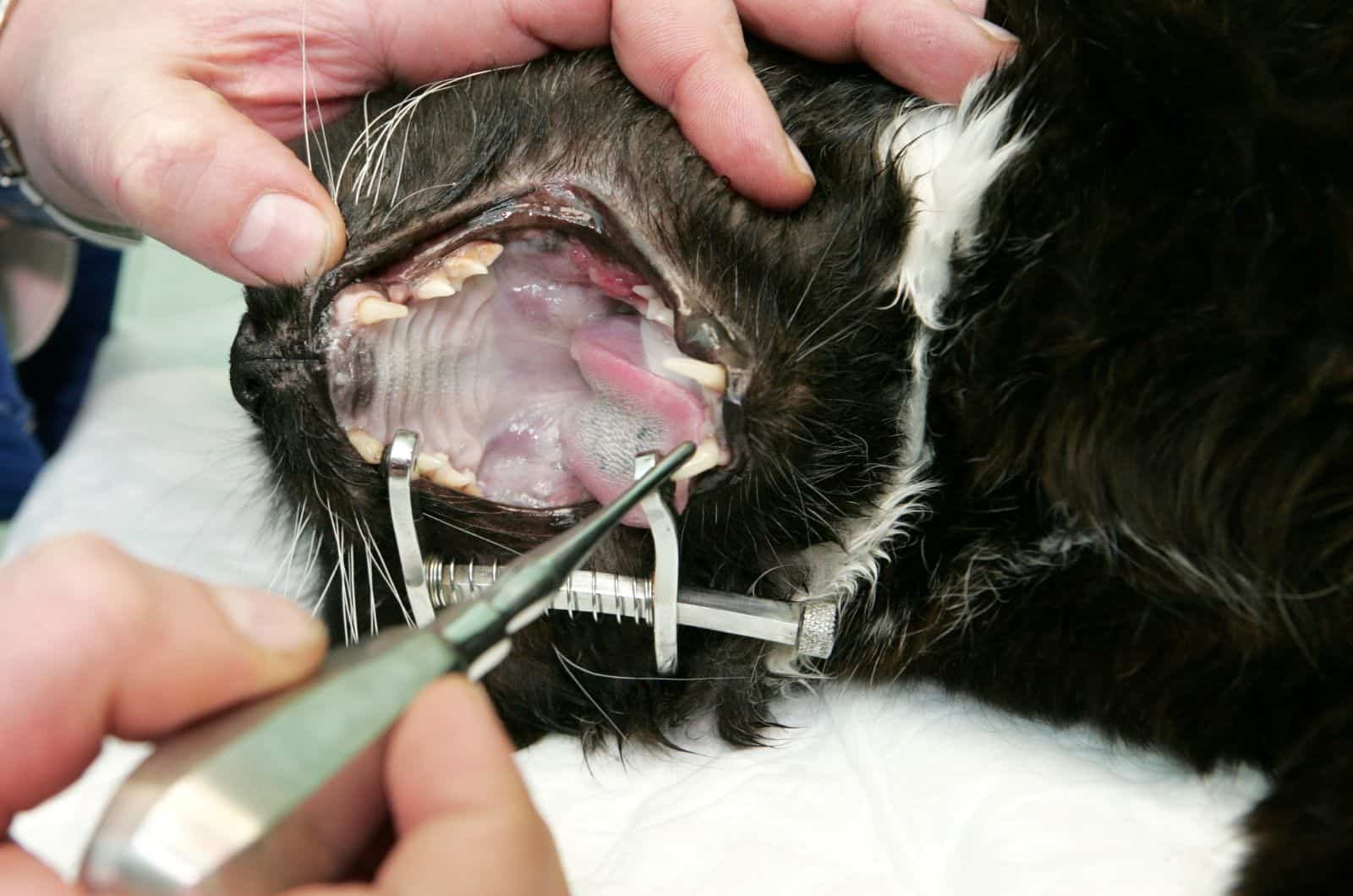
Stomatitis is painful inflammation inside a cat’s mouth. A long-lasting form, called feline chronic gingivostomatitis, affects the gums and the soft tissue lining the mouth. The redness and swelling are often worst at the back of the mouth, but other areas can be affected too. vet.cornell.edu
The exact cause is still unclear. Vets suspect that the immune system reacts too strongly to bacteria and other triggers in the mouth. Researchers have also found links with feline calicivirus (FCV) and feline immunodeficiency virus (FIV). The amount of visible plaque or tartar may give little clue to how much pain a cat is in. vet.cornell.edu
A cat with stomatitis may drool, paw at their mouth, or walk away from food after trying to eat. Some cats lose weight because chewing hurts. If your cat struggles to eat, call your vet promptly. vet.cornell.edu
Treatment depends on how severe the inflammation is. Your vet may recommend a dental cleaning and medicine to ease pain or reduce swelling. In more severe cases, removing the back teeth or, sometimes, all the teeth can help. Some cats still need medication after surgery. vet.cornell.edu
Periodontitis
Periodontitis is a more advanced form of gum disease. It damages the bone and tissue that hold the teeth in place. As the damage gets worse, the gums can pull back, exposing the roots. Teeth may also become loose. You might see heavy tartar, bleeding gums, or pus around an infected tooth. vet.cornell.edu
Your cat may have bad breath, drool more than usual, or tilt their head to one side when chewing. A vet can check how much support each tooth has lost. A badly damaged or loose tooth may need to come out. vet.cornell.edu
Tooth Fractures
Even a small chip in your cat’s tooth is worth a vet check. A shallow chip may only affect the enamel, the hard outer layer. A deeper break can expose the dentin underneath and make the tooth sensitive. If the break reaches the pulp, where the nerves and blood vessels are, an infection can develop. VCA Animal Hospitals
Your vet can examine the break and take dental X-rays to decide what the tooth needs. A small enamel chip may only need monitoring. A tooth with exposed pulp usually needs a root canal or removal. At home, look for drooling, pawing at the mouth, or chewing on one side. VCA Animal Hospitals
Feline Tooth Resorption
Tooth resorption is common in cats and becomes more common with age. It happens when cells called odontoclasts break down tooth tissue. The damage can appear near the gumline or start below it, where it’s easy to miss. The exact cause is still unclear. vet.cornell.edu
Sometimes the gum grows over the damaged spot, making it harder to see. As the damage reaches sensitive parts of the tooth, eating can become painful. A vet can examine the teeth under anesthesia and take dental X-rays to find damage hidden below the gums. vet.cornell.edu
Factors That Affect Your Cat’s Dental Health

Your Cat’s Diet
Both wet and dry food can be part of a healthy diet. For dental care, the type of food matters more than whether it’s wet or dry. Ordinary kibble offers limited protection against gum disease. Some dental diets use specially shaped or textured kibble to help reduce plaque or tartar as your cat chews. Ask your vet whether a dental diet is right for your cat. www.edu-veterinar.ro
Viral Infections
Some viral infections are linked to gum inflammation in cats. Feline immunodeficiency virus (FIV) and feline leukemia virus (FeLV) can weaken the immune system. Feline calicivirus (FCV) has been linked to long-lasting inflammation of the gums and mouth. If the swelling keeps coming back, your vet may recommend testing based on your cat’s symptoms and health history. www.vet.cornell.edu
Tooth Alignment
Crowded or crooked teeth can trap food and make plaque harder to remove. This can happen when a baby tooth stays in place after the adult tooth comes in. Some cats are born with an uneven bite, and an injury can also change how the teeth fit together. Crowding can be more common in flat-faced breeds. pmc.ncbi.nlm.nih.gov
How Often Should a Vet Check Your Cat’s Teeth?
Ask your vet to check your cat’s teeth at least once a year. If your cat has had dental problems before, your vet may suggest a checkup every six months. The right schedule depends on your cat’s age and oral health. pmc.ncbi.nlm.nih.gov
You can look for changes at home, but some problems start below the gumline. Cats may also hide signs of pain. If you notice ongoing bad breath, extra drooling, or a change in how your cat eats, book a checkup sooner. www.aaha.org
Final Thoughts
Daily brushing helps control plaque before it hardens into tartar. If you already see hard yellow or brown buildup near the gums, ask your vet whether your cat needs a professional cleaning. Keep up with regular dental checkups, even when your cat seems to be eating normally. www.aaha.org
Final Thoughts
Daily brushing helps remove soft plaque before it hardens into tartar. Once tartar forms, your vet can check your cat’s teeth and decide whether they need a professional cleaning. www.aaha.org
If you spot hard yellow or brown buildup near the gums or notice bad breath that lingers, book a dental checkup. Finding gum disease early can help prevent pain and tooth loss. Regular vet checks and a simple brushing routine can help keep your cat’s mouth healthy and make eating more comfortable. www.vet.cornell.edu