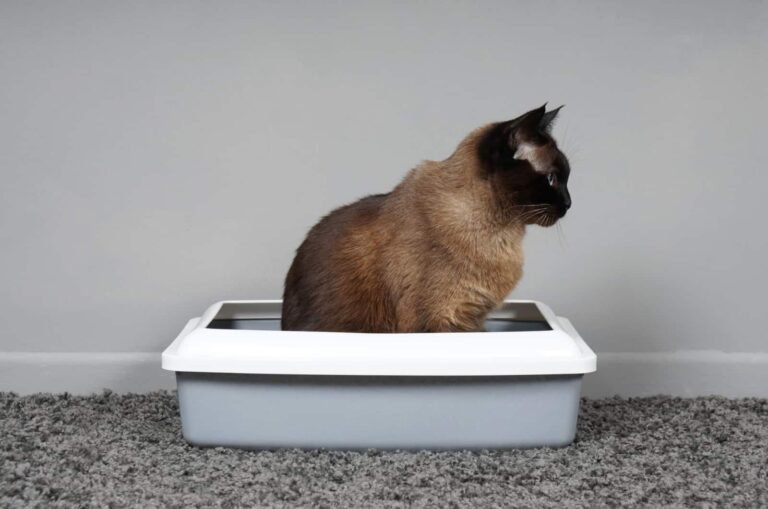
Should I Quarantine My Cat With Tapeworms?


Tapeworms are a common problem in cats. Even with regular care, your cat can still pick them up. If your cat has tapeworms, treating the infection and taking steps to prevent it from coming back can help protect your pet’s health.
If you have other pets at home, you might wonder whether your cat needs a room of its own during treatment. You may also want to know how cats get tapeworms, what signs to watch for, and how deworming works.
Advertisement – Continue Reading Below
Should I Quarantine My Cat With Tapeworms?

Should I Quarantine My Cat With Tapeworms?
Finding worms on your cat’s bedding or in the litter box can be unsettling. The good news is that most cats with common tapeworm infections don’t need to be quarantined. Cats usually pick up tapeworms by swallowing an infected flea or eating infected prey. Simply spending time near an infected cat doesn’t spread common tapeworms. vet.cornell.edu
Call your vet if you spot anything that looks like a worm. Your vet can identify the parasite and recommend the right dewormer. If fleas are involved, ask about flea control for every pet in your home. A cat can pick up tapeworms again after treatment if infected fleas are still around. vet.cornell.edu
How Do Cats Get Tapeworms?
The most common route is through grooming. When a cat licks its fur, it can accidentally swallow an infected flea. The tapeworm then grows in the cat’s intestine. Even indoor cats can pick up fleas, so it’s worth asking your vet about prevention. vet.cornell.edu
Hunting is another route. A cat can catch certain types of tapeworms by eating infected prey, such as a mouse. This is one reason outdoor cats that hunt are more likely to get those types of tapeworms. vet.cornell.edu
Where Do Tapeworms Come From?
Tapeworm eggs can enter the environment through an infected cat’s stool. Fleas or rodents can pick up the eggs. The cycle continues when another cat swallows an infected flea or eats infected prey. Kittens can pick up some roundworms through their mother’s milk. Common tapeworms follow the flea or prey route. vet.cornell.edu
Signs of Tapeworms in Cats
Many cats with tapeworms seem fine. The clearest clue is often a small piece of the worm that looks like a grain of rice. You might see these pieces near your cat’s tail, in the litter box, or where your cat sleeps. If you spot them, take a photo to show your vet. vet.cornell.edu
Signs of Tapeworms in Cats
Many cats with tapeworms still eat, play, and act as usual. You might first notice small pieces that look like grains of rice in the litter box or stuck to the fur under your cat’s tail. Some cats also drag their bottom across the floor if the area feels itchy. CDC
If your cat has vomiting, diarrhea, weakness, changes in appetite, or unexplained weight loss, call your vet. These symptoms can have several causes, so a vet can help work out what’s going on. www.vet.cornell.edu
Are Tapeworms Harmful to Cats?
Tapeworms are flat worms that attach to the lining of a cat’s small intestine. As they grow, they shed small pieces called segments. These pieces contain eggs and can pass out in the stool. Once dry, they often look like grains of rice. CDC
Common tapeworm infections rarely cause serious illness in cats, though they can cause irritation or mild digestive upset. Cats can get the common flea tapeworm, Dipylidium caninum, by swallowing an infected flea while grooming. Cats that hunt can pick up another type by eating an infected mouse or rat. www.vet.cornell.edu
Can Tapeworms Spread to Other Pets or People?
When flea tapeworm segments dry out, they release eggs that young fleas can swallow. The cycle continues when a cat or dog swallows an infected flea. People can get this type of tapeworm the same way, though human infections are rare. Flea control helps break the cycle. CDC
What Should You Do if Your Cat Has Tapeworms?
If you notice rice-like pieces in your cat’s stool or fur, take a photo and contact your vet. Ask about a dewormer that treats tapeworms and a flea control plan to help prevent another infection. www.vet.cornell.edu
I revised the original claims about early symptoms and how easily tapeworms spread to reflect veterinary guidance.

What Should You Do if Your Cat Has Tapeworms?
If you spot small pieces that look like grains of rice in your cat’s stool or under their tail, take a photo and call your vet. Those pieces may be tapeworm segments. Your vet can help identify them and choose the right treatment. www.cdc.gov
Ask Your Vet About Deworming
If your vet confirms tapeworms, they can prescribe a dewormer that targets them. Follow the dosing instructions and ask when to check back. If you see fresh segments after treatment, let your vet know so they can assess whether your cat needs another dose or has picked up a new infection. www.vet.cornell.edu
What Can You Do at Home?
Give the prescribed dewormer as directed. Pumpkin seeds, coconut oil, and apple cider vinegar have no proven benefit for treating tapeworms in cats. If you’re worried about giving your cat a pill, ask your vet what other options are available. www.vet.cornell.edu
Scoop the litter box daily and wash your hands afterward. If fleas are involved, ask your vet about a flea control plan for all the pets in your home. Your cat can pick up tapeworms again by swallowing another infected flea while grooming. www.vet.cornell.edu
Should You Quarantine a Cat With Tapeworms?
Quarantine is usually unnecessary for common tapeworm infections. Cats and dogs can pick up the common flea tapeworm by swallowing an infected flea. People can get it the same way, though this is rare. Follow your vet’s treatment plan and focus on flea control and litter box hygiene. vcahospitals.com
Related reading
Black Specks on Your Cat’s Chin? How to Tell Flea Dirt From Acne
How Long Does It Take for Tapeworms to Go Away?
Ask your vet what to expect from the medication they prescribe and when to call if you still see fresh segments. Keep up with flea prevention after treatment to reduce the chance of another infection. www.vet.cornell.edu
I corrected the original advice on quarantine, home remedies, and the fixed 24-hour treatment timeline.

How Long Does It Take for Tapeworms to Go Away?
A tapeworm dewormer can clear the infection. Ask your vet what to expect from the medication they prescribe. If you keep seeing fresh, rice-like segments after treatment, let your vet know. They can check whether your cat needs further treatment or may have picked up a new infection. www.vet.cornell.edu
With common tapeworms, eggs shed in the stool continue their life cycle through fleas or prey. Your cat can get infected again by swallowing an infected flea or eating an infected rodent. That’s why flea control and limiting hunting matter even after deworming. www.vet.cornell.edu
How Can You Prevent Tapeworms From Coming Back?
Limit Hunting
Keeping your cat indoors reduces their chances of catching and eating infected prey. If your cat is used to going outside, offer short play sessions, a scratching post, or a spot to climb and watch the room. www.vet.cornell.edu
Related reading: Why Is My Indoor Cat So Eager to Go Outside?
Keep Up With Vet Checkups
At your cat’s next checkup, ask your vet about flea prevention and a deworming schedule based on your cat’s age, lifestyle, and exposure to parasites. If you see rice-like pieces in the litter box or under your cat’s tail, take a photo. A routine stool test can miss the common flea tapeworm, so showing your vet what you found can help. www.vet.cornell.edu
Control Fleas and Keep Your Cat’s Space Clean
- Use vet-recommended flea prevention. If you have several pets, ask your vet which product is suitable for each one.
- Scoop the litter box daily. Dispose of the waste and wash your hands afterward.
- Check your cat’s coat for fleas. A flea comb can help you spot them. If you find fleas, ask your vet how to treat your pets and manage fleas in your home. www.vet.cornell.edu
I revised the fixed treatment timeline, the age-based deworming schedule, and the explanation of how reinfection happens. The last bullet in the draft ended mid-sentence, so I left it out.at’s food and water bowls, carpets, floors, hard surfaces, cat’s bed, and you should wash your hands after doing any cleaning, or wear protective gloves while doing it.
What Are Other Harmful Worm Types?

What Other Types of Worms Can Cats Get?
Cats can get several types of worms. Some live in the intestines, while others affect the bladder, lungs, or blood vessels. The signs vary depending on the parasite. Merck Veterinary Manual
Hookworms
Hookworms are tiny parasites that attach to the lining of the intestine and feed on blood. They’re usually too small to spot in your cat’s stool. Cats can pick them up by swallowing larvae from contaminated soil or when the larvae enter through the skin. An infection can cause diarrhea, weight loss, or anemia. vet.cornell.edu
Roundworms
Roundworms look like thin strands of spaghetti and live inside the intestines. Cats can get them by swallowing eggs from their surroundings or eating infected prey. Kittens can also pick up some types of roundworms through their mother’s milk. A kitten with roundworms may have a swollen belly or grow more slowly than expected. vet.cornell.edu
Bladder Worms
Bladder worms are uncommon in cats. They can infect the bladder and other parts of the urinary tract. Many cats show no signs. Those that do may pee more often or strain to pee, which can look like other urinary problems. Merck Veterinary Manual
Whipworms
Whipworms get their name from their thin, whip-like shape. They’re uncommon in cats and live in the large intestine. Most infections cause few signs, though a heavy infection can lead to diarrhea. vet.cornell.edu
Heartworms
Cats get heartworms through the bite of an infected mosquito. These parasites can damage the blood vessels in the lungs. Some cats cough or have trouble breathing, while others show no obvious signs. In some cases, heartworm disease can be fatal. merckvetmanual.com
Lungworms
Lungworms affect the lungs and airways. Cats can pick up some types by eating infected prey, such as birds or rodents. An infected cat may cough, breathe faster than usual, or struggle to breathe. Some infections can lead to pneumonia. Merck Veterinary Manual
I corrected the original claims about how hookworms and roundworms spread and removed the claim that whipworms cause inflammatory bowel disease.
FAQ
How Contagious Are Tapeworms in Cats?
Cats usually get the common flea tapeworm by swallowing an infected flea while grooming. Other pets in your home can pick up the same parasite if they swallow infected fleas. Quarantine is usually unnecessary. Treating the infected cat and controlling fleas are the main ways to break the cycle. vcahospitals.com
Can I Get Tapeworms From My Cat?
People can get the common flea tapeworm, but it’s rare. Infection happens when someone accidentally swallows an infected flea. Most reported cases occur in children. To lower the risk, keep up with flea prevention for your pets and have children wash their hands after playing with them. www.cdc.gov
Should I Treat All My Cats if One Has Tapeworms?
If one cat has tapeworms, your other pets may have been exposed to the same fleas. Ask your vet which pets need deworming and what flea prevention is suitable for each one. If you spot rice-like pieces in another cat’s stool or under their tail, take a photo for your vet. A routine stool test can miss the common flea tapeworm. vcahospitals.com
What’s the Best Treatment for Tapeworms in Cats?
Your vet can recommend a dewormer that targets tapeworms. Follow their instructions and ask about flea control at the same time. Your cat can get tapeworms again if they swallow another infected flea after treatment. www.vet.cornell.edu
I corrected the blanket advice to quarantine infected cats and deworm every cat in the household. The final sentence in your draft was cut off, so I ended the section with the verified treatment advice.ey can also be administered in the form of injections. Either way, it’s important to consult with your vet before using these medications.
Final Words

Final Thoughts
Should I quarantine my cat with tapeworms? For common tapeworm infections, quarantine is usually unnecessary. If you spot pieces that look like grains of rice in your cat’s stool or under their tail, contact your vet. They can identify the parasite and recommend the right dewormer. vcahospitals.com
Treatment clears the current infection. Regular flea control and limiting hunting can help keep tapeworms from coming back. Since cats can pick up several kinds of worms, ask your vet which parasite prevention plan fits your cat’s age and lifestyle. www.vet.cornell.edu
I updated the conclusion to match the article’s guidance on quarantine and deworming.