How to Take Care of a Sick Pet at Home Safely

Seeing your furry companion feeling unwell can be worrying. Pets bring happiness, comfort, and companionship into our lives, so providing them with extra attention when they are unwell is important.
Knowing how to take care of a sick pet at home can help you support their recovery and keep them comfortable while following professional veterinary advice.
Advertisement – Continue Reading Below
From creating a peaceful environment to maintaining proper hydration, small changes in your daily routine can make a meaningful difference in your pet’s well-being.
1. Recognize the Early Signs of Illness
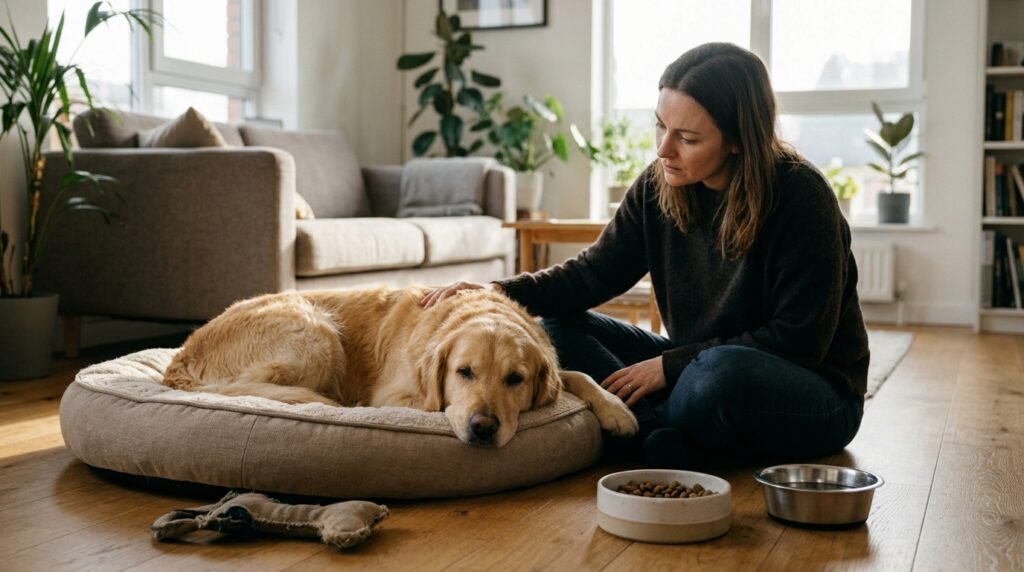
Pets cannot tell us when they are feeling unwell. However, changes in their daily habits and behavior can help you recognize when they need extra attention.
Some common signs include:
- Reduced appetite
- Lower energy levels
- Changes in sleeping habits
- Unusual drinking habits
- Digestive discomfort
- Changes in grooming habits
- Less interest in favorite activities
Pay attention to these changes and contact your veterinarian for guidance. Early attention can help identify health concerns before they become more serious.
2. Create a Comfortable Resting Area
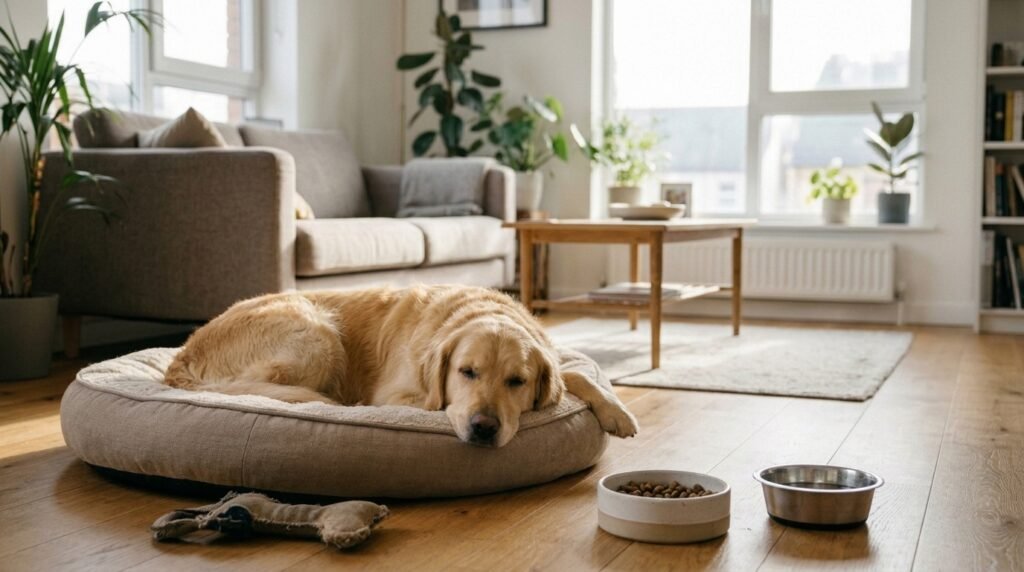
A quiet and comfortable environment can help your pet rest peacefully.
Choose a space away from household noise, frequent visitors, and busy areas. Provide a soft bed, clean blankets, and a comfortable room temperature.
Keep their food and water bowls nearby so they do not have to move around unnecessarily.
Allow your pet to rest without frequent interruptions. A familiar environment may help them feel more relaxed and secure.
3. Keep Your Pet Properly Hydrated
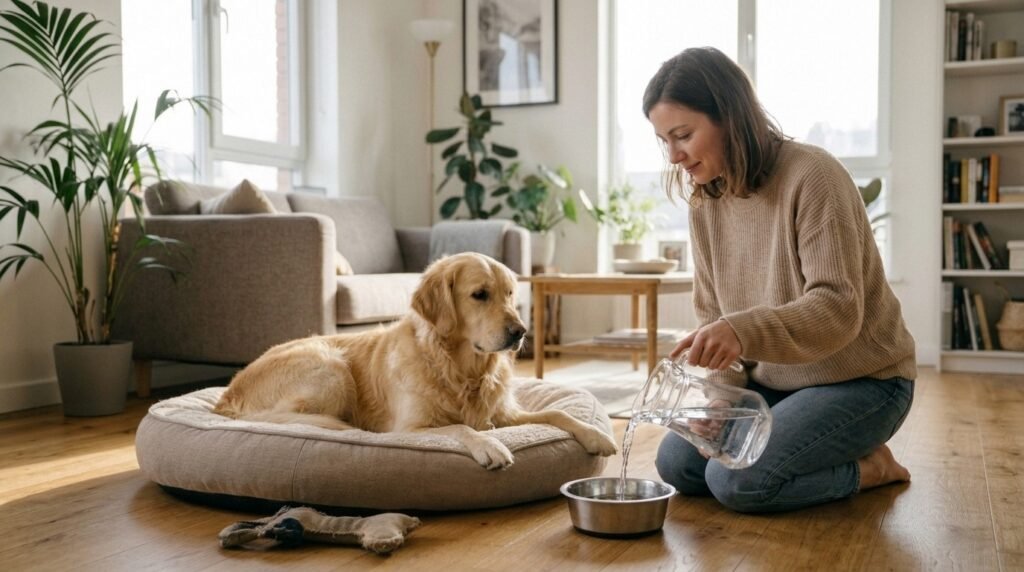
Proper hydration is an important part of supporting your pet’s overall health.
Make sure fresh, clean drinking water is easily accessible throughout the day. Clean their water bowl regularly and replace the water frequently.
You can also consider veterinarian-approved wet food to support moisture intake if it is suitable for your pet’s condition.
Never force your pet to drink water. If your companion refuses water or cannot keep it down, contact your veterinarian promptly.
4. Provide Suitable and Nutritious Food
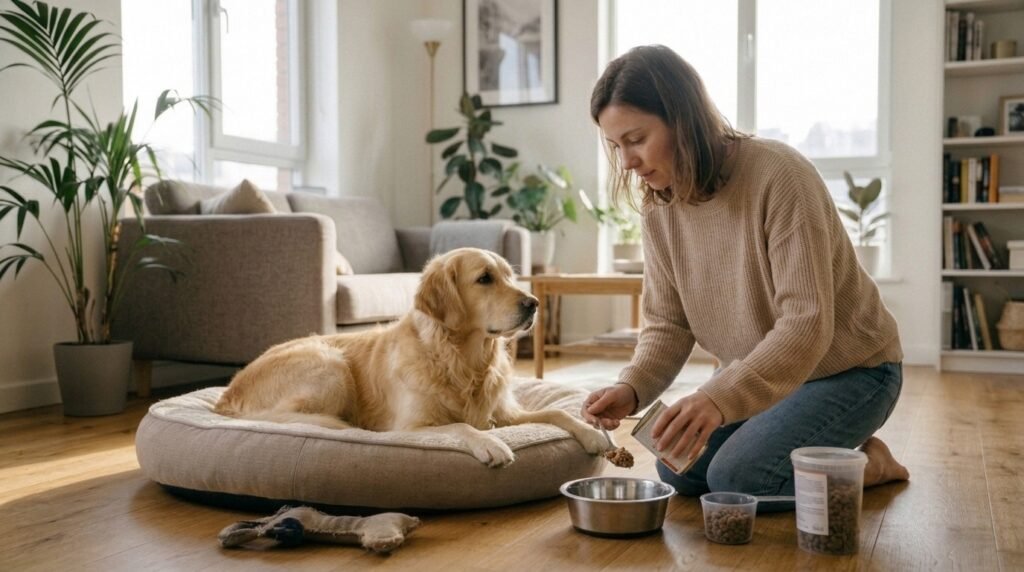
Good nutrition plays an important role in supporting your pet’s recovery.
Follow your veterinarian’s dietary recommendations and offer appropriate portions based on your pet’s needs.
Here are some helpful feeding tips:
- Offer small portions if recommended.
- Choose food appropriate for your pet’s condition.
- Avoid sudden dietary changes.
- Keep feeding bowls clean.
- Avoid heavily seasoned human food.
- Monitor your pet’s appetite.
Do not force your pet to eat. Cats that stop eating require prompt veterinary attention because prolonged appetite loss can lead to serious health complications.
5. Follow Your Veterinarian’s Instructions

Professional guidance is essential when caring for an unwell pet at home.
If your veterinarian recommends medication or a specific care routine, follow their instructions carefully.
Maintain a simple schedule to keep track of medication times, feeding routines, and follow-up appointments.
Never give your pet human medication, leftover prescriptions, herbal remedies, or supplements without veterinary approval. Products that are suitable for people may not be safe for animals.
6. Maintain a Clean and Hygienic Environment
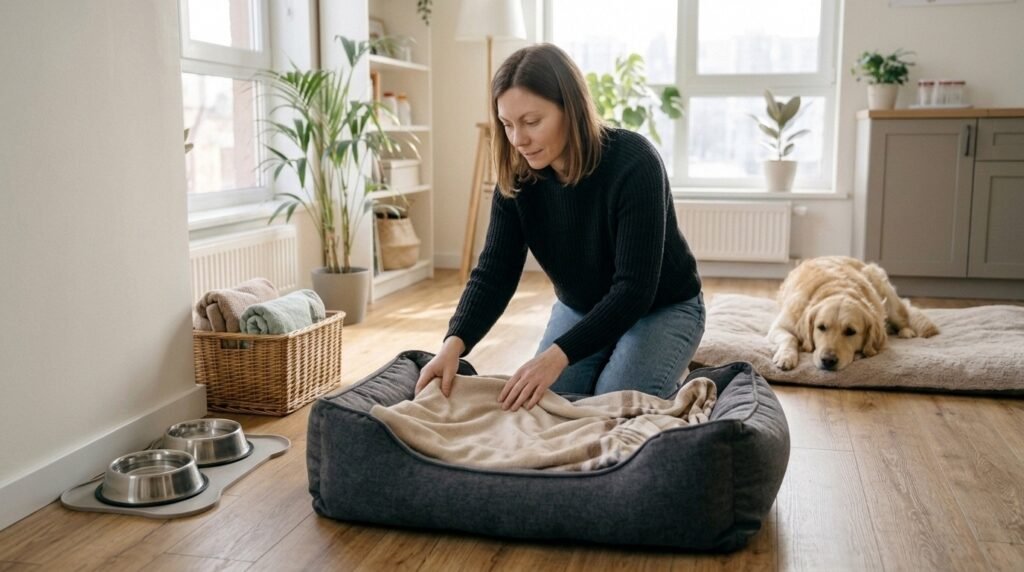
Keeping your pet’s surroundings clean can support a healthier and more comfortable recovery environment.
Regularly wash their bedding, clean food and water bowls, and maintain a tidy resting area.
Use pet-safe cleaning products and keep your companion away from cleaning solutions until surfaces are safe.
Wash your hands before and after providing care. If your veterinarian suspects a contagious condition, follow their recommendations for keeping other pets safe.
7. Encourage Rest and Limit Physical Activity

Your pet may need additional rest while recovering.
Avoid long walks, energetic games, and demanding physical activities unless your veterinarian recommends otherwise.
Allow gentle movement when appropriate and make essential areas of your home easily accessible.
Do not encourage your pet to return to its usual activity level until it is appropriate for its recovery.
8. Monitor Your Pet’s Daily Progress
Keeping track of your pet’s daily routine helps you notice improvements or changes that require professional attention.
| What to Monitor | What to Observe |
|---|---|
| Appetite | Amount of food consumed |
| Hydration | Water intake |
| Energy levels | Movement and activity |
| Sleep | Resting patterns |
| Behavior | Changes in usual habits |
| Bathroom habits | Frequency and appearance |
Consider maintaining a small notebook to record these observations. This information can also help your veterinarian understand your pet’s progress.
9. Provide Love and Emotional Comfort
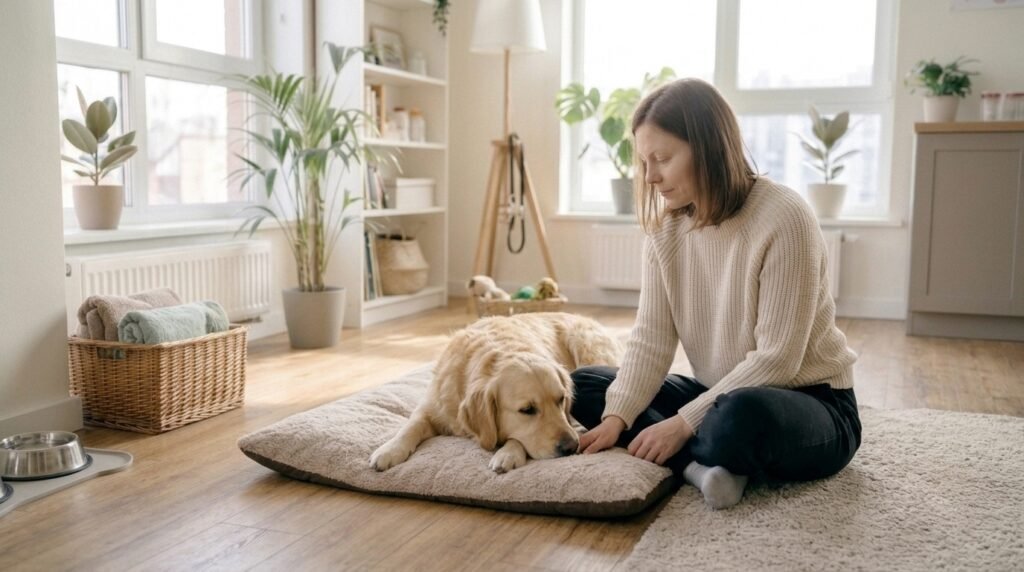
Your presence can help your pet feel more secure during recovery.
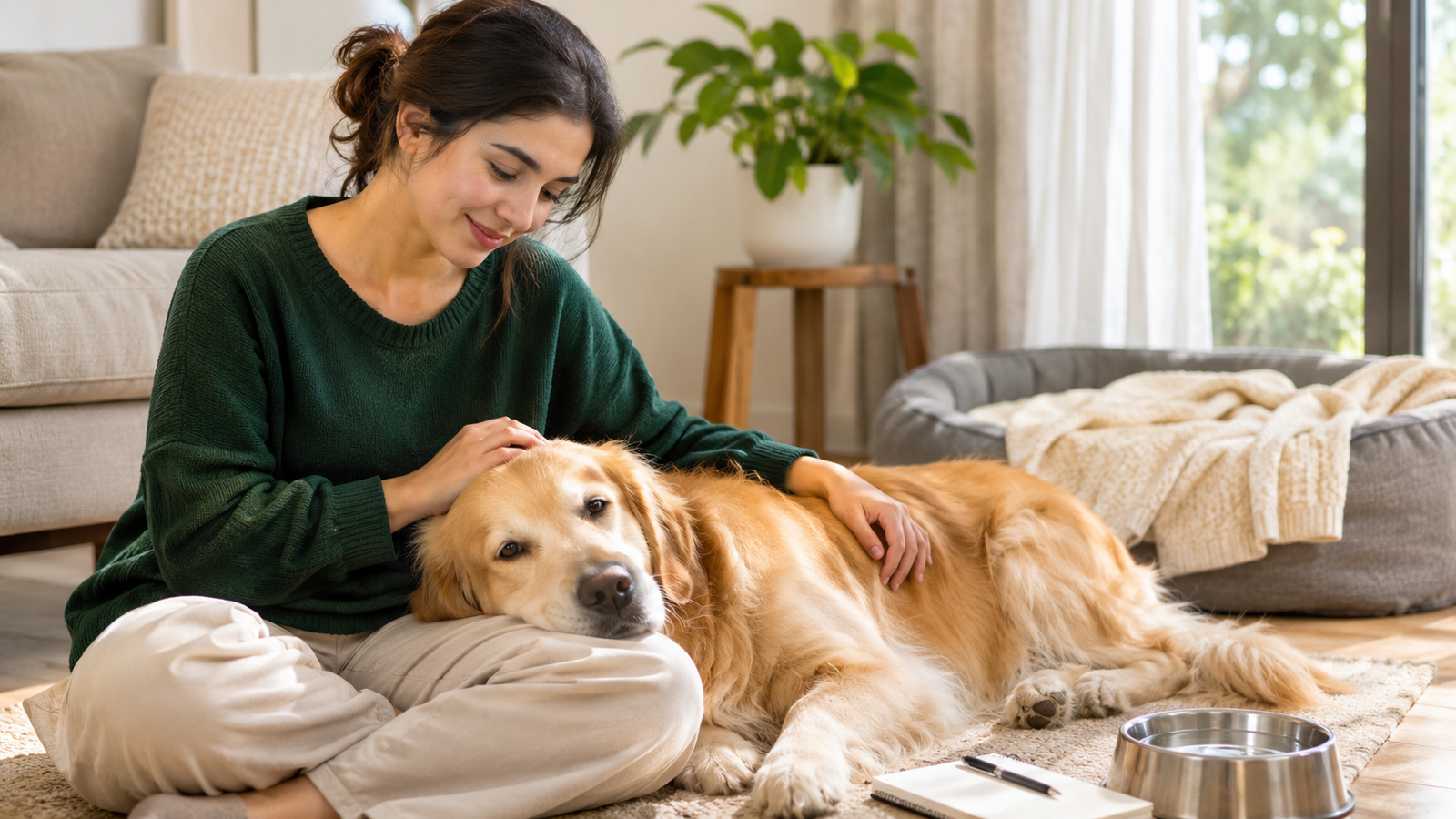
Spend quiet time beside them, speak in a gentle voice, and offer affection when they welcome it.
Avoid excessive handling or forcing interaction. Some pets prefer additional personal space when they are feeling unwell.
Respecting their preferences can help create a more peaceful recovery experience.
10. Know When to Seek Veterinary Care
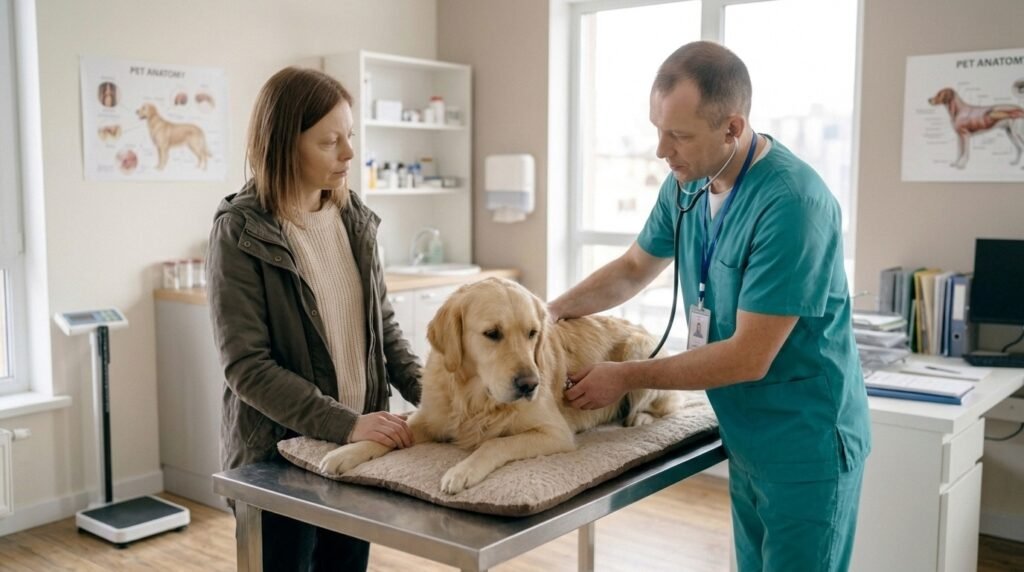
Although home care can support recovery, it is not a replacement for professional veterinary treatment.
Seek immediate veterinary attention if your pet experiences:
- Difficulty breathing
- Collapse or unresponsiveness
- Seizures
- Severe or repeated vomiting
- Inability to urinate
- Severe pain
- Suspected ingestion of harmful substances
Contact your veterinarian promptly if your pet’s condition worsens or new symptoms develop.
Young pets, senior pets, and animals with existing health conditions may require earlier professional attention.
Common Mistakes to Avoid When Caring for a Sick Pet
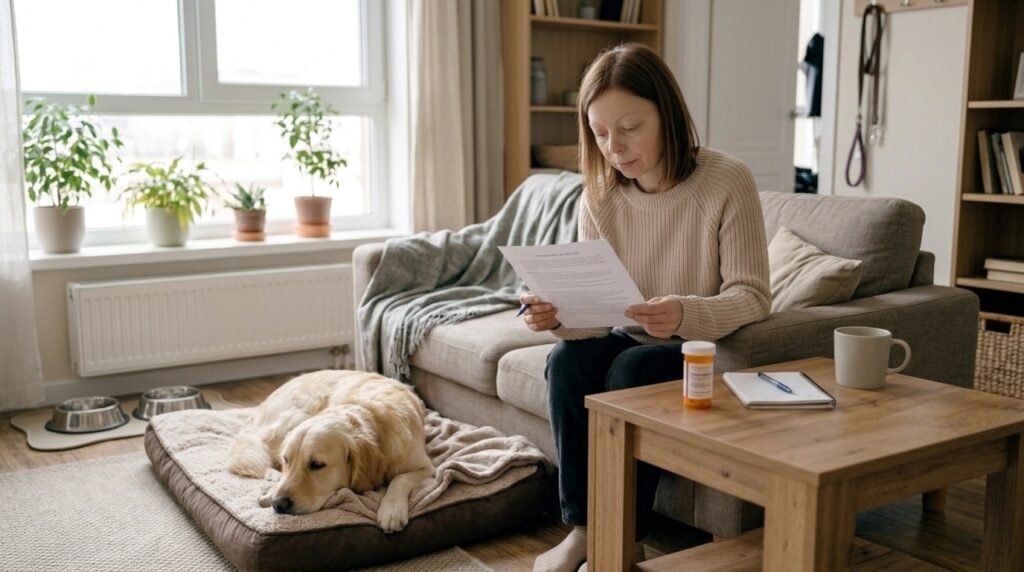
Even with the best intentions, certain home care practices may interfere with your pet’s recovery.
Avoid giving unapproved medication, forcing food or water, delaying veterinary appointments, encouraging excessive exercise, or trying unverified home remedies.
Focus on providing a safe environment, following professional recommendations, and observing your pet’s daily progress.
Frequently Asked Questions
Can I take care of a sick pet at home?
Yes, home care can support pets with conditions that a veterinarian considers suitable for at-home management. More serious health concerns require professional treatment.
What should I feed my sick pet?
Offer suitable, veterinarian-approved food based on your pet’s specific health needs. Avoid introducing unfamiliar foods without professional guidance.
Should I let my sick pet sleep more?
Additional rest may be helpful during recovery. However, unusual drowsiness, difficulty waking, or extreme weakness requires veterinary attention.
Can I give my pet home remedies?
Avoid using home remedies without consulting your veterinarian. Some natural ingredients and household products may be unsuitable for pets.
How can I make my sick pet feel comfortable?
Provide clean bedding, fresh water, a peaceful resting area, gentle attention, and an appropriate room temperature.
Final Thoughts
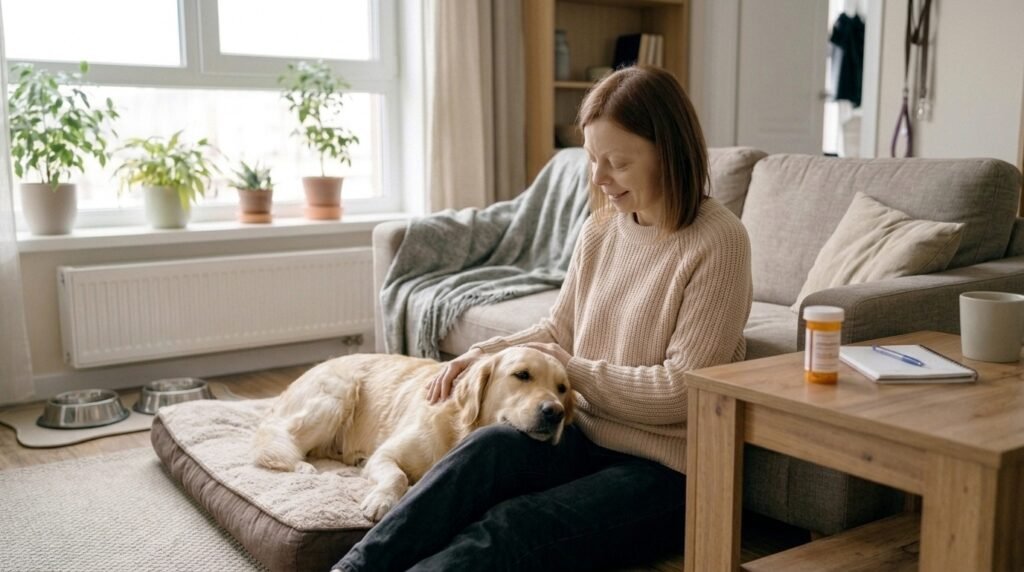
Learning how to take care of a sick pet at home safely is an important part of responsible pet ownership.
A comfortable environment, suitable nutrition, proper hydration, good hygiene, and regular observation can support your companion’s recovery.
Always prioritize professional veterinary guidance and respond promptly to changes in your pet’s health.
With patience, attention, and appropriate care, you can help your beloved companion feel supported throughout their recovery.
Disclaimer: This article is for general educational purposes and is not a substitute for professional veterinary advice, diagnosis, or treatment.