Cat’s Broken Tooth: Signs and Treatment

Cats love exploring their surroundings, playing with toys, and occasionally chewing on things they shouldn’t. Unfortunately, these everyday activities can sometimes result in dental injuries.
Discovering your cat’s broken tooth can be worrying, especially if your furry companion seems uncomfortable or suddenly refuses food.
Advertisement – Continue Reading Below
A broken tooth may look like a small problem, but even a minor-looking fracture can expose sensitive inner tissues and cause considerable discomfort.
The good news is that veterinary dental treatment can relieve pain and help prevent further complications.
In this guide, we’ll explore the signs of a broken cat tooth, common causes, available treatments, and ways to keep your feline friend’s mouth healthy.
Can Cats Break Their Teeth?
Yes, cats can break their teeth just like humans.
A cat’s tooth contains several layers, including protective enamel, dentin, and an inner tissue called the pulp.
The pulp contains nerves and blood vessels that help maintain the tooth’s health.
When a tooth breaks, the severity of the injury depends on how deeply the fracture extends.
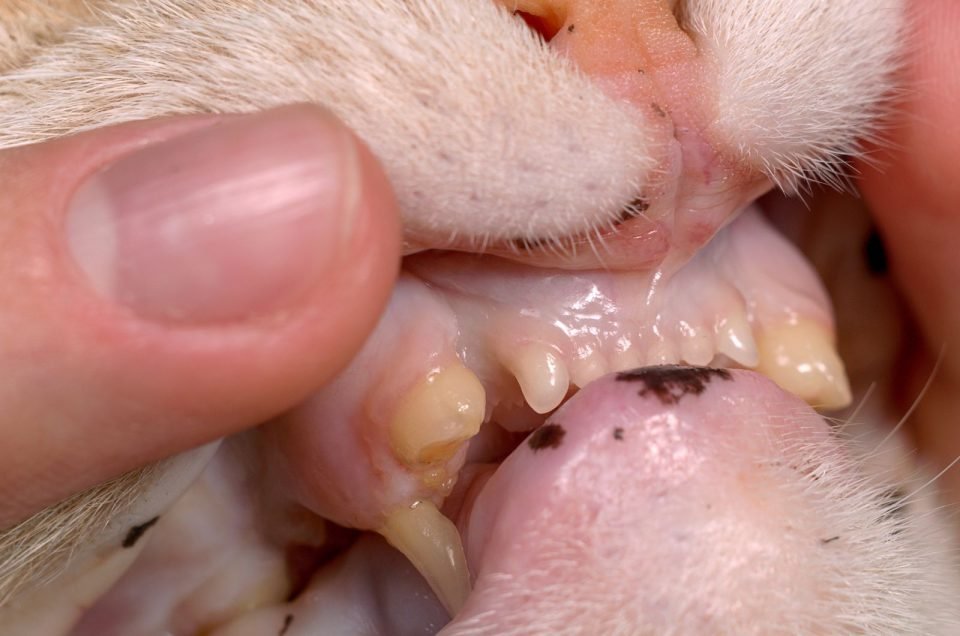
A small chip may affect only the outer surface, while a deeper fracture can expose the pulp and allow bacteria to enter.
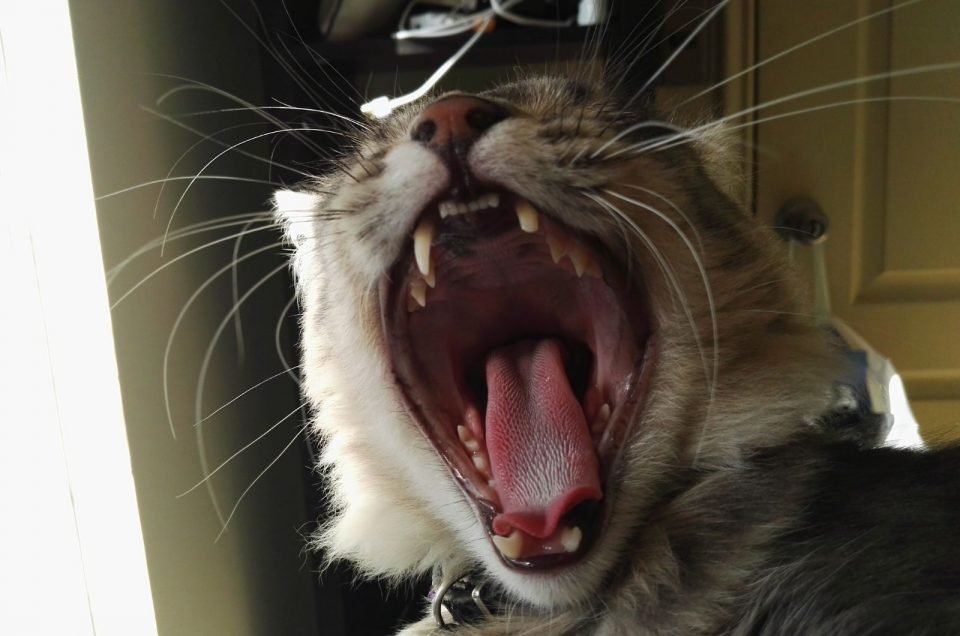
Broken canine teeth are particularly noticeable because these pointed teeth are used for gripping food and other objects.
However, any tooth can become damaged.
Common Causes of Broken Teeth in Cats
Several situations can lead to dental fractures.
Some of the most common causes include:
- Falling from furniture or other elevated surfaces.
- Chewing on hard objects or unsuitable toys.
- Accidental impacts during play.
- Injuries involving vehicles or other animals.
- Weak or damaged teeth caused by existing dental problems.
- Tooth resorption, a painful dental condition that can weaken tooth structures.
Understanding the cause can help you identify potential hazards and reduce the chances of future dental injuries.
Signs Your Cat May Have a Broken Tooth
Cats are naturally skilled at hiding discomfort, so dental problems aren’t always immediately obvious.
However, certain changes may suggest your cat has damaged a tooth.
1. Difficulty Eating
Your cat may begin chewing slowly, dropping food, or avoiding harder pieces of kibble.
Some cats prefer eating on one side of their mouth to avoid discomfort.
2. Excessive Drooling
Increased saliva production can sometimes indicate oral pain or irritation.
You might notice wet fur around the mouth or unusual drooling after meals.
3. Bad Breath
Persistent unpleasant breath may indicate dental disease or infection.
Although bad breath doesn’t always mean a broken tooth, it’s worth discussing with your veterinarian.
4. Visible Tooth Damage
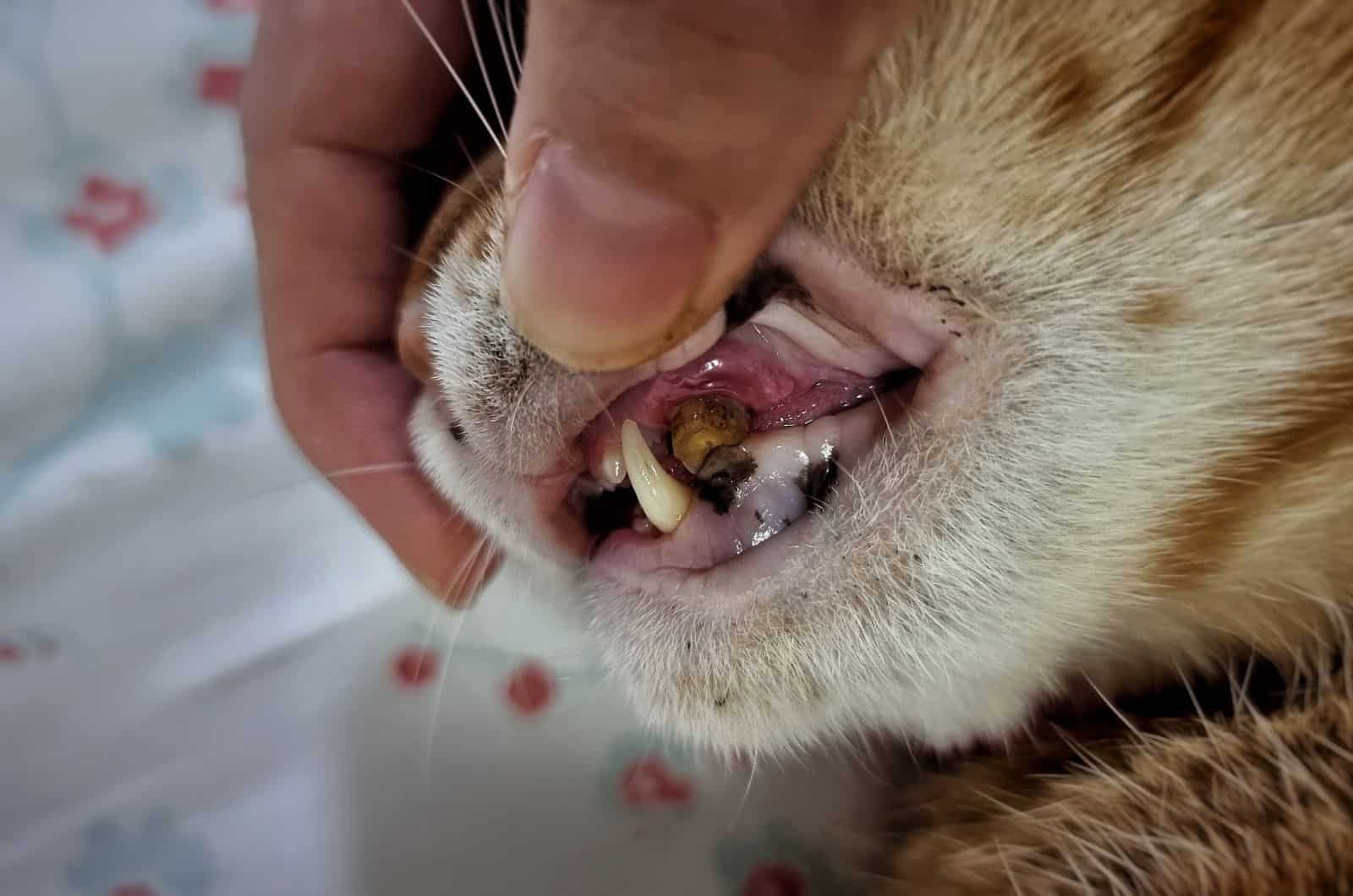
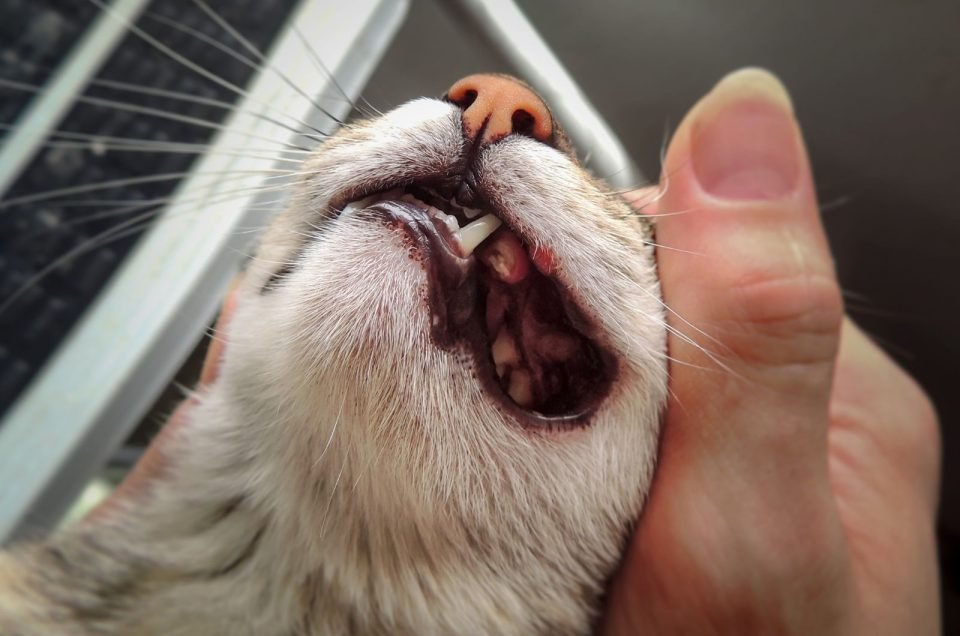
You may notice a chipped, shortened, cracked, or unusually shaped tooth.
A pink, red, or dark spot in the center of the broken surface may indicate exposed or damaged pulp.
5. Changes in Behavior
Cats experiencing dental discomfort may become quieter, avoid playing, or resist having their face touched.
Some continue eating normally despite significant dental pain.
For this reason, visible tooth damage should never be ignored simply because your cat appears comfortable.
What to Do if Your Cat Breaks a Tooth
If you discover a broken tooth, your first priority should be preventing additional injury.
Step 1: Stay Calm
Keep your cat in a quiet environment and avoid unnecessary handling.
A frightened or uncomfortable cat may become defensive when someone approaches its mouth.
Step 2: Don’t Touch the Broken Tooth
Avoid pressing, pulling, or attempting to remove damaged tooth fragments.
Never try to file a sharp edge or repair a broken tooth using household products.
These actions can cause pain and worsen the injury.
Step 3: Offer Soft Food
If your cat can eat comfortably, offer soft, familiar food while arranging veterinary care.
Avoid hard treats, chew toys, or anything that requires forceful biting.
If your cat cannot eat, contact your veterinarian promptly.
Step 4: Avoid Human Painkillers
Never give your cat human pain medications such as ibuprofen, acetaminophen (paracetamol), or aspirin without specific veterinary instructions.
Some common human medications are extremely dangerous for cats.
Step 5: Schedule a Veterinary Examination
Contact your veterinarian promptly, ideally the same day you notice the injury.
A fracture involving exposed pulp requires timely dental treatment even when your cat isn’t showing obvious pain.
Seek emergency veterinary care if the injury involves significant bleeding, suspected jaw damage, severe facial swelling, breathing difficulty, or major trauma.
How Do Veterinarians Treat a Cat’s Broken Tooth?
Treatment depends on the location and severity of the fracture.
Your veterinarian may recommend one of several approaches.
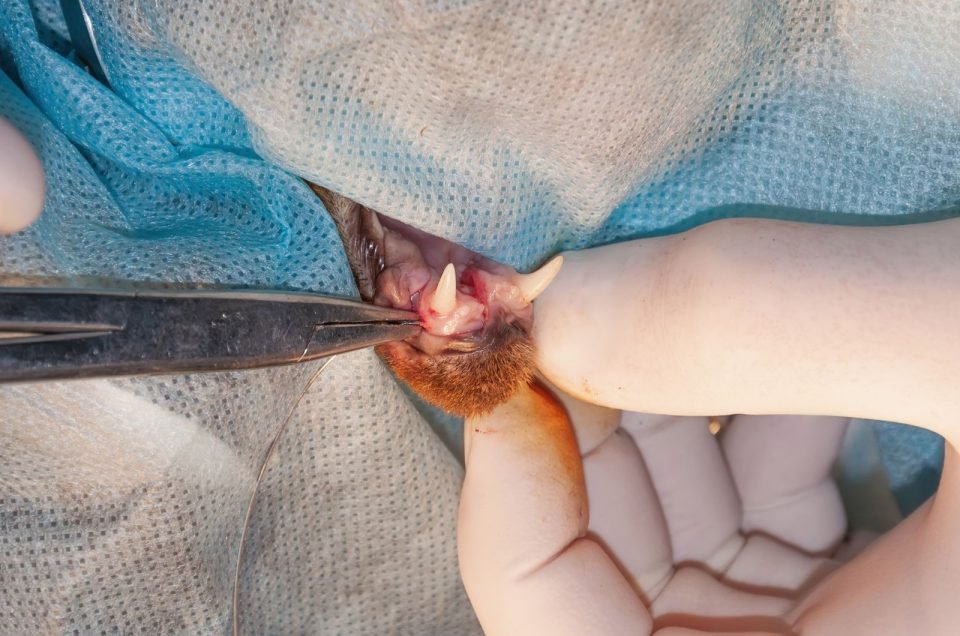
1. Dental Examination and X-Rays
A veterinarian will examine the damaged tooth and surrounding gums.
Dental X-rays are often necessary to determine whether the roots and tissues beneath the gumline are affected.
A complete dental examination and radiographs generally require anesthesia.
2. Monitoring Minor Fractures
Very superficial enamel chips may not require extraction or root canal treatment.
However, fractures exposing dentin may need protective treatment or monitoring, depending on the tooth and extent of damage.
Your veterinarian will determine whether the tooth is healthy enough to preserve.
3. Root Canal Treatment
A root canal may be recommended when a tooth’s pulp is damaged or exposed but the tooth can still be preserved.
The procedure removes damaged pulp tissue, disinfects the internal space, and seals the tooth.
This treatment is generally performed by a veterinarian with advanced dental training.
4. Tooth Extraction
In some cases, removing the damaged tooth is the safest option.
Extraction may be recommended when the tooth is severely fractured, infected, affected by advanced resorption, or unsuitable for preservation.
Although losing a tooth can sound concerning, cats generally adapt well after appropriate dental treatment.
Can a Cat’s Broken Tooth Heal on Its Own?
A broken tooth cannot naturally regrow its missing enamel or restore its original shape.
A minor chip may remain stable, but a deeper fracture can expose sensitive tissues and create an opportunity for infection.
Even if your cat stops showing signs of discomfort, the underlying problem may still be present.
Fractures involving pulp exposure require professional treatment.
Ignoring these injuries can result in ongoing pain, inflammation, or infection around the tooth’s root.
How to Care for Your Cat After Dental Treatment
Proper aftercare can make recovery more comfortable.
Provide soft food. Follow your veterinarian’s feeding instructions, especially after an extraction or other dental procedure.
Give prescribed medication. Administer pain relief and other treatments exactly as directed.
Avoid hard toys. Keep chew toys and hard treats away until your veterinarian confirms they are safe.
Create a quiet resting area. Your cat may appreciate a peaceful place to recover after anesthesia or surgery.
Monitor eating habits. Watch for ongoing drooling, difficulty eating, unusual swelling, or bleeding.
Attend follow-up appointments. Your veterinarian may need to check that the mouth is healing properly.
Recovery time varies depending on the procedure and your cat’s overall health.
Contact your veterinarian if your cat refuses food, develops worsening swelling, or appears increasingly uncomfortable.
How to Prevent Broken Teeth in Cats
Although not every dental injury can be prevented, a few simple habits may reduce the risk.
- Choose cat-safe toys that aren’t excessively hard.
- Avoid offering bones, antlers, or other hard chewing objects.
- Keep dangerous household items out of reach.
- Secure windows and balconies to reduce falls.
- Schedule regular veterinary dental examinations.
- Maintain a veterinarian-approved oral hygiene routine.
Brushing your cat’s teeth with cat-specific toothpaste can help support oral health, but avoid brushing a painful or broken tooth until your veterinarian has assessed it.
Frequently Asked Questions
Is a broken cat tooth painful?
Yes, a broken tooth can cause significant discomfort, especially when the inner pulp is exposed. Some cats hide their pain and continue eating normally.
Can a cat eat with a broken tooth?
Some cats can still eat despite a fracture. However, eating normally doesn’t mean the tooth is healthy or painless. A veterinary examination is necessary.
Does every broken cat tooth need extraction?
No. Very minor fractures may require monitoring or protective treatment, while some damaged teeth can be preserved through root canal therapy. Extraction is appropriate for certain more serious injuries.
What happens if a broken cat tooth is left untreated?
An untreated fracture may allow bacteria to reach the inner tooth tissues, potentially causing infection, inflammation, and persistent discomfort.
How long does a cat take to recover after tooth extraction?
Many cats begin feeling more comfortable within several days, although gum healing commonly takes around 10–14 days or longer depending on the procedure.
Follow your veterinarian’s recovery instructions.
Can I fix my cat’s broken tooth at home?
No. Home remedies cannot safely repair a fractured tooth. Veterinary dental care is necessary to determine the correct treatment.
Final Thoughts
Finding your cat’s broken tooth can be upsetting, but prompt veterinary attention can make a significant difference.
Whether the damage is a small chip or a deeper fracture, proper examination is essential for understanding the extent of the injury.
The best approach is to avoid handling the damaged tooth, offer comfortable food when appropriate, and arrange professional treatment.
With suitable dental care, pain management, and a safe recovery environment, your feline companion can return to eating, grooming, and enjoying everyday activities.
Remember: Healthy teeth are an important part of your cat’s overall well-being. Paying attention to even small dental changes can help protect their comfort and quality of life.