Why Does My Cat Have Black Crust on Its Nose?

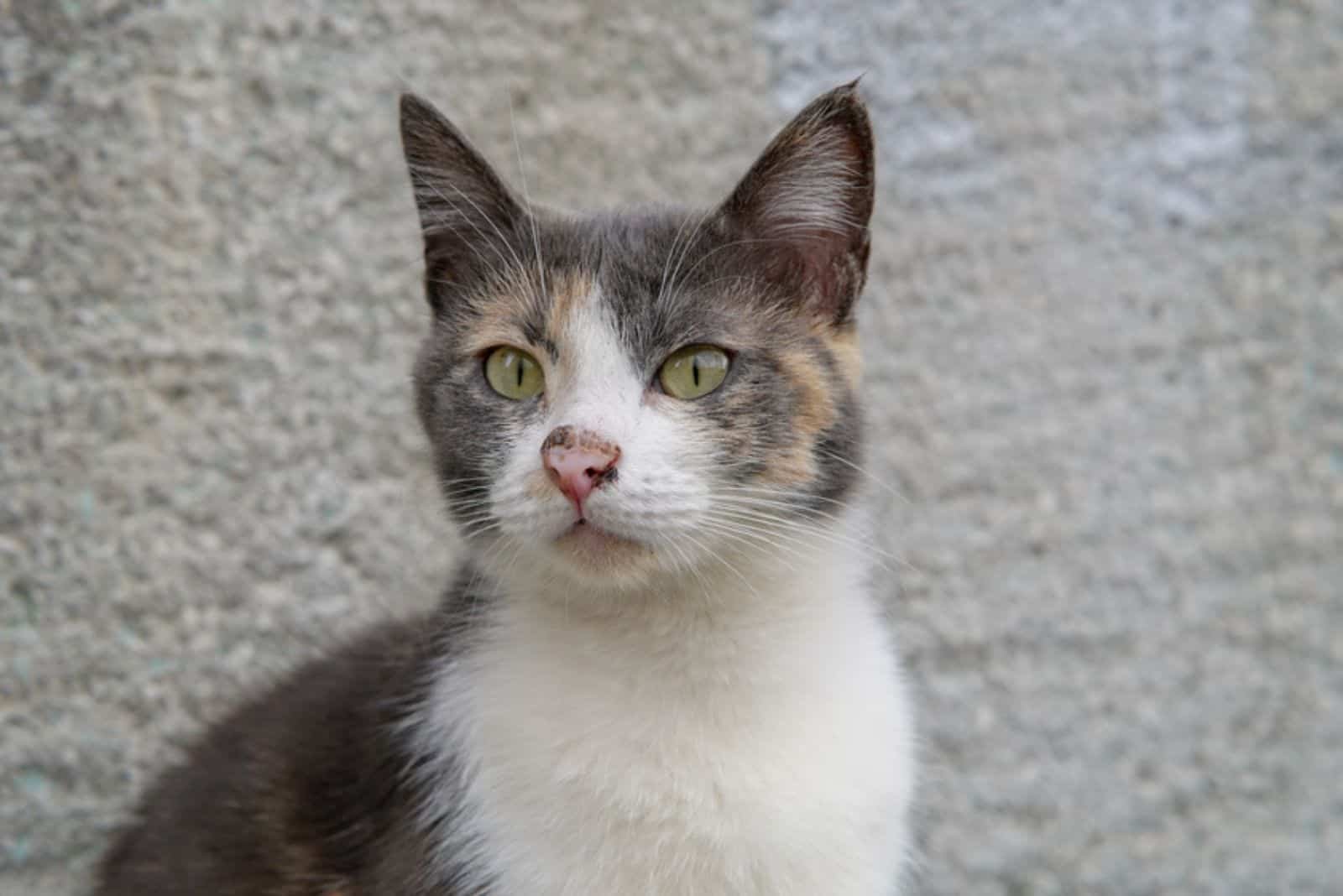
A little dried mucus can leave a crust around your cat’s nostrils. It may look dark if it mixes with dirt or contains dried blood. If the crust keeps coming back or your cat starts sneezing or eating less, call your vet. petco.com
If you’ve noticed black crust on your cat’s nose, here’s what can cause it, how to clean the area gently, and when to get it checked.
Advertisement – Continue Reading Below
Black Crust on a Cat’s Nose: Should You Be Worried?
Editing note: I revised the claim that black crust always signals a health problem. The color can have several causes.
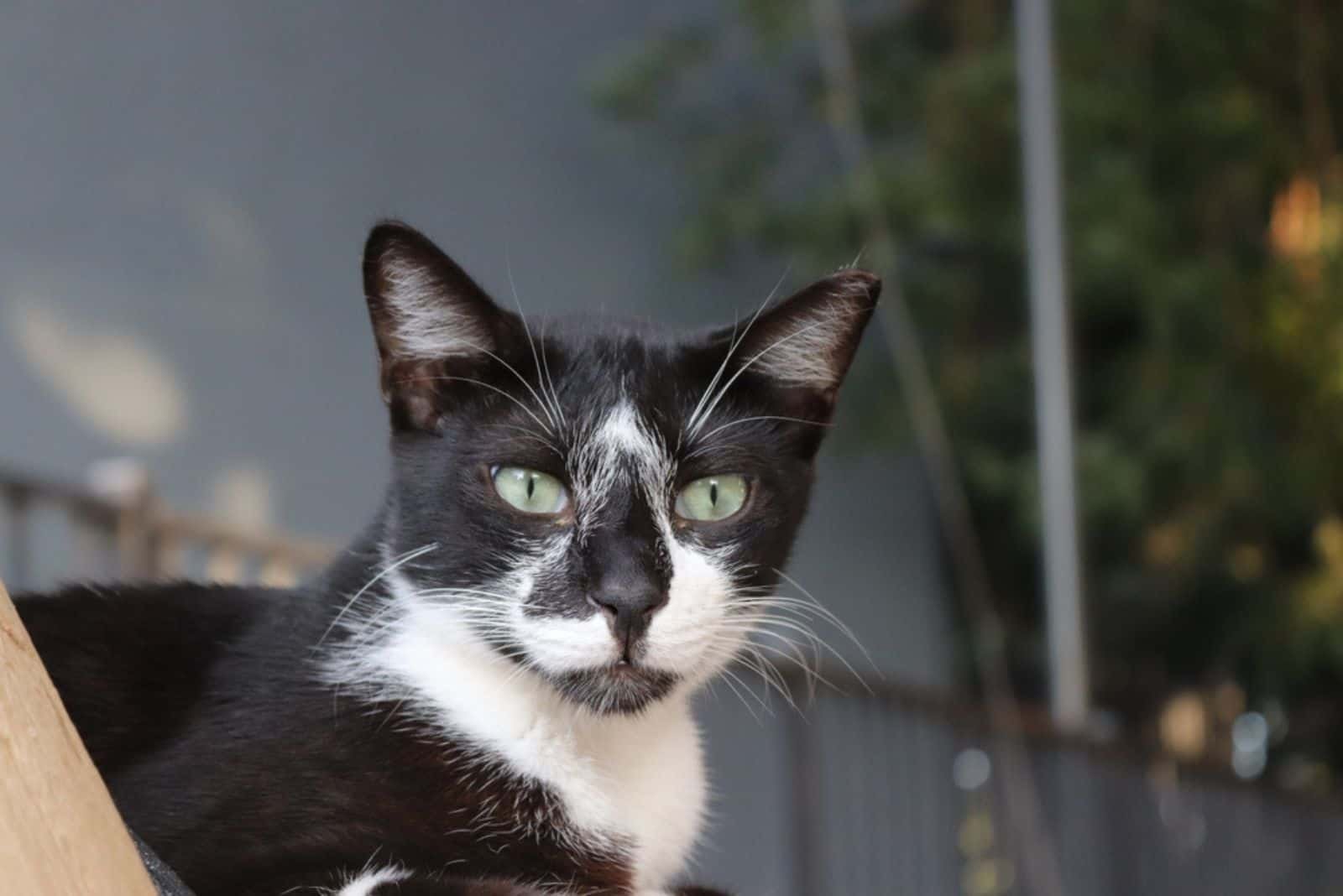
A dark crust around your cat’s nostrils can be as simple as a bit of dirt from exploring the garden. It can also be dried mucus from an upper respiratory infection. Check for other changes, such as sneezing, a runny nose, or a drop in appetite. www.petco.com
If the crust lasts more than a few days, keeps coming back, or appears alongside other symptoms, call your vet. If your cat has trouble breathing, seek emergency veterinary care right away. www.petmd.com
11 Possible Causes of Black Crust on a Cat’s Nose
1. Kibble Dust
1. Kibble Dust
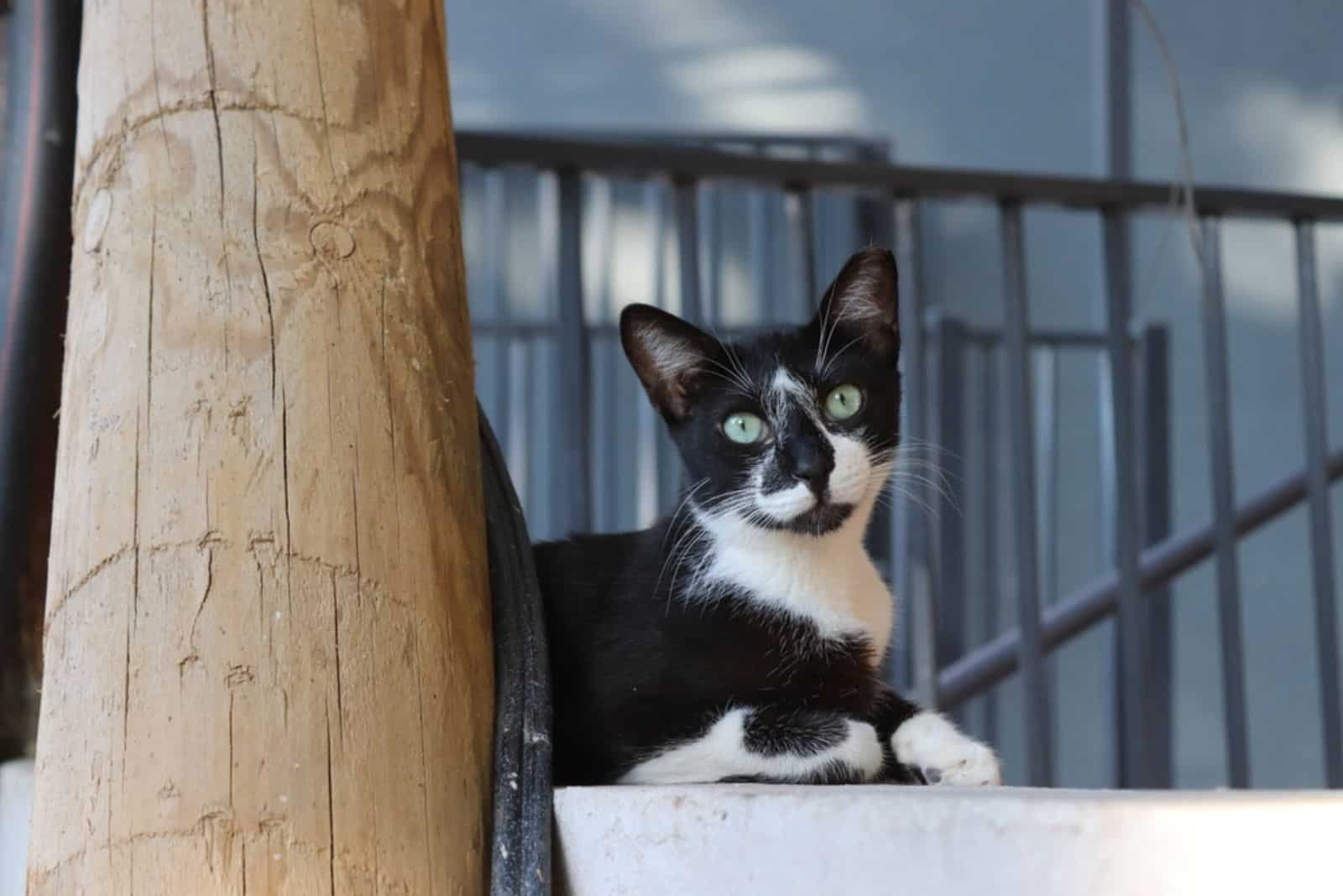
Dry cat food can leave fine crumbs at the bottom of the bowl. If your cat sniffs the bowl or eats with a damp nose, some of that dust may stick. Dark brown kibble can leave a smudge that looks almost black.
2. Dirt or Dust
Cats sniff just about everything, from the floor under the bed to the soil in the garden. A damp nose can pick up dust, litter, or dirt along the way. If that debris mixes with mucus and dries, it can leave a dark crust around the nostrils. petco.com
3. A Scab From a Scratch
A scratch on the nose can bleed a little and leave a dark scab as it heals. This can happen if another cat swipes at your cat’s face. If you think your cat was in a fight, check for other injuries. A bite can leave a tiny puncture that closes quickly and traps bacteria under the skin. Call your vet if you suspect a bite or notice swelling or pain. VCA Animal Hospitals
Related reading
Warning Signs When Introducing Cats
4. Something Stuck Inside the Nose
Editing note: I removed the claim that dark buildup around both the eyes and nose can be attributed to air pollution. I also revised the claim about how often cats fight.
4. Something Stuck Inside the Nose
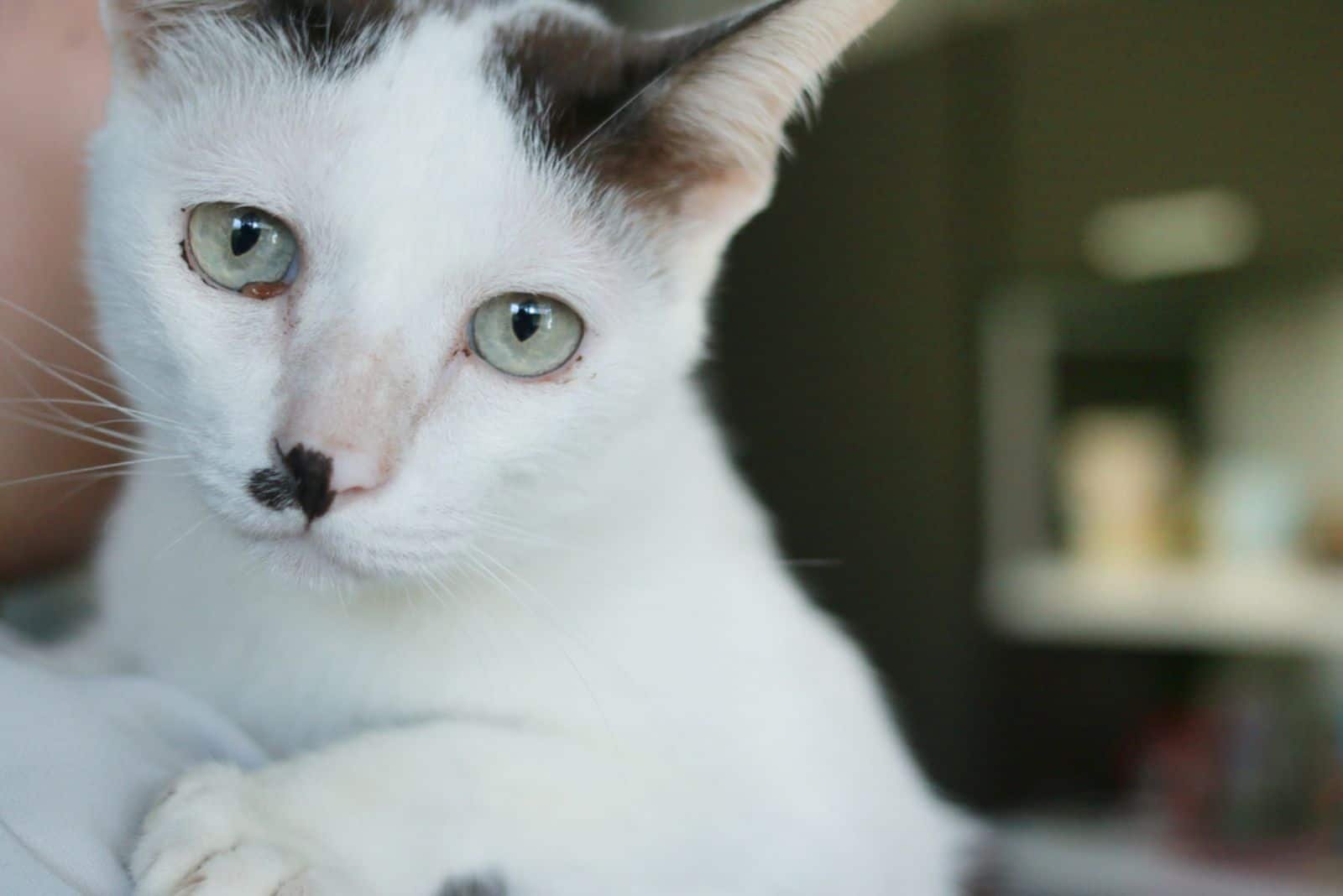
A cat can inhale a small piece of grass or other debris while sniffing around. If it gets stuck, your cat may sneeze repeatedly or paw at their nose. You might also notice discharge from just one nostril. If it contains blood, it can dry into a dark crust. Call your vet if you suspect something is stuck. Merck Veterinary Manual
Related reading
Why Your Cat Keeps Sneezing but Seems Fine
5. Upper Respiratory Infection (URI)
An upper respiratory infection can make your cat’s nose run. When the mucus dries, it can leave a crust around the nostrils. Other signs include sneezing, watery eyes, a stuffy nose, fever, and low energy. If your cat is struggling to breathe, seek emergency veterinary care right away. VCA Animal Hospitals
Related reading
6. Lentigo
Lentigo causes flat brown or black spots that look like freckles. It’s common in orange cats, and the spots can appear on the nose, lips, gums, or eyelids. They may grow larger or become more numerous as your cat ages. Lentigo itself is harmless, but ask your vet to check a new spot that feels raised or has started to bleed. lib.zu.edu.pk
Related reading
Black Specks on Your Cat’s Chin: Acne or Flea Dirt?
7. Feline Herpesvirus
Feline herpesvirus is a common cause of upper respiratory infections in cats. It spreads easily between cats, especially in places where many cats live together. A cat with an active infection may sneeze, squint, or have discharge from the eyes and nose. Nasal discharge can dry into a crust. Some cats also eat less or seem tired. VCA Animal Hospitals
Related reading
Why Your Cat Suddenly Seems Weak or Tired
8. Fungal Infection
Editing note: I removed the claim that delayed herpesvirus treatment causes damage to the bones of the nose and mouth. I also clarified that lentigo produces flat spots in the skin.
8. Fungal Infection
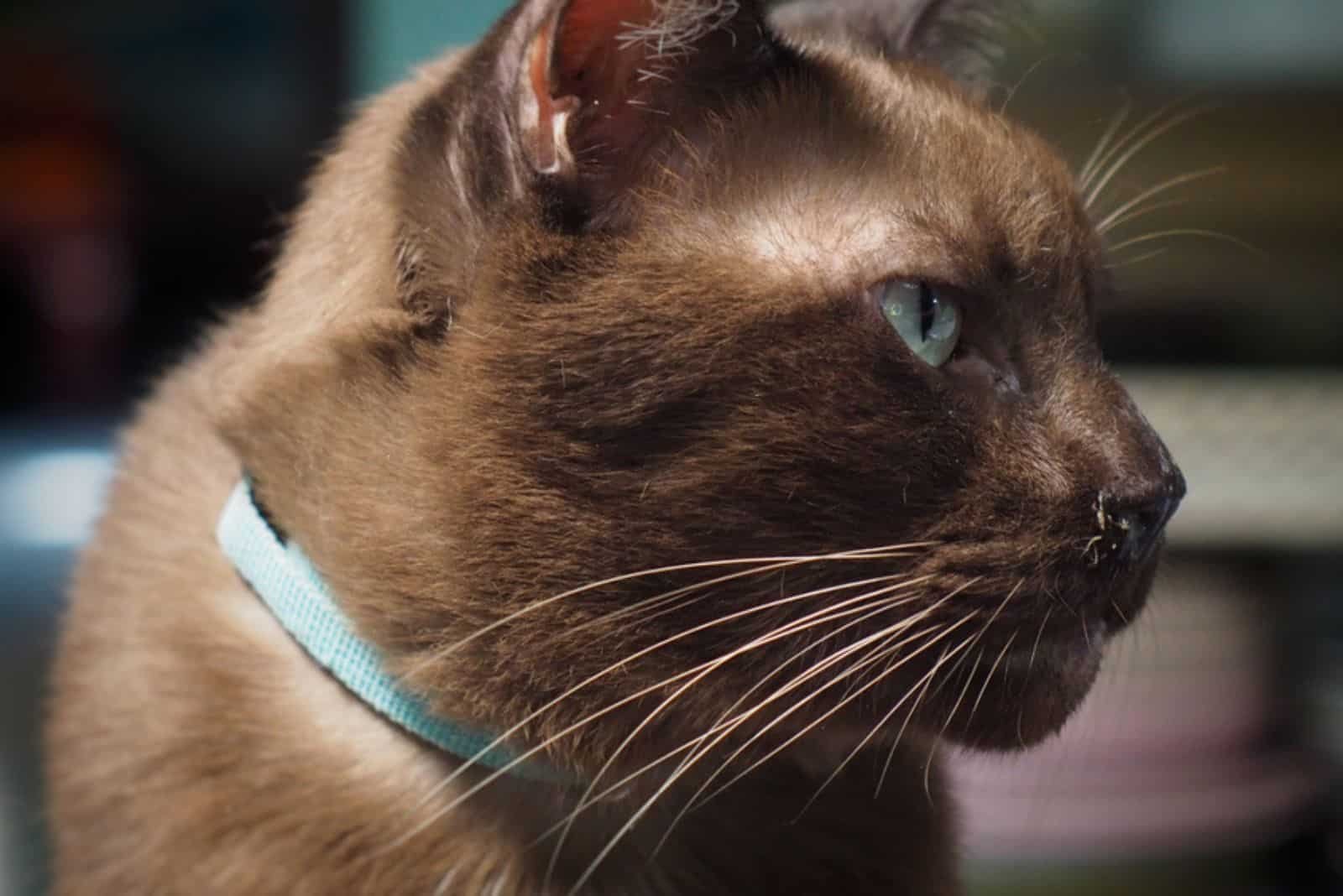
Some fungal infections affect a cat’s nose and sinuses. One example is cryptococcosis, which can cause a runny nose that lasts a long time. The discharge may contain mucus, pus, or blood. If it contains blood, it can dry into a dark crust around the nostrils. merckvetmanual.com
9. Sinusitis
Sinusitis happens when the lining of the sinuses becomes inflamed. It often occurs alongside inflammation inside the nose. Your cat may sneeze, sound stuffy, or have a runny nose. When the mucus dries, it can leave a crust around the nostrils. Merck Veterinary Manual
10. Nasopharyngeal Polyps
A nasopharyngeal polyp is a noncancerous growth that can block part of the airway behind a cat’s nose. It’s more common in young cats. You may hear a snorting sound when your cat breathes or notice sneezing and nasal discharge. The discharge can be clear or contain blood that dries into a dark crust. vet.cornell.edu
Related reading
11. Nasal Tumor
A nasal tumor can cause discharge that keeps coming back. It may start in one nostril and contain mucus, pus, or blood. Bloody discharge can leave a dark crust as it dries. Other signs can include noisy breathing or a change in the shape of your cat’s face. A vet can check for the cause, since several conditions can produce similar signs. Merck Veterinary Manual
What Should You Do About Black Crust on Your Cat’s Nose?
Editing note: I corrected the definition of sinusitis and focused the fungal infection section on signs that affect the nose.
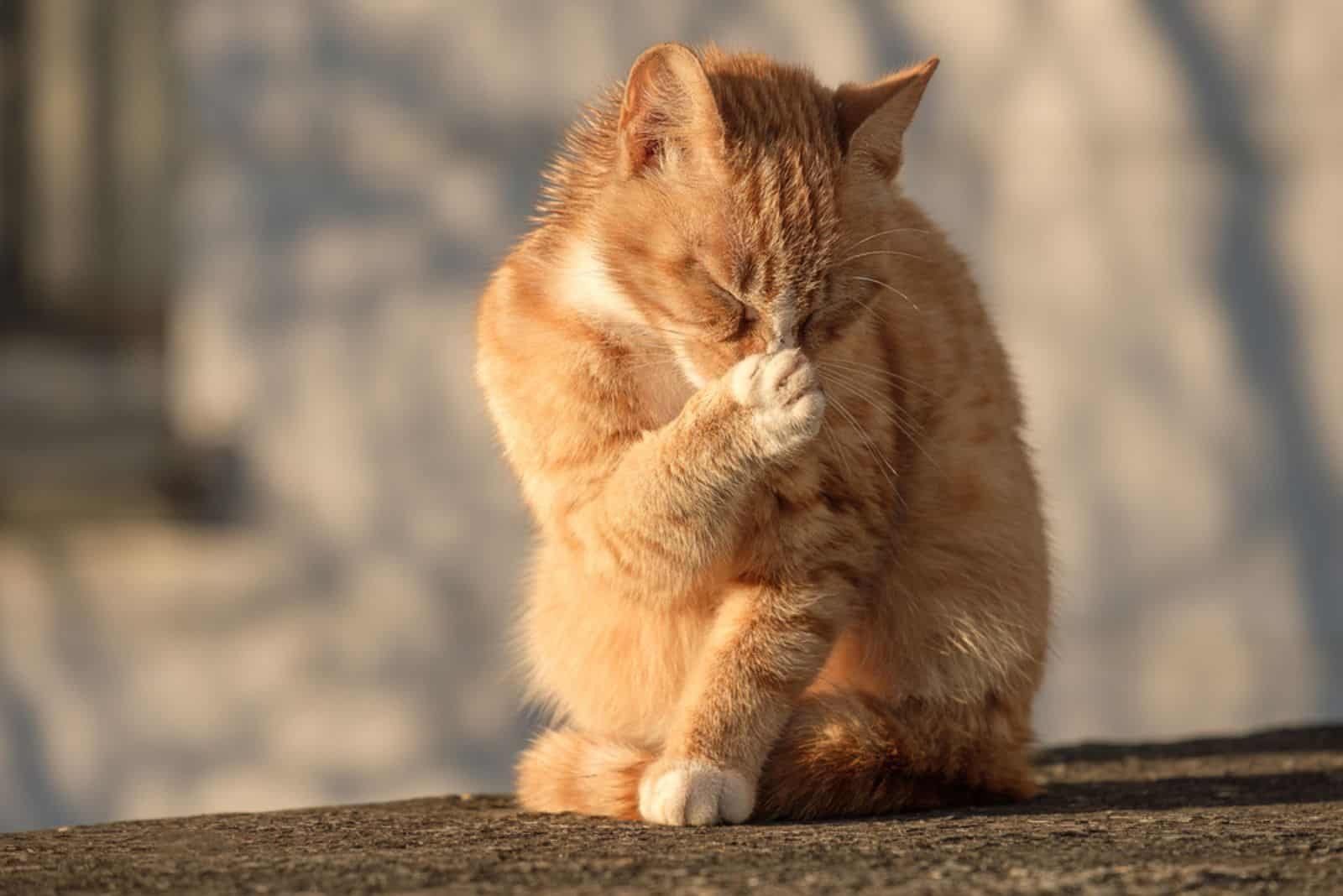
What Should You Do About Black Crust on Your Cat’s Nose?
A small smudge that wipes away easily may be dirt. If the crust keeps coming back, appears with bloody discharge, or comes with frequent sneezing or a poor appetite, call your vet. If your cat is struggling to breathe or breathing with their mouth open, seek emergency veterinary care right away. www.petco.com
[table id=237 /]
How to Clean Black Crust From Your Cat’s Nose
- Dampen a soft cloth with warm water.
- Gently dab the crust on the outside of your cat’s nose to soften it.
- Wipe away what comes off easily. Leave any scab or stuck crust in place. Keep the cloth outside the nostrils. humanepro.org
If your cat pulls away, pause and let them settle. You can offer a treat afterward to make the experience more pleasant.
Editing note. I kept the table shortcode as supplied and limited the cleaning steps to loose buildup on the outside of the nose.
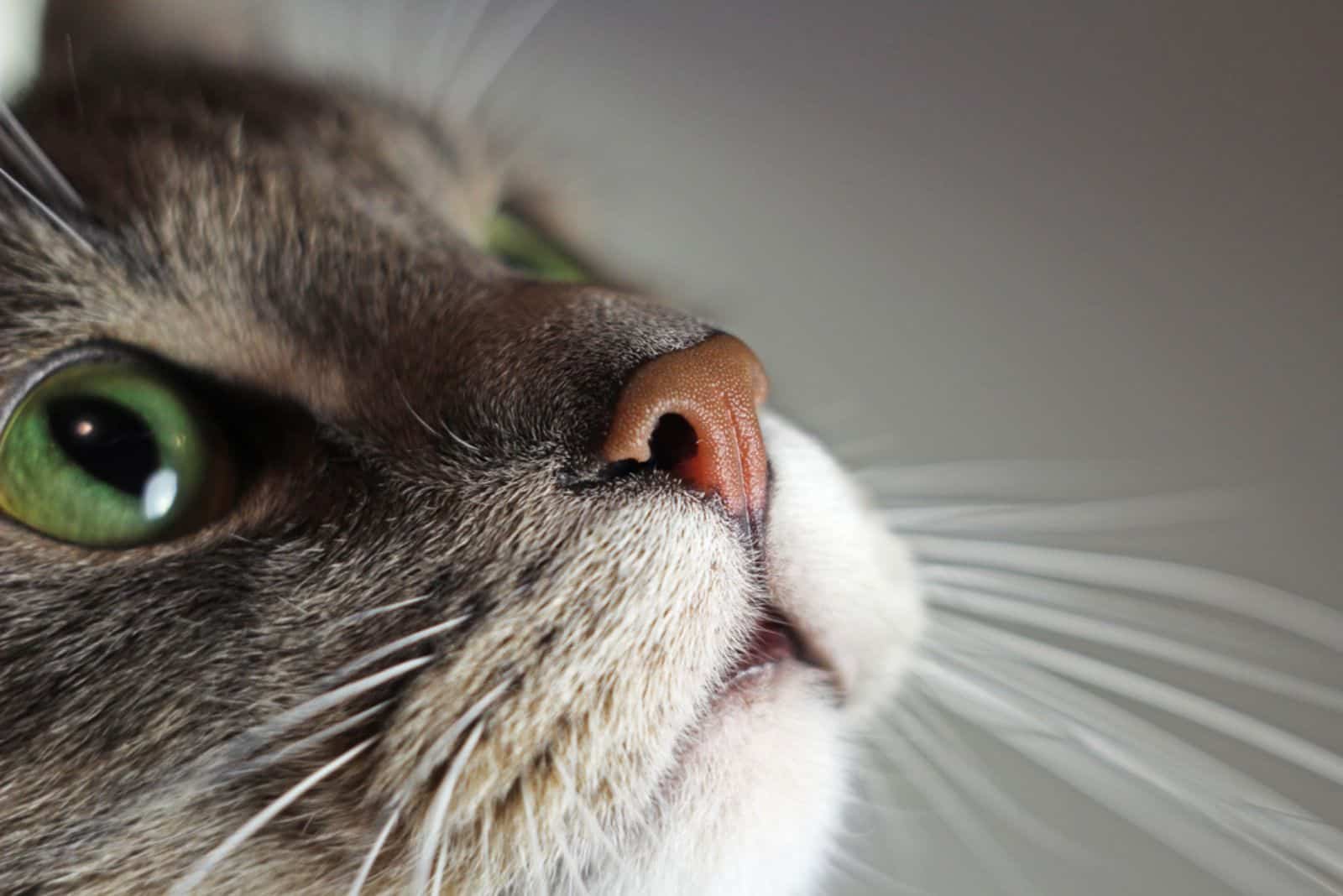
Gently wiping your cat’s nose can clear away loose buildup. If the crust comes back, ask your vet to check what’s causing it. A bit of kibble dust or dirt that wipes away and stays gone is usually less concerning, especially if your cat is eating and acting as usual. www.petco.com
Final Thoughts
Black crust on a cat’s nose can come from food dust, dirt, a healing scratch, or dried mucus. A flat dark spot that looks like a freckle may be lentigo, a harmless change in skin color. www.petco.com
Crust that keeps coming back can have several causes. Something may be stuck in the nose, or your cat may have a respiratory infection, sinus inflammation, a polyp, or a nasal tumor. Call your vet if the buildup keeps returning or you notice blood, frequent sneezing, or a drop in appetite. If your cat is struggling to breathe, seek emergency veterinary care right away. www.merckvetmanual.com
Editing note. I grouped the causes to keep the conclusion short and based the advice on whether the crust returns or appears with other symptoms.