7 Signs Your Pet May Be Stressed and How to Help


Pets can experience stress just like humans. Changes in routine, loud noises, unfamiliar places, or being left alone can make your furry friend uncomfortable.
Recognizing the early signs of stress can help you keep your pet happy, healthy, and relaxed.
Advertisement – Continue Reading Below
1. Changes in Appetite
If your pet suddenly eats less or refuses food, stress could be one reason. Keep feeding times consistent and provide a peaceful eating environment.

2. Excessive Barking or Meowing
Unusual barking, whining, or meowing may indicate anxiety. Pay attention to what triggers these sounds and try to create a calm atmosphere.

3. Hiding or Avoiding People
A stressed pet may hide under furniture or avoid interaction. Give your pet a quiet, comfortable space where they feel safe.

4. Unusual Aggression
Growling, hissing, or sudden irritability can be signs of discomfort. Avoid punishment and allow your pet some personal space.

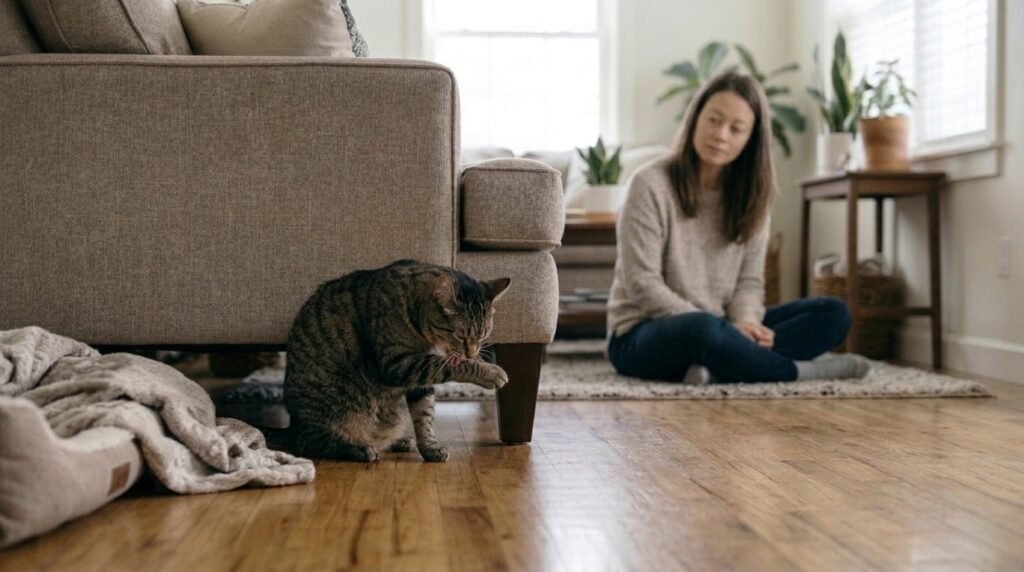
5. Excessive Licking or Grooming
Frequent licking, scratching, or grooming may be related to stress. If the behavior continues, consult your veterinarian to rule out medical issues.
6. Changes in Sleeping Habits
Stress may cause pets to sleep more than usual or become restless at night. A comfortable sleeping area and regular routine can help.

7. Destructive Behavior
Chewing furniture, scratching doors, or damaging household items may indicate stress or boredom. Provide interactive toys, regular exercise, and mental stimulation.

Simple Ways to Reduce Pet Stress
- Maintain a consistent daily routine.
- Provide a safe and quiet resting space.
- Spend quality time with your pet.
- Encourage regular exercise and playtime.
- Avoid sudden changes whenever possible.

Final Thoughts
Understanding your pet’s behavior is essential for their well-being. By recognizing these seven signs of stress early, you can help your furry companion feel safe and comfortable.

Remember, sudden or persistent behavioral changes may indicate a health problem, so seek veterinary advice when needed.
A calm, happy pet makes for a healthier and more loving companion!