What Is a Pet Shelter and How Does It Work?

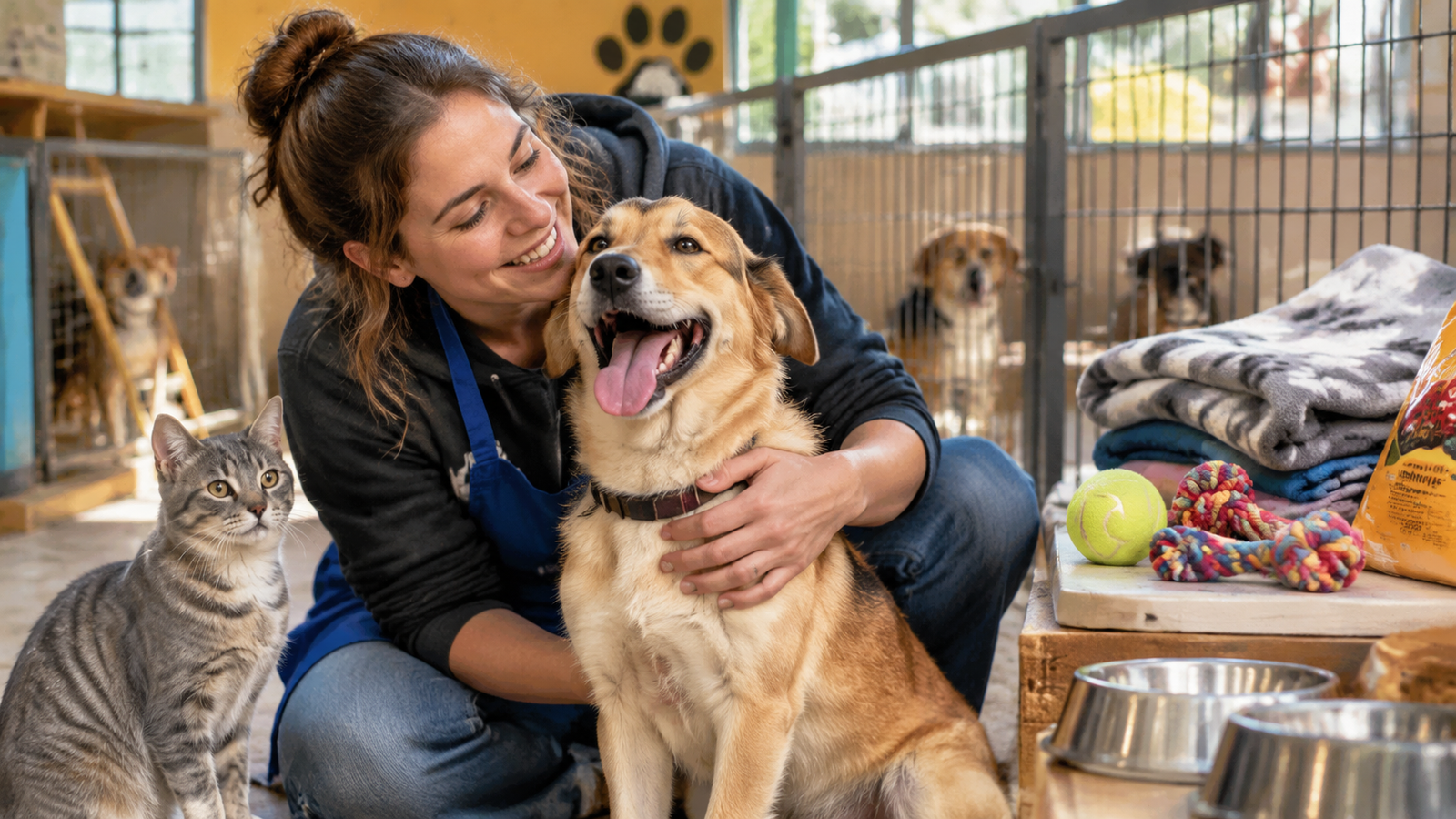
A pet shelter is a safe place where homeless, abandoned, lost, or surrendered animals receive temporary care and protection while waiting to find a loving home. These facilities commonly care for dogs, cats, rabbits, and other domestic animals that need help.
Pet shelters play an important role in animal welfare. They provide food, clean water, medical treatment, comfortable living spaces, and attention to animals that might otherwise struggle to survive on their own.
Advertisement – Continue Reading Below
But a pet shelter does much more than provide a temporary place to stay. It also helps animals recover, adjusts them to human interaction, and connects them with responsible families through adoption programs.
Whether you’re thinking about adopting a pet, supporting an animal rescue organization, or simply learning how shelters operate, understanding their daily work can help you appreciate the difference they make.
Let’s explore what happens inside a pet shelter, how animals receive care, and how you can help.
What Is the Main Purpose of a Pet Shelter?
The main purpose of a pet shelter is to protect animals that do not have a safe or permanent home. Some animals arrive after being abandoned, while others are rescued from unsafe environments or brought in by owners who can no longer care for them.
Shelters work to improve animal welfare by meeting pets’ physical, emotional, and medical needs.
Their responsibilities generally include:
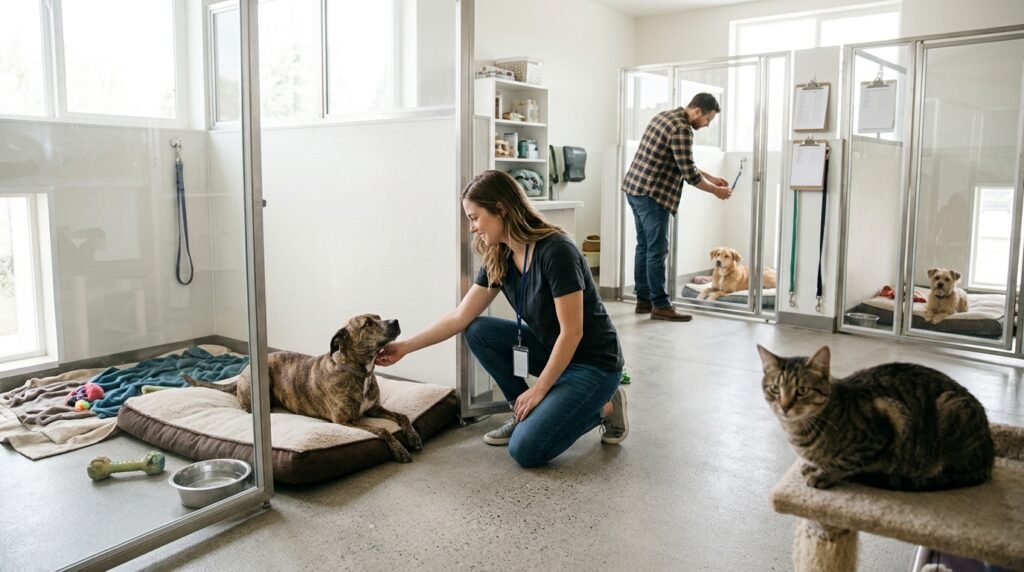
- Rescuing homeless animals: Providing temporary housing for stray, abandoned, and surrendered pets.
- Providing veterinary care: Arranging health examinations, vaccinations, medication, and treatment for injuries or illnesses.
- Preventing animal neglect: Offering protection to animals living in unsafe or unsuitable conditions.
- Supporting pet adoption: Helping animals find responsible families and permanent homes.
- Promoting responsible ownership: Educating communities about proper nutrition, vaccination, sterilization, and everyday pet care.
- Reducing unwanted litters: Supporting spaying and neutering programs to help manage animal populations.
Every shelter has its own approach, but the overall goal remains the same: to give animals a safe environment and an opportunity for a better life.
How Does a Pet Shelter Work?
Most pet shelters follow an organized process to care for animals from the moment they arrive until they are adopted or transferred to another suitable facility.
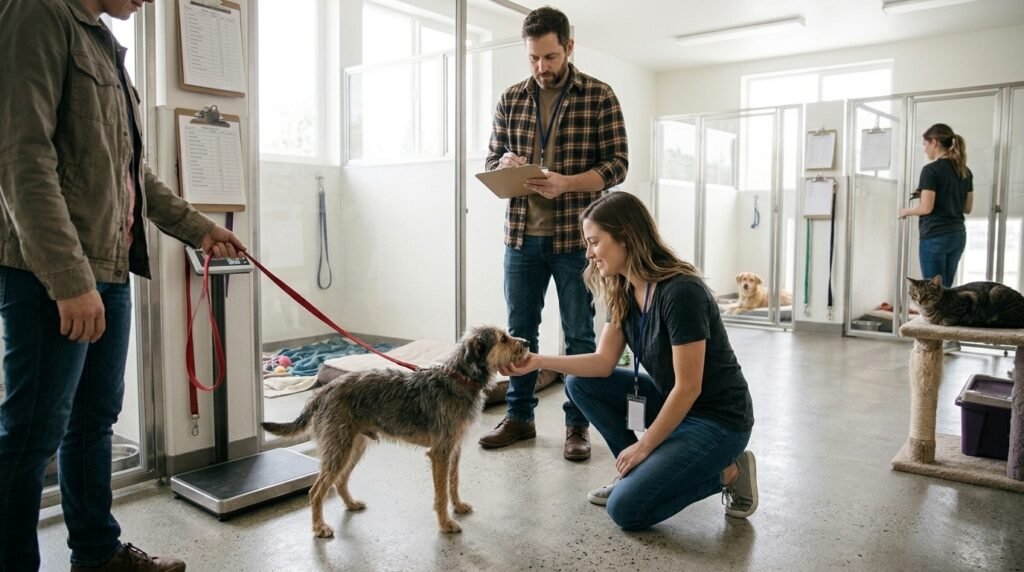
Although procedures vary depending on the organization’s size, funding, and resources, the process usually involves several important stages.
1. Rescuing and Receiving Animals
The process begins when an animal arrives at the shelter.
Some pets are brought in by people who find them wandering outdoors. Others are rescued by animal welfare organizations, local authorities, or volunteers responding to reports of neglect.
Owners may also surrender their pets because of financial difficulties, housing restrictions, relocation, or changes in family circumstances.

When an animal arrives, shelter staff record basic information, assess its condition, and check whether it has identification that could help reunite it with its owner.
If the animal appears lost rather than abandoned, the shelter may attempt to locate its family before making it available for adoption.
2. Health Checks and Veterinary Care
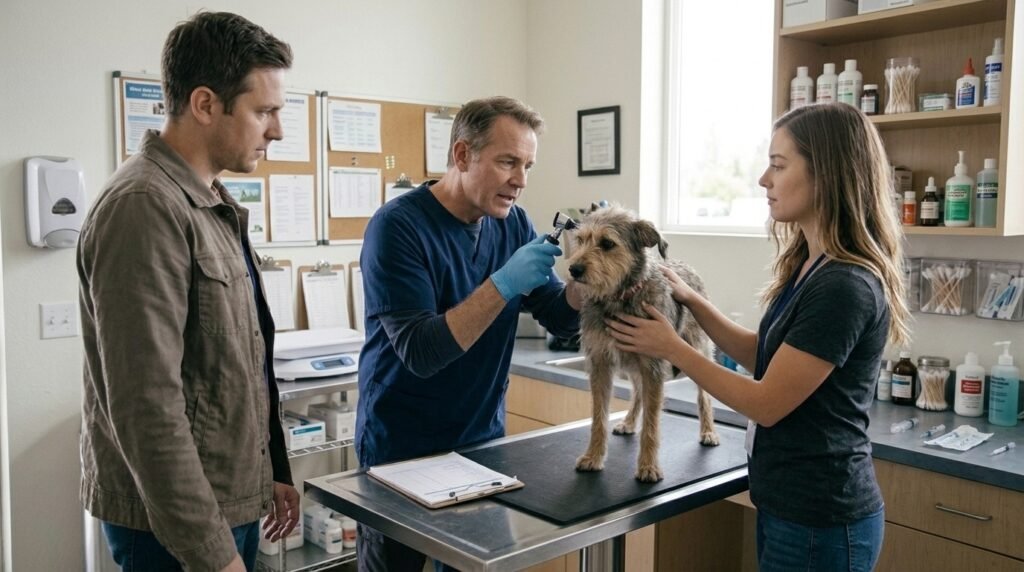
After admission, animals generally receive an initial health assessment to identify medical problems that need attention.
A veterinarian or trained animal care professional may examine the animal’s weight, skin, eyes, ears, teeth, and general physical condition.
Depending on its needs, the animal may receive:
- Routine vaccinations.
- Flea, tick, and parasite treatment.
- Deworming medication.
- Treatment for infections and injuries.
- Nutritional support.
- Spaying or neutering.
- Emergency veterinary care when necessary.
New arrivals may also be kept in a separate area for observation or quarantine to reduce the risk of spreading contagious illnesses.
Proper medical care helps animals recover and prepares them for a healthier transition into their future homes.
3. Providing Food, Water, and Comfortable Shelter
Daily care is one of the biggest responsibilities of a pet shelter.
Animals need regular meals, fresh drinking water, clean bedding, and safe spaces where they can rest.
Shelter staff usually prepare feeding schedules based on each animal’s age, size, health, and nutritional requirements.
Dogs need opportunities to exercise, play, and explore. Cats benefit from quiet environments, hiding spaces, scratching surfaces, and clean litter boxes.
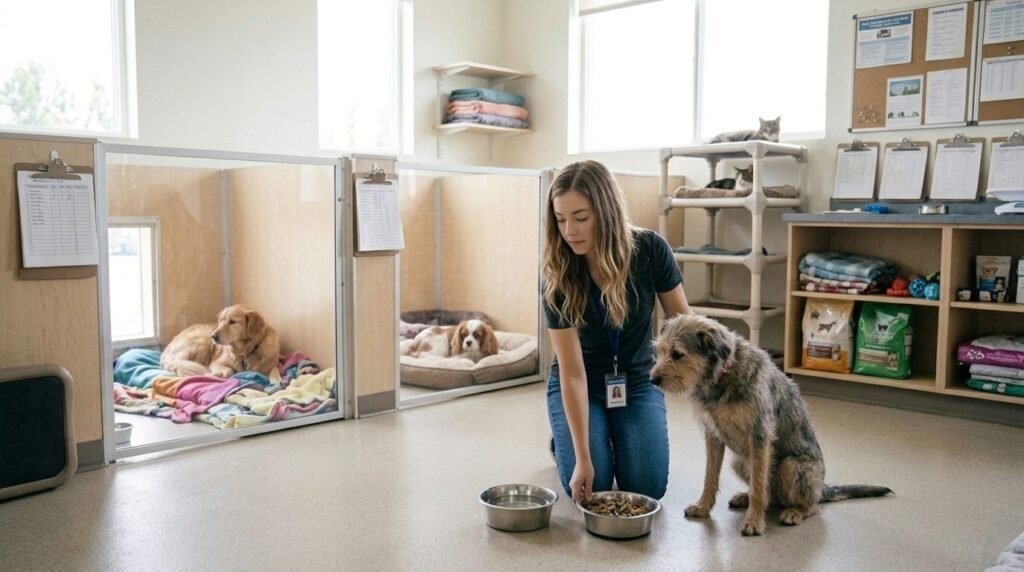
Cleaning is equally important. Kennels, feeding bowls, sleeping areas, and common spaces must be maintained regularly to reduce unpleasant odors and prevent disease.
A clean, comfortable environment helps animals feel more secure while they wait for adoption.
4. Training and Socialization
Animals entering shelters may have experienced stressful situations, abandonment, or limited interaction with people.
As a result, some may initially appear frightened, nervous, or withdrawn.
Shelter workers and volunteers help them become more comfortable through gentle handling, playtime, exercise, and positive interactions.
Dogs may receive basic training, including walking on a leash and responding to simple commands. Cats may be encouraged to interact with people and become comfortable in their surroundings.
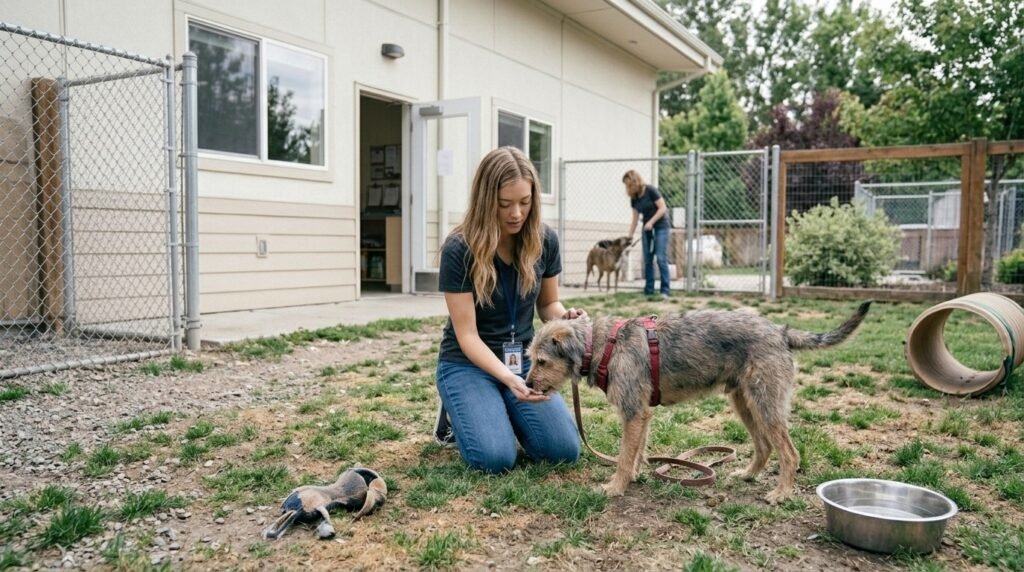
This process helps staff understand each animal’s personality, behavior, and individual needs.
It also makes it easier to match pets with families that can provide the right environment.
5. Finding Animals Permanent Homes
Adoption is one of the most important goals of many pet shelters.
Once animals are healthy and ready for placement, shelters introduce them to potential adopters through websites, social media, adoption events, and community outreach.
Interested families can visit the facility, meet available pets, and learn about their personalities, medical histories, and care requirements.
Depending on the shelter, the adoption process may include an application, an interview, a discussion about household conditions, and an adoption agreement.
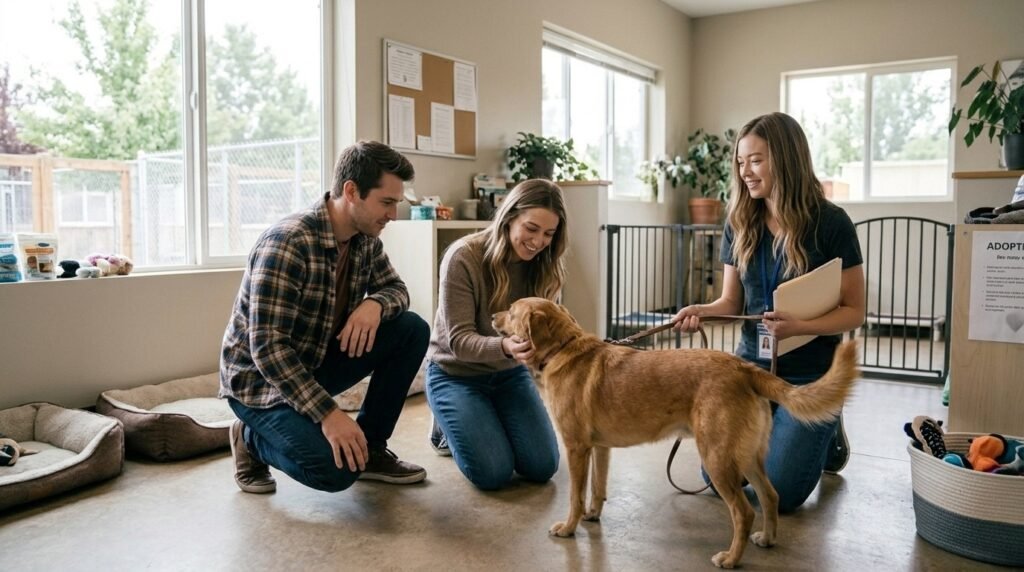
Some organizations also provide guidance about feeding, grooming, training, and veterinary appointments.
The goal is not simply to find an animal a new owner. It is to find a suitable family that can provide long-term care, attention, and affection.
What Types of Pet Shelters Are There?
Not every animal shelter operates in the same way. Different organizations offer different services depending on their facilities, funding, and mission.
Here are some common types of pet shelters.
1. Public or Municipal Animal Shelters
Public shelters are generally operated or funded by local government authorities.
They often accept stray animals, lost pets, and animals surrendered by their owners. Their responsibilities may also include animal control, public safety, and adoption services.
2. Private and Nonprofit Pet Shelters
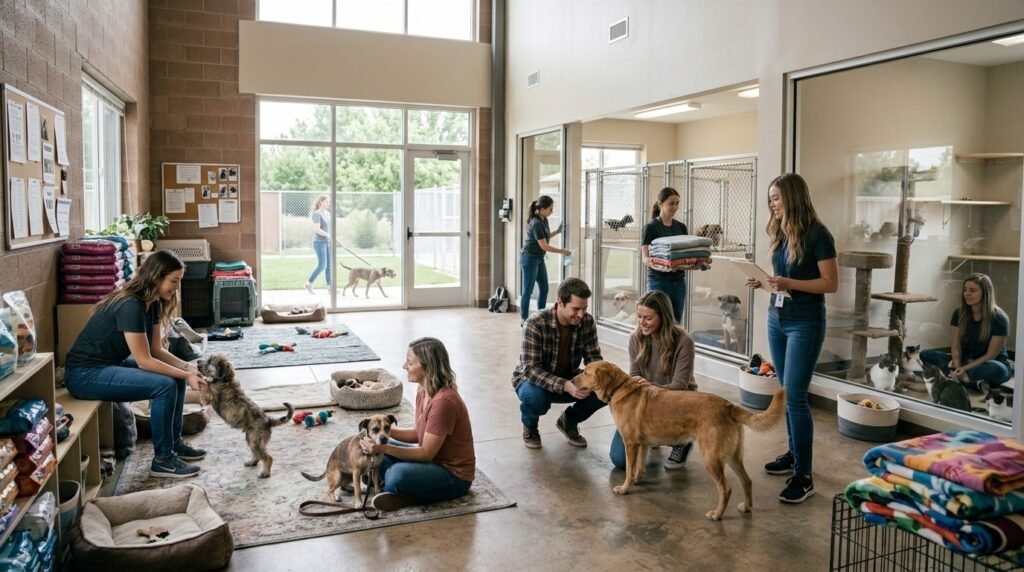
Private and nonprofit shelters are often established by animal welfare organizations or charitable groups.
They typically depend on donations, sponsorships, fundraising campaigns, and volunteers to support their operations.
Many focus on rescuing abandoned animals, providing medical care, and finding permanent homes.
3. Foster-Based Animal Rescues
Some rescue organizations do not operate a traditional shelter building.
Instead, they place rescued animals in temporary homes with volunteer foster families.
Foster caregivers provide everyday care, socialization, and a comfortable environment until the animals are adopted.
This arrangement can be especially helpful for young puppies, kittens, elderly pets, and animals recovering from illness.
4. Animal Sanctuaries
Animal sanctuaries provide long-term care for animals that may not be suitable for adoption.
These facilities often care for elderly, disabled, seriously ill, or special-needs animals.
Unlike traditional adoption-focused shelters, sanctuaries may provide lifelong accommodation and ongoing support.
How Are Pet Shelters Funded?
Running an animal shelter requires significant resources. Food, veterinary services, medications, cleaning supplies, staff salaries, and facility maintenance all contribute to operating costs.
Many nonprofit shelters depend on community support to continue their work.
Common sources of funding include:

- Individual donations: Contributions from people who want to support animal welfare.
- Corporate sponsorships: Financial assistance or supplies provided by local businesses.
- Fundraising events: Charity campaigns, adoption fairs, and community activities.
- Government funding: Financial support for public animal welfare programs.
- Adoption fees: Payments that help cover some of the costs associated with preparing pets for adoption.
- Volunteer support: Donated time and professional skills that reduce operating expenses.
People can also donate pet food, blankets, toys, cleaning materials, and other useful supplies.
Even small contributions can help shelters provide better care to animals in need.
How Can You Help a Pet Shelter?
You don’t have to work with animals professionally or own a pet to make a positive difference.
There are many simple ways to support your local animal shelter.
Adopt Instead of Buying
If you’re ready to welcome a pet into your family, consider adopting from a shelter.
Adoption gives a homeless animal an opportunity to enjoy a safe and loving environment. It also creates space and resources for shelters to help other animals.
Volunteer Your Time
Many shelters welcome volunteers who can help with daily activities.
Depending on the organization’s needs, you may be able to assist with feeding, cleaning, walking dogs, socializing cats, or organizing adoption events.

Donate Essential Supplies
Food, bedding, blankets, toys, and cleaning products are among the supplies shelters regularly need.
Contact the organization first to find out which items it currently accepts.
Become a Foster Caregiver
Fostering involves temporarily caring for an animal in your home until it finds a permanent family.
It can be particularly helpful for shelters with limited space or animals that need extra attention.
Spread Awareness
Sharing adoption announcements, rescue stories, and shelter fundraising campaigns can help organizations reach more people.
You can also encourage friends and family members to learn about responsible pet ownership.
Why Are Pet Shelters Important?
Pet shelters are important because they provide protection and essential care to animals that might otherwise face difficult living conditions.
Homeless pets can experience hunger, dehydration, injuries, disease, extreme weather, and other dangers. A shelter gives them access to basic necessities and professional support when available.
These organizations also help communities address issues related to stray animal populations and irresponsible pet ownership.
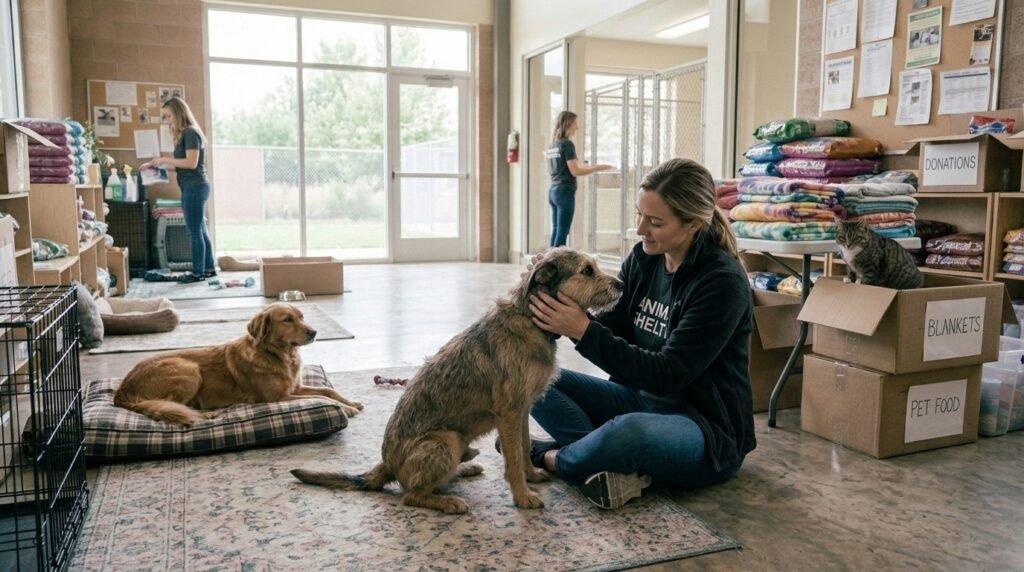
Through adoption programs, public education, and sterilization initiatives, shelters encourage more responsible relationships between people and animals.
Perhaps their greatest contribution is the opportunity they create for second chances.
A frightened or abandoned animal can gradually recover, develop trust, and eventually become a beloved member of a family.
Final Thoughts
A pet shelter is much more than a temporary home for abandoned animals. It is a place where pets receive protection, medical attention, nourishment, and the opportunity to start again.
From rescuing homeless animals and providing everyday care to arranging adoptions and educating communities, shelters make a meaningful contribution to animal welfare.

You can support their work by adopting a pet, volunteering, donating essential supplies, or helping spread awareness about responsible pet ownership.
Every small act of kindness matters. When communities work together, more animals have the opportunity to experience safety, companionship, and the loving homes they deserve.