My Cat Keeps Throwing Up but Seems Fine


Your cat throws up, then goes right back to playing or asking for food. If they seem fine afterward, it’s easy to wonder whether you need to do anything.
An occasional episode can happen, even in a healthy cat. But if your cat keeps throwing up but seems fine, call your vet. Whether you see food, hair, or foam, tell your vet what came up and how often it happens. vet.cornell.edu
Advertisement – Continue Reading Below
If you see blood in the vomit or your cat also has diarrhea, seems weak, or eats less than usual, contact your vet promptly. vet.cornell.edu
Here’s what can cause vomiting in cats and what to watch for if it happens again. the reasons why your feline vomits but acts normally, and when you should take things seriously and take her to the vet, then read on and find out as it may be useful for every pet parent.
12 Common Reasons Why My Cat Keeps Throwing Up But Seems Fine
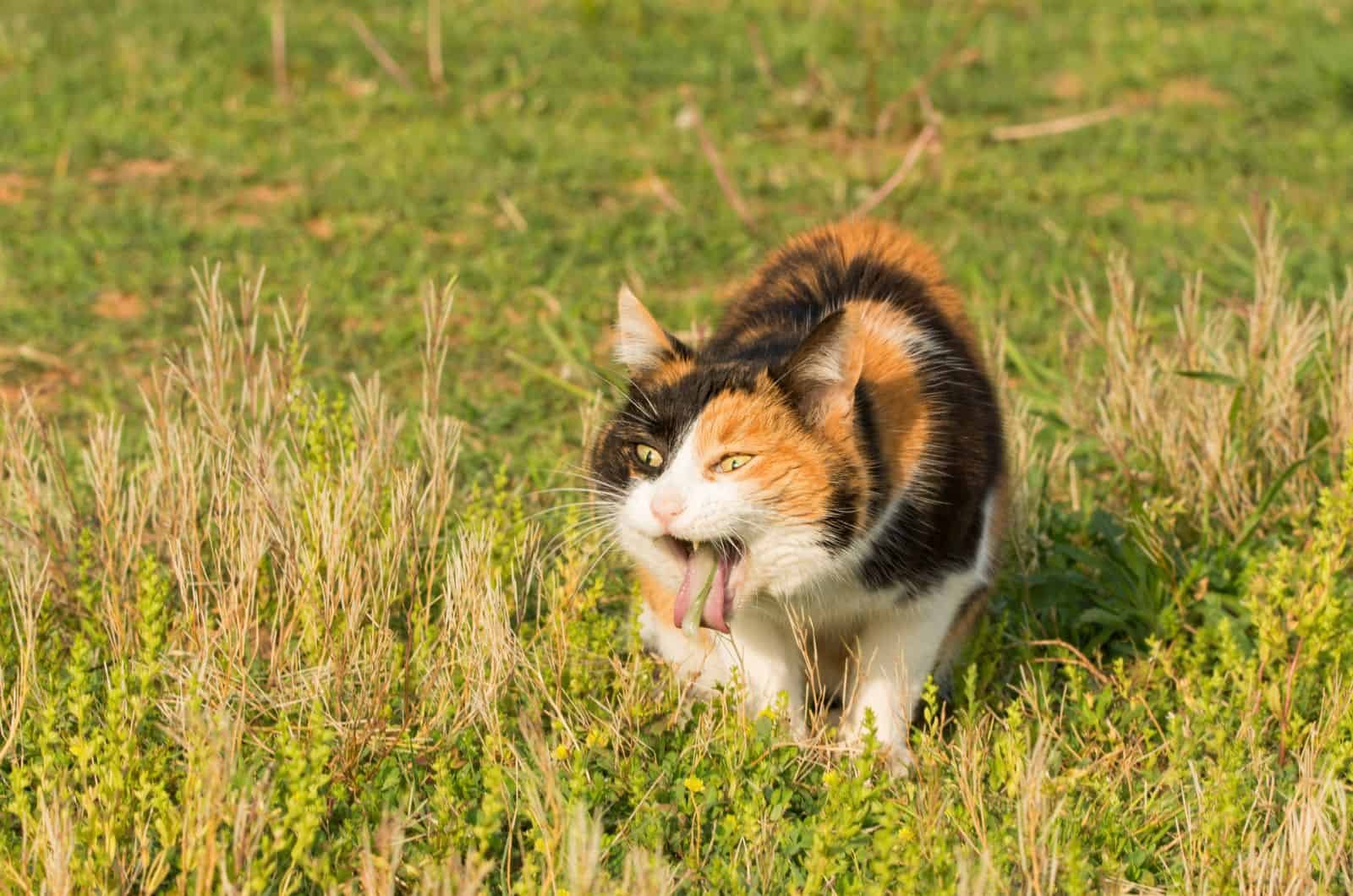
12 Reasons Your Cat Might Throw Up but Seem Fine
If your cat keeps throwing up but seems fine, pay attention to when it happens. Does it happen right after a meal? Do you see a clump of hair or pieces of whole kibble? These details can help your vet narrow down the cause. Call your vet if it keeps happening, even if your cat goes back to playing or eating afterward. www.vet.cornell.edu
1. Hairballs
Cats swallow loose hair when they groom. Most of it passes through their digestive system. Sometimes, though, hair collects in the stomach and forms a clump that the cat brings up. A hairball often looks like a damp, narrow lump and may be mixed with food or fluid. www.vet.cornell.edu
Long-haired cats tend to have more trouble with hairballs. Regular brushing can remove loose fur before your cat swallows it. If your cat brings up hairballs often, repeatedly retches without bringing anything up, or loses interest in food, call your vet. vet.cornell.edu
2. Eating Too Much at Once
If your cat brings up food after a big meal, look at how much they ate. In a home with several cats, one cat might finish their own dinner and then move on to another bowl. Feeding your cats in separate rooms can help you see how much each one eats.
You can also ask your vet whether splitting your cat’s usual daily amount into smaller meals makes sense. If the episodes continue, tell your vet how much your cat ate and how soon afterward the food came up. www.vet.cornell.edu
3. Eating Too Fast
Some cats gulp their food and bring it back up soon after eating. This may be regurgitation. The food often looks much the same as it did in the bowl, and it comes up with little effort. With vomiting, you’ll usually see retching or belly contractions first. VCA Animal Hospitals
If your cats rush through meals when they eat together, try giving each one a quiet place to eat. Tell your vet if food keeps coming back up, even after you change the feeding setup. www.vet.cornell.edu
4. Diet Problems
I left out the draft’s symptom checklist for “hair gastritis” and its feeding instructions for severely underfed cats. I also clarified how to tell regurgitation from vomiting.
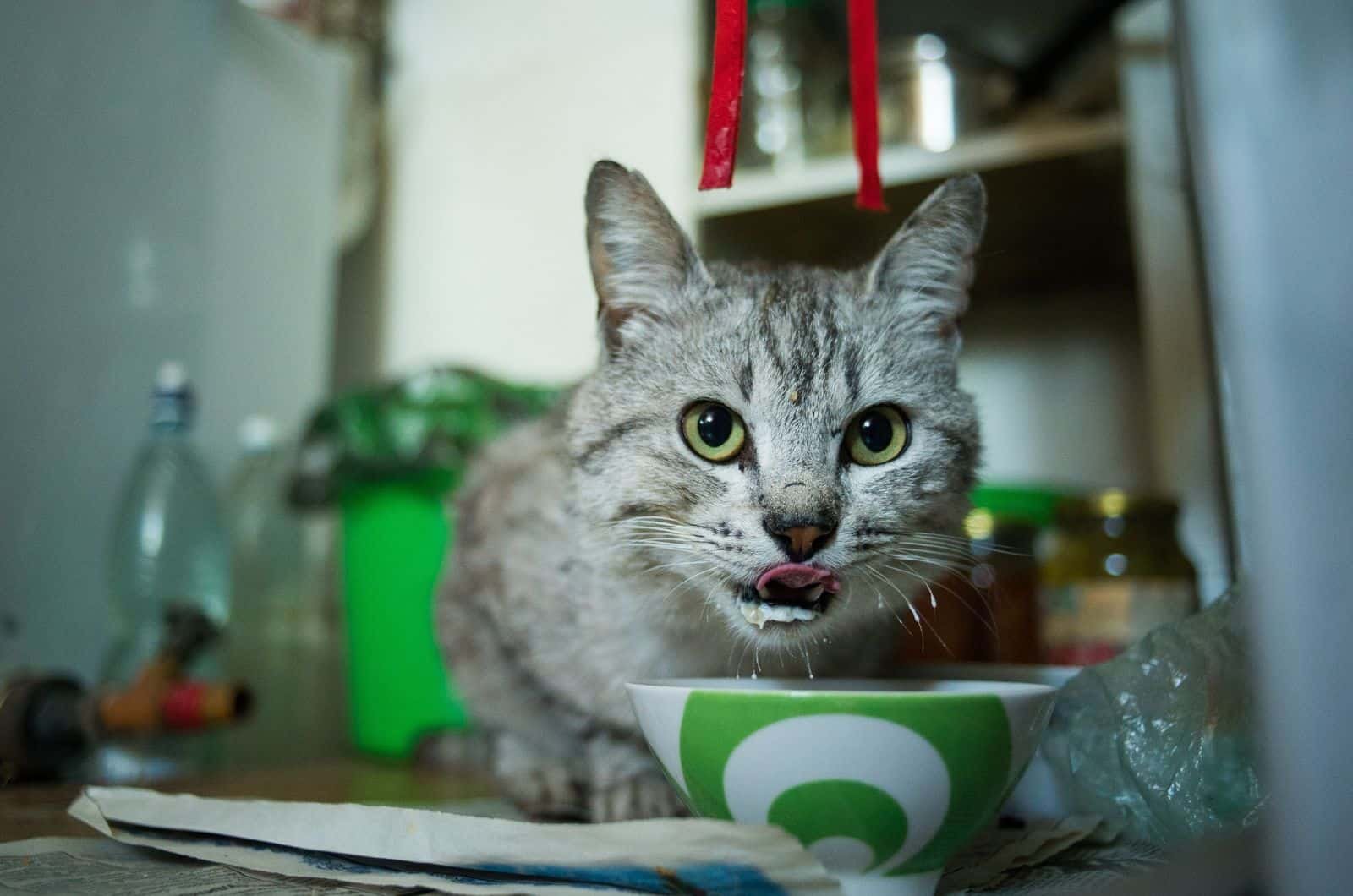
4. Diet Problems
Choose cat food labeled complete and balanced for your cat’s life stage. Kittens need food formulated for growth, while healthy adult cats can eat food made for adult maintenance. Wet food adds moisture to the diet. You can feed wet food, dry food, or a mix, as long as it meets your cat’s nutritional needs. vet.cornell.edu
Milk and other dairy products can upset a cat’s stomach. Many adult cats have trouble digesting lactose, the natural sugar in milk. If your cat repeatedly throws up after a particular food or treat, write down what they ate and when they got sick. Share those details with your vet. vet.cornell.edu
5. Food Allergies
A cat can develop a food allergy even after eating the same food for a long time. Itchy skin is a common clue. Your cat might scratch around their head or neck or lick themselves enough to lose patches of fur. Some cats also vomit or have diarrhea. vet.cornell.edu
If your vet suspects a food allergy, they may suggest an elimination diet. During this trial, your cat eats only the food your vet recommends. If the signs improve, your vet may reintroduce the original food to see whether they return. vet.cornell.edu
6. Eating Something Toxic
Onions, garlic, chocolate, caffeine, and alcohol can all harm cats. Vomiting is one possible sign, and the effects vary depending on what your cat swallowed. If you think your cat ate or drank something toxic, call your vet or an emergency veterinary clinic right away, even if your cat still seems fine. ASPCA
7. Pancreatitis
Pancreatitis happens when the pancreas becomes inflamed. This organ makes enzymes that help digest food. Some cats with pancreatitis vomit, while others mainly eat less or seem unusually tired. These early changes can be easy to miss. If your cat keeps vomiting or starts skipping meals, contact your vet. vet.cornell.edu
I corrected the claims about mixing wet and dry food, clarified how vets check for food allergies, and completed the cut-off pancreatitis section using verified symptoms.xtreme loss of appetite, pain, diarrhea, weakness, and lethargy, then it may be pancreatitis that is causing the problem so you should take your cat to the vet right away.
Reason No8 – New Cat Food
8. Switching Cat Food Too Quickly
If your cat throws up soon after you switch foods, the sudden change may have upset their stomach. When possible, start by mixing a small amount of the new food into their usual meal. Over several days, gradually add more of the new food and less of the old food. If your cat keeps vomiting or refuses meals, call your vet. icatcare.org
9. Bringing Up Undigested Food
If you see whole pieces of kibble shortly after a meal, watch how the food comes up. If it comes up with little effort, your cat may be regurgitating. If your cat retches or their belly heaves first, it’s more likely to be vomiting. Tell your vet what you saw if it happens repeatedly. www.cats.org.uk
10. Eating Table Scraps
A bite from your plate can upset your cat’s stomach, especially if the food contains rich sauces or dairy. Many adult cats have trouble digesting lactose, the sugar in milk. Some common ingredients, such as onions and garlic, can also be toxic. Keep fresh water available, and if you share a treat, stick to a tiny bite of plain, cooked, unseasoned meat with no bones. www.vet.cornell.edu
11. Swallowing a Foreign Object
Cats sometimes swallow string, ribbon, hair ties, or small toy parts. These items can get stuck in the digestive tract. Call a vet right away if you suspect your cat swallowed one, even if they seem fine. If you see string sticking out of their mouth or bottom, leave it in place and get veterinary help. Pulling it can injure the digestive tract. VCA Animal Hospitals
12. Intestinal Worms
Worms such as roundworms can cause vomiting, diarrhea, or poor growth in kittens. You may even spot a worm in your cat’s vomit or stool. If you do, take a photo and contact your vet. They can identify the parasite, choose a dewormer that treats it, and advise you on how to reduce the risk of reinfection. vet.cornell.edu
I replaced the fixed digestion timeline with the distinction between vomiting and regurgitation. The draft ended mid-sentence with a suggestion about homemade dewormers, so I closed the section with vet-guided treatment. owners.
Cause Of Vomiting In Cats – When To Worry?
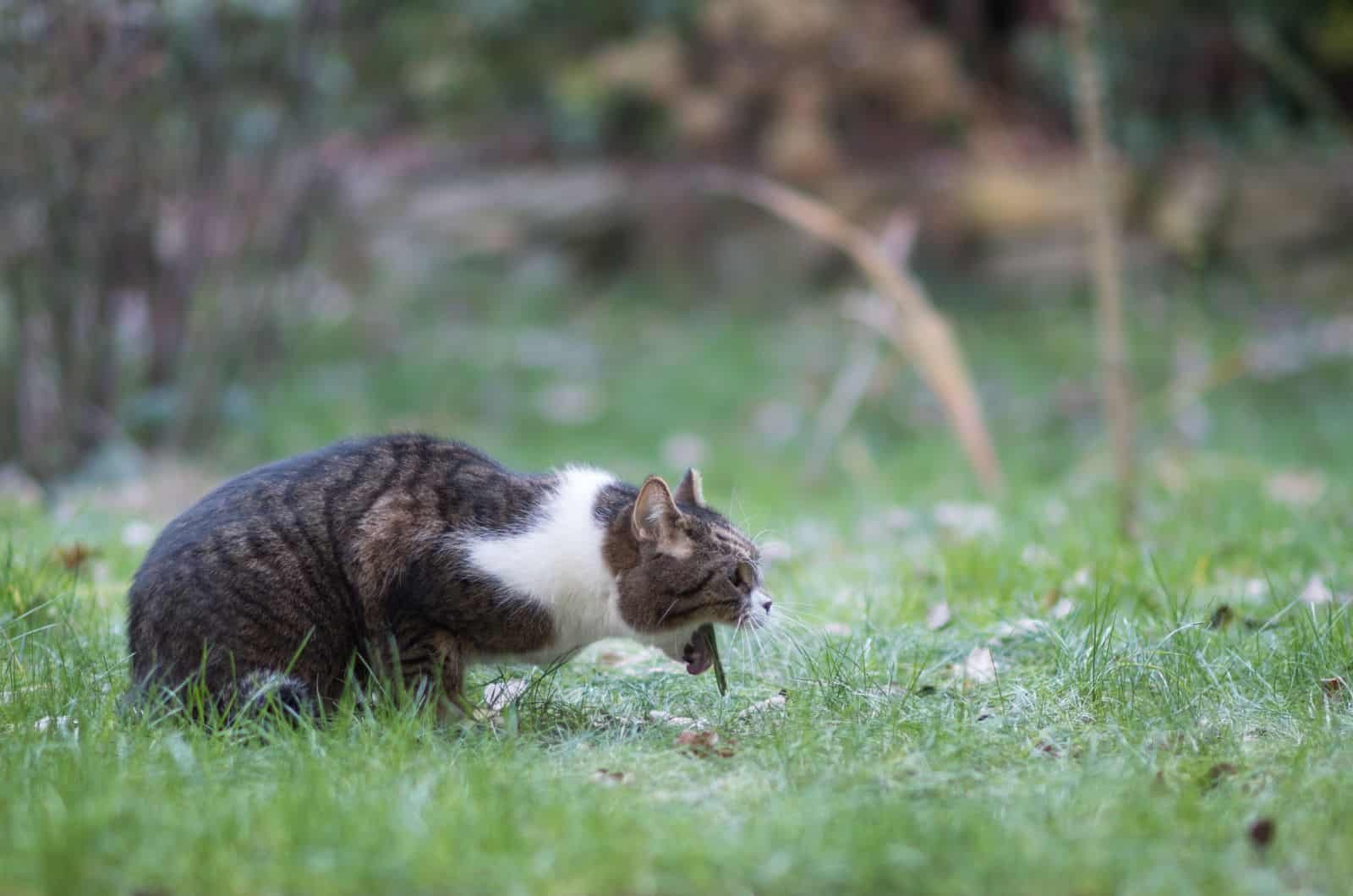
Health Conditions That Can Cause Vomiting in Cats
If your cat keeps throwing up but seems fine between episodes, call your vet. Tell them how often it happens and whether you’ve noticed changes in your cat’s appetite, weight, thirst, or litter box habits. Those details can help your vet decide what to check first. www.vet.cornell.edu
Hyperthyroidism
Hyperthyroidism develops when the thyroid gland makes too much thyroid hormone. It’s most common in middle-aged and older cats. One clue is weight loss despite a bigger appetite. Your cat may also drink more, act restless, or have vomiting or diarrhea. A blood test can help your vet diagnose it and discuss treatment options. vet.cornell.edu
Stomach and Intestinal Problems
Infections, inflammation, and intestinal blockages can all cause vomiting. You may also notice diarrhea, constipation, a sore belly, or less interest in food. Depending on the signs, your vet may recommend blood tests, a stool test, X-rays, or an ultrasound. If you think your cat swallowed string, ribbon, or part of a toy, call a vet right away. www.vet.cornell.edu
Kidney Disease
The kidneys filter waste from the blood and help control fluid levels. A cat with chronic kidney disease may drink more and leave larger clumps in the litter box. As the disease progresses, some cats lose weight, eat less, or vomit. Blood and urine tests can help your vet check kidney function. Treatment can slow the disease and help your cat feel better. vet.cornell.edu
Liver Disease
Liver problems can cause vomiting, a poor appetite, weight loss, or low energy. Some cats also develop jaundice, which can make the whites of the eyes or the gums look yellow. If you notice yellowing, contact your vet promptly. Treatment depends on what’s causing the liver problem. vet.cornell.edu
Inflammatory Bowel Disease
Inflammatory bowel disease, or IBD, causes ongoing inflammation in the digestive tract. The inflammation can thicken the lining and make it harder for your cat to digest food and absorb nutrients. Common signs include repeated vomiting, diarrhea, and weight loss. Since other conditions can cause similar signs, vets use tests to narrow down the cause before choosing a treatment. vet.cornell.edu
What Can the Color of Cat Vomit Tell You?
Color can help you describe what you saw. Pay attention to the texture, how often your cat vomits, and how they act afterward. A photo can help your vet see what you mean. www.vet.cornell.edu
| What you see | What it may mean |
|---|---|
| Dark, grainy material like coffee grounds | This may be digested blood. Call a vet right away. |
| Pink streaks or bright red vomit | This may contain fresh blood. Call a vet right away if you see or suspect blood. |
| Yellow or green liquid | It may contain bile. If it keeps happening, contact your vet. |
| Clear liquid or white foam | This can happen for several reasons. Call your vet if your cat keeps bringing it up or seems unwell. |
When Should You Take Your Cat to the Vet?
Call your vet promptly if your cat vomits several times in one day or keeps vomiting over several days or weeks. Mention any other changes, including diarrhea, weakness, poor appetite, or increased thirst. Seek urgent veterinary advice if you suspect blood in the vomit or think your cat swallowed something dangerous. www.vet.cornell.edu
How to Care for Your Cat After Vomiting
I corrected the description of IBD and revised the color guide and timing advice. The draft ended at the next heading, so I completed the heading for the following section.omiting?
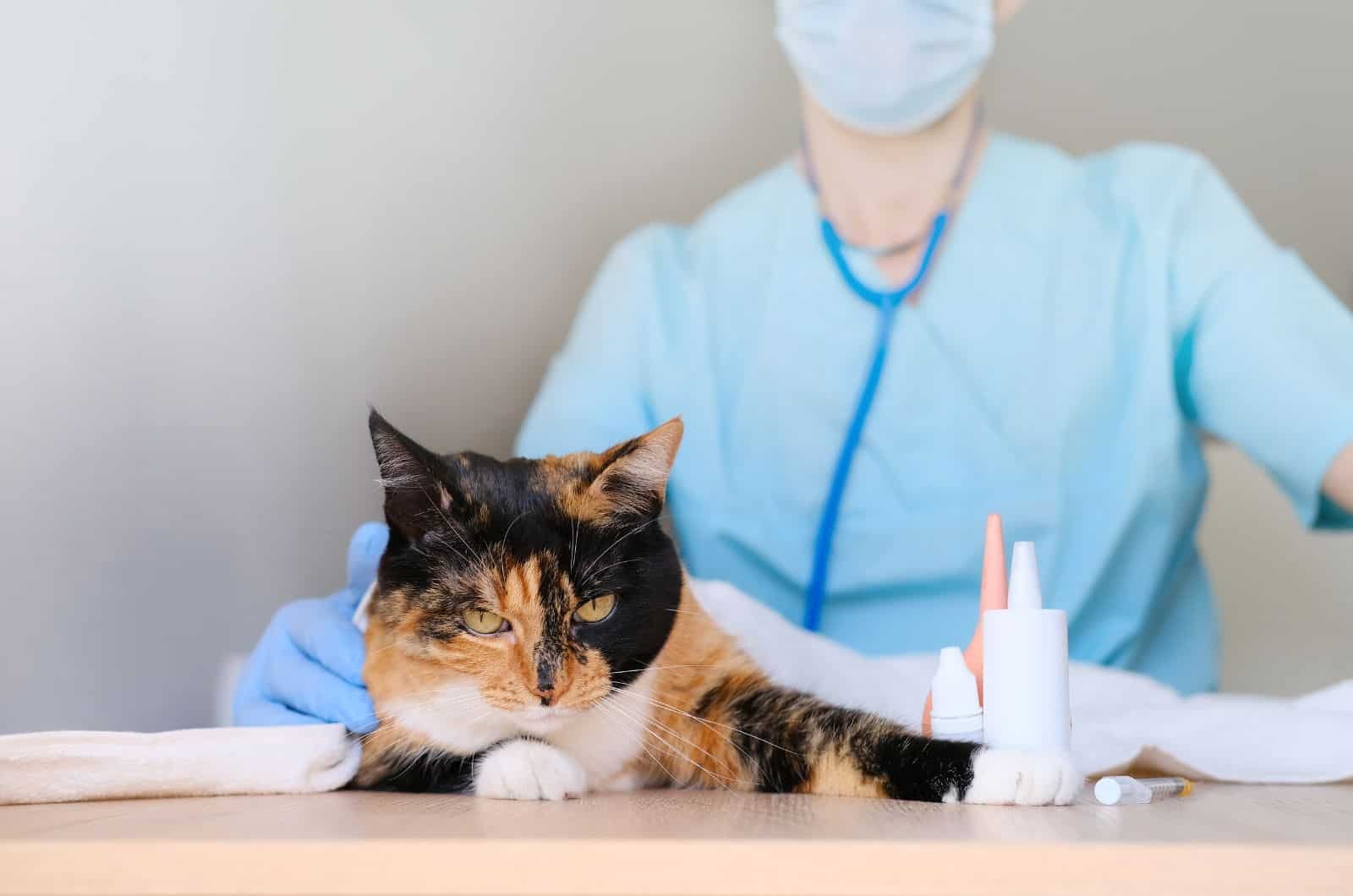
How to Care for Your Cat After Vomiting
Call Your Vet if It Keeps Happening
If your cat keeps throwing up but seems fine between episodes, call your vet. Note how often it happens, whether it follows a meal, and what comes up. Also mention any changes in appetite, thirst, or litter box habits. These details can help your vet decide what to check first. www.vet.cornell.edu
Ask Whether a Diet Change Would Help
Choose a complete and balanced food for your cat’s life stage. Kittens need food formulated for growth. If your cat often vomits after meals, ask your vet whether a change in food or meal size might help. If they suspect a food allergy, they may suggest a supervised food trial to identify the trigger. www.vet.cornell.edu
Try a Slow Feeder if Your Cat Gulps Food
If your cat gulps dinner and brings it back up soon afterward, try a slow feeder. The ridges in the bowl make it easier for your cat to take smaller bites. If you have several cats, try feeding them in separate rooms so each one can eat at their own pace. Tell your vet if food keeps coming back up after you change the feeding routine. www.cats.org.uk
Brush Your Cat to Reduce Hairballs
Regular brushing removes loose fur before your cat swallows it while grooming. This can be especially helpful for long-haired cats. If your cat brings up hairballs often or keeps retching without bringing anything up, call your vet. Ask whether a hairball-control food or gel is suitable for your cat. www.vet.cornell.edu
Frequently Asked Questions
I revised the draft’s blanket advice about special diets and focused the hairball section on brushing and vet-guided options.
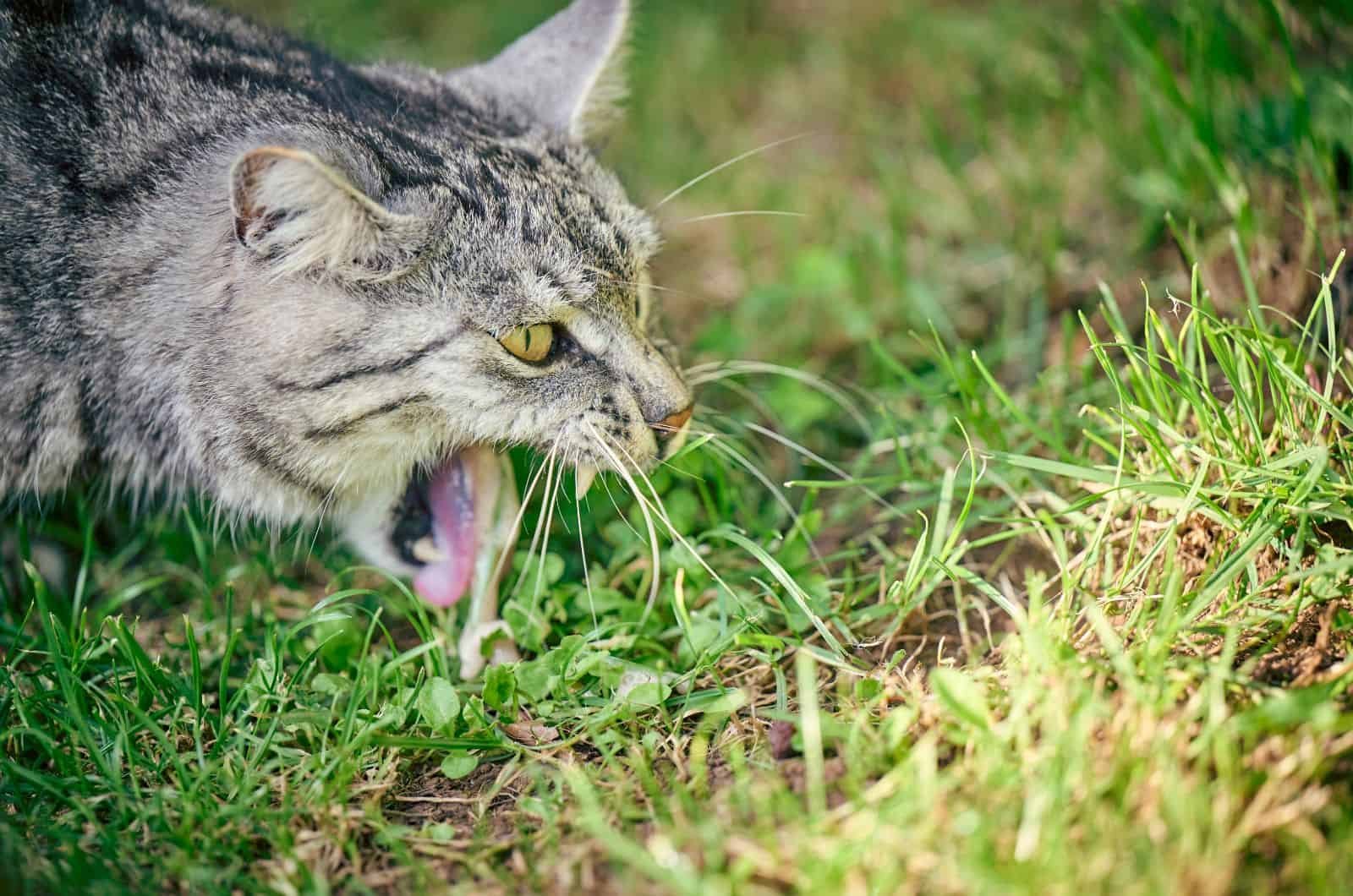
Why Does My Indoor Cat Keep Throwing Up?
An occasional hairball can happen, even in a healthy indoor cat. Other possibilities include a sudden food change, a food allergy, or swallowing something like a hair tie. If your cat keeps throwing up but seems fine, call your vet. Note when it happens and what comes up. www.vet.cornell.edu
How Many Times Can a Cat Vomit Before You Call the Vet?
Call your vet promptly if your cat vomits several times in one day or if the episodes keep coming back. Call sooner if your cat seems weak, loses their appetite, or has diarrhea. Seek urgent veterinary advice if you see blood in the vomit or think your cat swallowed something dangerous. www.vet.cornell.edu
What Can I Give My Cat if They Keep Throwing Up?
Keep fresh water available and let your cat drink on their own. If they vomit after drinking and can’t keep water down, call your vet promptly. Ask your vet before trying a new diet, a hairball remedy, or medication. The right treatment depends on what’s causing the vomiting. www.vet.cornell.edu
Is It Normal for a Cat to Throw Up After Eating?
Some cats bring up undigested food soon after eating too fast. If the food comes up with little effort, it may be regurgitation. Vomiting usually involves retching or visible belly movements. If either keeps happening, tell your vet how soon after meals it occurs and what you see. www.vet.cornell.edu
In Conclusion
I revised the fixed episode count, the assumption that hairballs are the most likely cause, and the blanket advice to try high-fiber food.
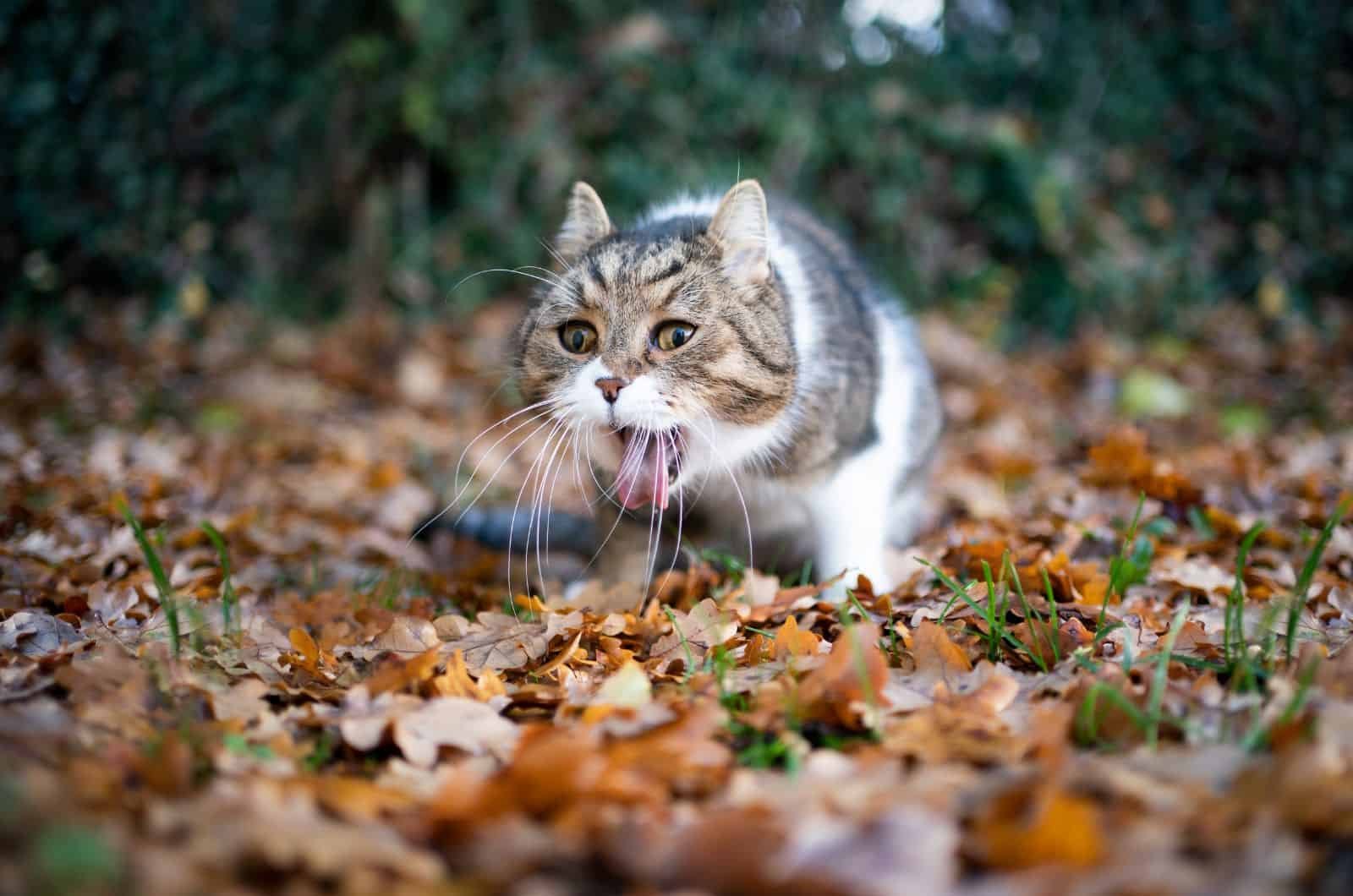
Final Thoughts
If your cat keeps throwing up but seems fine, start by noting how often it happens and what comes up. A hairball or a sudden food change can explain an occasional episode. Cats that eat too fast may also bring up undigested food soon after a meal. www.vet.cornell.edu
Call your vet if the vomiting keeps happening, even if your cat goes right back to eating or playing. Repeated vomiting can have several causes, including intestinal worms, food allergies, pancreatitis, and kidney or thyroid disease. Tell your vet about any changes in appetite, weight, thirst, or litter box habits. www.vet.cornell.edu
If you see blood in the vomit or think your cat swallowed something toxic or an object such as string, call a vet right away. www.aspca.org