Why Does My Cat Have Black Nose Crust?

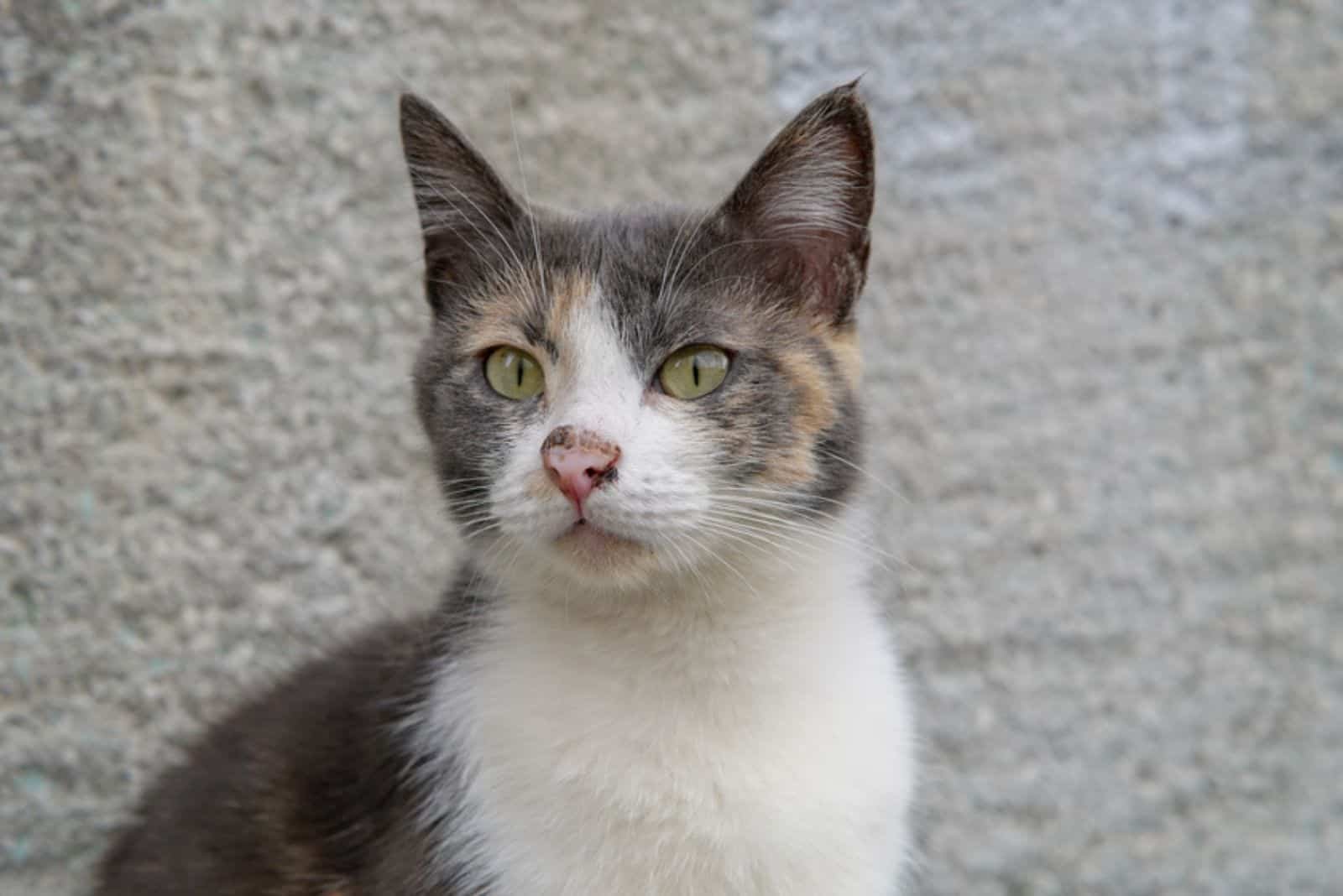
A little crust around your cat’s nose can be easy to miss until they lean in for a scratch. Then you might wonder what those dark bits are and whether you should wipe them away.
Nose crust can form when mucus dries around the nostrils. If you notice more discharge than usual, a change in color, or crust that keeps coming back, those details are worth paying attention to.
Advertisement – Continue Reading Below
If you’ve spotted black crust on your cat’s nose, here’s what it could mean, how to clean around the nose gently, and when to ask your vet.
What Causes Black Crust on a Cat’s Nose?
I softened the original claim that black crust always signals a problem and completed the unfinished heading.ildup: Should You Be Worried?
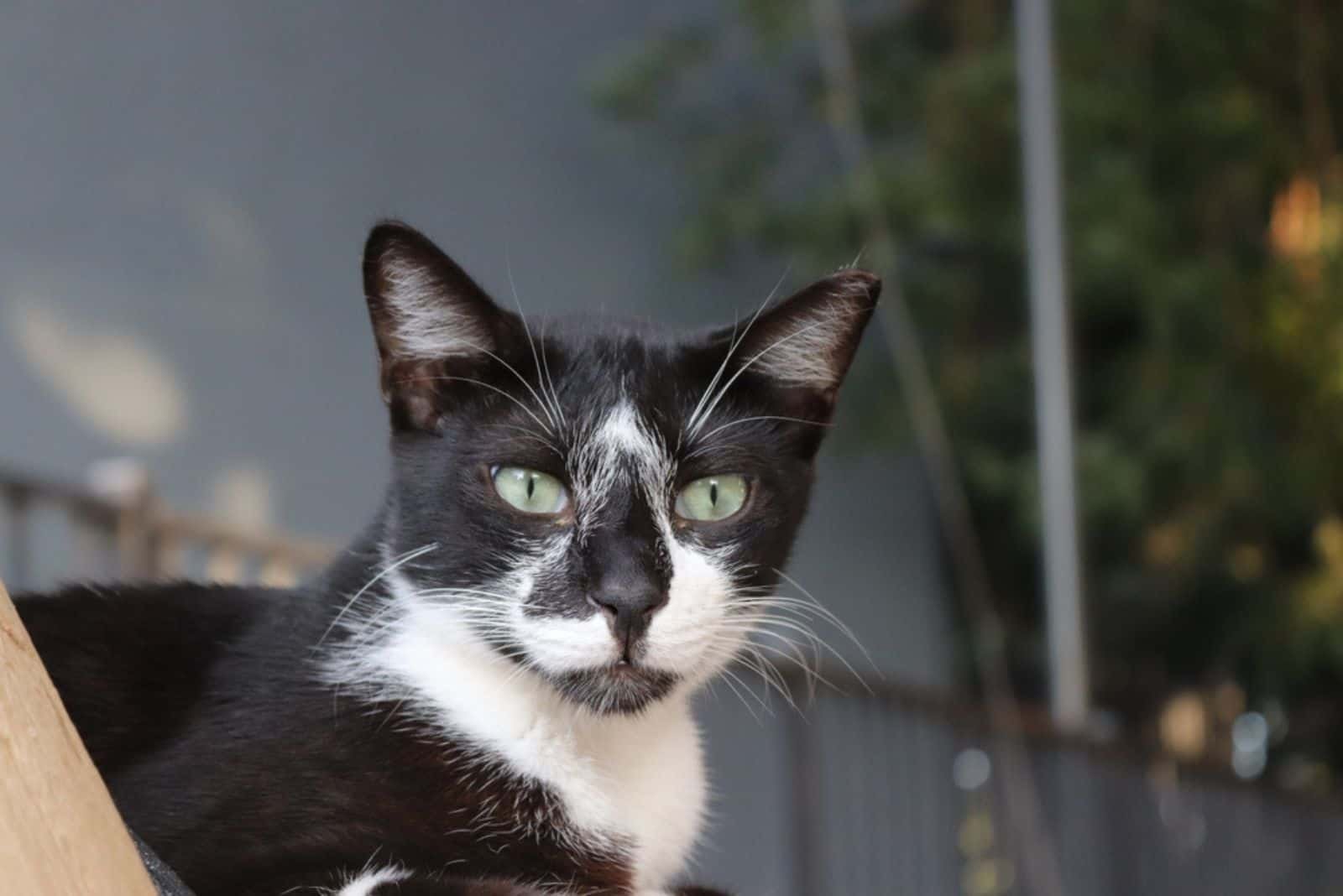
That dark spot on your cat’s nose could be a bit of dirt from their last trip outside. What matters is whether it clears up, keeps coming back, or appears alongside other symptoms.
If the crust sticks around or your cat starts sneezing, has watery eyes, or eats less than usual, call your vet. These signs can occur with an upper respiratory infection. vet.cornell.edu
11 Possible Causes of Black Crust on a Cat’s Nose
Where the crust appears and how often it returns can give you clues about what’s causing it.
I removed the fixed wait of a few days so the advice accounts for other symptoms. potential causes of your cat’s issue, so let’s take a look at some of the most common causes and see if any of them might explain your own cat’s issue.
1. Powder From Kibble
1. Crumbs From Dry Cat Food
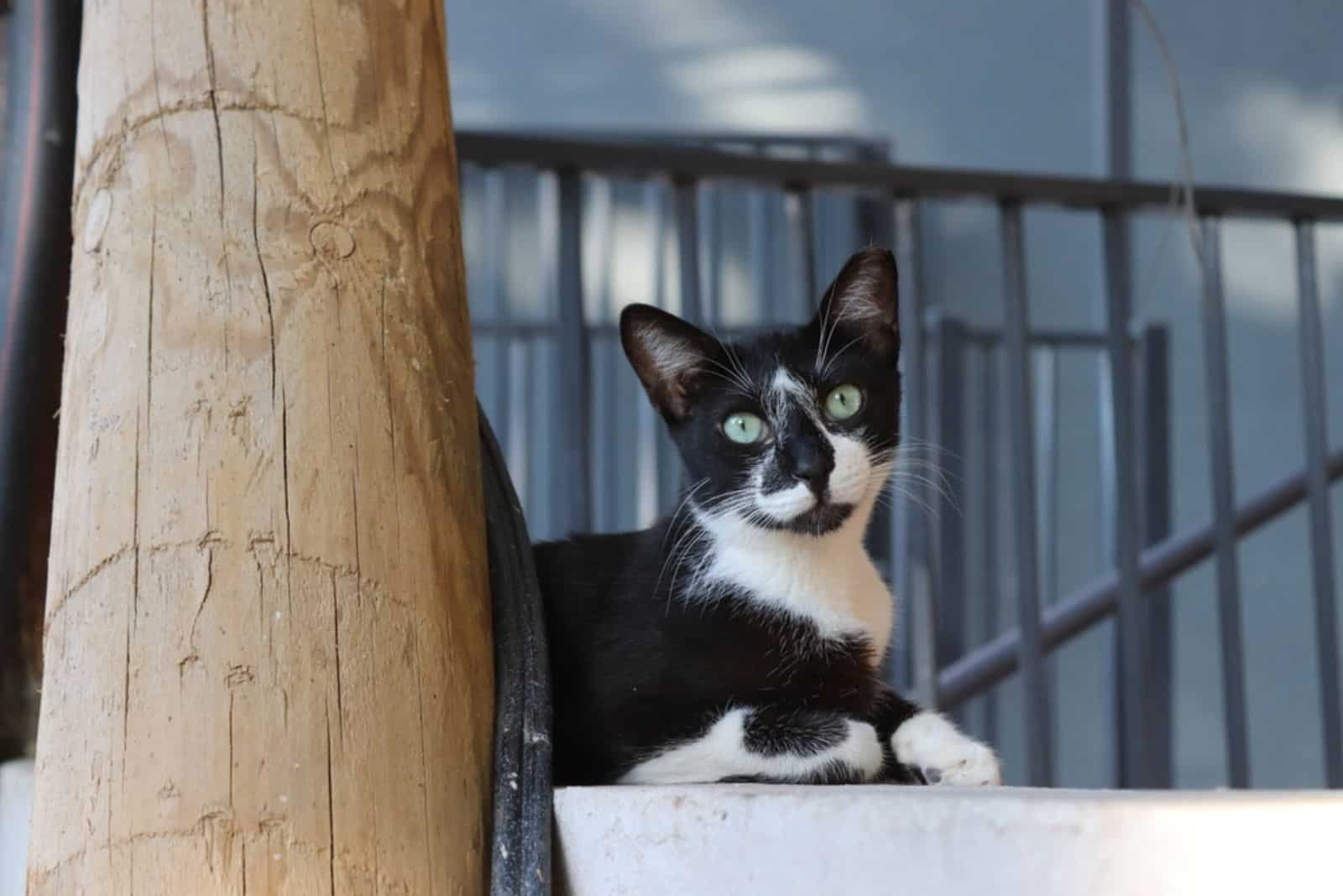
Take a closer look just after your cat eats. Dry food can leave fine crumbs at the bottom of the bowl. If your cat’s nose is damp, some of that powder can cling to the outside of their nostrils. Dark kibble crumbs may look like black crust once they dry.
2. Dirt or Dust
Your cat sniffs all sorts of places, from under the bed to the garage floor. A damp nose can pick up dust, litter particles, or bits of soil along the way. Once dry, those specks can look like a thin, dark crust.
Think about where your cat has been. A dusty nose after exploring under the couch is easier to explain than buildup that keeps returning around both the nose and eyes.
3. A Small Scratch or Scab
A dark spot can also be a scab. Your cat might scrape their nose while exploring or get scratched during a swat from another cat. If the scratch bleeds a little, the dried blood can form a dark crust over the spot.
I completed the cut-off sentence and left out the air-pollution explanation because the color alone can’t establish the cause.s out at the bottom and around the nose, it can create a black scab.
If this is the case, check to make sure your cat does not have any other cat fight injuries that need treatment.
Related: Warning Signs When Introducing Cats And How To Do It Properly!
4. Foreign Object In The Nasal Passage
4. Something Stuck in the Nose
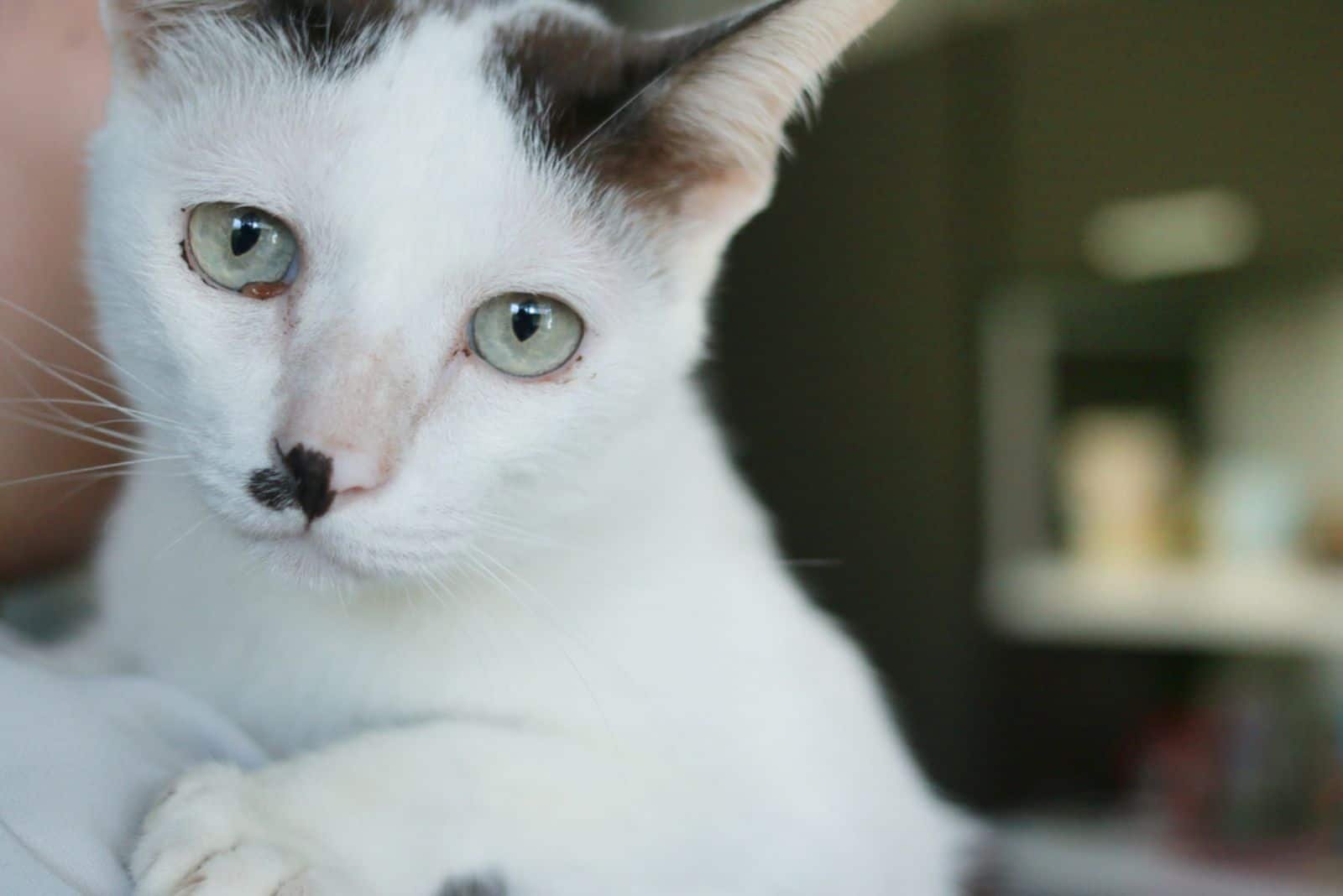
Cats lead with their noses when they explore. Sometimes, a tiny piece of debris can get lodged in a nostril. Your cat may suddenly start sneezing or paw at their nose. If the tissue gets irritated and bleeds, the dried blood can leave a dark crust. Call your vet if the sneezing continues or you notice bloody discharge. api.pageplace.de
5. Upper Respiratory Infection
An upper respiratory infection can give your cat a stuffy or runny nose. When the discharge dries around the nostrils, it can leave a dark crust. You may also notice sneezing, watery eyes, fever, or less interest in food and play. If your cat is struggling to breathe, seek emergency veterinary care. vet.cornell.edu
6. Lentigo
If the dark mark feels flat and smooth, it may be a freckle called lentigo. These brown or black spots are especially common in orange cats. They can appear on the nose, lips, or gums. Lentigo is a harmless change in skin color. Ask your vet to check any spot that becomes raised, changes quickly, or starts to bleed. merckvetmanual.com
Related reading on flea dirt and cat chin acne
7. Feline Herpesvirus
Feline herpesvirus is a common cause of upper respiratory infections in cats. It spreads easily where cats live close together, such as in shelters. Sneezing, a runny nose, and irritated or watery eyes are common signs. As the nasal discharge dries, it can leave crust around your cat’s nose. Some cats also eat less or seem more tired than usual. vet.cornell.edu
8. Fungal Infection
I continued the numbering from the previous section, clarified that lentigo is a flat mark, and removed the claim that delayed herpesvirus treatment damages the bones of the nose and mouth.
8. Fungal Infection
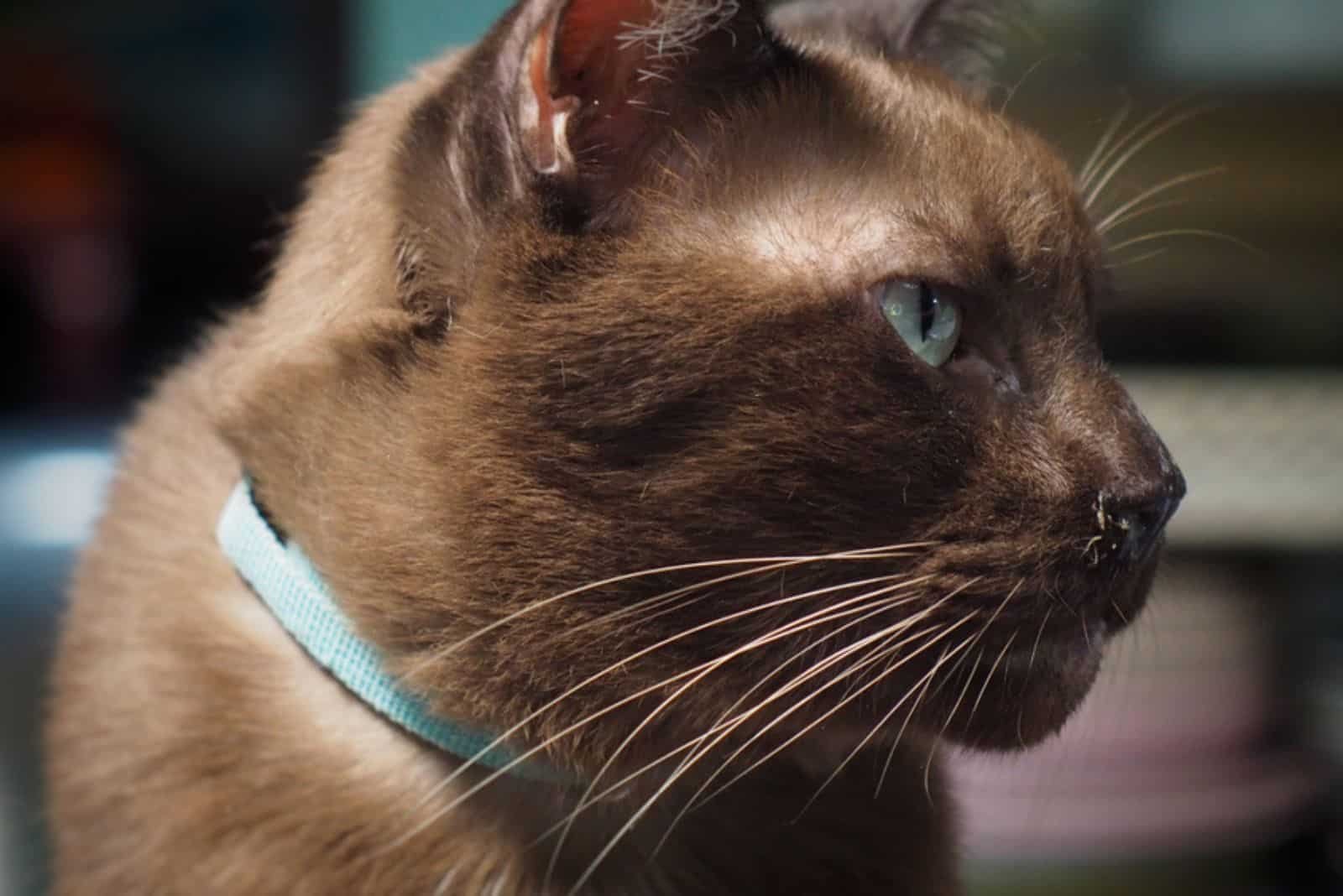
Some fungal infections affect a cat’s nose and sinuses. One example is cryptococcosis. It can cause a runny nose that doesn’t clear up or swelling across the bridge of the nose. If the discharge contains blood, it can dry into a dark crust around the nostrils. merckvetmanual.com
9. Sinusitis
Sinusitis means the lining of the sinuses is inflamed. It often occurs alongside rhinitis, which affects the lining inside the nose. Your cat may sneeze, sound stuffy, or have a runny nose. As the mucus dries, it can leave crust around the nostrils. A stuffy nose can also make food harder to smell, so your cat may eat less. Merck Veterinary Manual
10. Nasopharyngeal Polyps
A nasopharyngeal polyp is a noncancerous growth that can extend from the middle ear toward the back of the throat. As it grows, it can partly block airflow. You might hear your cat snort when they breathe or notice frequent sneezing. Clear or blood-tinged discharge may dry into a crust around the nose. vet.cornell.edu
Related reading on why cats snort
11. Nasal Tumor
A nasal tumor can cause discharge that keeps coming back. It may start in one nostril and contain mucus, pus, or blood. Blood-tinged discharge can leave a dark crust as it dries. If your cat has ongoing discharge, especially from one nostril, or you see blood, contact your vet. Several conditions can cause these signs, and a vet can help find the cause. Merck Veterinary Manual
I clarified the difference between sinusitis and rhinitis and focused the fungal infection section on signs related to the nose. The last sentence of the draft was cut off, so I ended with guidance for persistent or bloody discharge.ms include nasal obstruction that results in noisy breathing, coughing, loss of energy, facial deformity, etc.
What Should I Do If I Notice My Cat’s Nose Has Black Boogers Or Crusts?

When Should You Call the Vet About Black Nose Crust?
A small patch of crust that wipes away easily may only need a quick clean. If it keeps coming back, check for other changes, such as sneezing, a runny nose, or a drop in appetite. Those details can help your vet work out what’s causing it. vet.cornell.edu
| What you notice | What to do |
|---|---|
| A little crust wipes away easily, and your cat is eating and breathing normally. | Keep an eye on the area. |
| The crust keeps coming back, or your cat has ongoing discharge, blood from the nose, or a poor appetite. | Call your vet for advice. |
| Your cat is breathing with their mouth open or struggling to breathe. | Seek emergency veterinary care right away. |
Persistent or bloody discharge can have several causes. Trouble breathing needs immediate care. www.merckvetmanual.com
How Do You Clean Black Crust From a Cat’s Nose?
- Dampen a clean, soft cloth with warm water.
- Hold the cloth gently against the crust for a moment to soften it.
- Wipe away any loose buildup from the outside of the nostrils.
- Leave any crust that stays firmly attached. Scrubbing or picking can irritate the skin.
Keep the cloth outside the nostrils and stop if your cat pulls away. You can try again when they’re calm and offer a treat afterward. If your cat is having trouble breathing, get veterinary help right away. humanepro.org
The draft included a table shortcode without the table contents, so I supplied a short guide based on the signs discussed in the article.
Important Note
Final Thoughts
If you spot black crust on your cat’s nose after a meal or a trip outside, it could be kibble crumbs, dust, or dirt. If it wipes away easily and your cat is eating and breathing normally, you can keep an eye on the area.
A dark mark can also be a small scab or a flat freckle called lentigo. Crust that keeps coming back may be dried nasal discharge. Possible causes include an upper respiratory infection, sinus inflammation, or something stuck in a nostril. Fungal infections, polyps, and nasal tumors can also cause discharge. www.merckvetmanual.com
A warm, damp cloth can remove loose buildup from the outside of the nose. If the crust returns or you notice bloody discharge, ongoing sneezing, or a drop in appetite, call your vet. If your cat is struggling to breathe, seek emergency veterinary care right away. humanepro.org