Cat Constipation: Causes and Relief

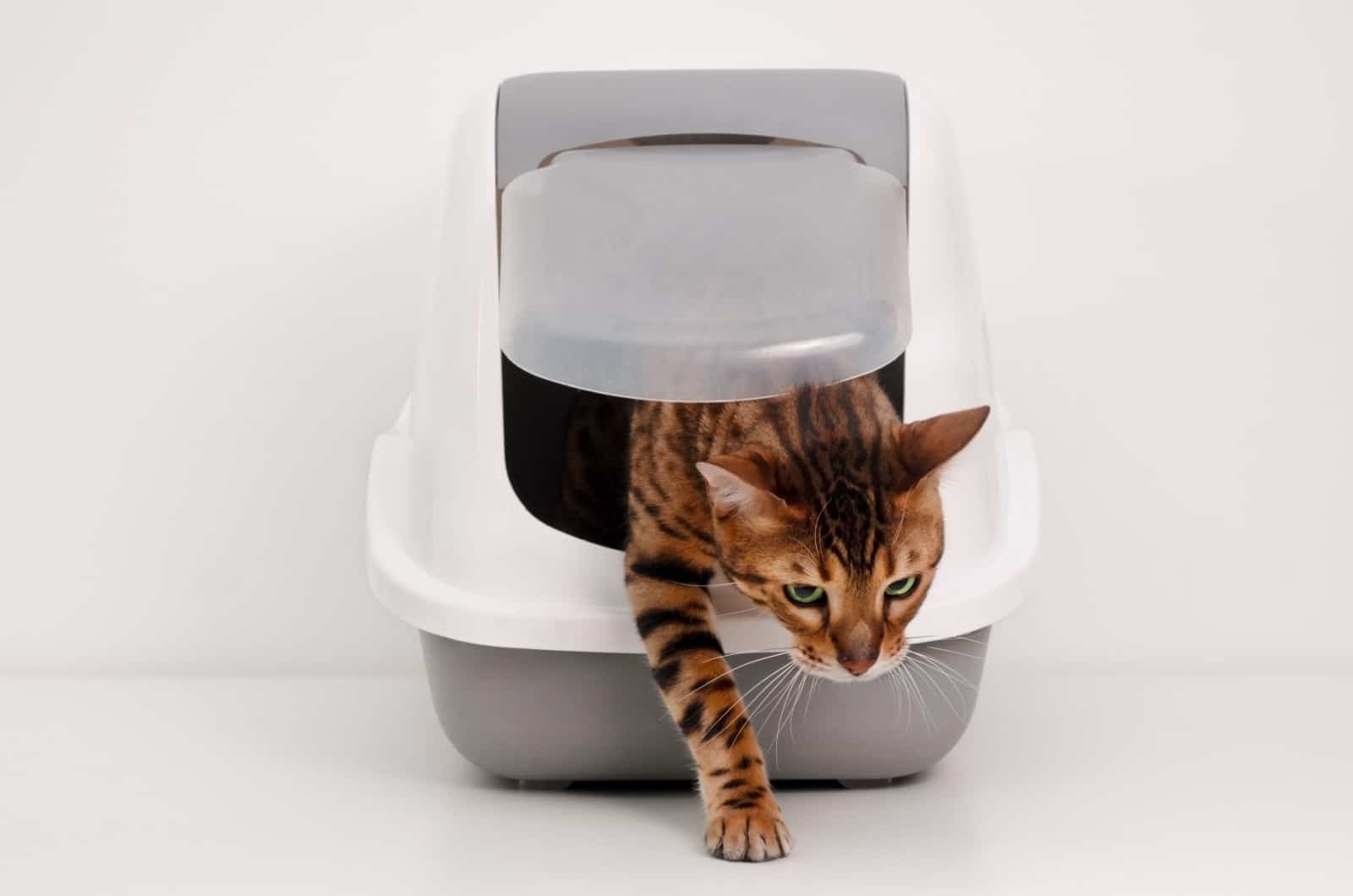
Cat constipation occurs when your pet struggles to pass stool or goes to the litter box without producing anything. Bowel movements may become less frequent, and passing hard stools can cause discomfort.
This problem should never be ignored. If your cat cannot poop for 48–72 hours, contact your veterinarian promptly. Constipation can sometimes indicate an underlying health problem that needs medical attention.
Advertisement – Continue Reading Below
A constipated cat may experience pain, discomfort, and difficulty using the litter box. Without proper care, the condition can become more serious.
Although older cats are more likely to experience constipation, younger cats can develop it too. Cats of any age may have trouble passing stool.
Keep reading to discover what causes cat constipation, which warning signs to watch for, when to seek veterinary help, and how to support your cat’s digestive health.
Cat Constipation: What Causes It?
Several factors can contribute to constipation in cats. Finding the underlying cause is important because the right treatment depends on what is affecting your pet.
Your veterinarian will examine your cat and may recommend additional tests. They will also consider your cat’s medical history, daily habits, diet, and age before making a diagnosis.
In many cases, the exact reason for constipation cannot be identified. This condition is known as idiopathic constipation.
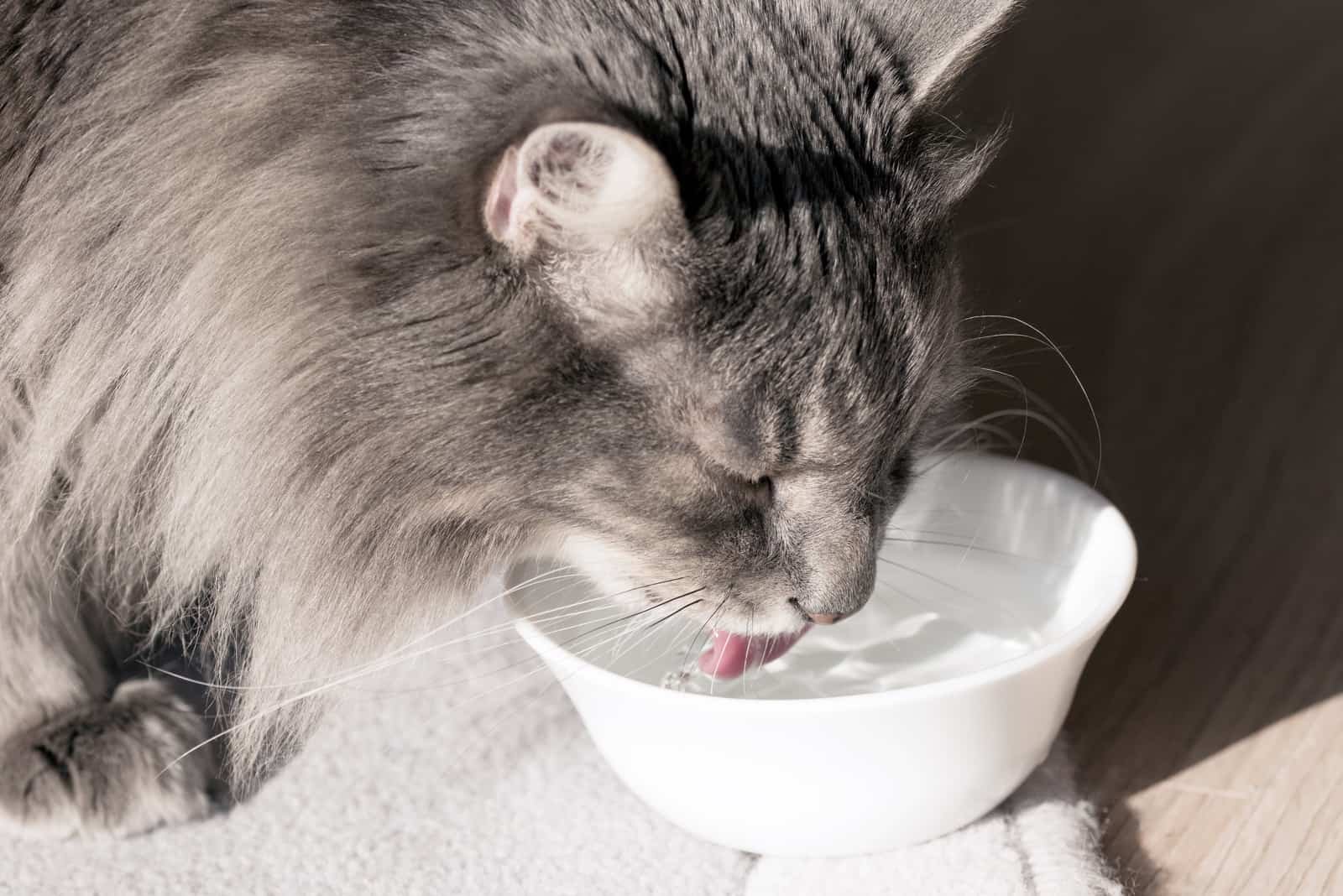
#1 Not Drinking Enough Water
Water plays an important role in keeping your cat’s digestive system working properly. When your pet does not drink enough, the body absorbs more moisture from the stool.
As a result, the poop becomes dry, hard, and difficult to pass. This can lead to constipation and discomfort during bowel movements.
Providing fresh drinking water throughout the day can help. Wet cat food is another useful way to increase your pet’s daily fluid intake.
Related reading: How Long Can Cats Hold Their Poop? A Helpful Guide
#2 Eating Mostly Dry Cat Food
A diet made up entirely of dry food may contribute to constipation in some cats, especially when they do not drink enough water.
Dry kibble contains much less moisture than wet food. Therefore, cats that eat mostly dry meals may need additional encouragement to drink water.
You can discuss adding wet food to your cat’s daily meals with your veterinarian. A balanced diet with sufficient moisture can support healthy digestion.
Why Won’t My Cat Eat Wet Food?
#3 Not Getting Enough Dietary Fiber
Fiber helps regulate digestion and supports normal bowel movements. Some cats may develop constipation when their diet does not provide the right amount of fiber.
Certain types of fiber help retain water in the stool. This can make bowel movements easier and support regular digestion.
Some vegetables, including carrots, broccoli, peas, and beans, contain dietary fiber. However, cats have specific nutritional requirements, so their main diet should always be complete and balanced.
Your veterinarian can recommend suitable fiber sources or a specialized cat food if your pet needs additional dietary support.
#4 Swallowing Hair or Other Indigestible Materials
Cats spend plenty of time cleaning themselves. During grooming, they swallow loose hair that can collect in their digestive system and form hairballs.
In some cases, large hairballs can interfere with the normal movement of digestive contents. Swallowing bones, small objects, or other indigestible materials can also cause an intestinal blockage.
A blockage is not the same as ordinary constipation, but it can produce similar symptoms. Your cat may struggle to pass stool or stop producing bowel movements altogether.
If you suspect your cat has swallowed a foreign object, contact your veterinarian immediately. Do not try to make your cat vomit.
Related reading: Why Is Your Cat’s Poop Stuck Halfway Out? How to Help
#5 Anxiety
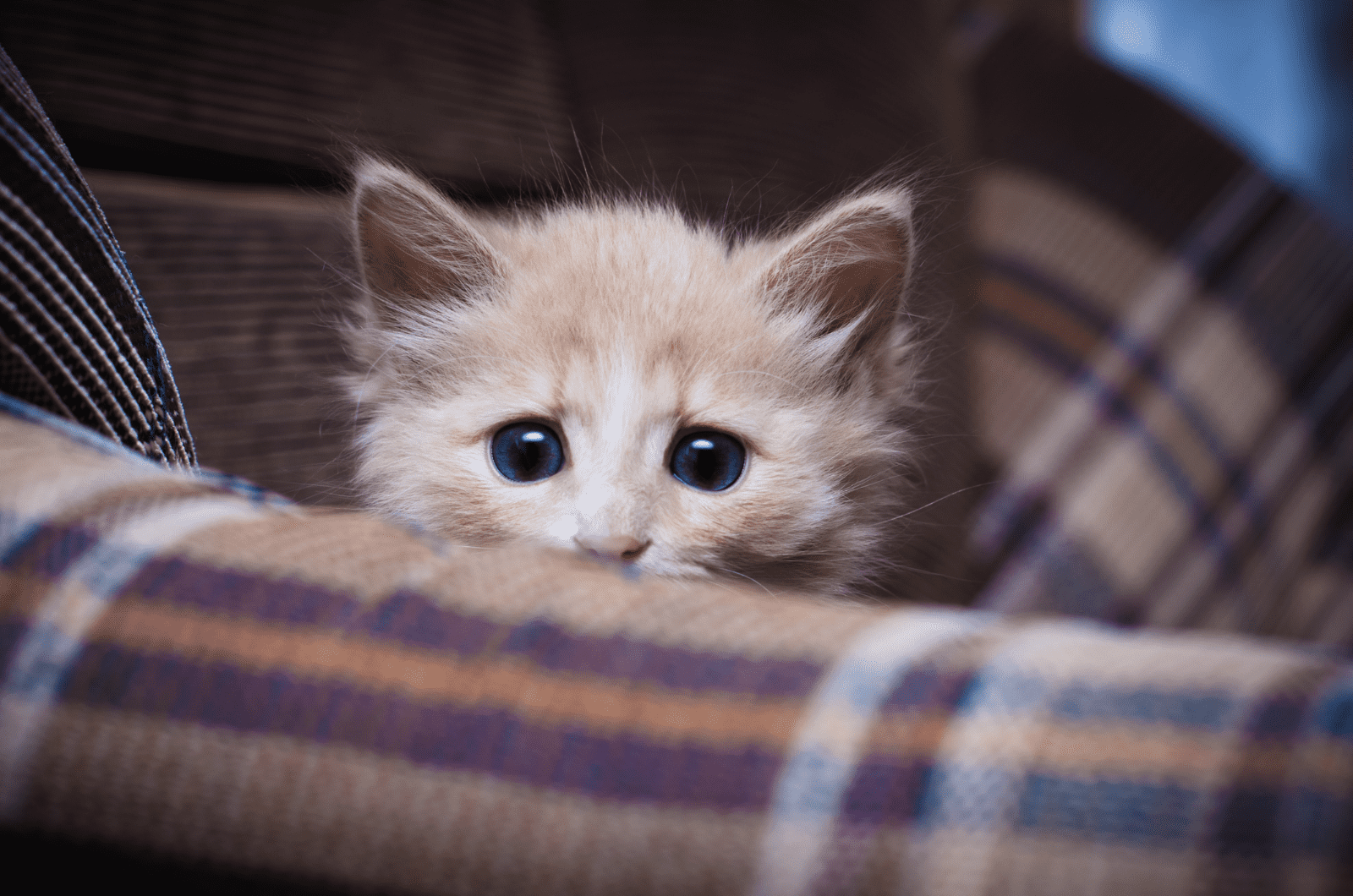
Stress can affect your cat’s digestive system more than you might expect. When cats feel anxious, they may experience changes in their eating habits and bathroom routines. In some cases, constipation can also occur.
Other signs of stress include:
- Frequent or excessive meowing.
- Restlessness and unusual behavior.
- Excessive grooming.
- Hiding for long periods.
- Eating less than usual.
Cats prefer familiar surroundings and daily routines. Even small changes can make them uncomfortable. Common triggers include moving to a different home, introducing a new pet, or changing the litter box.
Why Is My Cat Eating Less but Acting Normally?
How Long Does It Take a Cat to Adjust to a New Home?
#6 Inflammatory Bowel Disease (IBD)
Inflammatory bowel disease is a condition that causes ongoing inflammation in a cat’s digestive tract. This inflammation can interfere with normal digestion and bowel movements.
Diarrhea is a common symptom of IBD. However, some cats experience alternating episodes of diarrhea and constipation.
Other digestive changes may also occur. If your cat repeatedly struggles with bowel movements, your veterinarian can investigate whether an intestinal condition is responsible.
#7 Feline Megacolon
Megacolon is a condition in which a cat’s large intestine becomes enlarged and loses some of its ability to move stool forward.
As a result, feces collect inside the colon instead of passing normally into the rectum. The accumulated stool can become dry and difficult to eliminate.
Cats with megacolon often experience repeated or long-lasting constipation. Veterinary treatment is important because the condition can become progressively worse.
#8 Hyperthyroidism, Kidney Disease, or Diabetes
Some medical conditions can affect digestion and contribute to constipation in cats.
Hyperthyroidism, kidney disease, and diabetes can interfere with normal body functions. Depending on the condition, changes in hydration, metabolism, and intestinal activity may make passing stool more difficult.
These illnesses can also cause other health problems. Your veterinarian may recommend blood and urine tests to identify the underlying cause.
Related reading: Blood in Cat Stool but Acting Normal: Causes and Treatment
#9 Medication Side Effects
Certain medications can affect your cat’s bowel movements. If constipation begins after your pet starts a new treatment, the medicine could be a contributing factor.
Check with your veterinarian to find out whether constipation is a possible side effect. They can decide whether the dosage needs adjusting or whether another treatment would be more suitable.
Never stop giving prescribed medication without speaking to your veterinarian first.
#10 Tumors or Cancer
Growths inside the digestive system can sometimes make it difficult for stool to pass through the intestines.
For example, a tumor in the colon or pelvic area may narrow the passage and restrict normal bowel movements.
Certain intestinal or spinal tumors can also affect the nerves involved in bowel control. This may interfere with the colon’s ability to move stool toward the rectum.
If your cat has persistent constipation, your veterinarian may recommend imaging or other tests to investigate possible growths.
Signs and Symptoms of Constipation in Cats
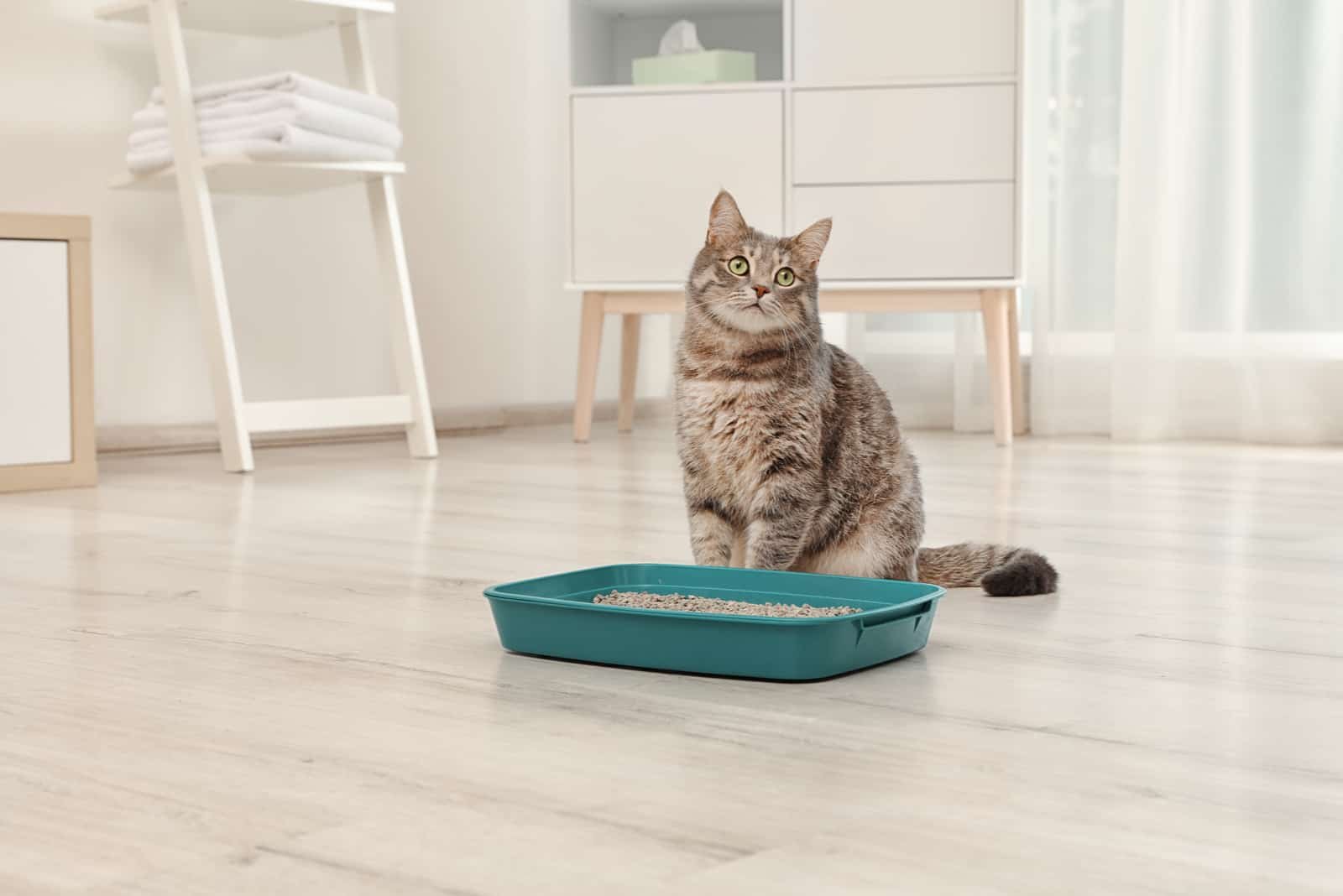
If you think your cat is constipated, pay attention to its litter box habits and overall behavior. Constipation can cause several noticeable changes, especially when your pet struggles to pass stool.
Common signs include:
- Hard or dry stools: Your cat may produce small, firm, or unusually dry droppings.
- Pooping outside the litter box: Discomfort may cause your cat to avoid its usual bathroom spot. Why Is My Cat Pooping on the Floor?
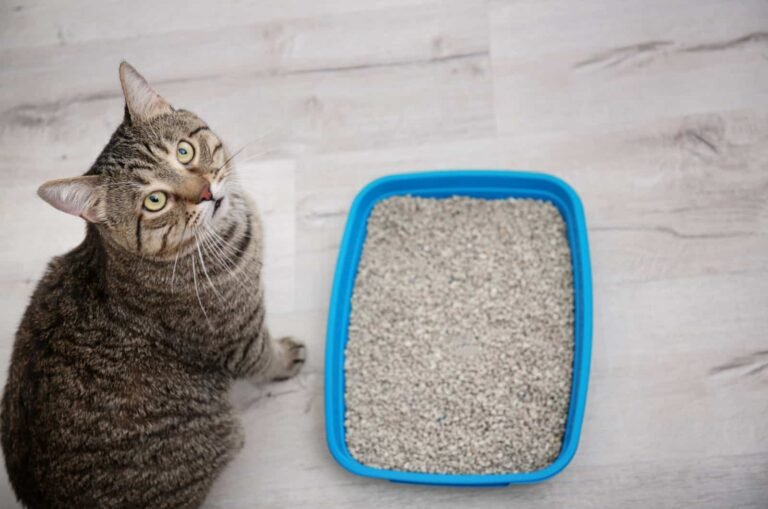
- Repeated litter box visits: Your cat may enter and leave the box several times without passing stool.
- Avoiding the litter box: Pain during bowel movements may make your pet reluctant to use it.
- No bowel movements: Going more than 72 hours without pooping is a concerning sign that needs veterinary attention.
- Straining: Your cat may repeatedly squat and push without producing stool.
- Crying in the litter box: Your pet may meow or cry because passing hard stool is uncomfortable.
- Frequent unsuccessful attempts: Repeated visits without producing poop may indicate constipation or another medical problem.
Other Symptoms That May Accompany Constipation
Constipation can also affect your cat’s appetite, energy, and general behavior.
Watch for these additional warning signs:
- Vomiting: Your cat may throw up along with experiencing digestive discomfort. Why Does My Cat Keep Throwing Up but Seem Fine?
- Abdominal discomfort: Your cat may become sensitive when you touch its belly.
- Reduced appetite: Your pet may eat less or refuse meals.
- Low energy: Your cat may sleep more and show less interest in normal activities.
- Reduced playfulness: Your usually active companion may become withdrawn and avoid interaction.
If you notice repeated straining, vomiting, a swollen abdomen, or a lack of bowel movements, contact your veterinarian promptly.
Important: Straining in the litter box can also indicate a urinary blockage, particularly in male cats. If your cat repeatedly strains but produces little or no urine, seek emergency veterinary care immediately.
Is Constipation in Cats an Emergency?
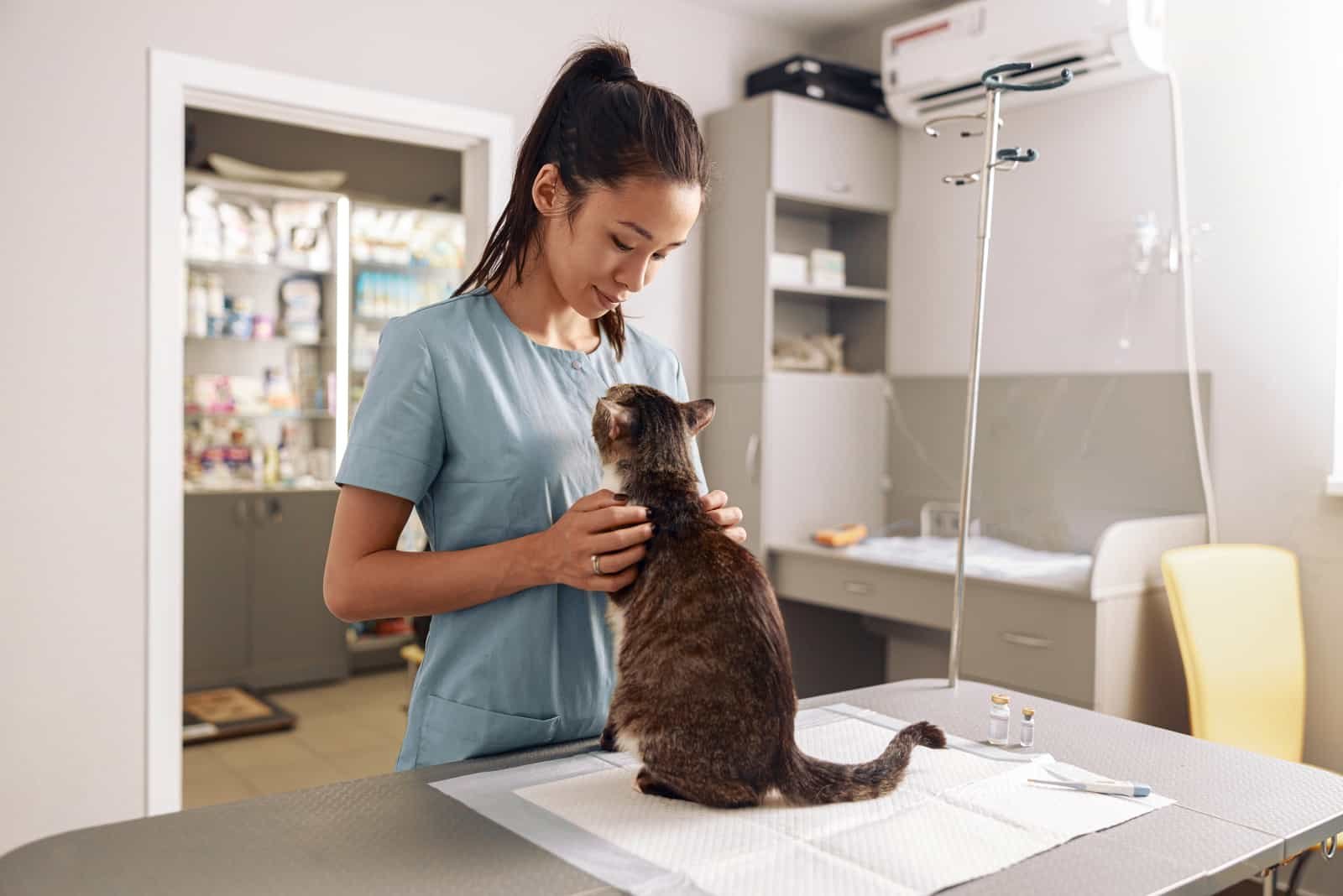
Cats commonly have bowel movements once a day, although their bathroom habits can vary. However, if your cat has not passed stool for two or three days, it may indicate a digestive problem.
If your cat has gone more than 48–72 hours without pooping, contact your veterinarian as soon as possible. Do not wait for the condition to improve on its own.
Constipation can cause considerable discomfort. It may also be linked to underlying health conditions, including kidney disease, diabetes, and hyperthyroidism.
Avoid experimenting with home remedies, especially if your cat has never experienced constipation before. An intestinal blockage or another serious condition may cause similar symptoms. Delaying treatment can put your cat’s health at risk.
Seek immediate veterinary attention if your cat also shows signs such as:
- Refusing food or water.
- Vomiting or feeling nauseated.
- Becoming unusually tired or inactive.
- Losing weight.
- Hiding more than usual.
- Showing signs of abdominal pain.
- Straining repeatedly without producing stool.
These symptoms may indicate severe constipation or another underlying illness. Your veterinarian can identify the cause and recommend the safest treatment.
Treating Constipation in Cats: How to Help Your Kitty Poop
Treating constipation early can help prevent discomfort and more serious complications. However, the right approach depends on how severe the condition is and what is causing it.
Some mild cases may improve with dietary adjustments, while more serious problems require veterinary treatment. Here are several options that may help your cat maintain healthy bowel movements.
#1 Keep Your Cat Properly Hydrated
Not drinking enough water is a common reason cats develop constipation. When the body lacks sufficient fluids, the colon absorbs more water from the stool. This makes the poop harder and more difficult to pass.
Encourage your cat to drink fresh water throughout the day. You can also increase moisture intake by offering wet cat food.
Some cats prefer moving water rather than drinking from a regular bowl. A pet water fountain may encourage them to drink more often.
Related reading: Can Kittens Drink Water? What’s Best for Them?
#2 Add Suitable Fiber to Your Cat’s Diet
Dietary fiber can help support digestion and improve bowel movements in some constipated cats.
One commonly used fiber source is psyllium. It absorbs water and forms a gel-like substance that can help improve stool consistency. However, the right amount depends on your cat’s condition and hydration levels.
You can also ask your veterinarian about commercial cat foods designed to support digestive health. These products contain carefully selected fiber levels.
Avoid adding large amounts of human foods or fiber supplements without veterinary advice. Too much fiber may worsen certain digestive problems.
#3 Consider Probiotics
Probiotics contain beneficial microorganisms that support a healthy digestive system.
These helpful bacteria contribute to a balanced intestinal microbiome. A healthy gut environment can support normal digestion and help maintain regular bowel movements.
Some cat-specific probiotic products may also help improve digestive comfort. However, probiotics do not work as a treatment for every type of constipation.
Ask your veterinarian whether a probiotic supplement is suitable for your pet before introducing one.
#4 Use Veterinary-Approved Laxatives
Laxatives help soften stool or encourage bowel movements. Veterinarians sometimes recommend these products when dietary changes alone are not enough.
One medication commonly used for constipated cats is Miralax. However, it should only be given under veterinary guidance.
Never give your cat human laxatives without professional advice. Some products contain ingredients that can be harmful to pets.
Your veterinarian will determine the appropriate medication and amount based on your cat’s health and the severity of the constipation.
#5 Enemas
#5 Enemas
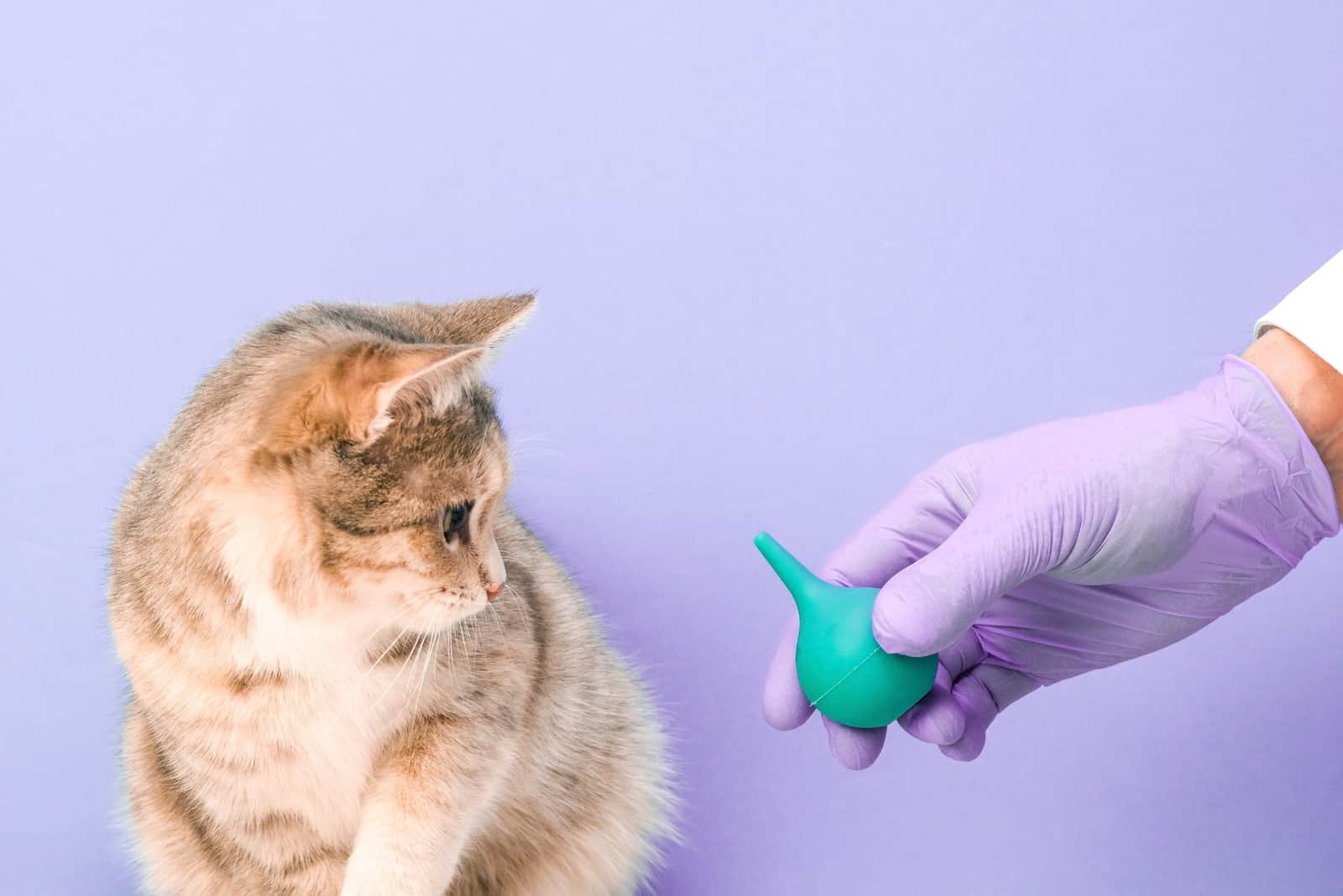
An enema is a medical procedure that involves introducing fluid into the colon through the rectum. The fluid helps soften hardened stool and makes it easier for the cat to pass waste.
This procedure must be performed by a veterinarian. Never attempt to give your cat an enema at home without professional guidance. Some products designed for humans contain ingredients that are toxic to cats.
Related reading: What to Expect After Your Cat Has an Enema: Home Care
#6 Maintain Your Cat’s Overall Health
Constipation can also be associated with stress, anxiety, limited physical activity, excess weight, and underlying medical conditions.
Taking care of your cat’s general health can help reduce the risk of constipation and prevent repeated episodes.
Here are some helpful habits:
- Reduce stress: Identify situations that make your cat anxious and try to create a peaceful environment.
- Encourage exercise: Provide toys and regular playtime to keep your cat active.
- Offer balanced meals: Choose nutritious cat food that supports healthy digestion.
- Schedule veterinary checkups: Regular examinations can help identify health problems before they become more serious.
Small changes in your cat’s daily routine can make a difference to its digestive health.
#7 Veterinary Treatment May Be Necessary
Sometimes, dietary changes and other supportive measures are not enough to relieve constipation. In these situations, your cat may need professional medical treatment.
Conditions such as megacolon, inflammatory bowel disease, kidney disease, diabetes, and other medical problems can cause persistent constipation.
If stool becomes severely impacted, your veterinarian may need to perform a procedure called deobstipation. This involves removing accumulated feces from the colon, usually while the cat is under sedation or anesthesia.
In some severe cases, surgery may be necessary, particularly when other treatments have failed.
Never try to remove hardened stool manually or use aggressive home remedies. Severe constipation can indicate a serious medical problem that needs immediate attention.
Taking Your Cat to the Veterinarian
Taking Your Cat to the Veterinarian
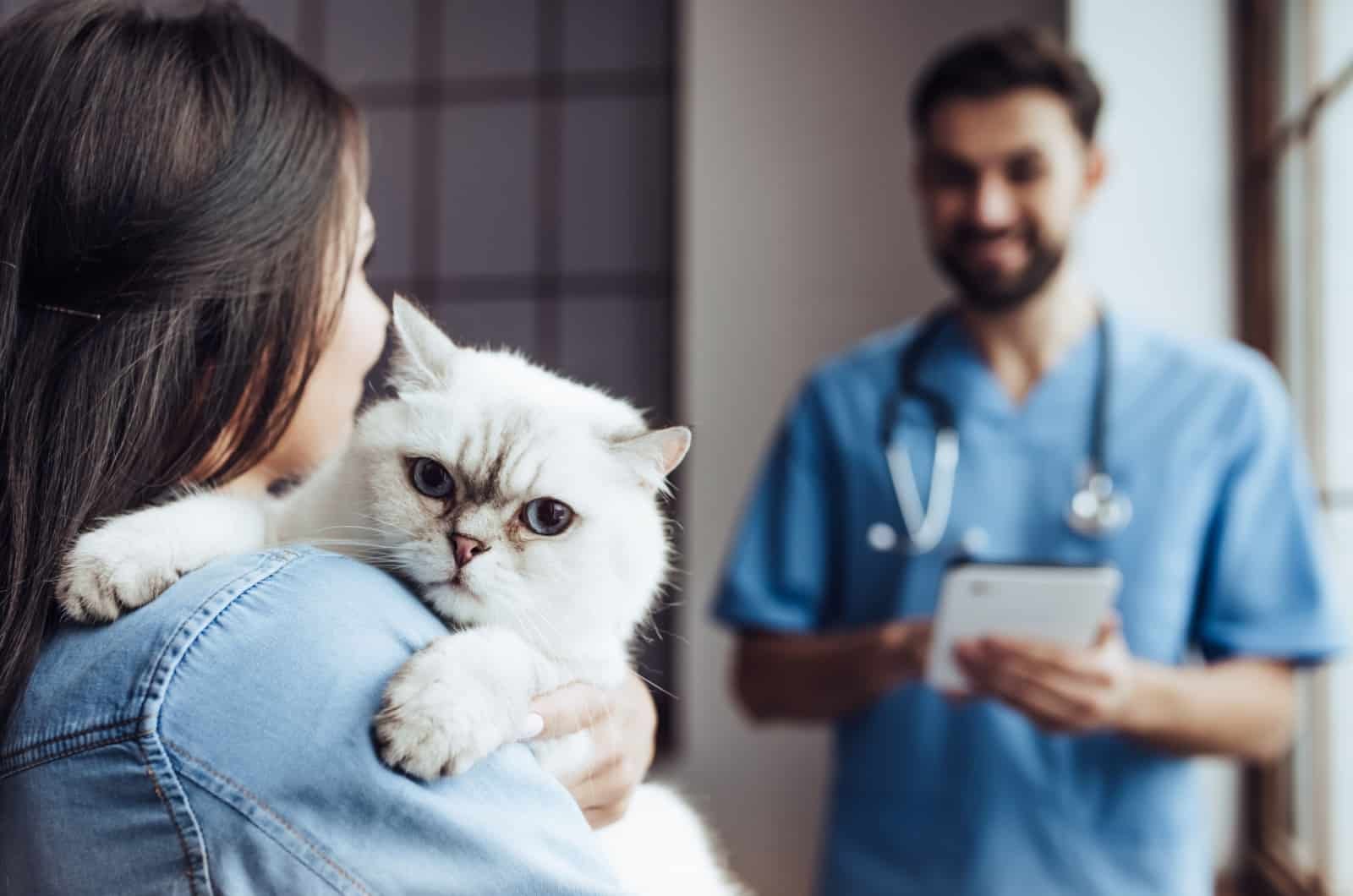
If your cat continues to struggle with bowel movements, a veterinary examination is the best next step. You may wonder what happens during the appointment and which tests your pet might need.
Depending on your cat’s symptoms, the veterinarian may recommend several examinations:
- Physical examination: The vet checks your cat’s abdomen and overall condition for signs of discomfort or other abnormalities.
- Blood tests: These help identify possible underlying health problems that may contribute to constipation.
- Abdominal ultrasound: This allows the veterinarian to examine internal organs and look for possible abnormalities.
- Abdominal X-rays: These images help identify accumulated stool, an enlarged colon, or other possible causes of constipation.
The results help your veterinarian understand why your cat is having difficulty passing stool.
Once the cause is identified, the vet will explain the most suitable treatment plan. Many cats feel better after hardened stool has been removed and the underlying problem has been addressed.
However, constipation can return if the original cause remains untreated. Dietary changes, better hydration, increased activity, or treatment for an existing medical condition may be necessary to prevent future episodes.
Final Thoughts on Cat Constipation
Constipation can make your cat uncomfortable and may become a serious health concern if left untreated.
Pay attention to your pet’s bathroom habits and look for signs such as hard stools, repeated litter box visits, straining, and reduced appetite.
If your cat has not passed stool for 48–72 hours, contact your veterinarian promptly. Seek emergency care sooner if your cat is vomiting, extremely weak, or repeatedly straining without producing urine.
Preventing constipation from returning is just as important as treating the current problem.
Make sure your cat has access to fresh water, receives a balanced diet, enjoys regular physical activity, and attends routine veterinary checkups.
Most importantly, never ignore changes in your cat’s bathroom habits. Early attention and proper care can help your furry companion stay comfortable, healthy, and happy.
Found this guide helpful? Share it with other cat owners or save it for future reference!