Overgrown Cat Claws: What to Do

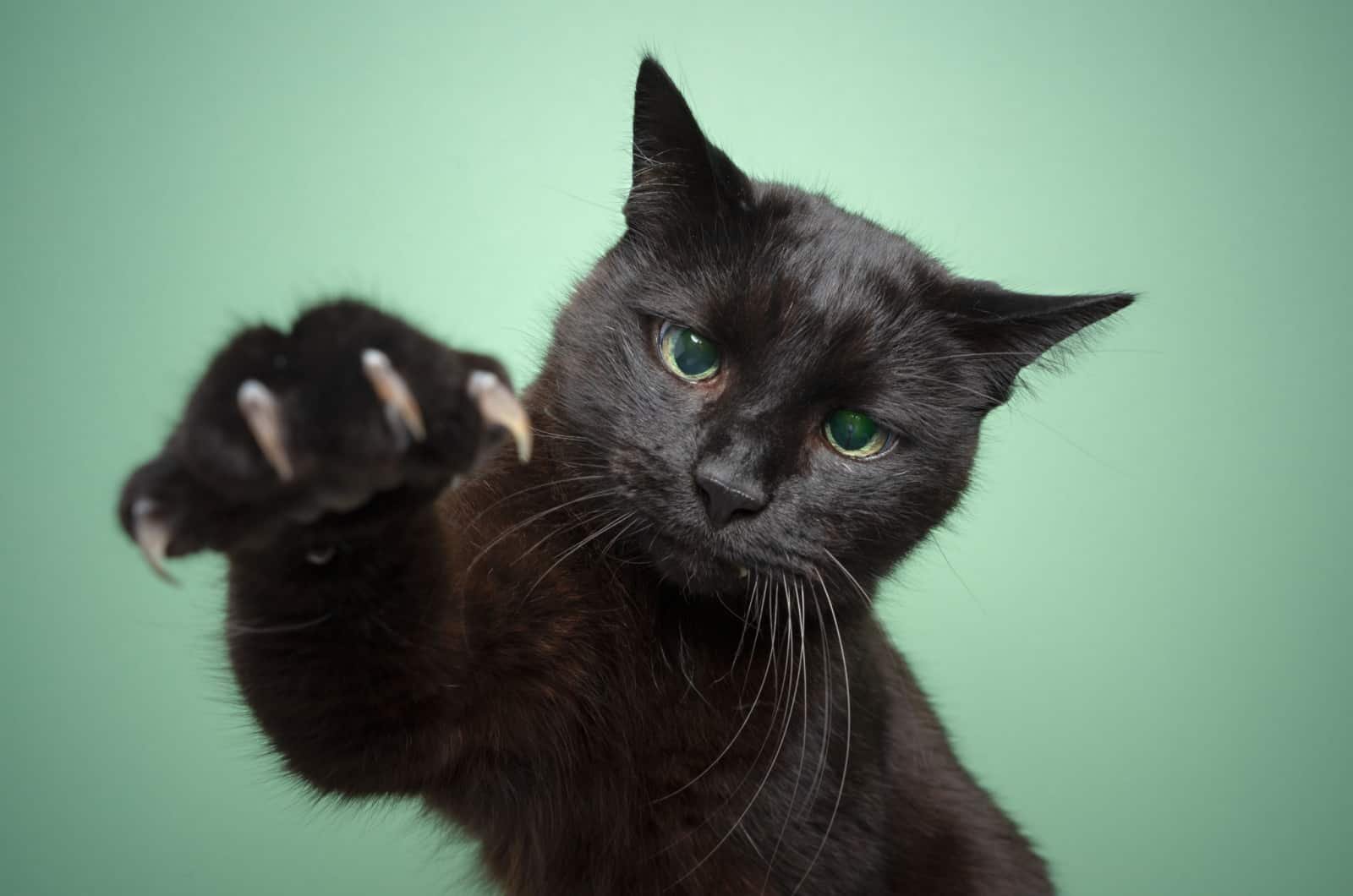
Long claws can cause discomfort and make everyday activities harder for your cat. That’s why regular nail care should be part of your weekly grooming routine.
Keep your cat’s claws at a healthy length by trimming them when needed. Also, provide different scratching posts and surfaces to encourage natural scratching. These simple habits can protect your cat’s paws and prevent accidental scratches around your home.
Advertisement – Continue Reading Below
Whether your cat already has overgrown claws or you simply want to avoid future problems, understanding proper nail care can make a big difference.
Understanding Overgrown Cat Claws
If you have never clipped a cat’s claws before, consider asking a professional groomer or veterinarian for help. They can show you the correct technique and explain how to avoid hurting your pet. Many cat owners prefer to get professional guidance before attempting nail care at home.
Before learning how to manage long claws, it helps to understand that overgrown and ingrown claws are not the same. Overgrown claws are simply longer than they should be. Ingrown claws curl into the surrounding skin or paw pad.
To learn more about the second condition, read our guide: Ingrown Cat Claws and How to Treat Them.
Can Overgrown Claws Hurt Your Cat?
Yes, excessively long claws can cause pain and discomfort. In some cases, they curl inward and pierce the paw pads. This can lead to swelling, tenderness, and difficulty walking.
Your cat may start favoring one leg or limping because of the discomfort. Without proper care, an injured paw can develop an infection or an open wound.
Why Is My Cat Limping but Not Crying?
How to Recognize Overgrown Cat Claws
There are several simple signs that can help you identify claws that need trimming.
You might notice the problem when your cat sits on your lap and starts kneading. If those little paws leave painful scratches, the claws may be too long.
Another common warning sign is snagging. Long claws can catch on carpets, blankets, and furniture. You may also hear a clicking sound when your cat walks across hard floors.
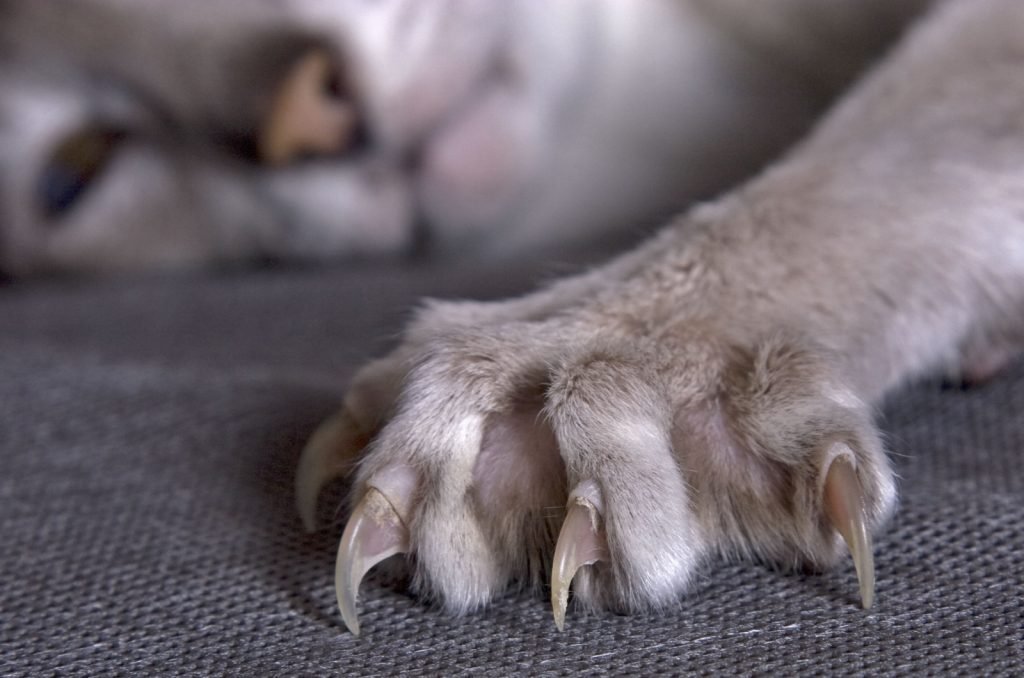
Healthy claws usually have a neat, curved shape with pointed tips. However, overgrown ones may look thicker and curl toward the paw pads. Check each toe carefully, including the dewclaws, which can grow longer than the others.
How to Deal With Overgrown Cat Claws
If you leave your cat’s claws without proper care, they may become excessively long and cause painful problems. These issues can range from difficulty grooming to damaged paw tissue and infections.
Many owners assume that scratching posts are enough to keep their cat’s claws short. However, scratching alone may not control nail growth in every cat. Older pets and those with low activity levels often need extra attention.
Back claws may wear down naturally through everyday movement and scratching. However, the front claws, especially the dewclaws, can grow longer and require regular trimming.
The good news is that simple grooming habits can help prevent many of these problems. Let’s look at some common causes and complications linked to unhealthy cat claws.
Infections
Sometimes, it can be difficult to determine whether an infection caused a claw problem or developed because of an existing injury. Damaged claws and surrounding skin can allow germs to enter and cause further complications.
Bacterial infections may cause signs such as:
- Fever
- Low energy
- Reduced appetite
- Cuts or wounds around the paws
- Diarrhea, which may occur with some underlying illnesses
Fungal infections can also affect cats, although their symptoms vary depending on the type of fungus. Possible warning signs include:
- Swelling around the nose
- Nasal discharge, sometimes containing blood
- Skin lumps or cysts
- Coughing
- Sneezing
- Anemia
If you notice these symptoms, arrange a veterinary examination. Your vet may recommend blood tests or other diagnostic checks to identify the underlying problem. Treatment depends on the diagnosis and may include oral medication or medicated creams.
Injuries Around the Claws
Physical injuries can also affect the way a cat’s claws grow. Since claws are connected to sensitive structures inside the toes, damage can sometimes affect the surrounding tissue and nail growth.
Watch for these warning signs:
- Swollen toes
- A cracked or broken claw
- A missing nail
- Unusual claw growth
- Pain when walking or touching the affected paw
A damaged claw should not be pulled out or cut without proper guidance. Trying to remove an injured section at home can cause bleeding and additional pain.
Instead, contact your veterinarian. They can examine the paw, clean the injured area, and recommend suitable treatment. If they suspect deeper damage, they may also suggest an X-ray to check the bones and surrounding structures.
Brittle Cat Claws
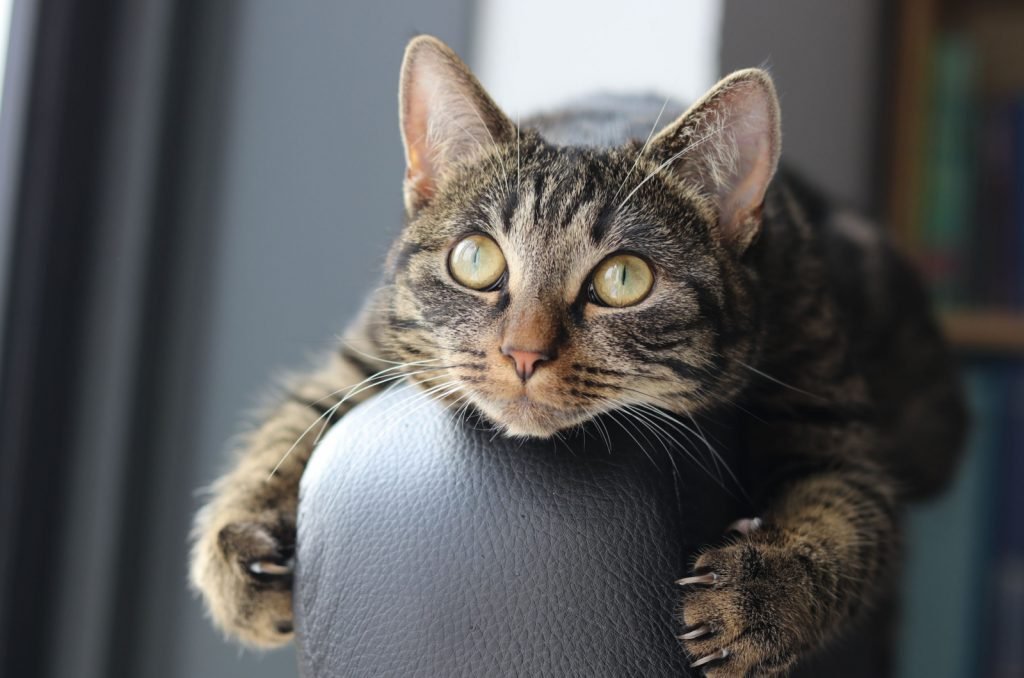
Brittle and Thick Cat Claws
Older cats often develop thicker and more fragile claws. As they age, the outer layers may not shed as easily as they once did. This can cause the nails to become bulky and grow beyond a healthy length.
Regular nail checks and timely trimming can help prevent this problem. Without proper care, thick claws may curl inward, damage the paw pads, or cause bleeding and infection.
If a claw has already pierced the paw pad, contact your veterinarian. Your cat may need wound cleaning, pain relief, or other treatment. When the skin remains uninjured, your vet can show you how to maintain the claw safely.
Always avoid cutting too close to the base. The sensitive inner part contains blood vessels and nerves, so cutting it can cause pain and bleeding.
Immune System Disorders
Some immune system conditions can affect the skin and claws of cats. In certain cases, these disorders may cause abnormal nail growth, swelling, or changes in claw texture.
Cats can develop immune-related illnesses at different stages of life. However, these conditions are not always easy to identify because their symptoms vary.
If your cat develops unusually thick claws or repeated nail problems, arrange a veterinary checkup. Depending on the symptoms, your vet may recommend blood tests, skin samples, or a biopsy to investigate the cause.
Excessive Growth Hormone Levels
Acromegaly is an uncommon condition that can cause excessive growth in cats. It usually develops when a pituitary gland tumor produces too much growth hormone. Older male cats are more commonly affected.
Many affected cats also develop diabetes or show signs of poor blood sugar control. Common symptoms include:
- Drinking more water than usual
- Frequent urination
- Increased appetite
- Unexplained weight changes
The condition can also affect other parts of the body. A cat may develop enlarged paws, thicker facial features, increased muscle growth, or an enlarged heart.
If you notice unusual physical changes alongside increased thirst or urination, consult your veterinarian. Early diagnosis can help manage the condition and reduce complications.
Poor Blood Circulation
Healthy blood flow is important for the tissues surrounding your cat’s claws. Circulation problems may affect paw health and can sometimes contribute to changes in nail growth or appearance.
Several underlying conditions can interfere with normal circulation, including heart disease, anemia, and hormonal disorders.
Watch for unusual signs such as:
- Cold paws or toes
- Pale or bluish paw pads
- Unusual changes in the color of the gums
- Weakness or reduced activity
These symptoms should never be ignored. Sudden coldness or blue discoloration of the paws requires urgent veterinary attention.
Your veterinarian may perform a physical examination and recommend blood tests to identify the underlying cause. Treatment will depend on the diagnosis and may involve medication or other medical care.
Other Health Conditions That Can Affect Cat Claws
Certain health problems can also make regular claw maintenance more difficult.
– Hyperthyroidism: This hormonal condition can affect older cats and may be associated with changes in claw thickness and growth.
– Diabetes: Cats with diabetes may experience several health complications that affect their overall well-being, including problems with tissue health and healing.
– Arthritis: Joint pain can make scratching uncomfortable. As a result, older cats may struggle to remove the outer layers of their claws and maintain normal nail length.
Cats with arthritis may also find grooming difficult. Regular paw checks and gentle nail care are especially important for these pets.
The Risks of Overgrown Cat Claws

Long claws can affect your cat’s comfort and overall health. What starts as a minor grooming problem may eventually cause painful injuries and other complications.
Infections
Cat Claw Infections: Causes, Symptoms, and Treatment
Infections can sometimes contribute to abnormal claw growth. However, an overgrown claw can also damage the surrounding skin and create an opening for bacteria.
The risk becomes higher when a sharp claw pierces the paw pad. Bacteria can enter the wound and cause swelling, redness, and discomfort. Depending on the severity, your veterinarian may prescribe antibiotics or other treatments.
Pain and Discomfort
Even slightly overgrown claws can make everyday activities uncomfortable for your cat.
You may notice the nails catching on blankets, carpets, clothing, or furniture. Your cat might also pull its paws away when you touch them.
These signs suggest that the claws need attention. Regular checks and timely trimming can help prevent further discomfort.
Paw Pad Injuries
When claws grow too long, their natural curve can become more pronounced. Eventually, the sharp tips may turn inward and pierce the sensitive paw pads.
This can cause bleeding, swelling, and significant pain. Affected cats may also avoid putting weight on the injured foot.
Reduced Mobility and Flexibility
Excessively long claws can interfere with the way your cat walks. When the tips press against the ground, they put extra pressure on the toes.
Over time, this discomfort may make walking, jumping, and climbing more difficult. Your cat may become less active because moving around no longer feels comfortable.
Cat Claw Care and Prevention
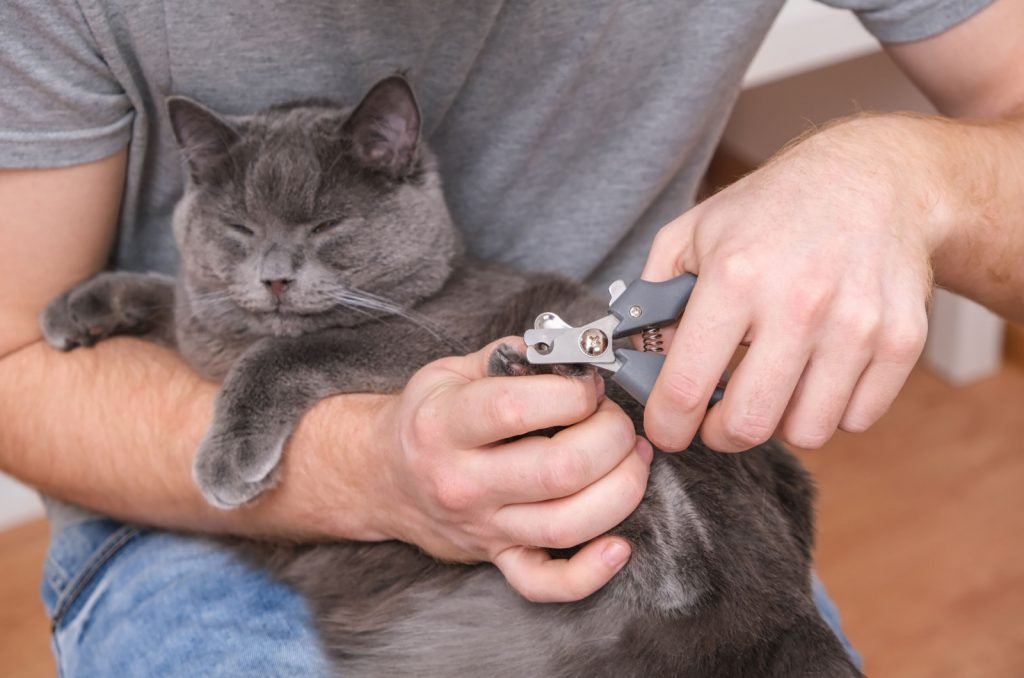
Long claws can take away some of the activities your cat enjoys. Running, jumping, climbing, and playing are all important parts of a healthy feline lifestyle.
When the nails become too long, these movements may cause pain. Your cat may struggle to walk comfortably and become less active. Overgrown claws can also injure the paw pads and increase the risk of infection.
Fortunately, regular grooming and a few simple habits can help keep your cat’s claws healthy.
Regular Nail Trimming
Make paw inspections part of your weekly grooming routine. Check each claw for unusual length, cracks, swelling, or injuries. Pay special attention to the dewclaws because they do not touch the ground as often as other nails.
Following a regular grooming schedule also makes nail care easier. Your cat can gradually become familiar with the process, making future trimming sessions less stressful.
Avoid waiting until the claws become extremely long. Small, timely trims are easier to manage and help prevent accidental injuries.
Understanding the Quick
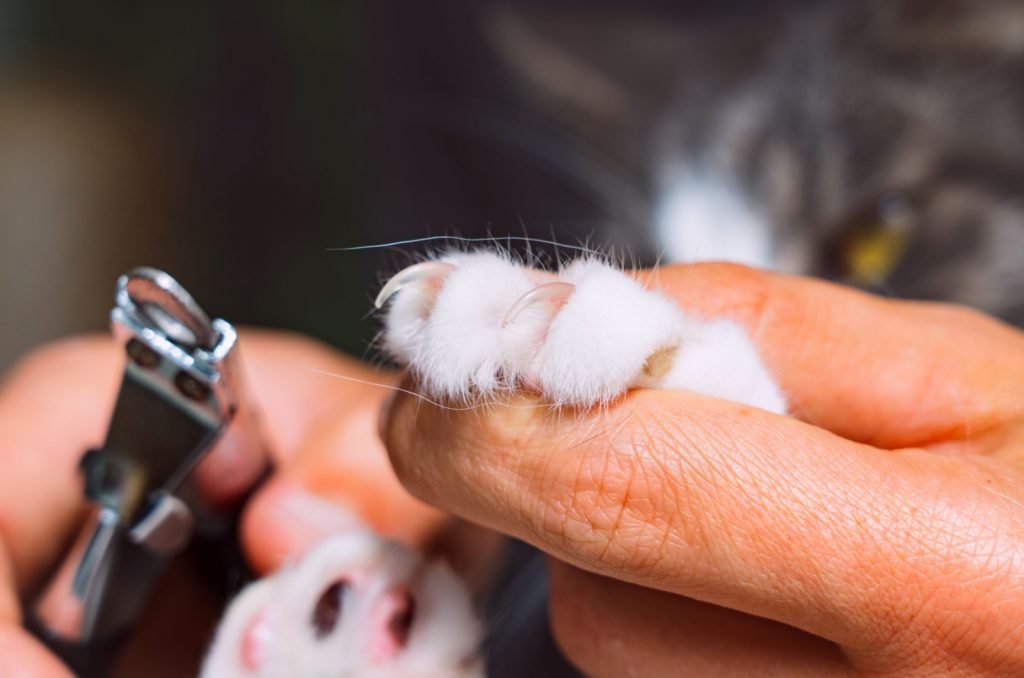
Before trimming your cat’s claws, learn about a sensitive area called the quick. It contains blood vessels and nerves that supply the nail.
In cats with light-colored claws, the quick often appears as a pink area inside the nail. It may be harder to see in cats with dark claws.
Never cut into this sensitive section because doing so can cause pain and bleeding.
When claws become excessively long, the quick may extend farther toward the tip. Therefore, avoid removing too much length at once. Small, gradual trims can help prevent injuries. With regular maintenance, the quick may gradually recede.
When to Consult Your Veterinarian
Some cases of claw overgrowth require professional treatment. If a claw has curled into the paw pad, your veterinarian must examine and treat the injury before you begin normal grooming.
The vet can remove the embedded portion, clean the affected area, and treat any infection if necessary.
If the claws are simply too long and have not injured the skin, your veterinarian can demonstrate a safe trimming technique. This is especially helpful if you are new to cat nail care or your pet has unusually thick claws.
How to Prevent Overgrown Cat Claws
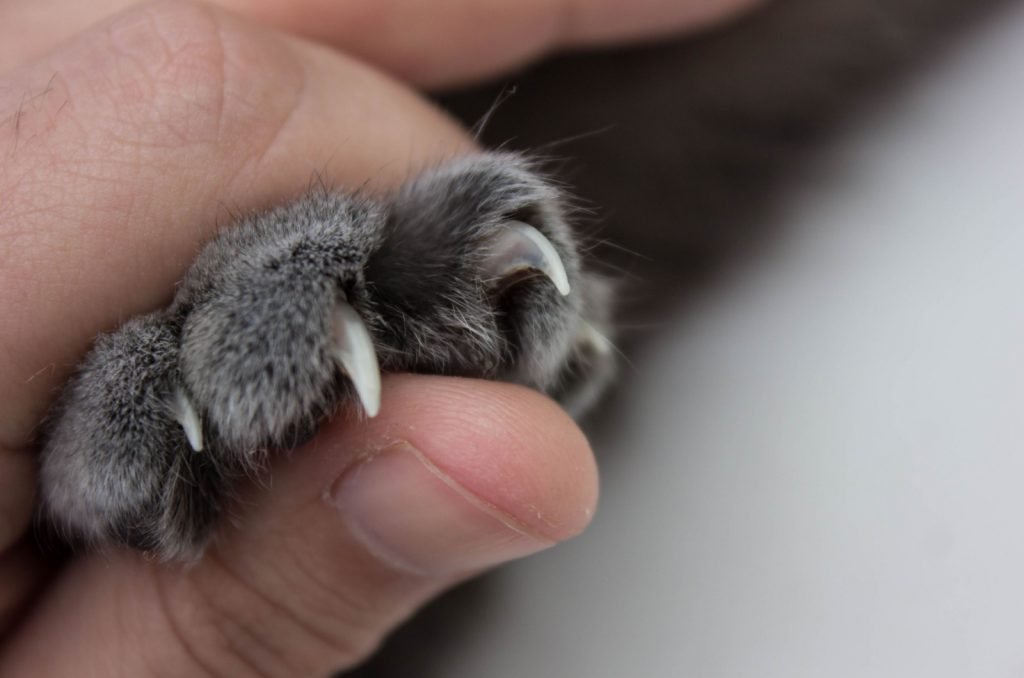
Preventing claw overgrowth is much easier than treating the problems it can cause. The best approach is to keep your cat’s nails at a suitable length through regular trimming with proper cat nail clippers.
Make nail care a normal part of your grooming routine. The trimming schedule will depend on your cat’s age, lifestyle, and nail growth rate. However, checking the claws every week and trimming them when needed can help prevent excessive growth. Many cats need a trim every few weeks.
Regular Trimming Is the Best Way to Prevent Overgrowth
Along with nail clipping, provide plenty of scratching opportunities. Scratching helps cats maintain their claws by removing loose outer layers.
Outdoor cats often use tree trunks and rough natural surfaces to scratch. Indoor cats need similar options around the house.
Try offering different scratching materials, such as:
- Sisal scratching posts
- Cardboard scratchers
- Carpet-covered scratching boards
- Natural wood scratching surfaces
Watch which materials your cat prefers and place scratchers in areas where they spend time.
Remember that scratching does not always replace nail trimming. Older and less active cats may need extra help maintaining healthy claws.
Consistent grooming can prevent painful injuries and make nail care much easier. Although treating severely overgrown claws can take time, regular maintenance helps reduce the chances of the problem returning.
You may also find this guide helpful: How to Choose a Cat-Proof Air Mattress.
Final Thoughts on Overgrown Cat Claws
Final Thoughts
Keeping your cat’s claws at a healthy length can prevent painful problems. Trim them when needed rather than allowing them to grow until they curl toward the paw pads. If a claw starts growing into the skin, contact your veterinarian for proper treatment.
Your vet can examine the affected paw, check for signs of infection, and prescribe medication if necessary. Early attention can prevent a minor nail problem from becoming a more serious injury.
Make claw checks and nail trimming part of your regular grooming routine. Pay extra attention to older cats because their claws may become thicker and grow longer without regular maintenance.
Remember, overgrown claws are more than a grooming concern. They can cause swelling, bleeding, pain, and difficulty walking. In severe cases, the nail may pierce the paw pad and create an infected wound.
A little attention to your cat’s paws can make a big difference. Keep the claws properly maintained, provide suitable scratching surfaces, and seek veterinary help whenever you notice an injury.