Ingrown Cat Claw: Signs and Help

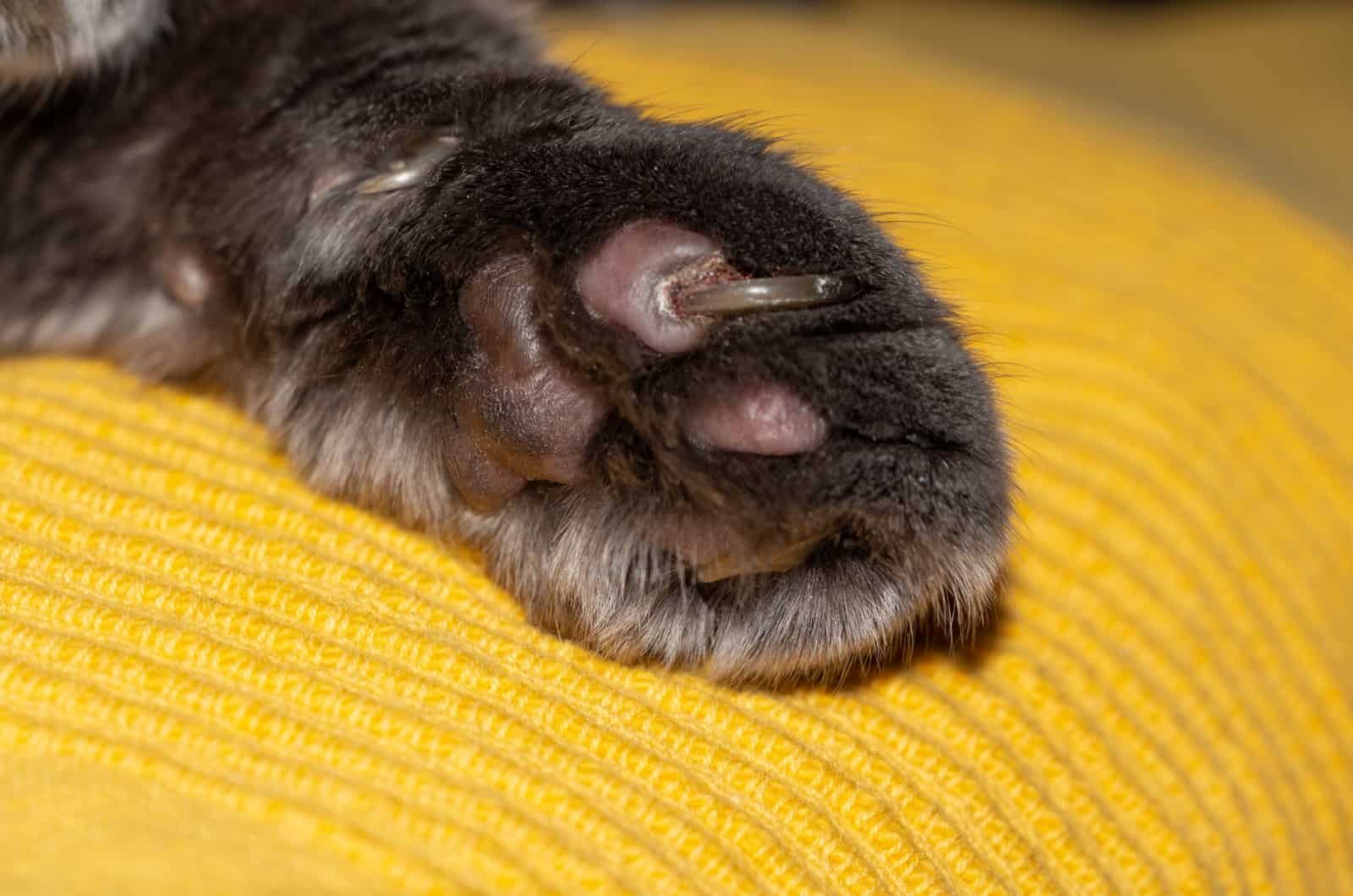
An ingrown cat claw can make each step painful. Cats often hide discomfort, so you may miss the problem at first.
If you spot an ingrown claw, have your vet check it. Early care can help prevent the problem from getting worse.
Advertisement – Continue Reading Below
Here’s how to spot the warning signs, why claws grow into the paw pad, and what you can do to help prevent it from happening again.
Signs of an Ingrown Cat Claw
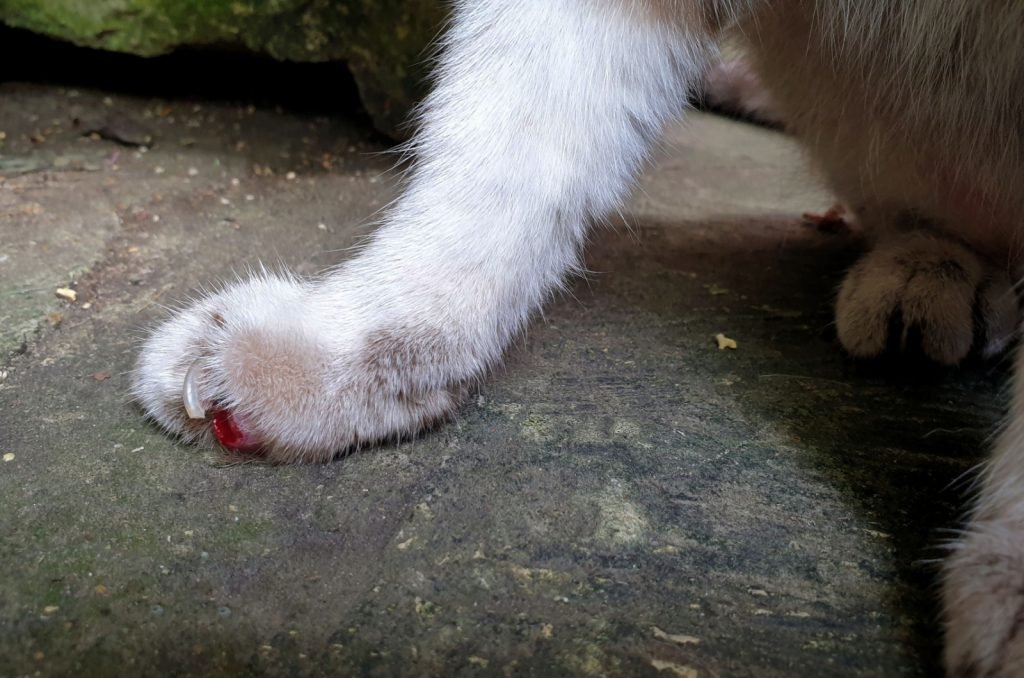
Look for a claw that curls toward the paw pad or digs into it. The area may be tender, and you might see swelling around the toe, the pad, or the whole foot.
Your cat may keep licking or chewing the sore toe. You might also notice a limp or spot blood on the paw pad.
What Happens if an Ingrown Cat Claw Goes Untreated?
When a claw pierces the paw pad, the area can become inflamed or infected. As the pain gets worse, your cat may stop putting weight on that foot. Without treatment, the problem can become more serious.
Related reading
How to Care for Unhealthy Cat Claws
Why Do Cats Get Ingrown Claws?
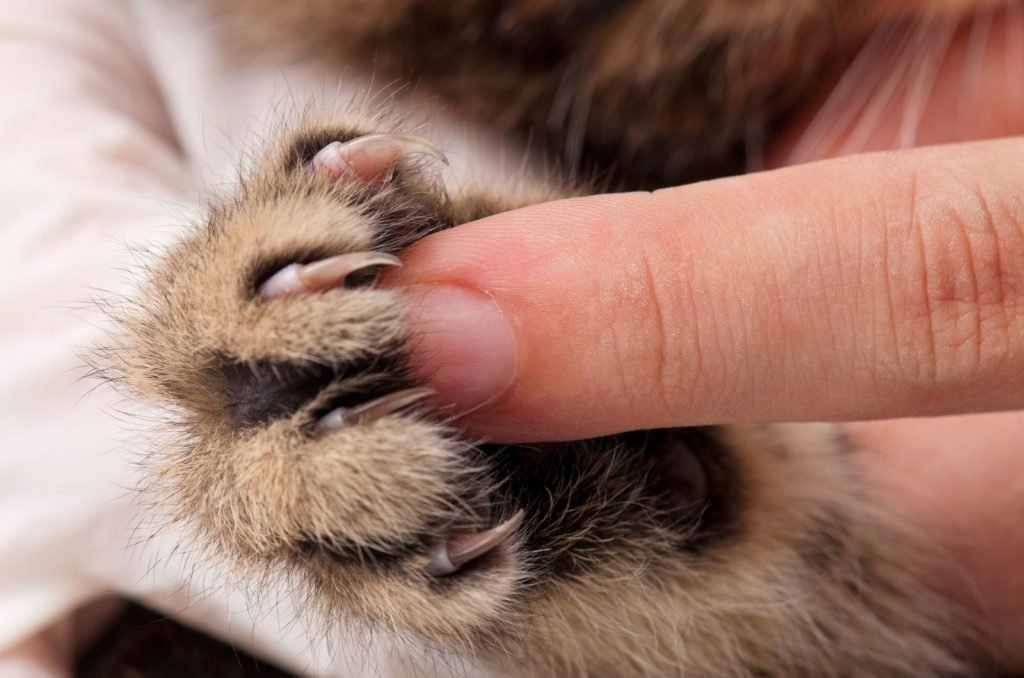
Most of the time, a cat’s claws stay tucked away. Cats extend them when they need to grip a surface, climb a tree, or catch prey. Each claw has a sharp tip and a natural curve. If it grows too long, that tip can curl back toward the paw pad and eventually pierce it.
Long fur can hide the claws and make overgrowth harder to spot. By the time you see the curved tip, it may already be pressing into the pad.
Why Dewclaws and Senior Cats Need a Closer Look
The dewclaw sits higher up on the inner side of the front paw. It rarely touches the ground, so it gets less natural wear than the other claws. As it grows, the tip can press into the skin. If it keeps growing, it may pierce the pad and cause pain and swelling.
Senior cats may also be more prone to ingrown claws. Their claws can thicken with age, and they may scratch less often. Scratching helps loosen the old outer layer of a claw so it can shed.
How to Prevent Ingrown Claws in Cats
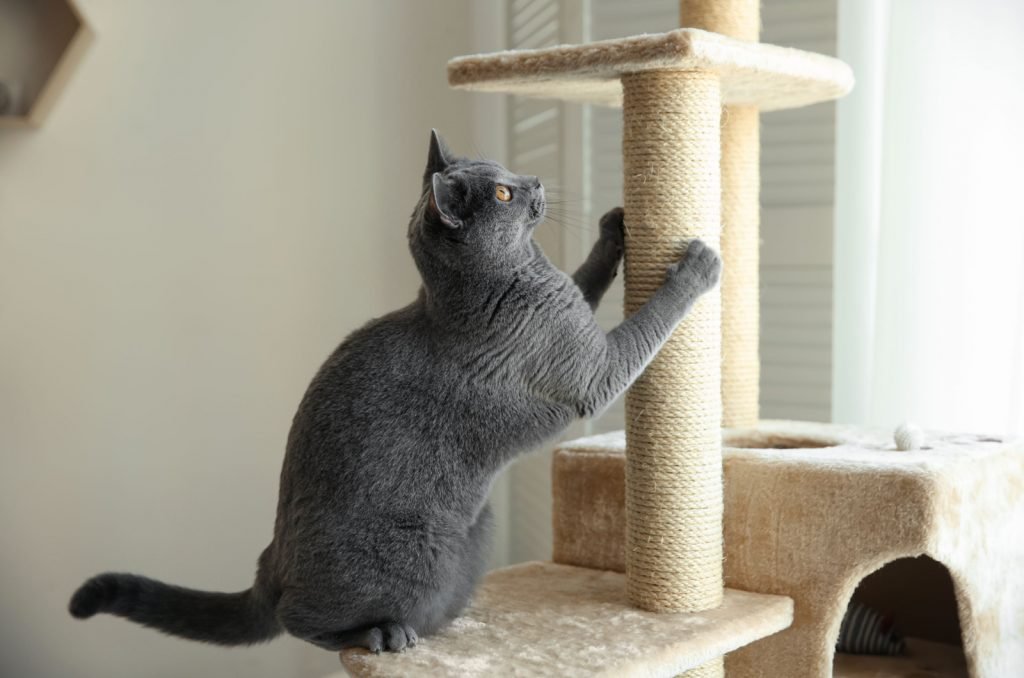
Give your cat a few places to scratch, such as a sisal-covered post and a carpeted scratching pad. Make time for active play, too. Indoor cats may have fewer surfaces to scratch, and older cats may scratch less often. Regular claw checks can help you catch overgrowth early.
How often your cat needs a nail trim depends on their age, activity level, and how quickly their claws grow. Pay close attention to the dewclaws, which can be easy to overlook. If your cat has long fur, gently part it around each toe so you can see where the claw tip points.
If a toe sits at an unusual angle or the same claw keeps curling toward the pad, ask your vet to check it. Your vet can help you decide how often that claw needs trimming.
Related reading
Why Cat Paw Pads Peel and What to Do
What to Do if Your Cat Has an Ingrown Claw
What to Do if Your Cat Has an Ingrown Claw
If a claw has pierced your cat’s paw pad, call your vet promptly. Tell them if your cat is limping or if you see swelling, bleeding, or discharge. Leave the embedded claw in place for the vet to remove. rexvet.org
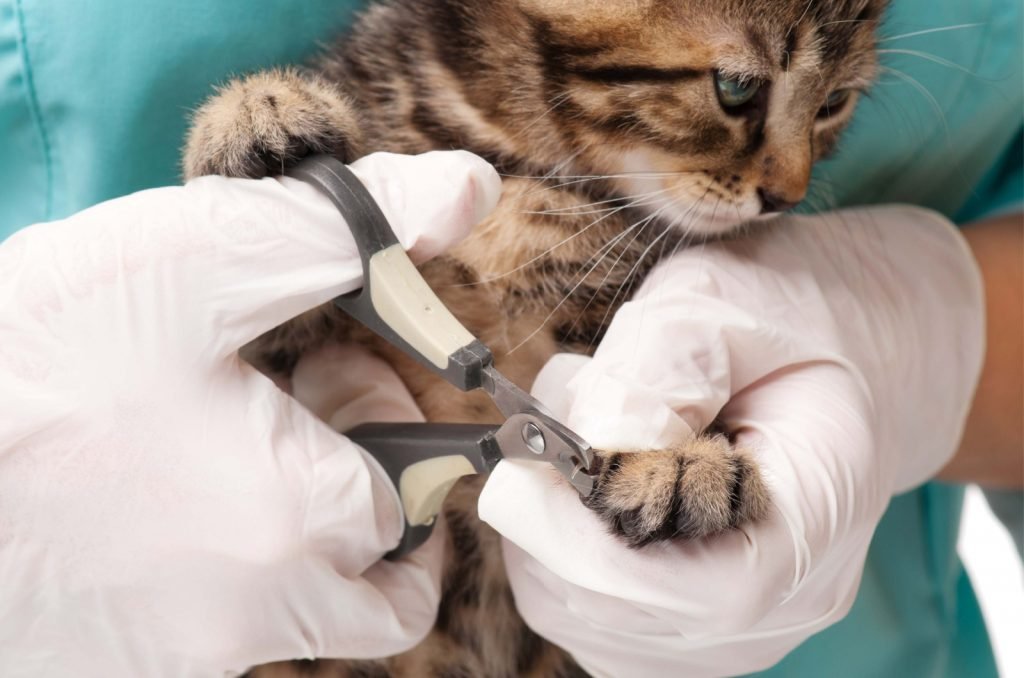
If the claw is curling toward the pad and the skin is still intact, ask your vet to show you how to trim it safely. rexvet.org
What Happens at the Vet?
Your vet will examine the paw, clip the claw, and remove the tip from the pad. They’ll then clean the wound. Your cat may need sedation to stay comfortable during the procedure. The vet may also prescribe pain relief or antibiotics, depending on what they find. rexvet.org
Follow your vet’s instructions for wound care while the paw heals. Once it has healed, regular claw checks and trims can help you spot and manage overgrowth before it happens again. PangoVet
Related reading
What to Do if Your Cat Has a Broken Toe
Final Thoughts on Ingrown Cat Claws
Editing note: I replaced the at-home removal and soaking steps with veterinary care and tailored aftercare guidance.

Final Thoughts on Ingrown Cat Claws
An ingrown cat claw can make walking painful. If your cat is favoring one paw, look for these signs:
- Frequent licking or chewing at a toe
- Swelling around the toe or paw pad
- Blood on the paw pad
- Pulling away when you touch the paw
- Limping or avoiding putting weight on the foot
If a claw appears to be digging into the pad, contact your vet promptly. If you’re unsure whether the claw has pierced the skin, your vet can check the paw and explain what care your cat needs. You can also ask them to show you how to check and trim your cat’s claws between visits.