A Complete Guide to Keeping Your Cat Healthy

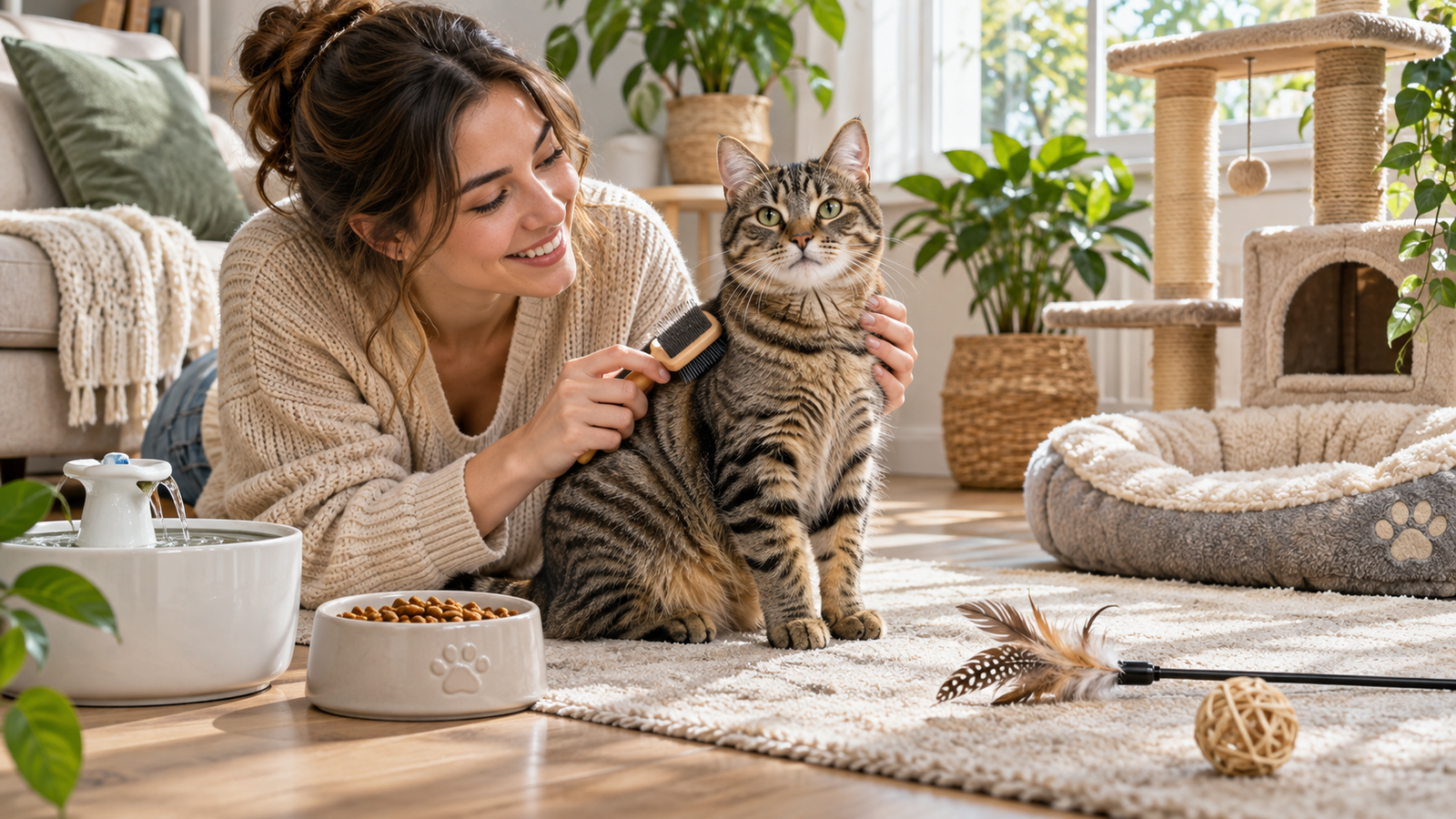
Cats bringoy, warmth, and companionship into our homes. Whether you are a first-time cat owner or have shared your home with cats for years, providing proper care is essential for their overall well-being.
Keeping your cat healthy involves more than simply providing food and shelter. A balanced diet, regular exercise, proper grooming, and preventive veterinary care all contribute to a comfortable and active life.
Advertisement – Continue Reading Below
The good news is that simple everyday habits can make a meaningful difference. This complete cat care guide will help you create a healthier and happier lifestyle for your feline companion.
1. Provide a Balanced and Nutritious Diet

Proper nutrition is the foundation of good feline health. Cats require essential nutrients to maintain their energy, support muscle development, and promote overall wellness.
Choose complete and balanced cat food that meets your cat’s age, activity level, and individual nutritional requirements.
Kittens, adult cats, and senior cats have different dietary needs, so selecting age-appropriate food is important.
Here are some helpful feeding tips:
- Choose nutritionally balanced cat food.
- Maintain consistent feeding times.
- Provide appropriate portion sizes.
- Limit unnecessary treats.
- Introduce new foods gradually.
- Keep feeding bowls clean.
Consult your veterinarian if you are unsure which food is most suitable for your feline companion.
2. Ensure Your Cat Stays Hydrated

Fresh drinking water is essential for maintaining your cat’s overall health. However, some cats naturally drink less water than others.
Place several water bowls in quiet and easily accessible areas throughout your home.
A cat water fountain may encourage drinking, especially if your cat enjoys moving water.
Wet cat food can also contribute to daily moisture intake when included as part of a balanced diet.
Refresh drinking water daily and clean water bowls regularly to maintain freshness.
3. Schedule Regular Veterinary Checkups
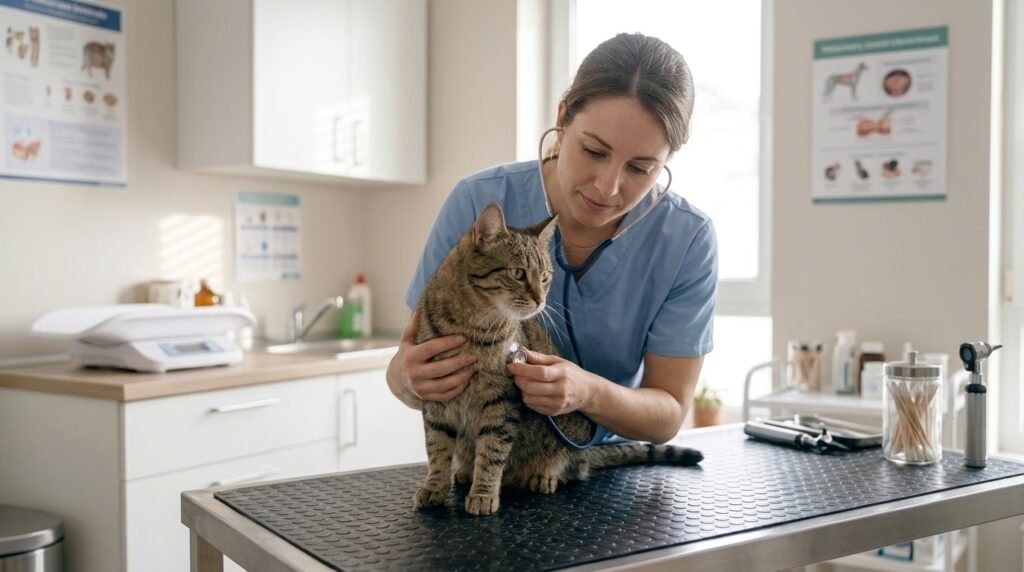
Routine veterinary visits are an important part of keeping your cat healthy.
Professional examinations can help identify potential health concerns before noticeable changes appear in your cat’s daily routine.
Most healthy adult cats benefit from at least one veterinary examination each year. Kittens, senior cats, and cats with existing health conditions may need more frequent visits.
During these appointments, your veterinarian can assess your cat’s weight, dental health, nutritional needs, and general well-being.
Keeping vaccinations and preventive treatments up to date is equally important.
4. Encourage Daily Exercise and Play
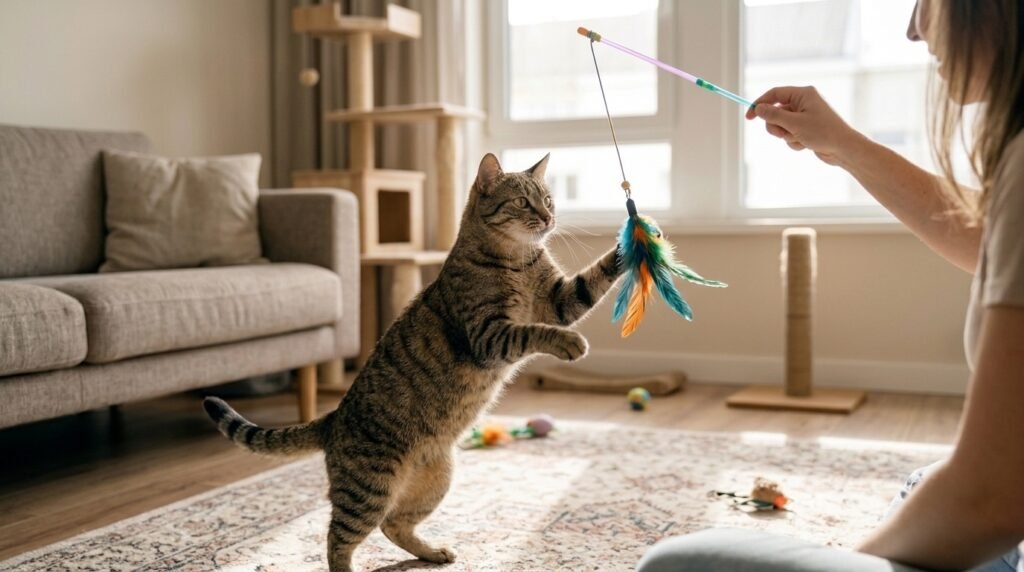
Physical activity helps cats maintain a healthy weight, supports mobility, and provides mental stimulation.
Indoor cats particularly benefit from regular opportunities to explore, climb, and play.
You can encourage activity with:
- Interactive cat toys
- Feather wands
- Cat trees
- Scratching posts
- Puzzle feeders
- Supervised play sessions
Try scheduling several short play sessions throughout the day. Adjust the duration and intensity according to your cat’s age and energy level.
Regular play also provides an enjoyable opportunity to strengthen your bond with your pet.
5. Maintain a Healthy Body Weight

Maintaining an appropriate body weight supports your cat’s long-term wellness and everyday comfort.
Providing excessive portions or too many treats can make weight management more difficult, especially for cats with less active lifestyles.
Measure your cat’s food portions and encourage consistent physical activity.
You should generally be able to feel your cat’s ribs beneath a light layer of fat and notice a gentle waistline when viewed from above.
Ask your veterinarian to determine your cat’s ideal weight and body condition.
Never introduce a restrictive diet or suddenly reduce food portions without professional guidance.
6. Groom Your Cat Regularly

Although cats naturally groom themselves, regular brushing offers additional benefits.
Brushing helps remove loose fur, reduce tangles, and maintain a clean, comfortable coat. It also allows you to notice changes in your cat’s skin or fur.
Short-haired cats may benefit from brushing once or twice a week, while long-haired cats often require more frequent attention.
Use a gentle brush designed for cats and introduce grooming gradually.
Regular grooming can become a relaxing bonding activity when your cat feels comfortable with the routine.
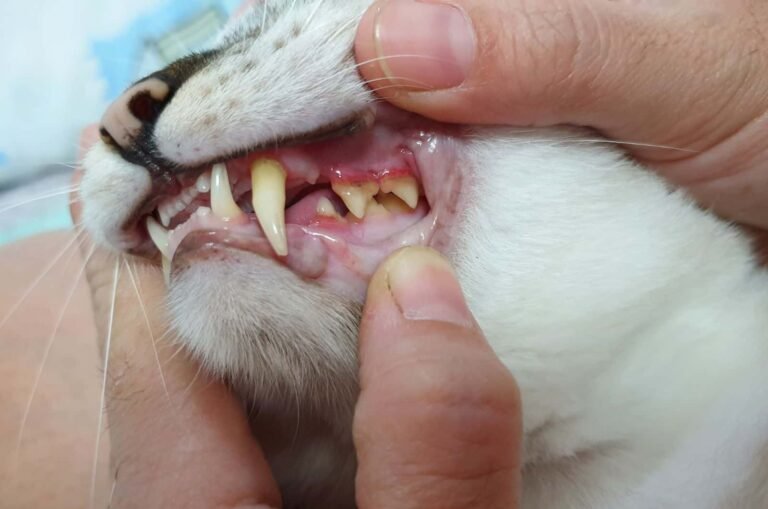
7. Take Care of Your Cat’s Dental Health

Dental care is sometimes overlooked, but it plays an important role in feline wellness.
Regular dental care helps maintain comfortable eating habits and supports healthy teeth and gums.
Introduce toothbrushing gradually using a cat-friendly toothbrush and toothpaste specifically formulated for pets.
Never use human toothpaste for your cat.
Veterinarian-recommended dental products may also complement your cat’s oral care routine.
If you notice persistent bad breath, unusual drooling, or difficulty eating, arrange a veterinary examination.
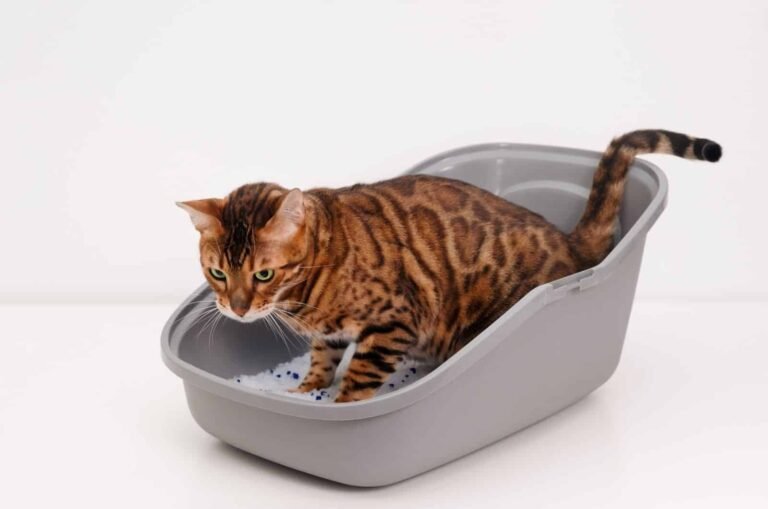
8. Keep the Litter Box Clean

A clean litter box contributes to your cat’s comfort and household hygiene.
Cats generally prefer a quiet, accessible location where they can use their litter box without interruptions.
Scoop the litter box at least once daily and replace the litter regularly according to the type of litter you use.
A helpful general guideline is to provide one litter box per cat, plus one additional box.
Place multiple litter boxes in separate locations rather than grouping them together.
Paying attention to bathroom habits can also help you recognize changes in your cat’s health.
9. Create a Safe and Comfortable Home
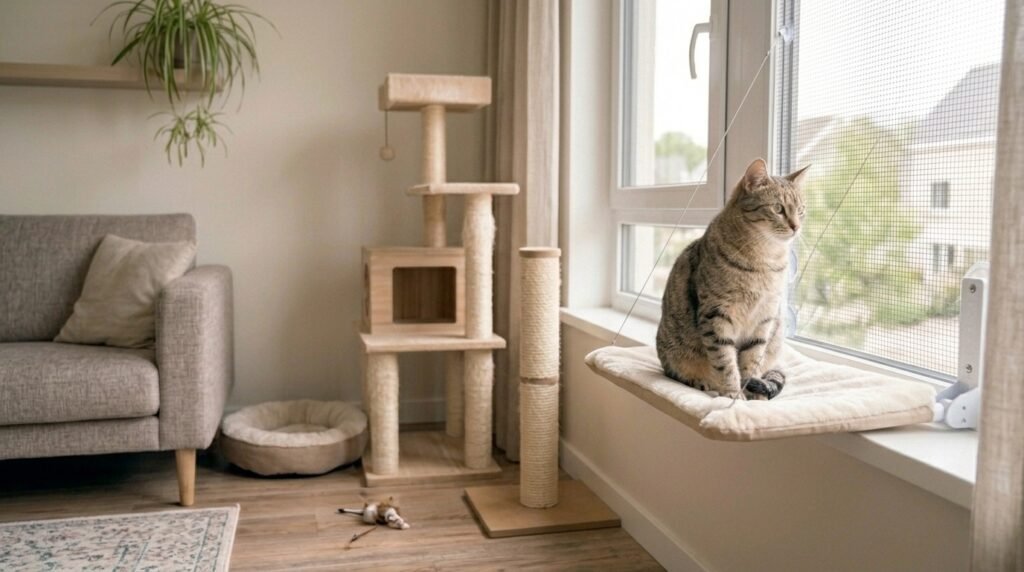
Your cat’s surroundings play an important role in their physical and emotional well-being.
Create welcoming spaces where your cat can relax, explore, and observe their environment.
Consider adding comfortable bedding, elevated resting areas, window perches, and scratching surfaces.
Keep household cleaning products, unsuitable plants, medications, and small objects safely out of reach.
Secure windows and balconies, and supervise outdoor activities when possible.
A thoughtfully arranged home allows your cat to enjoy everyday activities while remaining comfortable and secure.
10. Support Your Cat’s Mental Well-Being

Cats need mental enrichment as well as physical activity.
Providing variety in their daily environment can help reduce boredom and encourage natural feline behaviors.
Rotate toys occasionally, introduce food puzzles, and provide cardboard boxes or pet-friendly tunnels for exploration.
Maintain a predictable daily routine whenever possible.
Respect your cat’s personal space and allow them to approach you for attention when they feel comfortable.
A peaceful environment combined with positive interaction can support your cat’s emotional wellness.
11. Stay Consistent With Preventive Care
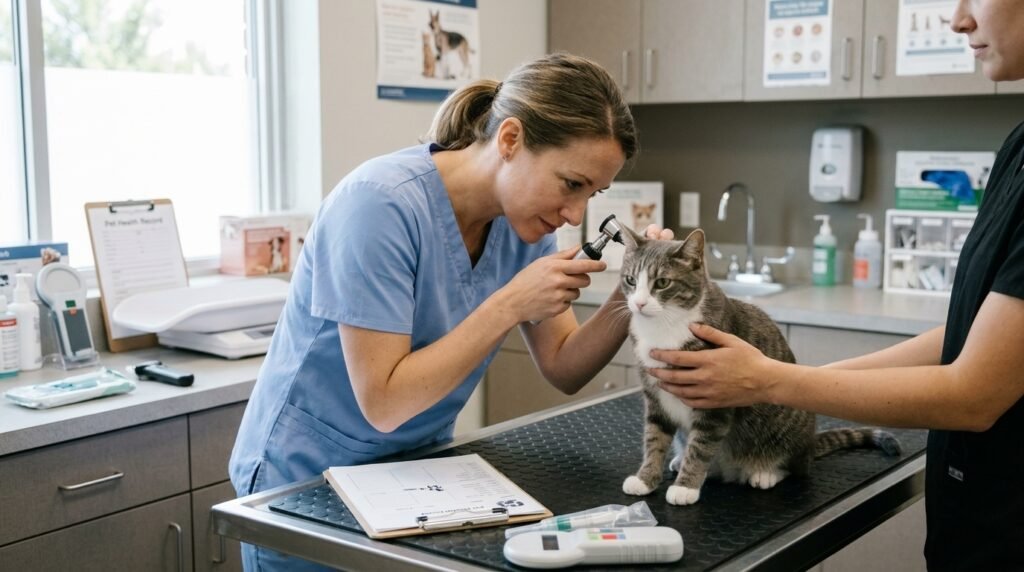
Preventive care is one of the most effective ways to support your cat’s long-term health.
Even cats that spend all their time indoors can benefit from appropriate preventive treatments.
Speak with your veterinarian about:
- Recommended vaccinations
- Flea and parasite prevention
- Routine health screenings
- Spaying or neutering
- Microchipping
- Age-appropriate wellness care
Always use products specifically approved for cats. Some products designed for dogs are unsuitable for feline companions.
12. Understand Your Cat’s Changing Needs

Your cat’s care requirements will naturally change over time.
Kittens need appropriate nutrition, socialization, and frequent veterinary attention. Adult cats benefit from consistent routines, balanced meals, and regular exercise.
Senior cats may appreciate softer bedding, easily accessible food bowls, and litter boxes with lower entrances.
Older cats also benefit from more frequent veterinary assessments.
Adjusting your home and daily routine as your cat grows older can help maintain their comfort and quality of life.
13. Pay Attention to Changes in Your Cat’s Behavior

Understanding your cat’s usual habits makes it easier to recognize when something is different.
Monitor their appetite, drinking habits, grooming routine, energy levels, and sleeping patterns.
Contact your veterinarian if you notice significant changes, including unexpected weight loss, reduced appetite, unusual hiding, or changes in bathroom habits.
Cats that stop eating need prompt veterinary attention. Difficulty breathing, collapse, or straining without passing urine requires immediate veterinary care.
Early professional attention is an important part of responsible pet ownership.
Daily and Weekly Cat Care Routine
Creating a simple care schedule can help you stay organized and meet your cat’s everyday needs.
| Care Activity | Recommended Frequency |
|---|---|
| Provide fresh drinking water | Daily |
| Serve balanced meals | Daily |
| Clean food and water bowls | Daily |
| Scoop the litter box | At least daily |
| Interactive play | Daily |
| Check behavior and appetite | Daily |
| Brush teeth | Ideally daily |
| Brush fur | Based on coat type |
| Check body weight | Regularly |
| Veterinary wellness examination | At least annually for most adults |
Consistency is more important than creating a complicated routine. Small, manageable habits can make everyday cat care easier and more rewarding.
Common Mistakes to Avoid When Caring for Your Cat

Even experienced cat owners can overlook certain aspects of everyday care.
Avoid overfeeding, neglecting dental hygiene, skipping routine veterinary appointments, or using products that are not designed for cats.
It is also important to provide enough opportunities for exercise and mental stimulation.
Focus on creating a balanced lifestyle that meets your cat’s individual needs rather than following a one-size-fits-all approach.
Frequently Asked Questions
What is the best way to keep a cat healthy?
Provide balanced nutrition, fresh water, regular exercise, appropriate grooming, a clean environment, and preventive veterinary care.
How often should I take my cat to the vet?
Most healthy adult cats should visit a veterinarian at least once a year. Senior cats, kittens, and cats with specific health needs may require more frequent appointments.
How can I keep my indoor cat active?
Interactive toys, climbing structures, scratching posts, puzzle feeders, and regular play sessions are excellent ways to encourage activity indoors.
Do indoor cats need vaccinations?
Yes. Indoor cats still need appropriate vaccinations based on their age, health, lifestyle, and veterinary recommendations.
Is wet or dry food better for cats?
Both wet and dry food can support good nutrition when they are complete, balanced, and suitable for your cat. Wet food provides additional moisture, while dry food may offer convenience.
How can I tell if my cat is healthy?
A healthy cat generally maintains a stable weight, normal appetite, comfortable movement, regular bathroom habits, and behavior consistent with their usual personality.
However, routine veterinary examinations remain essential even when your cat appears healthy.
Final Thoughts

Keeping your cat healthy does not have to be complicated. Providing nutritious meals, fresh water, regular exercise, proper grooming, and a comfortable environment can make a meaningful difference in your companion’s everyday life.
Combine these daily habits with regular veterinary care and plenty of positive interaction.
Every cat is unique, so take the time to understand your feline companion’s individual preferences and changing needs.
With consistent care, patience, and attention, you can help your cat enjoy a healthier, happier, and more comfortable life.
Disclaimer: This article is intended for general educational purposes and is not a substitute for professional veterinary advice, diagnosis, or treatment.