How to Check Your Pet’s Health at Home

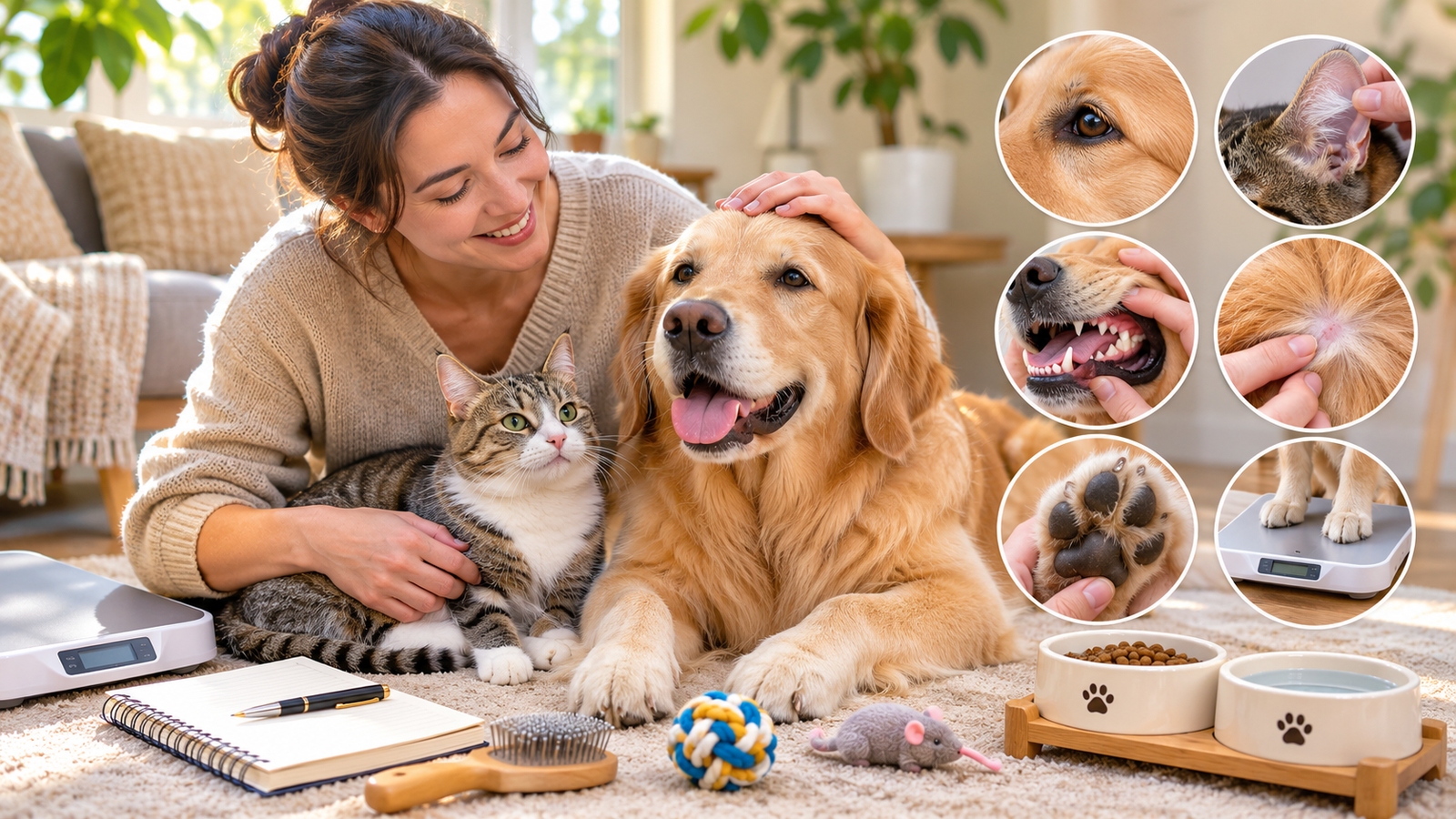
Pets are an important part of our families, and keeping them healthy is a responsibility that comes with pet ownership. While regular veterinary visits are essential, paying attention to your pet’s health at home is equally important.
Learning how to check your pet’s health at home can help you recognize changes in their physical condition, behavior, and everyday habits.
Advertisement – Continue Reading Below
A simple home wellness check does not require expensive equipment or advanced knowledge. By spending a few minutes observing your furry companion, you can become more familiar with their individual health needs.
This guide explains how to perform a basic health check for dogs and cats safely and comfortably.
1. Observe Your Pet’s Daily Behavior
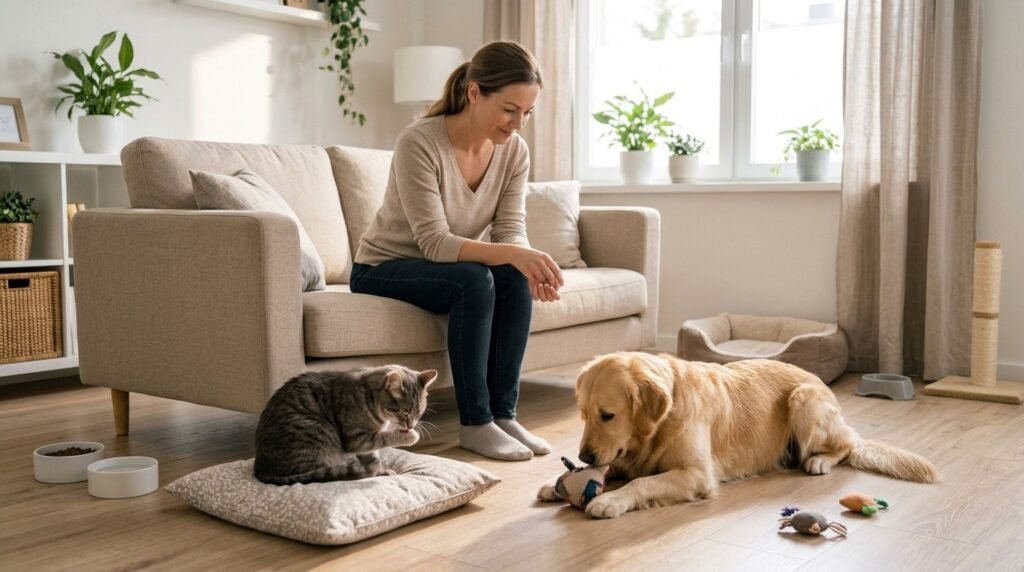
Your pet’s behavior can provide valuable information about their overall well-being.
Healthy pets generally maintain familiar eating habits, sleeping routines, energy levels, and social behaviors.
Spend time observing your pet during their everyday activities. Notice how they respond to family members, toys, meals, and their surroundings.
Pay attention to changes in:
- Energy and activity levels
- Appetite and drinking habits
- Sleeping patterns
- Interest in playtime
- Social interactions
- Grooming habits
- Bathroom routines
Every pet has a unique personality. Understanding what is normal for your companion makes it easier to recognize unusual changes.
2. Examine Your Pet’s Eyes
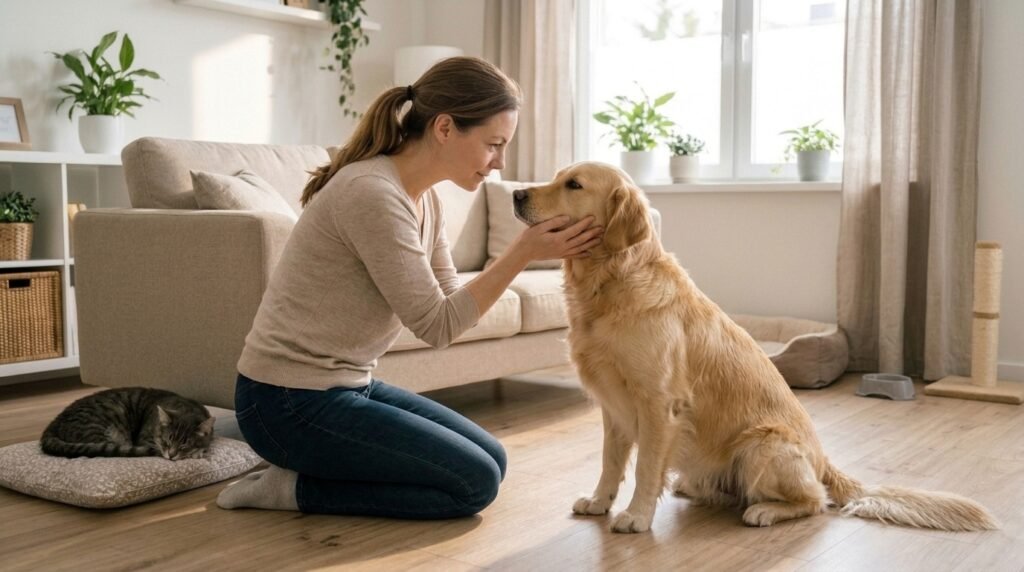
Your pet’s eyes can offer useful clues about their overall wellness.
Healthy eyes generally appear clear, comfortable, and free from excessive discharge.
Observe both eyes in a well-lit room without shining a bright light directly into them.
Look for unusual redness, cloudiness, swelling, frequent blinking, or changes in appearance.
Avoid touching the surface of the eyes or using unapproved eye care products.
If you notice persistent changes, consult your veterinarian. Sudden eye changes, squinting, or an eye injury require urgent professional attention.
3. Check Your Pet’s Ears
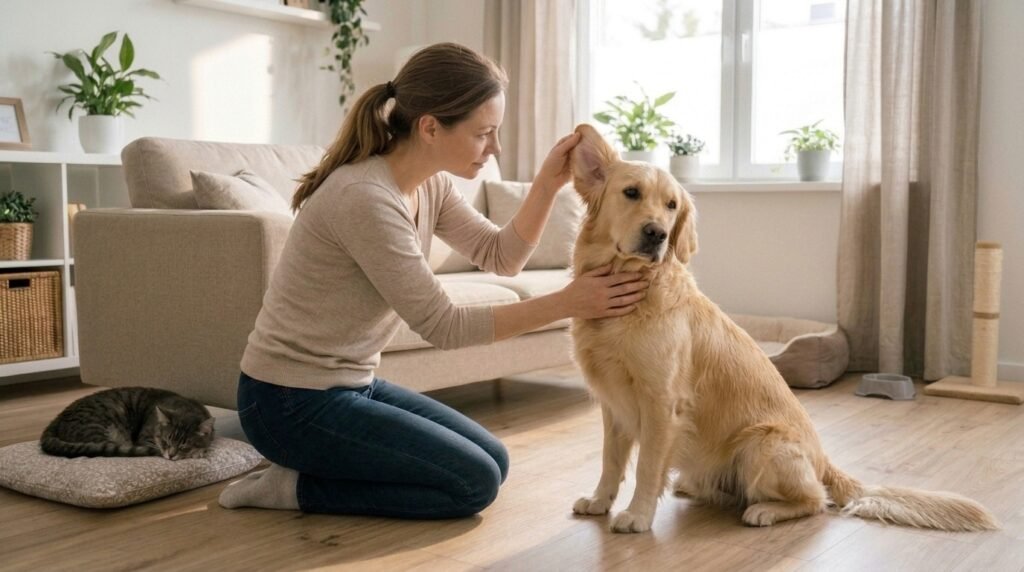
Regular ear checks are an important part of maintaining your pet’s comfort and hygiene.
Gently lift the outer ear if your pet feels comfortable. Look at the visible areas without inserting anything into the ear canal.
Healthy ears are generally free from excessive buildup, irritation, and unpleasant odors.
Frequent scratching, head shaking, or unusual discharge may indicate that your pet needs professional attention.
Use only veterinarian-approved ear care products when necessary, and avoid inserting cotton swabs into the ear canal.
4. Look at Your Pet’s Nose
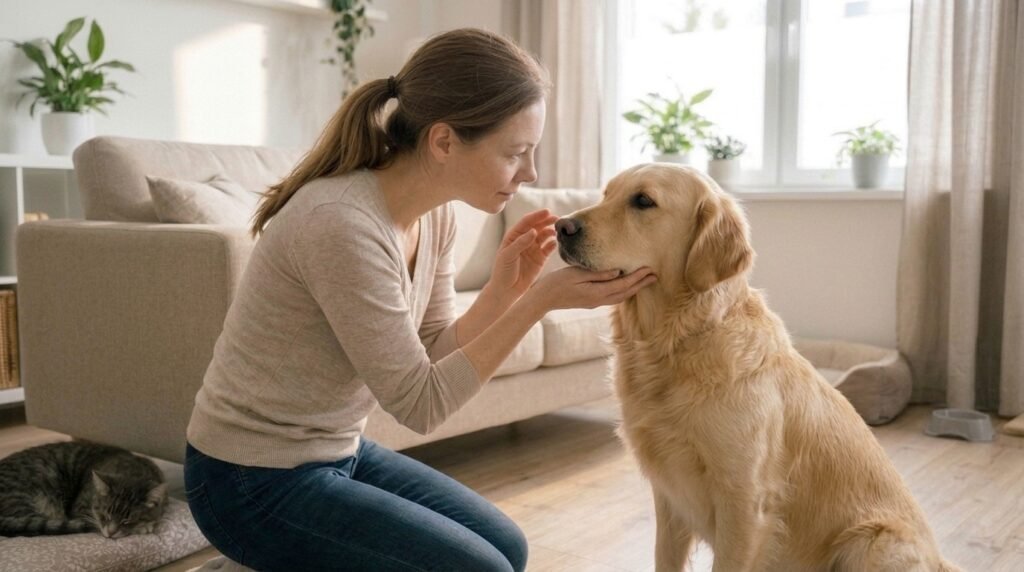
Your pet’s nose is another area you can observe during a routine health check.
Look for unusual swelling, persistent discharge, or noticeable changes in its appearance.
A pet’s nose may naturally become warm, cool, moist, or dry throughout the day.
Contrary to a common belief, a warm or dry nose alone does not necessarily indicate a health problem.
Consider your pet’s overall behavior and physical condition rather than relying on nose moisture as a measure of wellness.
5. Examine Teeth and Gums
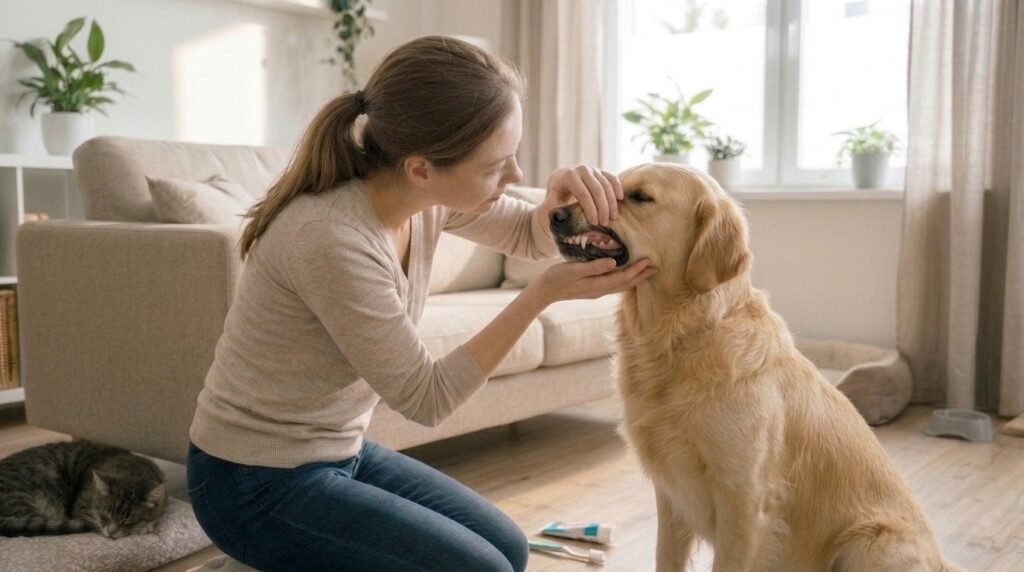
Good dental health contributes to your pet’s everyday comfort and overall well-being.
When your pet is relaxed, gently lift their lips if they allow you to do so. Observe the visible teeth and gums without forcing their mouth open.
Look for excessive buildup, damaged teeth, gum irritation, or persistent unpleasant breath.
Healthy gums are usually pink in areas without natural pigmentation. Become familiar with your pet’s normal gum color, as some animals naturally have darker gums.
Sudden changes to pale, white, blue, or gray gums require immediate veterinary attention.
Regular brushing with pet-friendly toothpaste and professional dental examinations can help maintain good oral health.
6. Inspect the Skin and Coat
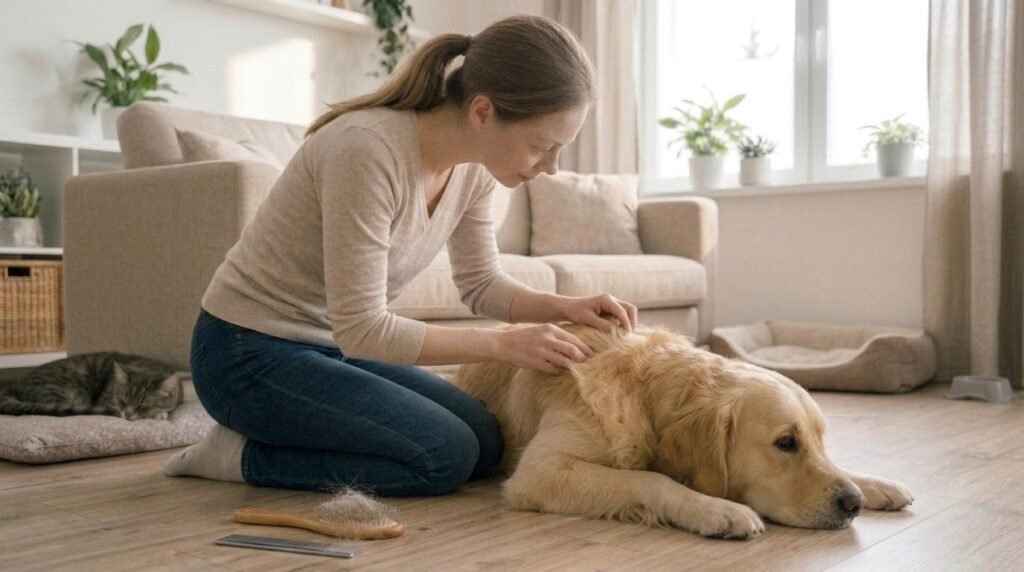
Your pet’s skin and coat can reflect important aspects of their general health.
Gently run your hands over their body during a regular grooming session.
Look for changes such as:
- Excessive scratching
- Unusual shedding
- Dry or flaky skin
- Changes in coat texture
- New bumps or swelling
- Areas of thinning fur
- Skin irritation
Regular brushing can help you become more familiar with your pet’s skin and coat condition.
If you discover a new lump or notice persistent skin changes, arrange a veterinary examination rather than attempting to identify or treat the issue yourself.
7. Monitor Your Pet’s Weight and Body Condition
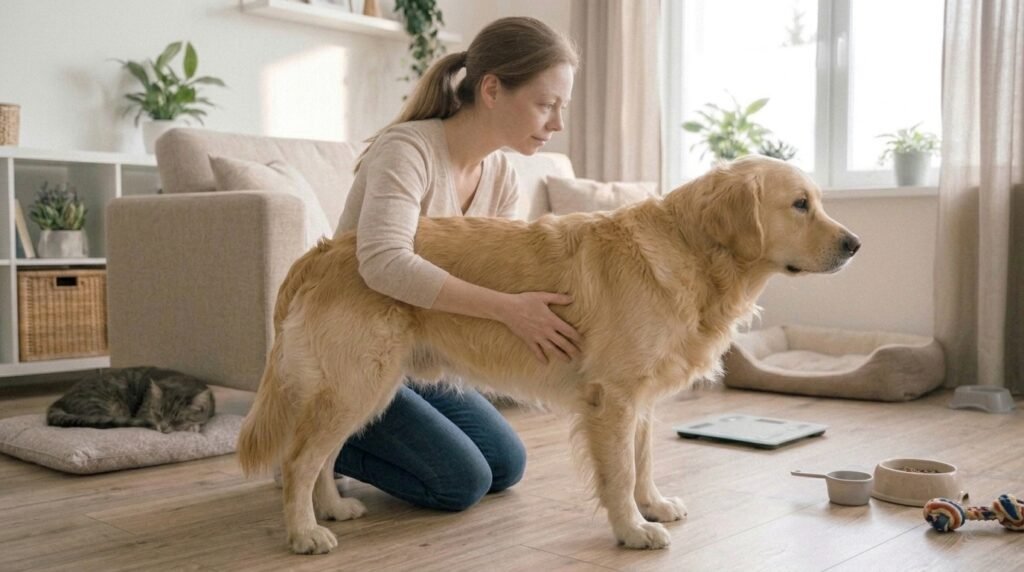
Maintaining a suitable body weight supports your pet’s mobility, comfort, and long-term wellness.
You can monitor body condition by gently observing and feeling your pet’s body.
For most dogs and cats at an ideal body condition, the ribs should be easy to feel beneath a light covering of fat, and a waistline should be noticeable when viewed from above.
However, body shape can vary depending on breed, age, and individual characteristics.
Weigh your pet regularly when practical and record any noticeable changes.
Unexpected weight gain or loss should be discussed with your veterinarian.
Balanced nutrition, suitable portion sizes, and regular physical activity can help support healthy weight management.
8. Check Your Pet’s Breathing
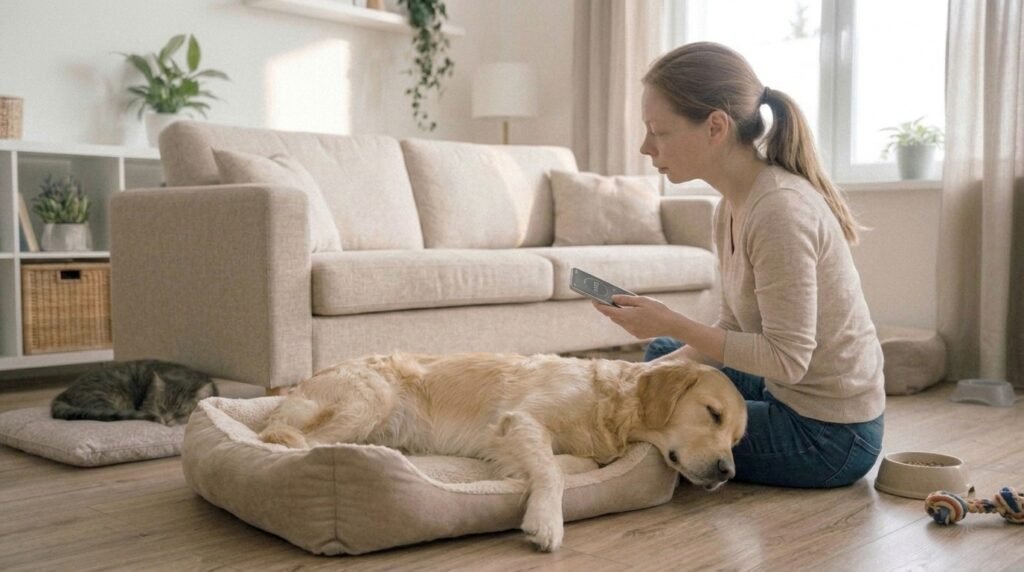
Observing your pet’s breathing while they are resting can provide helpful information about their wellness.
Normal resting breathing should generally appear smooth and comfortable.
To measure your pet’s resting breathing rate:
- Wait until your pet is sleeping or completely relaxed.
- Watch the movement of their chest.
- Count one complete rise and fall as one breath.
- Count the breaths for 30 seconds.
- Multiply the result by two.
Many healthy adult dogs and cats have a resting breathing rate of approximately 15–30 breaths per minute.
Contact your veterinarian if the resting rate is consistently elevated or noticeably different from your pet’s usual rate.
Difficulty breathing, gasping, or open-mouth breathing in a cat requires immediate veterinary care.
9. Monitor Eating and Drinking Habits
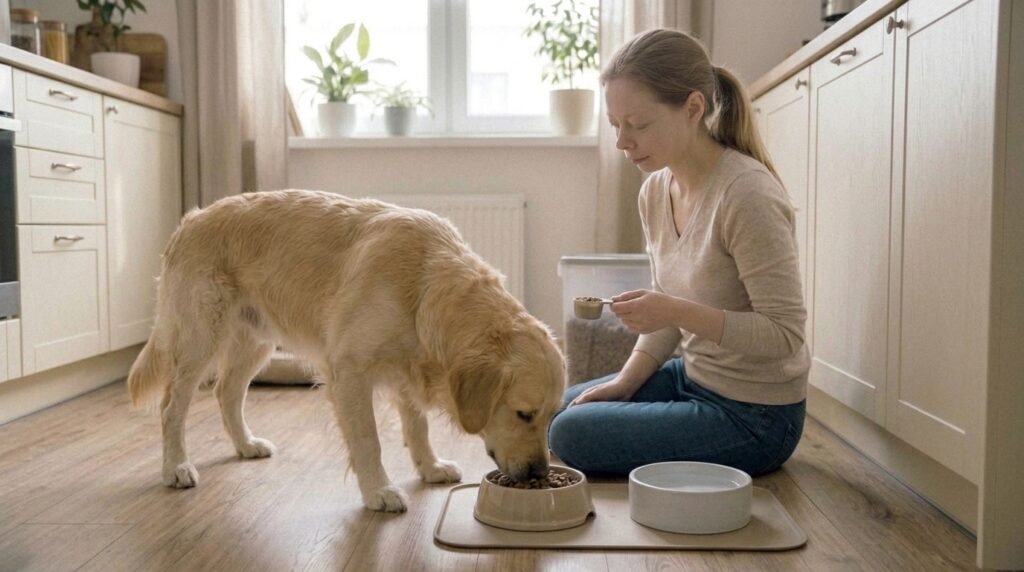
Nutrition and hydration are essential parts of everyday pet wellness.
Pay attention to how much food and water your companion consumes throughout the day.
Maintaining consistent feeding times makes it easier to recognize changes in appetite.
Provide fresh drinking water, clean feeding bowls, and complete, balanced food appropriate for your pet’s age and nutritional requirements.
Sudden changes in thirst, difficulty eating, or reduced interest in meals may require veterinary attention.
Cats that stop eating should receive prompt professional assessment.
10. Check Your Pet’s Paws and Nails
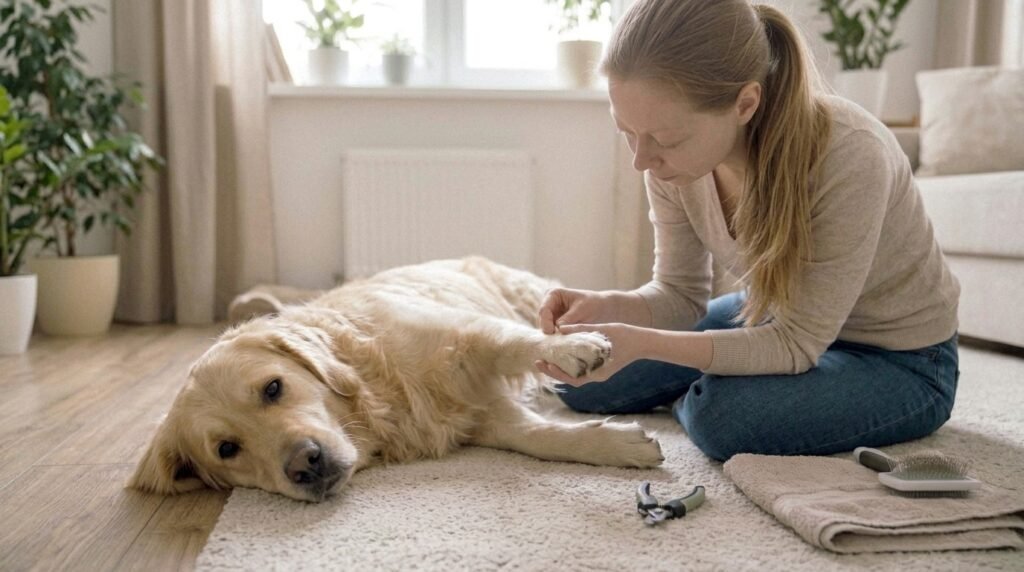
Your pet’s paws support their movement, balance, and everyday activities.
Regular paw checks can help maintain comfort, especially for pets that enjoy outdoor adventures.
Gently examine their paw pads, nails, and the visible spaces between their toes.
Look for excessive nail growth, dryness, irritation, or anything caught around the paws.
Keep nails appropriately trimmed using suitable pet grooming tools.
If you are unfamiliar with nail trimming, ask a veterinarian or professional groomer to demonstrate the correct technique.
11. Observe Movement and Physical Activity
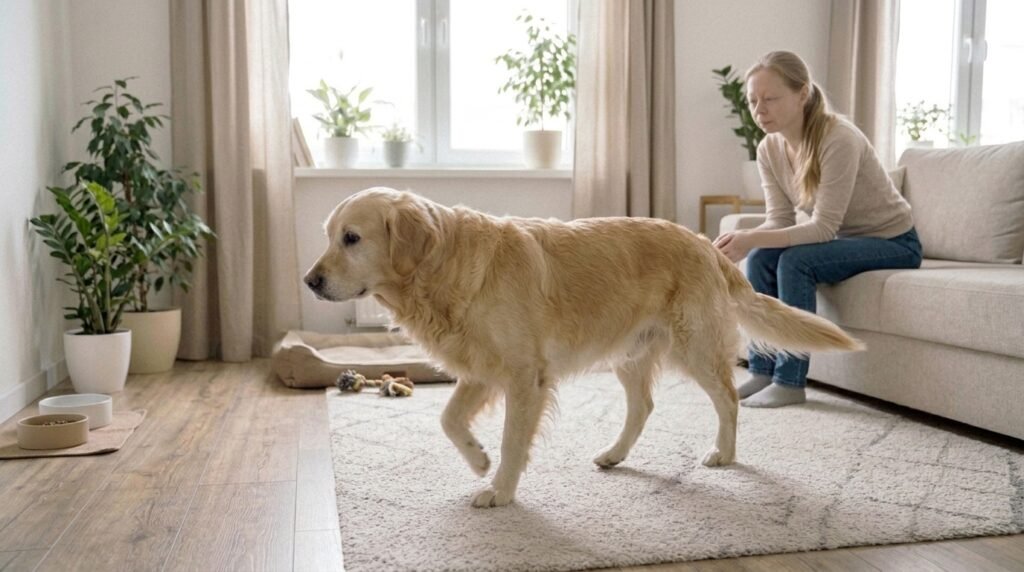
The way your pet walks, stretches, plays, and moves around your home can provide useful information about their physical condition.
Notice whether your companion can comfortably perform their usual activities.
Pay attention to changes in walking patterns, difficulty climbing stairs, hesitation when jumping, or reduced interest in movement.
Senior pets may require additional support as their activity levels naturally change.
Provide comfortable bedding, accessible feeding areas, and suitable exercise opportunities based on their individual needs.
Do not force movement or manipulate joints if your pet appears uncomfortable.
12. Pay Attention to Bathroom Habits
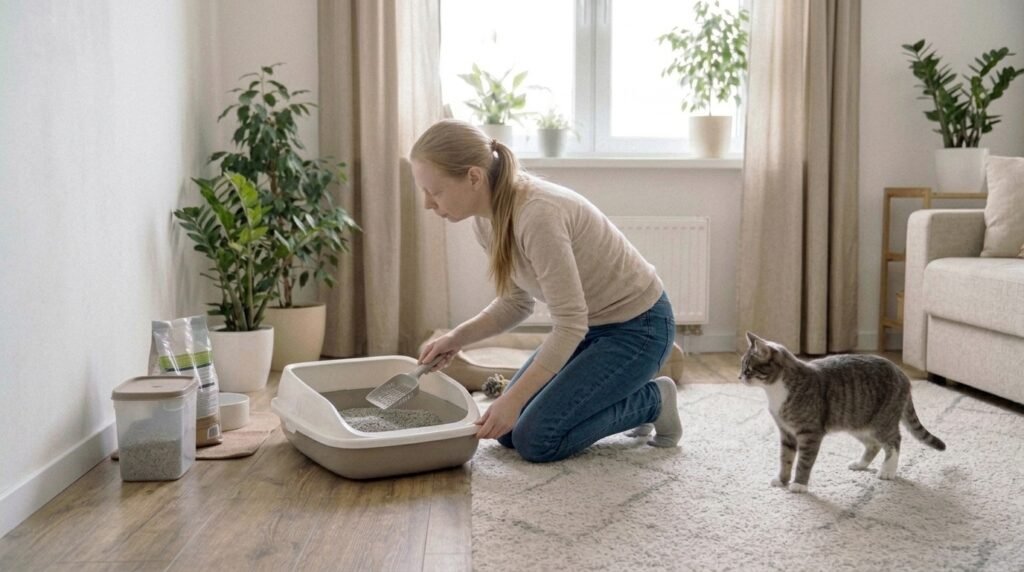
Monitoring bathroom routines is another useful way to check your pet’s health at home.
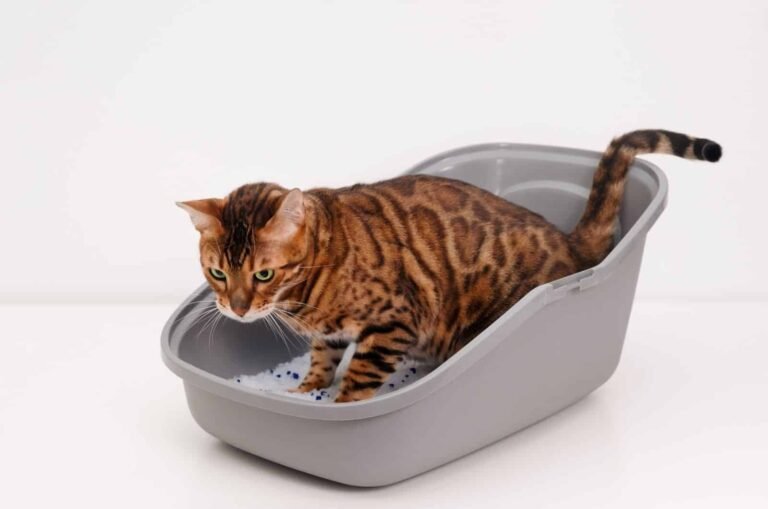
For cats, cleaning the litter box regularly provides an opportunity to observe their usual habits.
For dogs, pay attention to bathroom routines during outdoor walks.
Notice changes in frequency, consistency, or the amount of urine produced.
Persistent digestive changes or unusual bathroom habits should be discussed with your veterinarian.
Repeated attempts to urinate with little or no urine passing require immediate veterinary attention, particularly in cats.
13. Keep a Simple Pet Health Journal
Maintaining a pet health journal is an easy way to stay organized.
You can use a notebook, smartphone application, or digital document to record your pet’s wellness information.
Include details such as:
- Body weight
- Feeding routines
- Water consumption
- Activity levels
- Grooming schedules
- Vaccination records
- Veterinary appointments
- Changes in behavior
These records can help you identify gradual changes that might otherwise go unnoticed.
They can also provide valuable information during veterinary appointments.
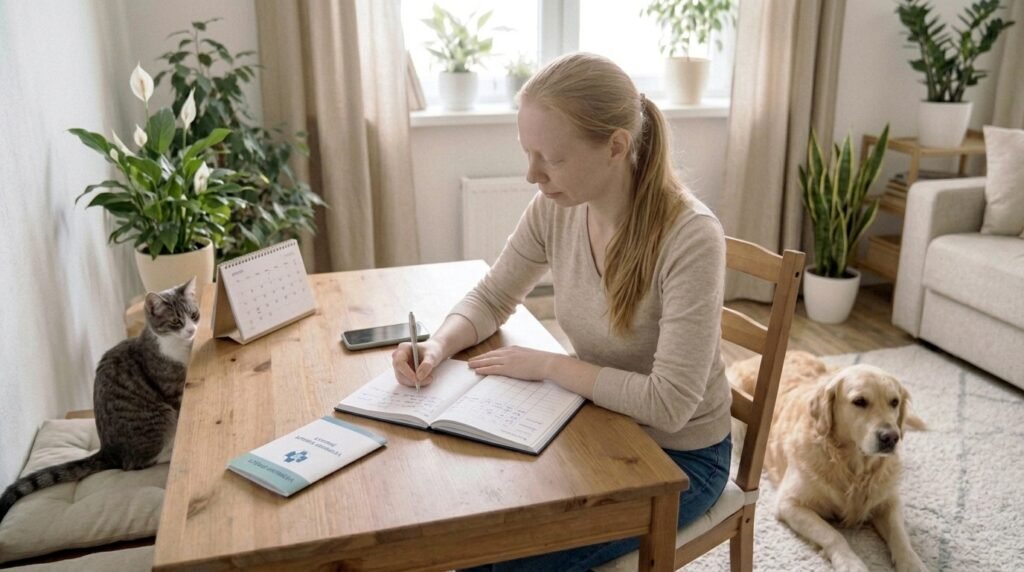
At-Home Pet Health Check Checklist
Use this simple checklist to establish a regular wellness routine for your furry companion.
| Health area | What to check | Suggested frequency |
|---|---|---|
| Behavior | Energy and daily habits | Daily |
| Eyes | Clarity and appearance | Daily |
| Ears | Cleanliness and comfort | Weekly |
| Teeth and gums | Appearance and cleanliness | Weekly |
| Skin and coat | Texture and unusual changes | Weekly |
| Appetite | Food consumption | Daily |
| Hydration | Drinking habits | Daily |
| Breathing | Comfortable resting breathing | Regularly |
| Paws and nails | Cleanliness and nail length | Weekly |
| Body weight | Changes in weight | Monthly |
| Bathroom habits | Frequency and consistency | Daily |
Adjust this routine according to your pet’s age, lifestyle, health requirements, and veterinary recommendations.
Common Mistakes to Avoid During a Home Health Check
Home wellness checks should be gentle, comfortable, and stress-free.
Avoid forcing your pet to remain still, applying excessive pressure to sensitive areas, or using unfamiliar health products.
Never give human medication to your pet without veterinary approval.
Choose a time when your companion is naturally relaxed. If your pet becomes uncomfortable, stop the examination and seek professional assistance when necessary.
Remember that an at-home health check is intended to support awareness, not diagnose medical conditions.

When Should You Visit a Veterinarian?
Although regular home checks are helpful, professional veterinary care remains essential.
Contact your veterinarian if you notice persistent appetite changes, unexpected weight fluctuations, unusual tiredness, ongoing digestive concerns, or noticeable behavioral changes.
Seek immediate veterinary care if your pet experiences:
- Difficulty breathing
- Collapse or unresponsiveness
- Seizures
- Inability to urinate
- Severe discomfort
- A suddenly swollen abdomen
- Suspected ingestion of harmful substances
Routine veterinary examinations are also important, even when your pet appears healthy.
Most healthy adult dogs and cats benefit from at least one wellness examination each year. Younger pets, senior companions, and animals with specific health needs may require more frequent appointments.
Frequently Asked Questions
How can I tell if my pet is healthy at home?
Look for familiar energy levels, a consistent appetite, comfortable movement, regular bathroom habits, and normal behavior. These observations can help you monitor wellness but cannot confirm that your pet is free from health problems.
How often should I check my pet’s health?
Observe your pet’s daily habits every day and perform a gentle, more detailed wellness check once a week or as recommended by your veterinarian.
Does a dry nose mean my pet is unhealthy?
Not necessarily. Nose moisture can change naturally throughout the day. Consider your pet’s overall appearance, behavior, and other physical signs.
How can I check my pet’s hydration?
Monitor drinking habits and look for unusual changes in gum moisture, energy levels, and bathroom routines. Consult your veterinarian if you suspect dehydration.
Can home health checks replace veterinary visits?
No. Home checks help you recognize changes, but professional examinations are necessary for accurate diagnosis, preventive care, and appropriate treatment.
What is the easiest way to monitor pet health?
Establish a consistent daily routine and observe your pet’s appetite, movement, energy, appearance, and bathroom habits. Keep a simple record of noticeable changes.
Final Thoughts
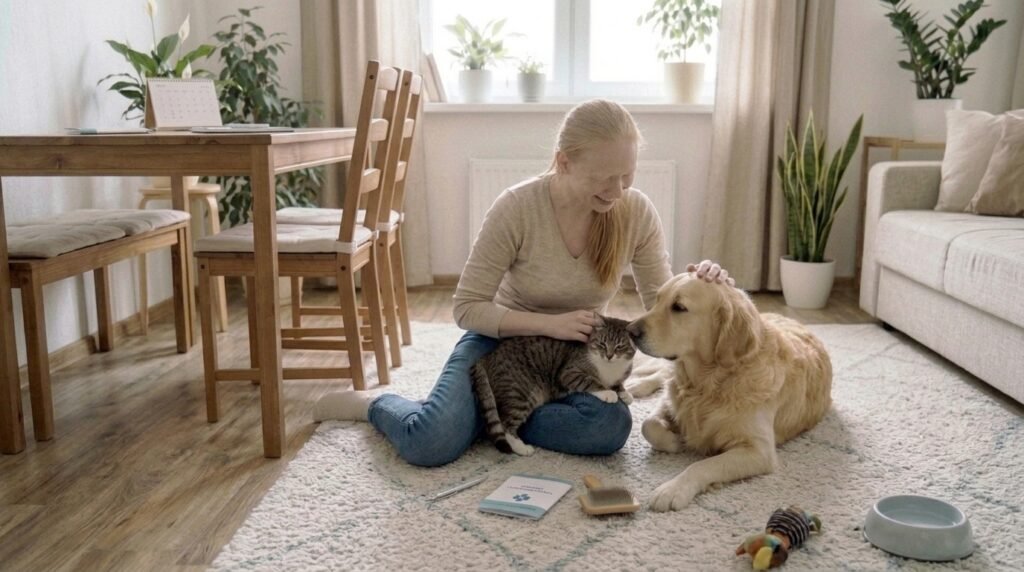
Learning how to check your pet’s health at home is a valuable part of responsible pet ownership.
Regular observation, gentle physical checks, proper nutrition, and consistent grooming can help you stay familiar with your companion’s everyday wellness.
Combine these habits with routine veterinary appointments and appropriate preventive care.
By paying attention to small changes and providing a comfortable environment, you can support your pet’s long-term health, happiness, and quality of life.
Disclaimer: This article is intended for general educational purposes, primarily for dog and cat owners. It is not a substitute for professional veterinary advice, diagnosis, or treatment.