Choosing the Perfect Pet for Your Lifestyle: Beginner’s Guide

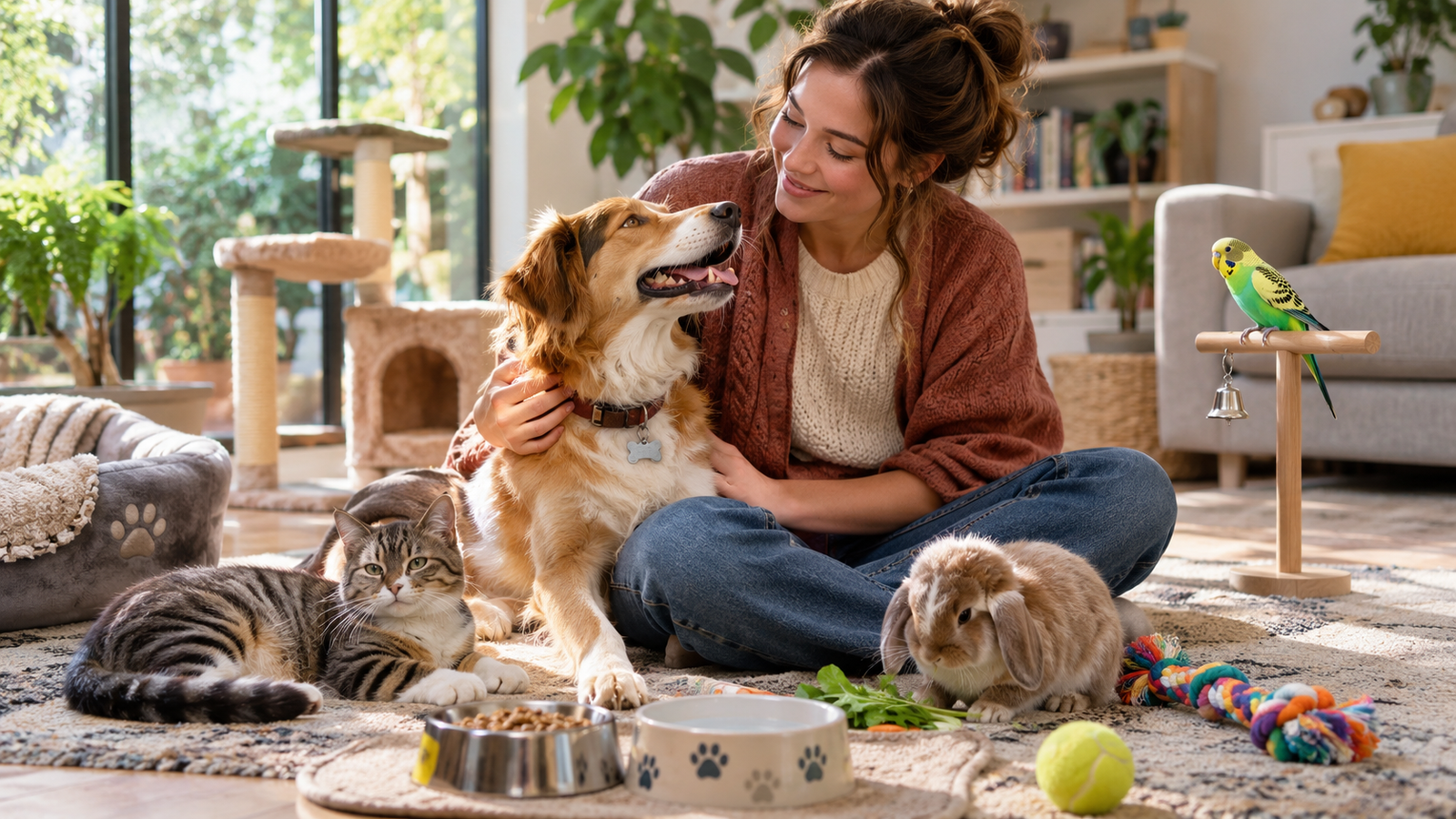
Are you thinking about bringing a new pet into your home? Having a pet can make everyday life more enjoyable by bringing love, happiness, and companionship. Whether you dream of having a playful puppy, a cuddly cat, a beautiful bird, or a colorful aquarium, choosing the right pet is an important decision.
Pets are more than just adorable companions. They depend on their owners for food, shelter, attention, healthcare, and affection. That’s why it’s important to choose an animal that matches your personality, daily routine, living space, and budget.
Advertisement – Continue Reading Below
If you’re a first-time pet owner, don’t worry! With a little research and preparation, you can find the perfect companion for your home. Let’s explore everything you need to consider before making this exciting decision.
1. Understand Your Lifestyle Before Choosing a Pet
The first step in choosing a pet is understanding your everyday lifestyle. Think about how much free time you have, how often you’re away from home, and whether you enjoy an active or relaxed routine.
For example, dogs need regular walks, exercise, training, and social interaction. If you enjoy outdoor activities and have enough time to care for an energetic companion, a dog might be a wonderful choice.

Cats are often more independent and can adapt well to different households. They still need daily attention, playtime, grooming, and a clean environment.
If you have a busy schedule, consider whether you can provide consistent care before bringing an animal home.
2. Explore Different Types of Pets
Every pet has its own personality and care requirements. Understanding these differences can help you make a better decision.
Dogs: Dogs are loyal, playful, and affectionate. They make wonderful companions for individuals and families. However, they require daily exercise, proper training, regular grooming, and plenty of attention.
Cats: Cats are popular because they are generally independent and adaptable. They enjoy playing, exploring, and relaxing around the house. They are often suitable for people who want a loving companion without the same exercise routine as a dog.
Birds: Birds can be intelligent, social, and entertaining pets. Budgies and parakeets are popular choices, but they need appropriate cages, a balanced diet, mental stimulation, and regular interaction.
Fish: Keeping fish can create a peaceful atmosphere in your home. However, maintaining an aquarium requires proper filtration, suitable water conditions, regular cleaning, and knowledge of the fish species you choose.

Small Animals: Rabbits, guinea pigs, hamsters, and mice can make lovely companions. Although they are small, they still need enough space, appropriate food, comfortable housing, and regular care.
Before choosing, research the specific animal’s needs rather than assuming that smaller pets are always easier to maintain.
3. Consider Your Home and Living Space
Your living environment plays an important role in deciding which pet is right for you.
If you live in an apartment, a cat may be a convenient option because many cats adapt comfortably to indoor environments. Some dogs can also thrive in apartments, provided they receive enough exercise and mental stimulation.
If you have a spacious home with a secure outdoor area, you may have more options.

However, remember that having a large house doesn’t automatically make pet ownership easier. Every animal needs a safe, comfortable space that meets its specific needs.
Make sure your home is pet-friendly by securing electrical wires, keeping harmful cleaning products out of reach, and removing potentially toxic plants.
4. Think About Your Budget
Taking care of a pet involves ongoing financial responsibilities. Before bringing one home, consider whether you can comfortably afford its daily and long-term needs.
Some common expenses include:
- Pet food and healthy treats
- Food and water bowls
- Bedding and comfortable sleeping areas
- Toys and entertainment
- Grooming and cleaning supplies
- Veterinary visits and vaccinations
- Preventive healthcare and unexpected medical expenses

Different pets have different costs. Dogs may require regular grooming and training, while fish need suitable aquarium equipment and maintenance.
Planning your budget in advance can help you avoid financial stress and ensure your pet receives proper care.
5. Consider Your Family and Other Pets
If you live with family members, discuss the decision before adopting or purchasing a pet.
Some animals are more comfortable around children, while others prefer quieter environments. Teach children how to approach and handle animals gently, and always supervise interactions with young children.

If you already have a dog, cat, or another animal, consider how a new pet might fit into the household.
Introduce animals gradually and provide separate spaces when necessary. This can help reduce stress and encourage a more comfortable relationship.
Also, consider allergies before choosing a pet. Some people experience sneezing, itchy eyes, or breathing difficulties around animals. No dog or cat breed is completely allergy-free.
6. Understand the Time and Attention Your Pet Needs
One of the biggest responsibilities of pet ownership is providing consistent attention.
Dogs generally need daily walks, exercise, training, and playtime. Cats enjoy interactive toys, climbing spaces, and regular companionship. Birds need social interaction and mental stimulation, while small animals require clean living areas and suitable enrichment.
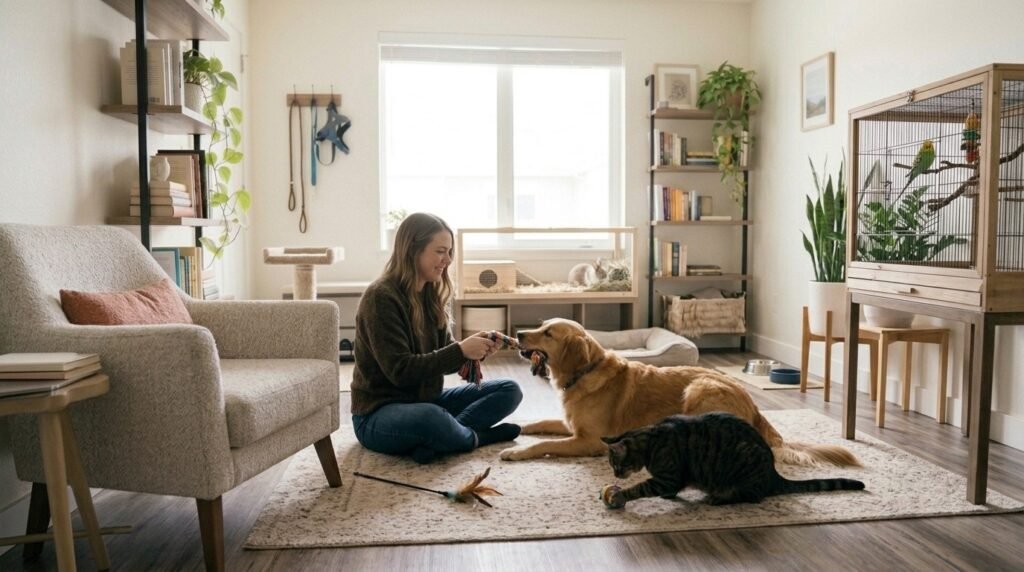
Even pets that appear low-maintenance need daily care.
Think about your work schedule, studies, family responsibilities, and travel plans. If you are frequently away from home, arrange reliable pet care before making a commitment.
Remember, pets can become lonely or stressed when their social and environmental needs are not met.
7. Adoption or Buying: Which Is Better?
Once you have decided which type of pet suits your lifestyle, consider whether adoption or purchasing is the right option.
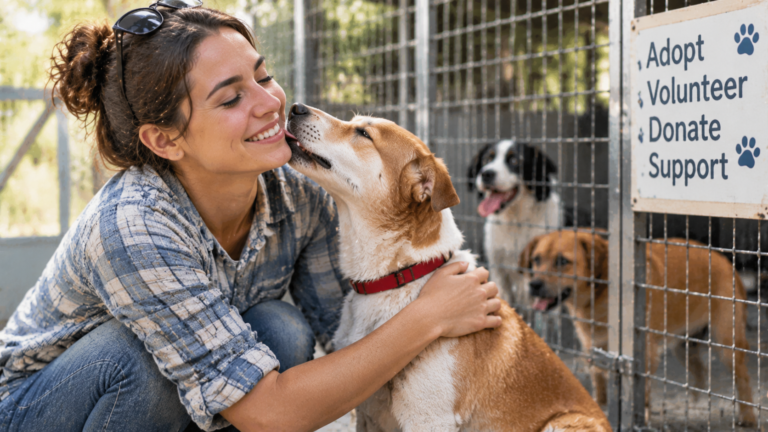
Adopting from an animal shelter or reputable rescue organization can give a homeless animal a second chance at a loving home.
Many shelters have puppies, kittens, and adult animals looking for responsible owners. Adult pets can sometimes be a good choice for beginners because their personalities and behavior patterns may already be established.

If you decide to purchase a pet, choose a responsible breeder who prioritizes animal health and welfare. Avoid sellers who cannot provide information about the animal’s health, living conditions, or background.
Whatever option you choose, make sure the animal is healthy and that you understand its care requirements.
8. Prepare Your Home Before Bringing Your Pet Home
Getting your home ready before your pet arrives can make the transition much easier.
Start by purchasing the essential supplies your chosen animal needs. These may include food, water bowls, bedding, toys, grooming products, a litter box, or an appropriate enclosure.
Create a quiet and comfortable area where your pet can rest and feel secure.

Remove dangerous objects, cover exposed electrical wires, and store chemicals and medications safely.
It is also helpful to find a trusted veterinarian before bringing your new companion home. Schedule an initial health checkup and ask about vaccinations, preventive care, and suitable nutrition.
Give your pet enough time to adjust to its new surroundings. Patience and gentle handling can help build trust.
9. Common Mistakes First-Time Pet Owners Should Avoid
Becoming a pet owner is exciting, but beginners sometimes overlook important responsibilities.
Here are a few common mistakes to avoid:

- Choosing based on appearance: A cute animal may have care requirements that don’t match your lifestyle.
- Ignoring research: Every animal has different dietary, exercise, and housing needs.
- Underestimating expenses: Veterinary care, food, and supplies can become expensive.
- Lack of training: Some pets need consistent training and positive reinforcement.
- Ignoring health needs: Regular veterinary checkups are essential for preventing and identifying health problems.
- Expecting instant bonding: Animals need time to feel safe and develop trust.
Being a responsible pet owner means understanding your companion’s needs and making its well-being a priority.
10. Build a Loving Relationship With Your New Pet
Once your new companion arrives, focus on building a positive relationship.
Spend quality time together, establish a consistent routine, and learn to understand your pet’s behavior. Offer appropriate toys, healthy food, and a comfortable environment.

Every animal has its own personality. Some pets are naturally playful and affectionate, while others may need more time to become comfortable around people.
Avoid forcing interactions. Instead, allow your pet to approach you at its own pace.
With patience, kindness, and consistent care, you can develop a strong bond that makes pet ownership a rewarding experience.
Final Thoughts
Choosing the perfect pet is about more than finding an animal you love. It’s about understanding its needs and making sure you can provide a safe, healthy, and comfortable home.
Before making your decision, consider your lifestyle, available space, budget, family situation, and the amount of time you can dedicate to daily care.

Whether you choose a playful dog, an affectionate cat, a beautiful bird, or a small animal, every pet deserves love, patience, and responsible care.
Take your time, do your research, and choose a companion that fits naturally into your life. After all, a pet isn’t just an addition to your home; it’s a new family member who depends on you for happiness and well-being.
The best pet is the one you can care for, understand, and love throughout its life.