9 Possible Causes of White Cat Poop

A quick look in the litter box can tell you a lot about your cat’s digestive health. Your cat’s poop can vary from light to dark brown. If you suddenly spot white cat poop, pay attention to whether the whole stool is pale or you’re seeing small white flecks. That detail can help your vet work out what’s going on. vetmed.tamu.edu
This guide covers nine possible causes of white cat poop, how vets may treat the underlying problem, and when to call for help.
Advertisement – Continue Reading Below
Is White Cat Poop Normal?
Healthy cat poop is usually brown and firm enough to hold its shape. If the whole stool looks white or chalky, contact your vet promptly. Very pale stool can be a sign that bile isn’t reaching the intestine as it should. If you see small white pieces that look like grains of rice, mention those to your vet too. They may be tapeworm segments. vetmed.tamu.edu
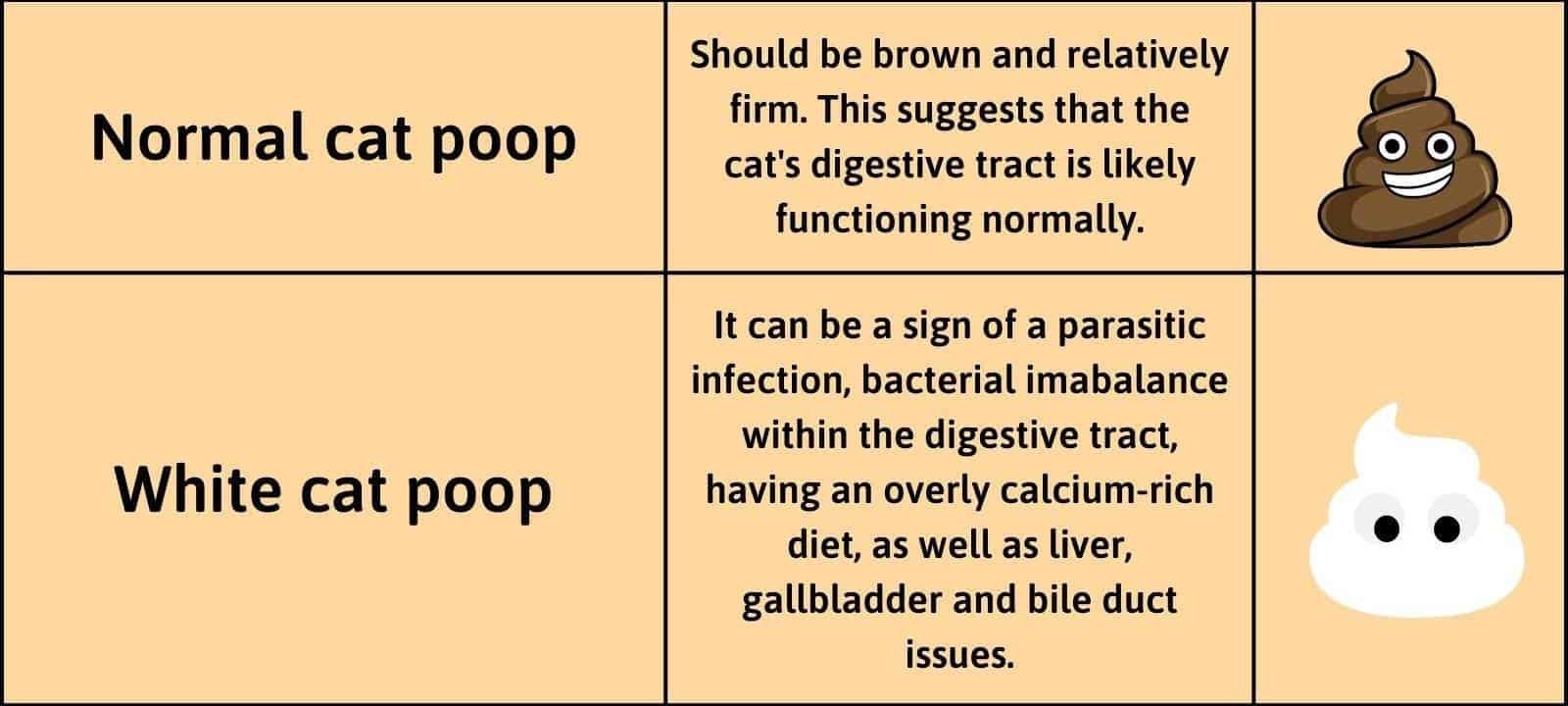
White cat poop can look white or chalky all the way through. You might also see small white flecks on an otherwise brown stool. The difference matters. A chalky stool can point to a problem with bile flow, while flecks that look like grains of rice may be tapeworm segments. vetmed.tamu.edu
The nine causes below explain what to look for, how your vet may treat the problem, and which causes you can help prevent.
Why Is My Cat’s Poop White? 9 Possible Causes
Why Is My Cat’s Poop White? 9 Possible Causes
First, check whether the whole stool looks pale or there are white pieces on the surface. Worms or worm segments can be visible in otherwise brown poop. Stool that looks white or chalky throughout can point to a problem with bile flow and warrants a prompt call to your vet. vet.cornell.edu
1. Roundworms
Roundworms are common in cats, especially kittens. Cats can pick them up by swallowing eggs from a contaminated environment. Some cats show few signs. Others may vomit, have diarrhoea, lose weight, or develop a swollen belly. Kittens can become more seriously ill. vet.cornell.edu
Adult roundworms are cream-coloured and look like strands of spaghetti. You might see one in your cat’s poop or vomit. If you spot a worm, tell your vet. They may ask for a fresh stool sample to check for parasites. vet.cornell.edu
2. Tapeworms
Cats can get a common type of tapeworm by swallowing an infected flea while grooming. Many cats show few outward signs, so the first clue may be small white pieces that look like grains of rice. These are tapeworm segments. You may find them on the stool or stuck to the fur under your cat’s tail. vet.cornell.edu
If you find rice-like pieces, contact your vet about deworming. Flea control also helps prevent your cat from picking up the same type of tapeworm again. vet.cornell.edu
Related reading on whether to quarantine a cat with tapeworms
3. A Diet High in Bones
If your cat eats bones or takes a calcium supplement, tell your vet when you report a stool change. Feeding bones can contribute to hard stools and constipation. If your cat passes a white or chalky stool, call your vet promptly so they can check for other causes, including a problem with bile flow. www.merckvetmanual.com
4. Changes in Gut Bacteria
Your cat’s intestines contain a community of microbes called the gut microbiome. Changes in that community can occur alongside digestive problems. Stool colour alone can’t tell you whether gut bacteria are involved. If the whole stool looks white, your vet will want to check for problems that can reduce the amount of bile reaching the intestine. pmc.ncbi.nlm.nih.gov
5. Illness From Fungal Toxins
5. Illness From Fungal Toxins
Some moulds produce toxins that can make cats sick if they eat contaminated food. The signs depend on the toxin. For example, aflatoxin can damage the liver and cause vomiting, poor appetite, tiredness, or yellowing of the eyes or gums. If you think your cat ate mouldy food, contact your vet promptly. FDA
6. Intestinal Coccidia
Coccidia are tiny parasites that live in the gut. They can cause diarrhoea, especially in kittens. Affected cats may also eat less, vomit, or become dehydrated. Your vet can examine a stool sample under a microscope to check for coccidia. Several conditions can cause pale or watery diarrhoea, so a stool test helps pinpoint the cause. www.vet.cornell.edu
7. Liver, Gallbladder, or Bile Duct Problems
The liver makes bile, and the gallbladder stores it. When your cat eats, bile flows into the small intestine and helps with fat digestion. If a blockage slows or stops that flow, your cat’s poop may look very pale or clay-coloured. www.merckvetmanual.com
Call your vet promptly if a fresh stool looks white or chalky. Mention any vomiting, poor appetite, low energy, or yellowing of the eyes or gums. These details can help your vet decide what to check first. www.merckvetmanual.com
8. Recent Diet Changes
Changing foods can affect the colour or texture of your cat’s poop. If you recently switched brands or started giving your cat bones or calcium supplements, tell your vet. That history can help them assess the change, especially if the stool is hard, dry, or difficult to pass. Fresh white stool still warrants a prompt call, even after a food change. www.petmd.com
Related reading on why cats may refuse wet food
9. Mould on Old Stool
If an older stool has a fuzzy white coating, mould may have grown on it after your cat used the litter box. Scoop the box and check the next fresh stool. A fuzzy coating on old poop is different from fresh poop that looks white throughout. If the fresh stool is white or chalky, contact your vet promptly. Virologist & Vaccine Researcher
Why Is My Kitten’s Poop White?
Why Is My Kitten’s Poop White?
If you see white pieces in your kitten’s poop, look at their shape. Tapeworm segments can resemble grains of rice, while adult roundworms look like pale strands of spaghetti. Kittens can also get coccidia, a parasite that causes diarrhoea and can lead to dehydration. Your vet may ask for a fresh stool sample to check for parasites. www.vet.cornell.edu
If the whole stool looks white or chalky when fresh, call your vet promptly. If you only see a fuzzy coating on older poop, it may be mould that grew after the stool was passed. Scooping the box daily makes it easier to tell what fresh stool looks like. www.zoetispetcare.com
Why Does the Colour of My Cat’s Poop Matter?
Healthy cat poop is usually brown and firm enough to hold its shape. When you scoop the litter box, check for changes in colour, texture, or smell. A sudden change can give your vet a clue, especially if your cat is also eating less, vomiting, or acting differently. www.petmd.com
Related reading on strong-smelling cat poop
Related reading on stool that’s half firm and half soft
What Does White Mucus on Cat Poop Mean?
A thin, clear or whitish film can be normal. The intestines make mucus to help stool pass. If you see thick mucus, notice it repeatedly, or find it mixed with blood or diarrhoea, contact your vet. www.petmd.com
Should You Worry About White Cat Poop?
Call your vet promptly if your cat passes fresh stool that’s white or clay-coloured. Very pale stool can signal a problem with bile flow. Let the clinic know if your cat is also vomiting, seems unusually tired, or has yellow eyes or gums. A photo of the stool can help your vet see the change. www.merckvetmanual.com
How Do Vets Treat the Causes of White Cat Poop?
How Do Vets Treat the Causes of White Cat Poop?
Treatment depends on what’s causing the change. If you find white flecks, take a photo or ask your vet whether to bring a fresh stool sample. If the whole stool looks white or chalky, call your vet promptly. www.petmd.com
1. Treating Roundworms
Your vet may prescribe an oral dewormer. Your cat may need more than one dose because some medicines kill adult worms while younger worms are still developing. Follow the schedule your vet gives you, even if you stop seeing worms in the litter box. vcahospitals.com
2. Treating Tapeworms
Your vet can prescribe a dewormer that targets tapeworms. If your cat picked them up by swallowing an infected flea, flea control is also part of the plan. Treating fleas on your pets and in your home helps prevent another infection. CDC
Related reading on what to expect after deworming your cat
3. Adjusting a Diet High in Calcium
Tell your vet if your cat eats raw bones or takes a calcium supplement. Bones can contribute to hard stools and constipation. Your vet can review the diet and recommend any changes your cat needs. Fresh white or chalky poop can also signal a problem with bile flow, so get it checked even if you recently changed your cat’s food. www.merckvetmanual.com
4. Managing Changes in Gut Bacteria
4. Managing Changes in Gut Bacteria
Choose a complete and balanced food suited to your cat’s age. If your cat has ongoing digestive symptoms, your vet may suggest a diet change or a supplement. Prebiotics help feed beneficial gut microbes, while probiotics contain live microorganisms. Ask your vet whether either option fits your cat’s symptoms. vet.cornell.edu
5. Treating Illness From Fungal Toxins
If you think your cat ate mouldy food, remove it from reach and call your vet promptly. Keep the packaging so you can share the product name and lot number. Treatment depends on the toxin and your cat’s symptoms. Your vet may give fluids or provide other care to manage the effects of poisoning. www.fda.gov
6. Treating Coccidiosis
Some cats with coccidia show no signs. If the parasite is causing diarrhoea, your vet may prescribe an oral medicine such as sulfadimethoxine. Kittens and other cats that become dehydrated may also need fluids. Follow the treatment schedule your vet gives you. vcahospitals.com
7. Treating Liver, Gallbladder, Pancreas, or Bile Duct Problems
Treatment depends on which organ is affected and what caused the problem. A cat with pancreatitis may need fluids, pain relief, and help eating. A cat with a blocked bile duct may need a procedure or surgery to restore bile flow. Call your vet promptly if fresh stool looks white or chalky. www.vet.cornell.edu
8. Easing Digestive Upset After a Food Change
When you switch foods, start by mixing a small amount of the new food into your cat’s usual meals. Gradually increase the amount over about a week, or follow the schedule your vet recommends. If your cat keeps vomiting, has ongoing diarrhoea, or passes fresh white stool, contact your vet. vet.cornell.edu
Related reading on food options for older cats that vomit
9. Cleaning Up Mouldy Stool
If you find a fuzzy white coating on old poop, scoop it out and check the next fresh stool. Scooping daily helps you spot changes before the stool has time to sit. If the next stool is white all the way through, call your vet. www.zubairkhalid.com
Can You Prevent White Cat Poop?
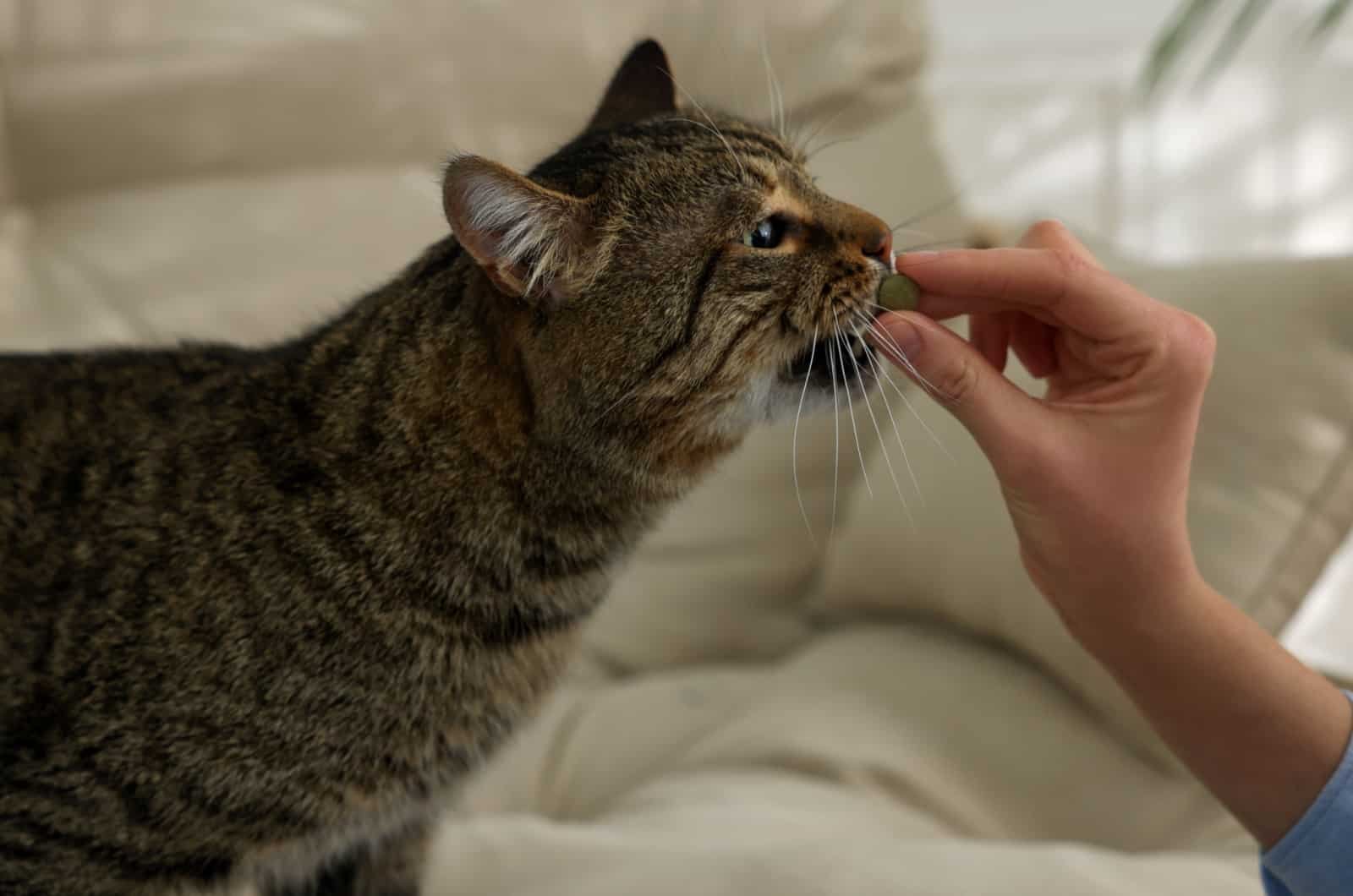
Can You Prevent White Cat Poop?
You can lower your cat’s risk of some of the problems covered in this guide. A vet-approved parasite plan, safe food storage, and daily litter box cleaning are good places to start. www.vet.cornell.edu
Reducing the Risk of Roundworms
Ask your vet about a deworming schedule based on your cat’s age and lifestyle. Kittens often need several doses as they grow. Scooping the litter box every day also helps limit contact with roundworm eggs. www.vet.cornell.edu
Preventing Flea-Related Tapeworms
Cats can pick up tapeworms when they swallow an infected flea while grooming. Use a flea preventative your vet recommends for your cat’s age and weight. If you find fleas, ask how to treat the other pets in your home and clean areas where they rest. www.cdc.gov
Supporting Digestive Health
Choose a complete and balanced food for your cat’s life stage. If you switch foods, make the change gradually. Give antibiotics only as prescribed, and tell your vet if vomiting or diarrhoea starts while your cat is taking medication. www.vet.cornell.edu
Reducing Exposure to Mould and Coccidia
Store cat food in a cool, dry place and keep your cat away from rubbish, compost, and spoiled food. To reduce exposure to coccidia, remove stool from the litter box daily. If one of your cats has coccidiosis, ask your vet how to clean shared litter boxes and bedding. www.fda.gov
Spotting Liver, Gallbladder, and Pancreas Problems Early
Regular vet visits give you a chance to bring up changes in appetite, weight, or litter box habits. If you find fresh white or chalky stool, call your vet promptly. Mention any vomiting, unusual tiredness, or yellowing of the eyes or gums. www.petmd.com
Keeping Old Stool From Turning Mouldy
Scoop the litter box every day. Removing old stool gives mould less time to grow and makes it easier to see what your cat’s poop looks like when it’s fresh. www.merckvetmanual.com
What Does Healthy Cat Poop Look Like?
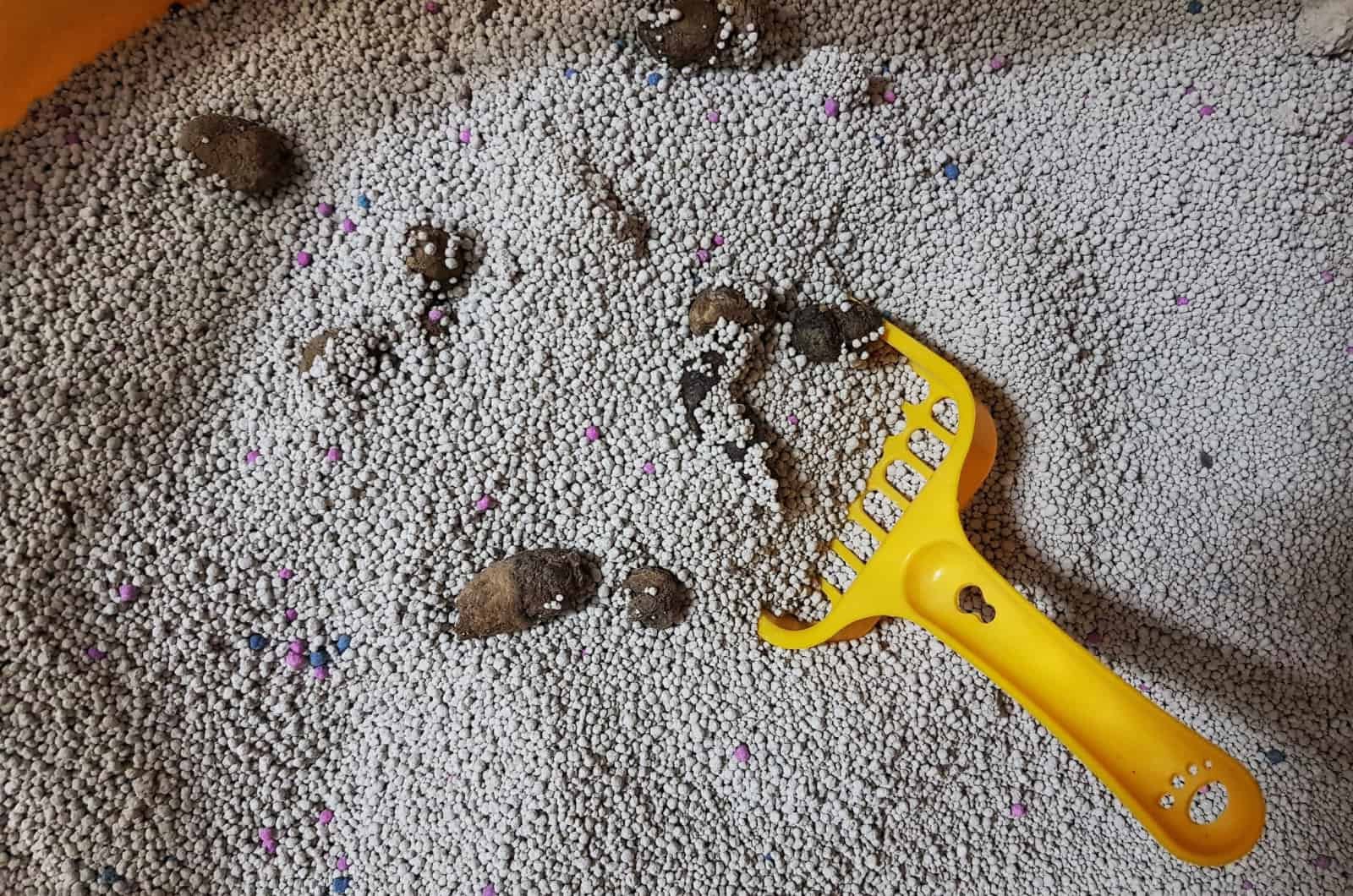
What Does Healthy Cat Poop Look Like?
Healthy cat poop is usually brown and firm enough to hold its shape when you scoop it. The shade can range from light to dark brown. Get to know what’s usual for your cat so you can spot changes in colour, texture, or smell. www.petmd.com
What Does Unhealthy Cat Poop Look Like?
- Soft or mushy poop. A recent food change can cause a brief spell of soft stool. If it continues or your cat seems unwell, call your vet. They may check for parasites or other digestive problems. www.petmd.com
- Greasy poop. Stool that stays greasy, especially if it looks grey or yellow, can signal trouble digesting food. Tell your vet if you notice this change more than once. vetmed.tamu.edu
- Black, tarry poop. Sticky stool that looks like tar can contain digested blood from the stomach or small intestine. Call your vet right away if you see it. ecommons.cornell.edu
- Watery diarrhoea. Parasites and infections are among the possible causes. Watery diarrhoea can lead to dehydration, especially in kittens. Keep fresh water available and call your vet promptly. www.vet.cornell.edu
- Soft poop with lots of mucus. A thin film can be normal. If you see thick mucus, especially if it keeps appearing or comes with blood or diarrhoea, contact your vet. They may ask for a fresh stool sample. www.petmd.com
Related reading on why a cat may leak brown fluid
Final Thoughts
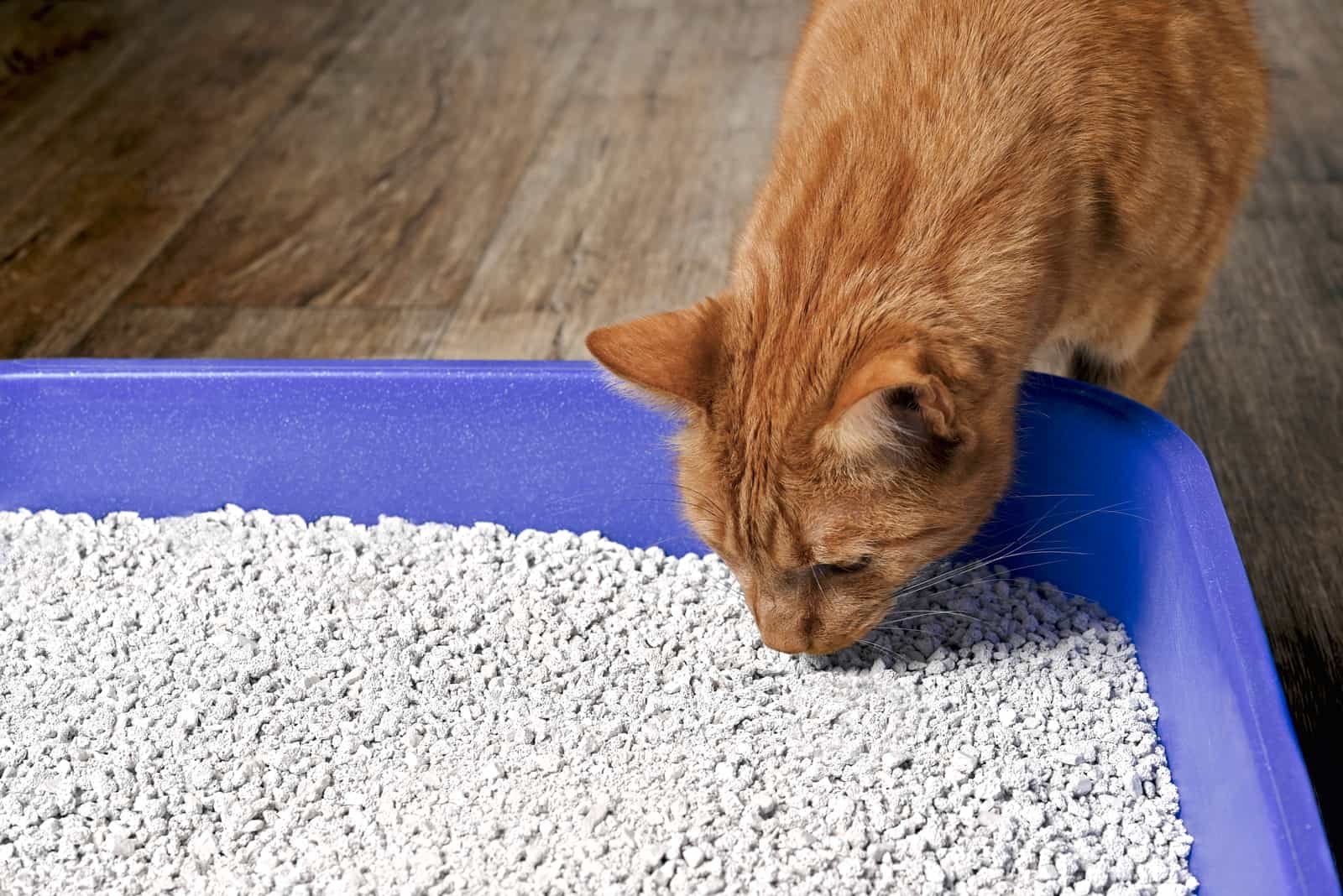
Final Thoughts
When you scoop the litter box, take a quick look at your cat’s poop. Changes in colour, texture, or smell can give your vet clues about your cat’s health. www.petmd.com
If fresh poop looks white or chalky all the way through, call your vet promptly. Very pale stool can be a sign that bile isn’t reaching the intestine. Tell your vet if your cat is also vomiting, has diarrhoea, seems uncomfortable, is eating less, or has lost weight. www.zoetispetcare.com
If you see white pieces that look like grains of rice, they may be tapeworm segments. Ask your vet whether to bring a fresh stool sample. A fuzzy white coating that only appears on old stool may be mould. Scoop it out and check the next fresh bowel movement. www.vet.cornell.edu
Found this guide helpful? Share it with another cat owner or pin it for later.