Grey Cat Poop: What Does It Mean?

Short title
Grey Cat Poop and When to Worry
Focus keyphrase
grey cat poop
Advertisement – Continue Reading Below
Sluggrey-cat-poop
Meta description
What does grey cat poop mean? Learn why your cat’s stool may turn pale or grey and when to call your vet.
Rewritten introduction
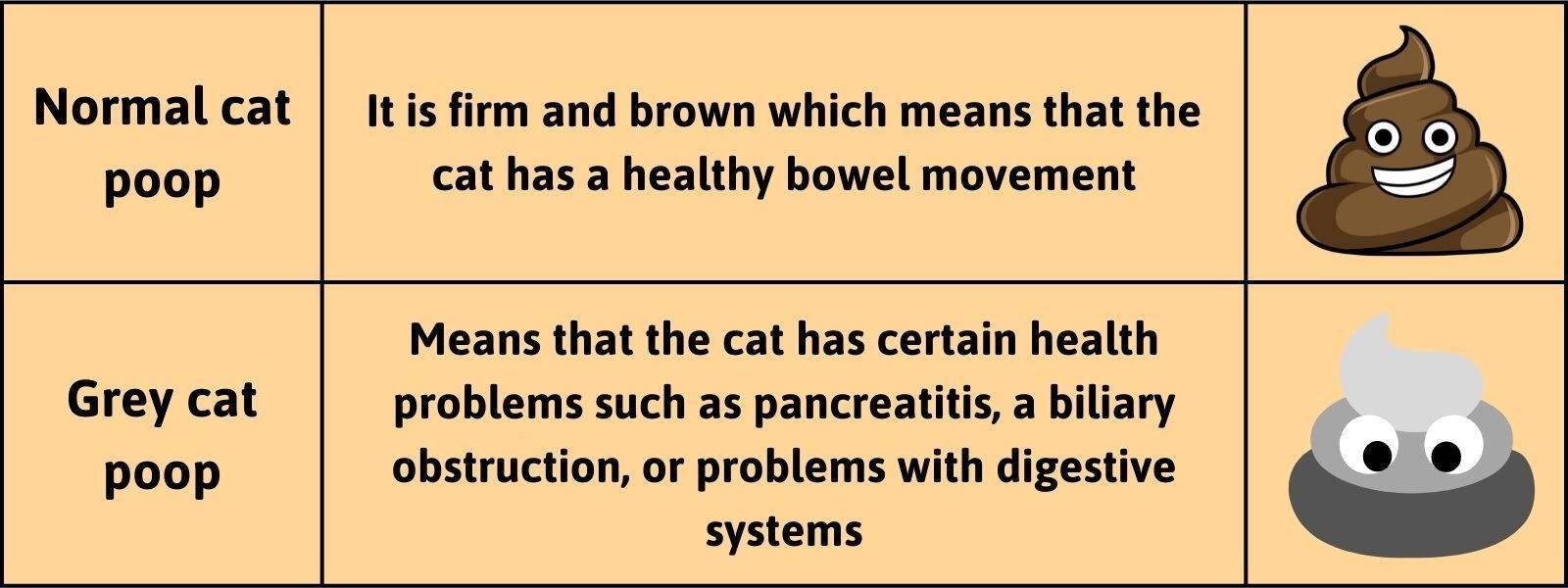
Healthy cat poop is usually brown and firm enough to hold its shape. So if you spot grey cat poop while scooping the litter box, it’s worth calling your vet. PetMD
Bile helps give stool its usual brown colour. If less bile reaches the gut, your cat’s poop may look pale grey or chalky. However, grey stool can have several causes. Your vet can check what’s behind the change and recommend treatment if needed. ecommons.cornell.edu
What Causes Grey Cat Poop and How Is It Treated?
What Causes Grey Cat Poop and How Is It Treated?
A change in your cat’s stool colour or texture can point to a health problem. Pale grey or chalky stool can occur when a blockage prevents bile from reaching the small intestine. Grey, greasy stool may point to trouble digesting food. If you notice grey cat poop, contact your vet so they can find the cause and recommend the right care. ecommons.cornell.edu
Pancreatitis
The pancreas makes enzymes that help break down food. When this organ becomes inflamed, the condition is called pancreatitis. Cats with pancreatitis often eat less and seem unusually tired. Some also vomit, lose weight, or have belly pain. Severe cases can be life-threatening. vet.cornell.edu
If your cat has grey stool and seems unwell, call your vet promptly. To check for pancreatitis, your vet may use a blood test that measures an enzyme from the pancreas. They may also use an ultrasound to look for changes in and around the pancreas. www.petmd.com
How vets treat pancreatitis
Treatment focuses on keeping your cat hydrated, easing pain and nausea, and helping them get enough food. Your vet may prescribe medicine and give fluids. Cats with severe pancreatitis may need to stay in the hospital for IV fluids and feeding support. Recovery depends on how severe the illness is and whether complications develop. vet.cornell.edu
Bile Duct Blockage
The liver makes bile, which flows through the bile duct into the small intestine and helps digest fats. If the duct gets blocked, less bile reaches the intestine and your cat’s stool may turn pale or chalky. Inflammation, gallstones, and tumours are among the possible causes. ecommons.cornell.edu
A blocked bile duct can also cause vomiting, low energy, fever, and changes in appetite. Some cats develop jaundice, which can make the eyes or gums look yellow. If you see pale stool along with any of these signs, contact your vet promptly. Blood tests and an ultrasound can help the vet investigate the cause. Merck Veterinary Manual
How vets treat a bile duct blockage
Treatment depends on what is blocking the duct. Your vet may give IV fluids if your cat is dehydrated or prescribe antibiotics if they suspect a bacterial infection. Some cats need surgery to restore bile flow, especially if a gallstone or growth is blocking the duct. Recovery depends on the cause and how sick your cat is. Merck Veterinary Manual
Digestive Tract Infections
Digestive Tract Infections
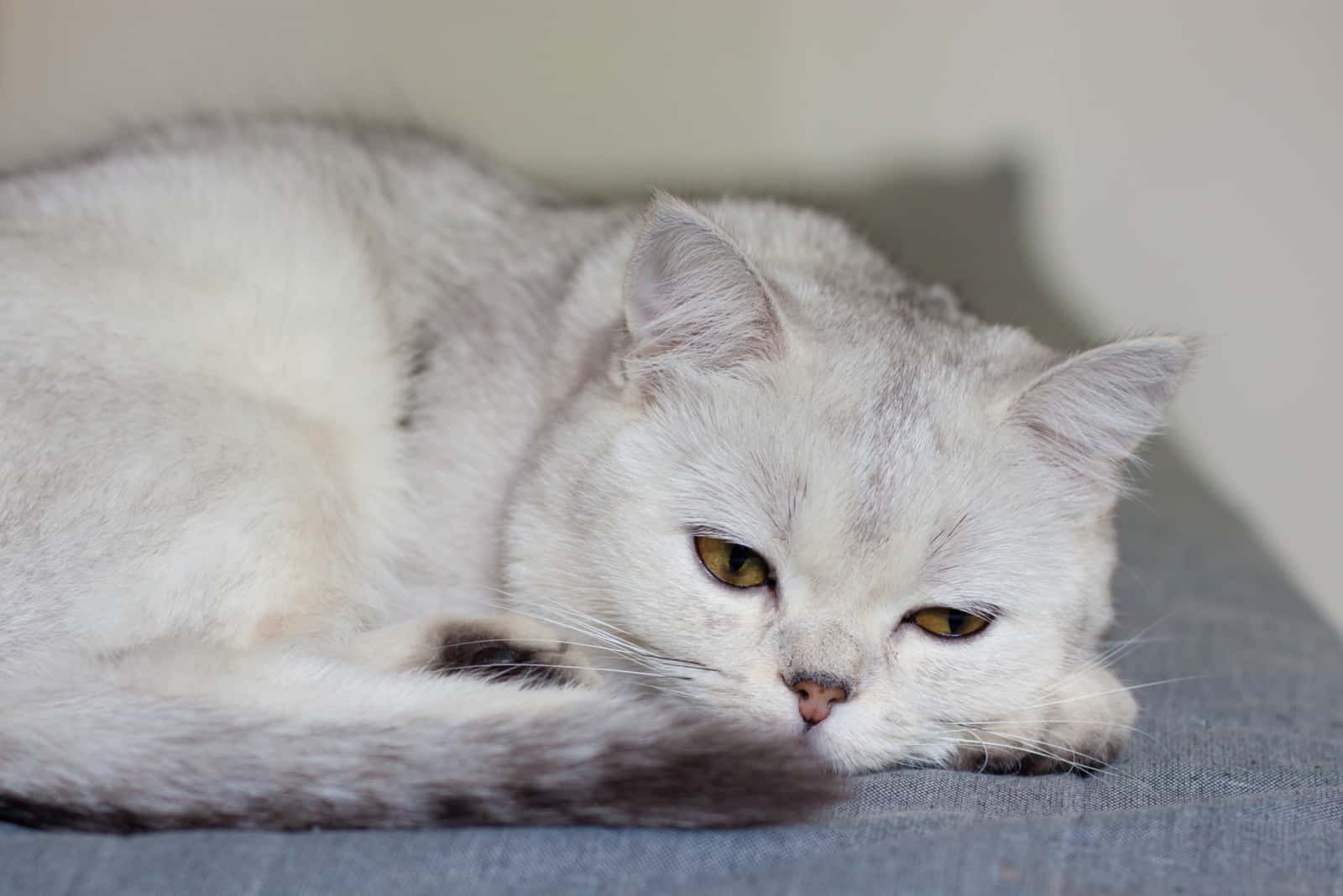
An infection in the stomach or intestines can cause diarrhoea. The stool may look grey and smell stronger than usual. Your cat may also vomit, eat less, or seem uncomfortable when you touch their belly. Bacteria, viruses, and parasites can all cause digestive infections. vet.cornell.edu
If you notice grey cat poop along with vomiting, diarrhoea, or a poor appetite, call your vet promptly. An exam and, in some cases, a stool test can help your vet find the cause. vet.cornell.edu
How vets treat digestive infections
Treatment depends on what caused the infection and how sick your cat is. Your vet may give fluids to replace what your cat lost through vomiting or diarrhoea. They may prescribe antibiotics if they suspect a bacterial infection that needs them. As your cat recovers, watch for their stool to return to its usual colour and texture. VCA Animal Hospitals
Stress and Litter Box Habits
A change at home or a break in your cat’s routine can upset their digestion and lead to loose stool. If you find an older stool in the litter box and are unsure about its colour, check a fresh one. If the fresh stool also looks pale grey or chalky, call your vet. cats.org.uk
How to help your cat at home
If your vet thinks stress is contributing to loose stools, look for recent changes in your cat’s routine. Keep meals predictable and give your cat a quiet place to rest.
Scoop the litter box daily, wash it at least once a week, and replace the litter regularly. A clean box helps control odours and makes changes in fresh stool easier to spot. It also makes your cat more likely to use the box. Merck Veterinary Manual
What Different Types of Grey Cat Poop Can Mean
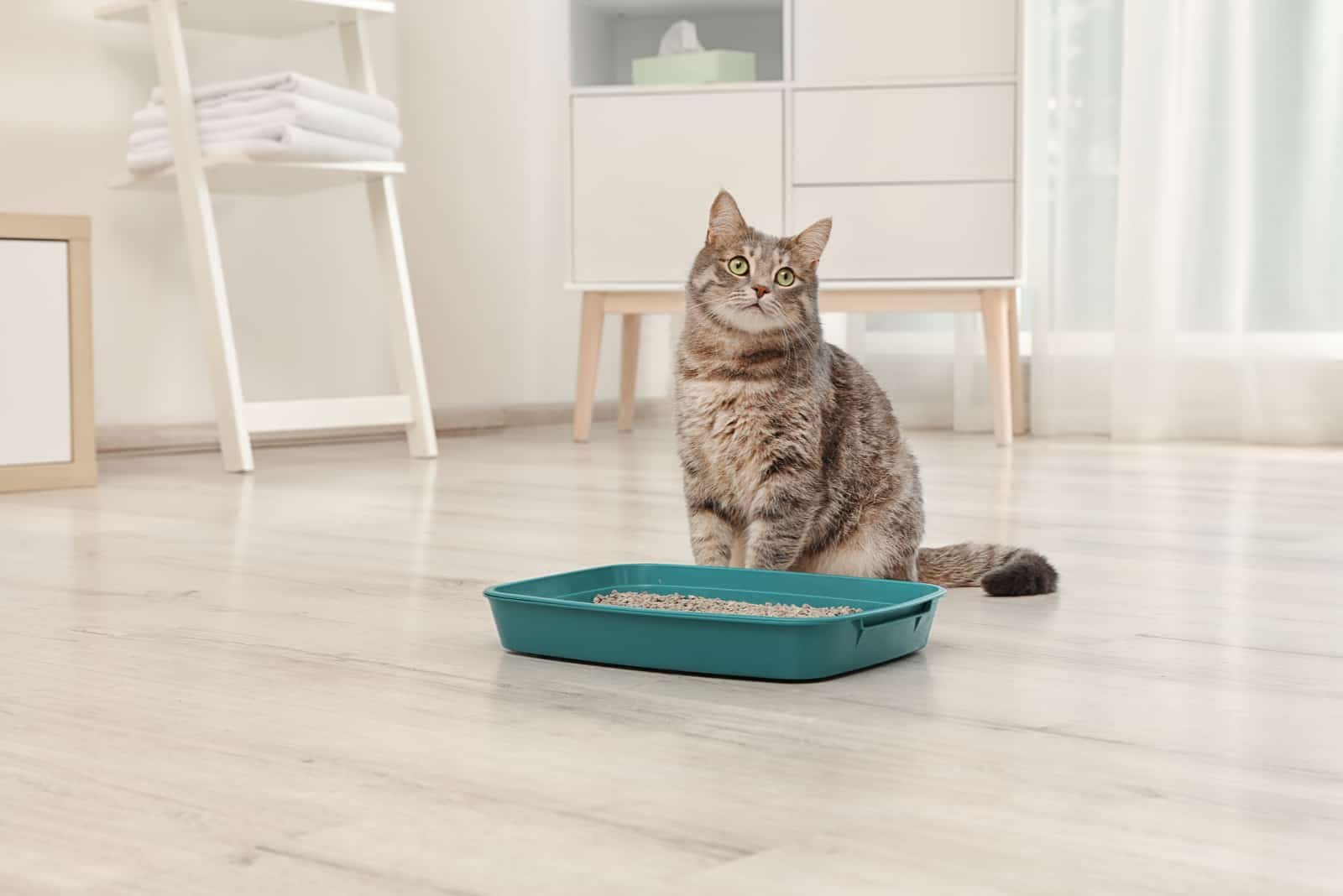
Both colour and texture can give your vet clues about what’s going on. If you see grey stool, check whether it’s watery, pale, or chalky. Also note whether your cat is using the litter box more often than usual. www.petmd.com
- Watery grey poop. Frequent, foul-smelling, watery stools are signs of diarrhoea. One possible cause is coccidia, a microscopic parasite that can make kittens especially ill. Several conditions can cause similar symptoms, so call your vet promptly. They may check a stool sample for parasites. www.vet.cornell.edu
- Light grey poop. A pale grey stool can be a sign that less bile is reaching the intestine. Your vet may check for a blockage in the duct that carries bile from the liver and gallbladder. ecommons.cornell.edu
- Clay-coloured poop. Stool that looks chalky or like pale clay can also point to a problem with bile flow. Gallbladder inflammation and pancreatitis are among the conditions that can affect the bile duct. Call your vet promptly, especially if your cat is vomiting, seems unusually tired, or has yellow eyes or gums. ecommons.cornell.edu
Unusual Cat Poop Colours to Watch For
Unusual Cat Poop Colours to Watch For
Healthy cat poop is usually brown and firm enough to hold its shape. It can range from light to dark brown, so it helps to know what your cat’s stool normally looks like. A sudden change in colour or texture is worth paying attention to. www.petmd.com
A friend once called me in a panic after spotting red streaks in her cat’s poop. Once we found out what caused the bleeding, her cat got the treatment she needed and soon recovered.
- Green poop. Eating grass or other plants can turn stool green. However, green poop can also be linked to a bacterial infection or a gallbladder problem. If the colour persists or your cat seems unwell, call your vet. www.petmd.com
- White poop. Stool that is white all the way through can signal a problem with the liver or a blocked bile duct. Contact your vet promptly. If you see small white specks that look like grains of rice, mention those too. They may be tapeworm segments. www.zoetispetcare.com
- Red poop or red streaks. Bright red streaks can be fresh blood from the lower digestive tract. Call your vet promptly if you spot blood, even if your cat seems fine. ecommons.cornell.edu
- Black, tarry poop. Black stool with a sticky, tar-like texture can contain digested blood. The bleeding may come from the stomach or small intestine. Call your vet right away if you see black, tarry stool. ecommons.cornell.edu
- Orange poop. Food can affect stool colour, but orange poop can also be a sign of trouble with the liver or gallbladder. Contact your vet if you notice this change. zoetisus.com
- Brown poop. Light to dark brown can be normal. Texture matters too. Healthy stool holds its shape and is easy to scoop. Hard pellets, mushy stool, or watery diarrhoea are changes worth flagging to your vet if they persist or your cat seems unwell. vetmed.tamu.edu
What Your Cat’s Poop Texture Can Tell You
What Your Cat’s Poop Texture Can Tell You
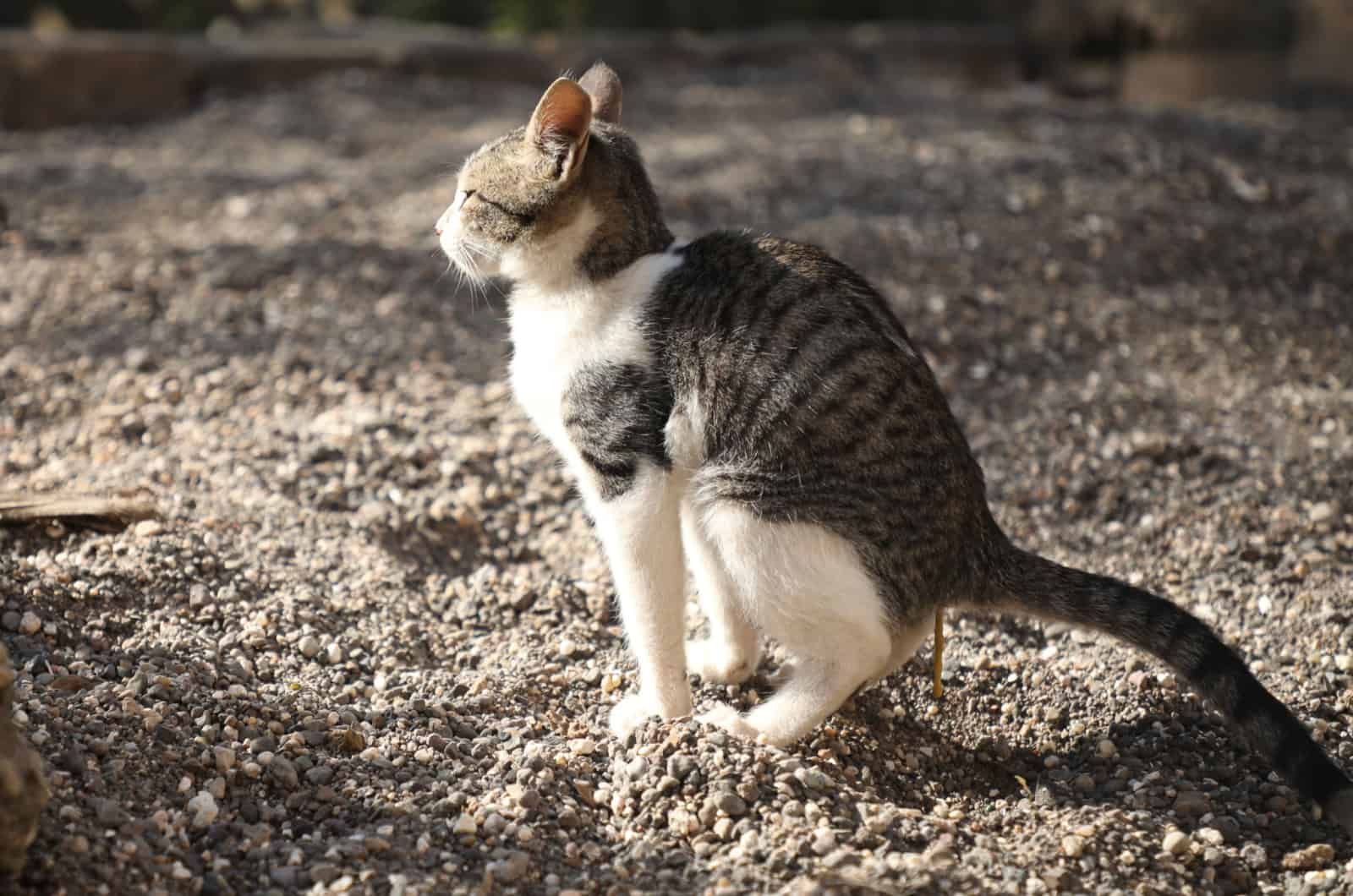
Healthy cat poop holds its shape and is easy to scoop. A sudden food change or stress can lead to softer stools. If the change continues or your cat seems unwell, check in with your vet. www.petmd.com
Diarrhoea
Loose or watery poop, sometimes mixed with mucus, can be a sign of diarrhoea. Common causes include intestinal parasites, foods your cat has trouble digesting, and inflammation in the gut. If your cat passes watery stool or you notice fluid leaking from their bottom, call your vet for advice. www.vet.cornell.edu
Constipation
A constipated cat may strain in the litter box, pass small, dry pellets, or go longer than usual between bowel movements. Call your vet if your cat keeps straining or hasn’t pooped for about two days. Your vet can check what’s causing the problem and recommend treatment. Keeping fresh water available and offering wet food can help your cat get more moisture. VCA Animal Hospitals
Final Thoughts
Take a quick look at your cat’s poop when you scoop the litter box. If you notice fresh grey cat poop, especially if it’s watery, chalky, or clay-coloured, call your vet. Tell them when the change started and whether your cat is also vomiting, eating less, or acting unusually tired. www.petmd.com
Grey stool can have several causes, including digestive infections, problems with the pancreas, and blocked bile flow. A vet can use the stool’s appearance, your cat’s other symptoms, and any tests they need to work out what’s behind the change. www.vet.cornell.edu