12Things Every First-Time Pet Owner Should Know


Bringing home your first pet is an exciting experience. From choosing a name to buying adorable toys, there are so many things to look forward to. Whether you’re welcoming a playful puppy, a curious kitten, or another furry companion, having a pet can bring incredible joy to your life.
But being a pet owner is about much more than cuddles and playtime. Your new companion depends on you for food, shelter, healthcare, exercise, and affection. Understanding these responsibilities before bringing a pet home can help you avoid common mistakes and create a happy environment for your new family member.
Advertisement – Continue Reading Below
If you’re preparing to become a pet parent, here are 15 things every first-time pet owner should know to give their companion the best possible start.
1. Choose a Pet That Matches Your Lifestyle

Before choosing a pet, think about your daily routine, living arrangements, and available time. Some animals need plenty of attention and exercise, while others are more independent.
For example, dogs generally require daily walks, training, and companionship. Cats may be more independent, but they still need regular playtime, affection, and mental stimulation.
Consider your work schedule, budget, family members, and available living space. Choosing a pet whose needs fit your lifestyle will make the experience more enjoyable for everyone.
2. Understand the Cost of Pet Ownership

Pet ownership comes with ongoing expenses. Food, grooming, toys, bedding, vaccinations, and routine veterinary visits all need to be included in your budget.
Unexpected medical expenses can also happen. A sudden illness or injury may require emergency treatment, so having an emergency savings fund is a smart idea.
Before bringing your pet home, calculate the expected monthly expenses. Remember that responsible pet ownership means being financially prepared for both everyday needs and unexpected situations.
3. Prepare Your Home Before Your Pet Arrives
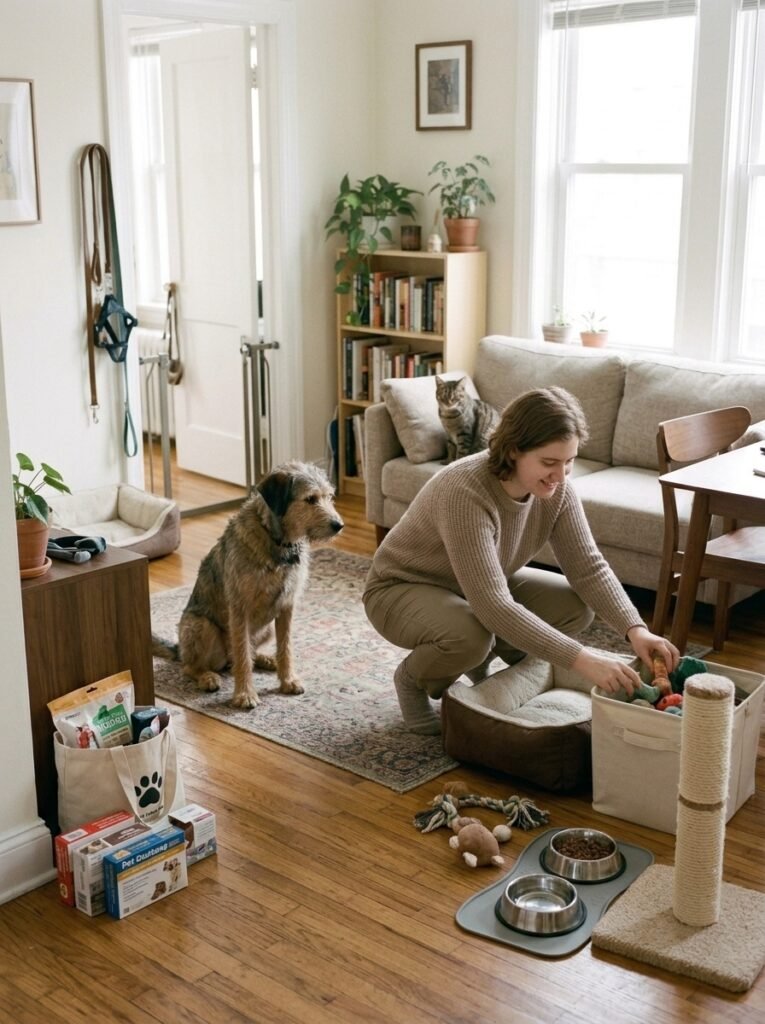
A new pet needs a safe, comfortable place to settle in. Before bringing your companion home, remove anything that could cause an accident or injury.
Keep medications, cleaning products, electrical cords, small objects, and potentially toxic foods out of reach. Secure balconies, windows, gates, and other areas where your pet could escape or get hurt.
Prepare a comfortable sleeping area, feeding station, and appropriate toys. If you’re adopting a cat, remember to arrange a litter box and scratching post.
A little preparation can make your pet’s first few days much easier.
4. Schedule an Early Veterinary Visit
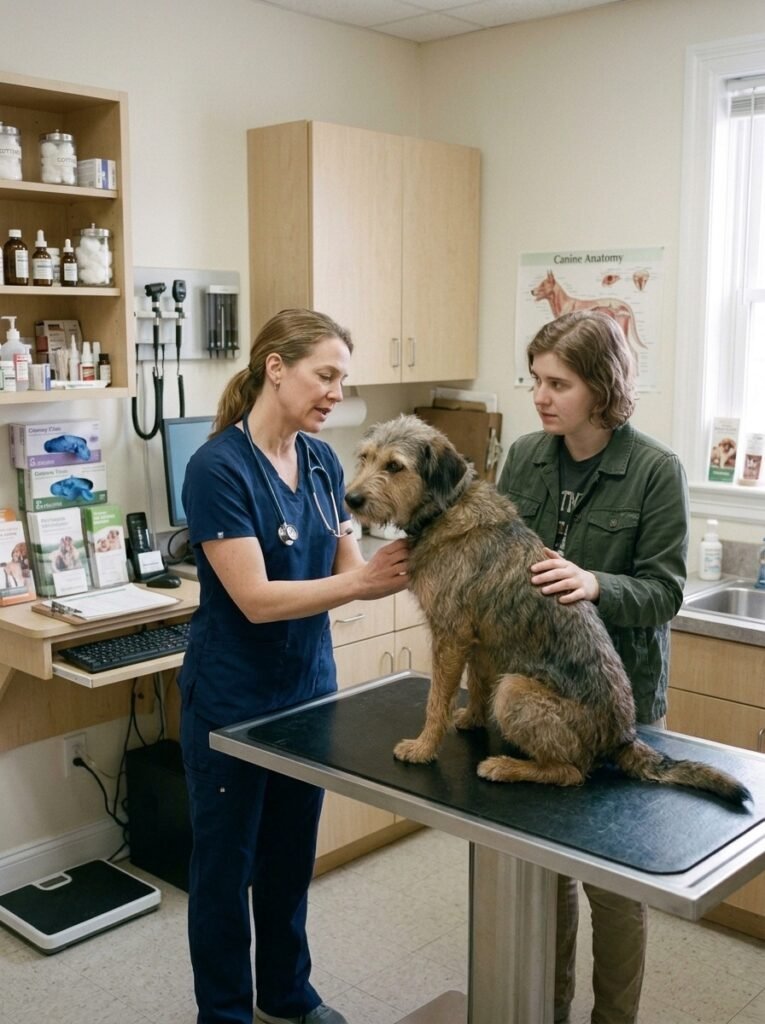
One of the most important things for new pet owners is establishing a relationship with a trusted veterinarian.
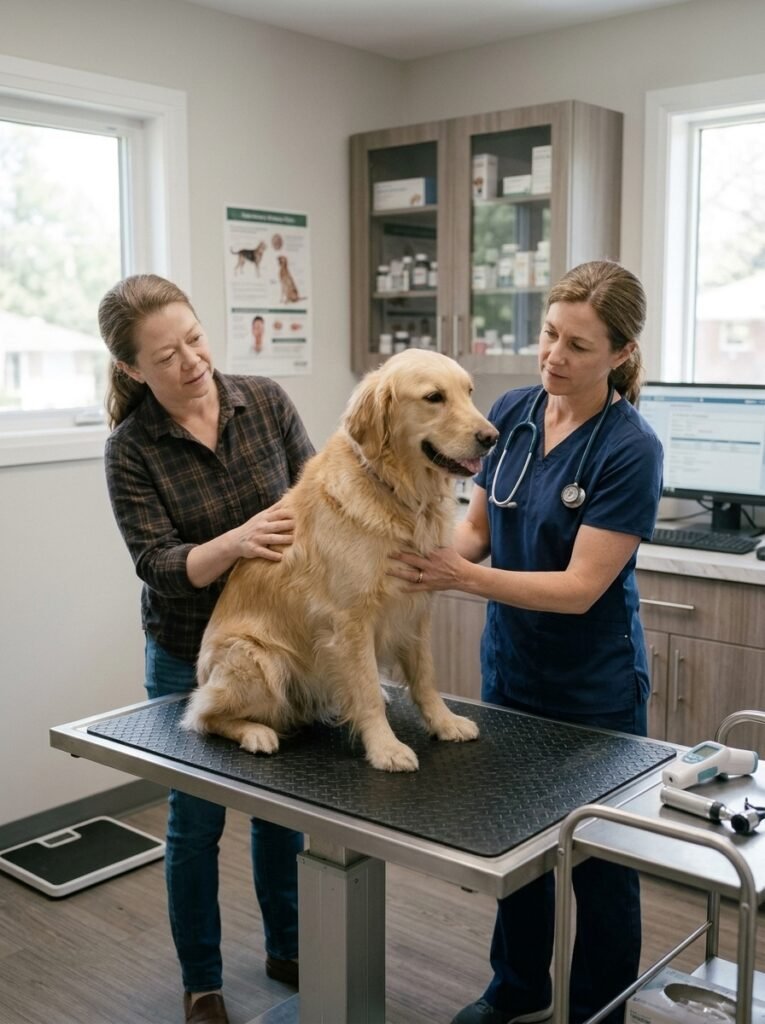
Arrange a health check shortly after bringing your pet home. Your veterinarian can assess their overall condition, discuss vaccinations, check for parasites, and recommend preventive healthcare.
Ask about dental care, nutrition, spaying or neutering, and age-appropriate health screenings.
Even if your pet appears perfectly healthy, routine veterinary visits are essential for identifying potential problems early.
5. Feed Your Pet the Right Food

Good nutrition is the foundation of a healthy pet. However, choosing the right food isn’t always as simple as picking the most popular brand.
Your pet’s dietary needs depend on their species, age, size, activity level, and health. Puppies and kittens, for example, need specially formulated food to support their growth and development.
Choose complete and balanced pet food appropriate for your companion. Avoid feeding table scraps without checking whether the ingredients are safe.
Chocolate, grapes, raisins, onions, garlic, and xylitol-containing products can be dangerous for dogs. Cats also have specific dietary requirements and should not be fed an inappropriate diet.
When in doubt, ask your veterinarian for nutritional advice.
6. Create a Consistent Daily Routine
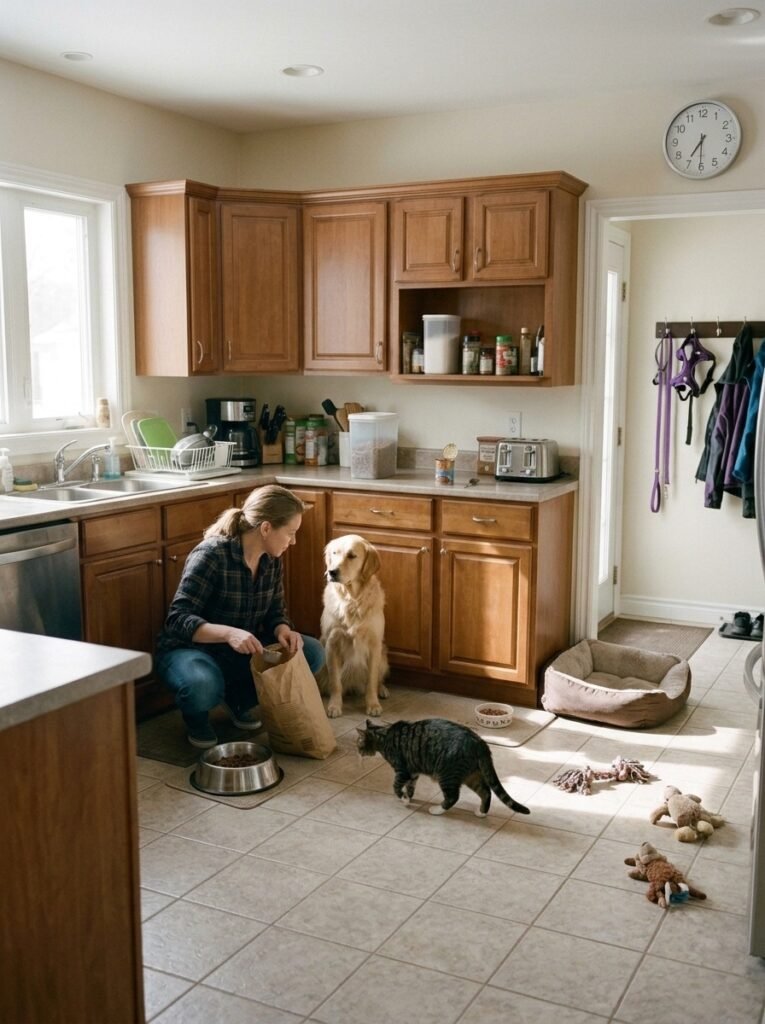
Pets feel more comfortable when they have a predictable routine. Regular feeding times, walks, play sessions, and bedtime can help them feel secure in their new environment.
For dogs, establish a schedule for meals, bathroom breaks, and exercise. Cats also benefit from regular feeding times and daily interactive play.
Try to keep the routine consistent, especially during the first few weeks. This can make training easier and help your pet adjust to their new home.
7. Start Training and Socialization Early

Training is an important part of raising a well-adjusted pet. It helps your companion understand household expectations and develop positive behaviors.
If you have a dog, start with basic commands such as sit, stay, come, and leave it. House training is another important early lesson.
Socialization is equally important. Introduce your pet gradually to different people, sounds, environments, and experiences in a safe and positive way.
Use treats, praise, and encouragement instead of punishment. Remember that every animal learns at a different pace, so patience and consistency are essential.
8. Always Provide Fresh Drinking Water

Just like people, pets need clean drinking water every day. Make sure your companion has access to fresh water throughout the day.
Wash their water bowls regularly and refill them as needed. During hot weather or after exercise, pay extra attention to hydration.
Some cats prefer drinking from moving water, making a pet fountain a useful option. You should also monitor changes in your pet’s drinking habits, as unusual thirst or reduced water intake can sometimes indicate a health problem.
9. Make Grooming Part of Regular Care
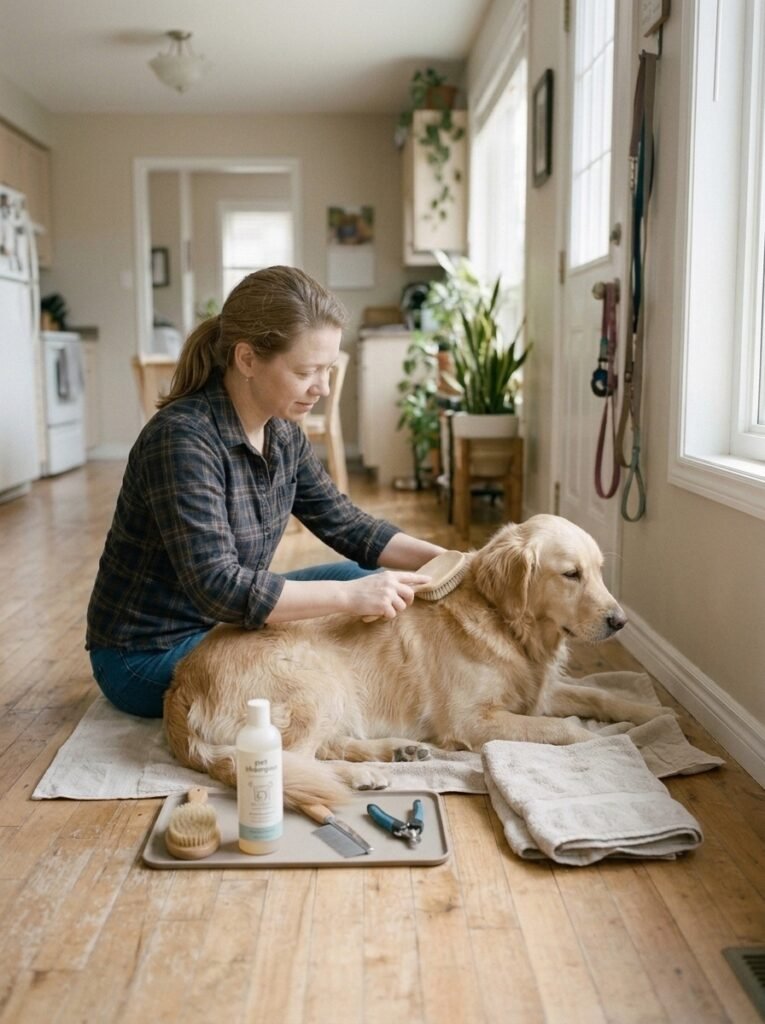
Grooming is about more than keeping your pet looking adorable. It helps maintain healthy skin, a clean coat, comfortable nails, and good overall hygiene.
Brush your pet regularly according to their coat type. Long-haired animals may require more frequent brushing to prevent tangles and mats.
Other grooming tasks may include bathing, nail trimming, ear cleaning, and dental care. Introduce these activities slowly so your pet becomes comfortable with being handled.
If you’re unsure how to groom your companion properly, ask a professional groomer or veterinarian for advice.
10. Make Time for Exercise and Play

Physical activity helps pets maintain a healthy weight, build strength, and release energy. Mental stimulation is equally important for preventing boredom and unwanted behaviors.
Dogs often enjoy walks, fetch, and interactive games. Cats benefit from climbing structures, scratching posts, puzzle feeders, and toys that encourage their natural hunting instincts.
Choose activities that are suitable for your pet’s age, breed, and physical condition.
Even spending 15–20 minutes playing with your pet can be a wonderful way to strengthen your bond. The appropriate amount of exercise will vary depending on the animal.
11. Learn the Warning Signs of Illness
Pets cannot explain when they feel uncomfortable, so you need to pay attention to changes in their behavior.
Common warning signs include:
- Loss of appetite or unusual thirst.
- Vomiting or diarrhea.
- Unexplained weight changes.
- Excessive scratching or licking.
- Unusual tiredness or weakness.
- Changes in bathroom habits.
- Limping or signs of pain.
- Difficulty breathing.
Some symptoms require immediate veterinary attention. Breathing difficulties, collapse, seizures, suspected poisoning, and inability to urinate should never be ignored.
When something seems unusual, contact your veterinarian rather than trying to diagnose the problem yourself.
12. Keep Dangerous Household Items Out of Reach
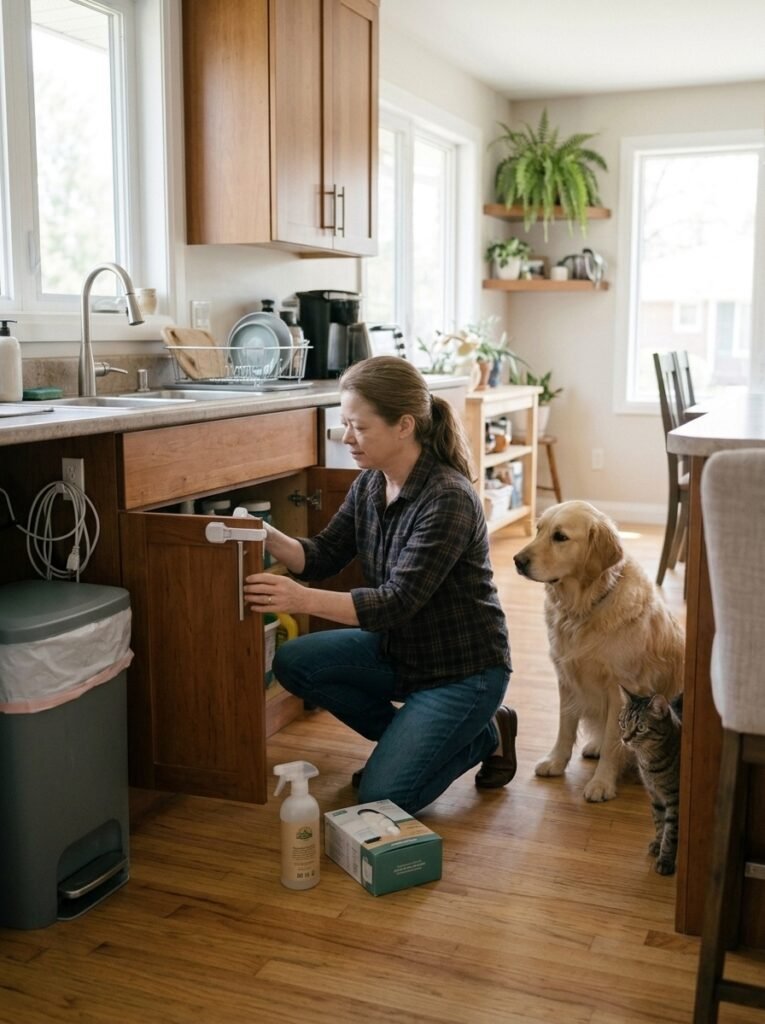
Your home may look perfectly safe to you, but curious pets can get into trouble surprisingly quickly.
Household cleaning products, medications, batteries, sharp objects, and certain plants can be dangerous to animals.
Be careful about leaving food unattended on kitchen counters. Keep rubbish bins covered and make sure outdoor spaces are secure.
It’s also worth checking whether the plants in your home or garden are pet-safe. Lilies, for example, are highly toxic to cats.
Regularly review your surroundings as your pet grows and becomes more adventurous.
Common Mistakes First-Time Pet Owners Should Avoid
Even people with the best intentions can make mistakes when caring for a new pet. Being aware of common problems can help you become a more confident and responsible pet parent.
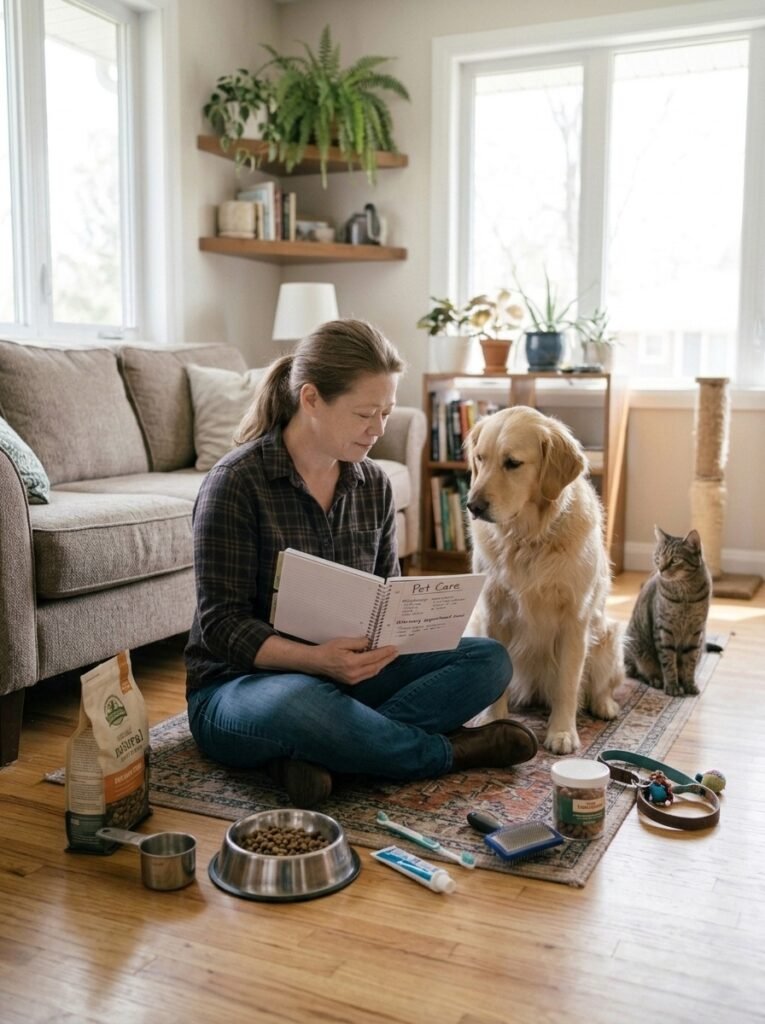
Here are a few mistakes worth avoiding:
- Overfeeding: Too many treats or oversized meals can contribute to unhealthy weight gain.
- Skipping checkups: Pets need preventive healthcare even when they appear healthy.
- Ignoring training: Unwanted behaviors can become harder to manage without consistent guidance.
- Choosing inappropriate food: Not every human food or pet food is suitable for every animal.
- Neglecting dental care: Poor oral hygiene can cause pain and other health complications.
- Leaving pets alone for too long: Animals need appropriate companionship, enrichment, and attention.
- Expecting instant results: Building trust and learning new habits takes time.
The more you understand your pet’s needs, the easier it becomes to avoid these common challenges.
Frequently Asked Questions About First-Time Pet Ownership
What should I buy before bringing home my first pet?
Start with essential supplies such as appropriate food, food and water bowls, a comfortable bed, toys, grooming tools, cleaning products, and a suitable carrier.
Depending on the animal, you may also need a leash, collar, litter box, scratching post, or appropriate enclosure.
It’s best to purchase the basic supplies before your pet arrives so you aren’t rushing to find everything at the last minute.
How long does it take for a new pet to feel comfortable?
Every animal is different. Some pets become comfortable within a few days, while others need several weeks or longer.
Give your companion a quiet space, maintain a predictable routine, and allow them to approach new people and surroundings at their own pace.
How often should a pet visit the veterinarian?
Healthy adult pets generally benefit from at least one wellness examination each year. Puppies, kittens, senior animals, and pets with existing health conditions may need more frequent visits.
Your veterinarian can recommend a schedule based on your companion’s individual needs.
What is the most important responsibility of a pet owner?
Providing consistent care is one of the most important responsibilities. This includes proper nutrition, fresh water, healthcare, exercise, a safe environment, and plenty of appropriate attention.
Being a responsible pet owner also means understanding that your companion depends on you throughout their lifetime.
Is owning a pet difficult for beginners?
Pet ownership can feel challenging at first, especially when you’re learning about feeding, training, grooming, and healthcare.
However, with preparation, patience, and guidance from veterinary professionals, first-time owners can develop the skills needed to care for their companions successfully.
Final Thoughts
Becoming a first-time pet owner is the beginning of a wonderful journey. There will be exciting milestones, funny moments, new experiences, and plenty of opportunities to learn.

Although caring for an animal requires time, patience, and financial commitment, the companionship and affection they bring can make every effort worthwhile.
The secret is to understand your pet’s individual needs, establish healthy habits, and provide a safe and loving environment.
You don’t have to be a perfect pet parent from day one. You simply need to be willing to learn, stay consistent, and put your companion’s well-being first.
Prepare your home, enjoy every little moment, and give your new best friend the love and care they deserve!