How Long Can Cats Hold Their Poop?

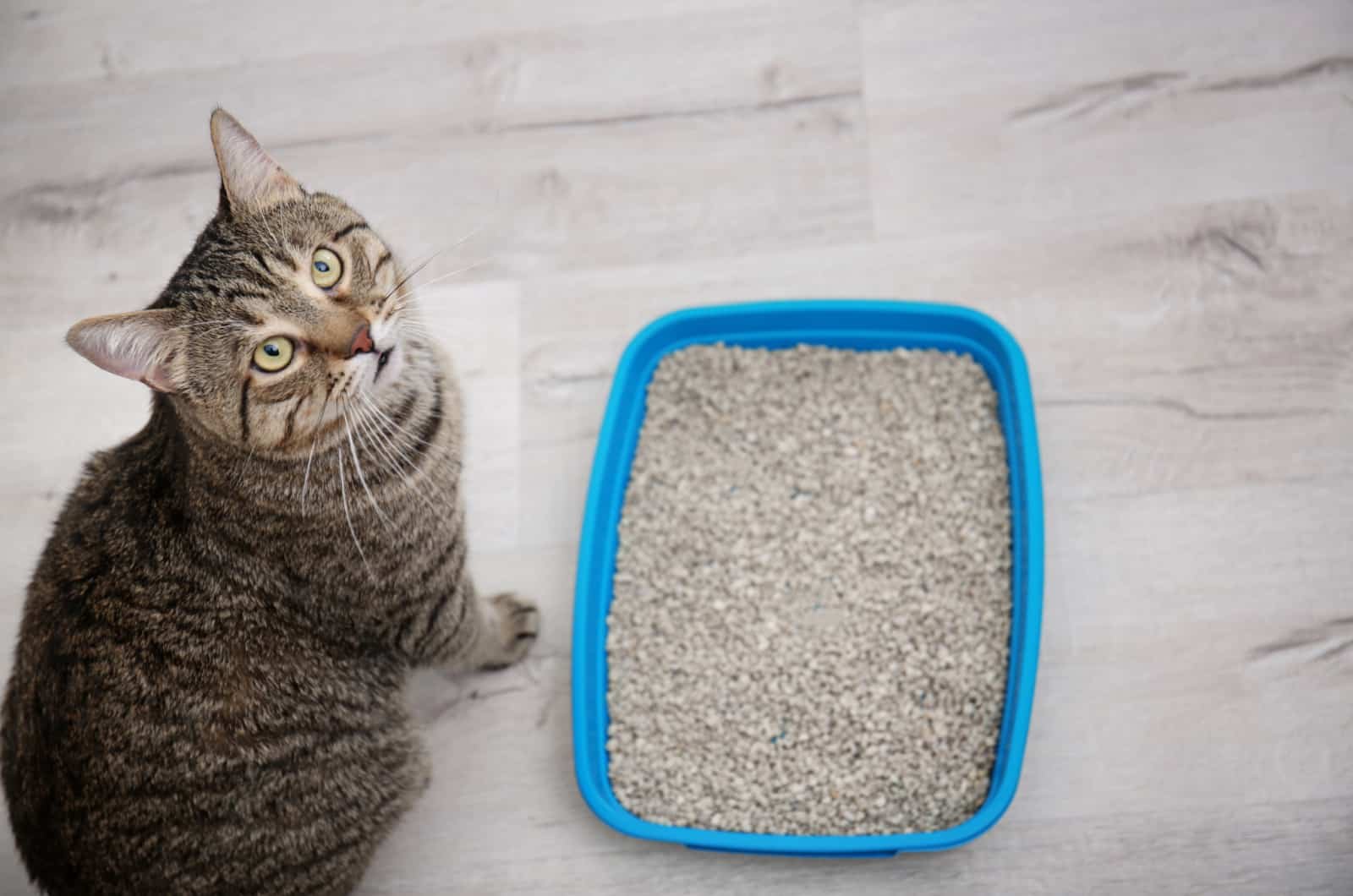
If you’re planning a trip or your cat hasn’t used the litter box as usual, you might wonder how long cats can hold their poop. Most cats poop about once a day. Knowing your cat’s usual routine makes it easier to tell when something has changed. vcahospitals.com
Constipation can affect cats at any age. It can have several causes, including dehydration. If your cat keeps straining, passes small, dry stools, or hasn’t pooped for about two days, call your vet. vcahospitals.com
Advertisement – Continue Reading Below
How Long Can Cats Hold Their Poop?
How Long Can Cats Hold Their Poop?
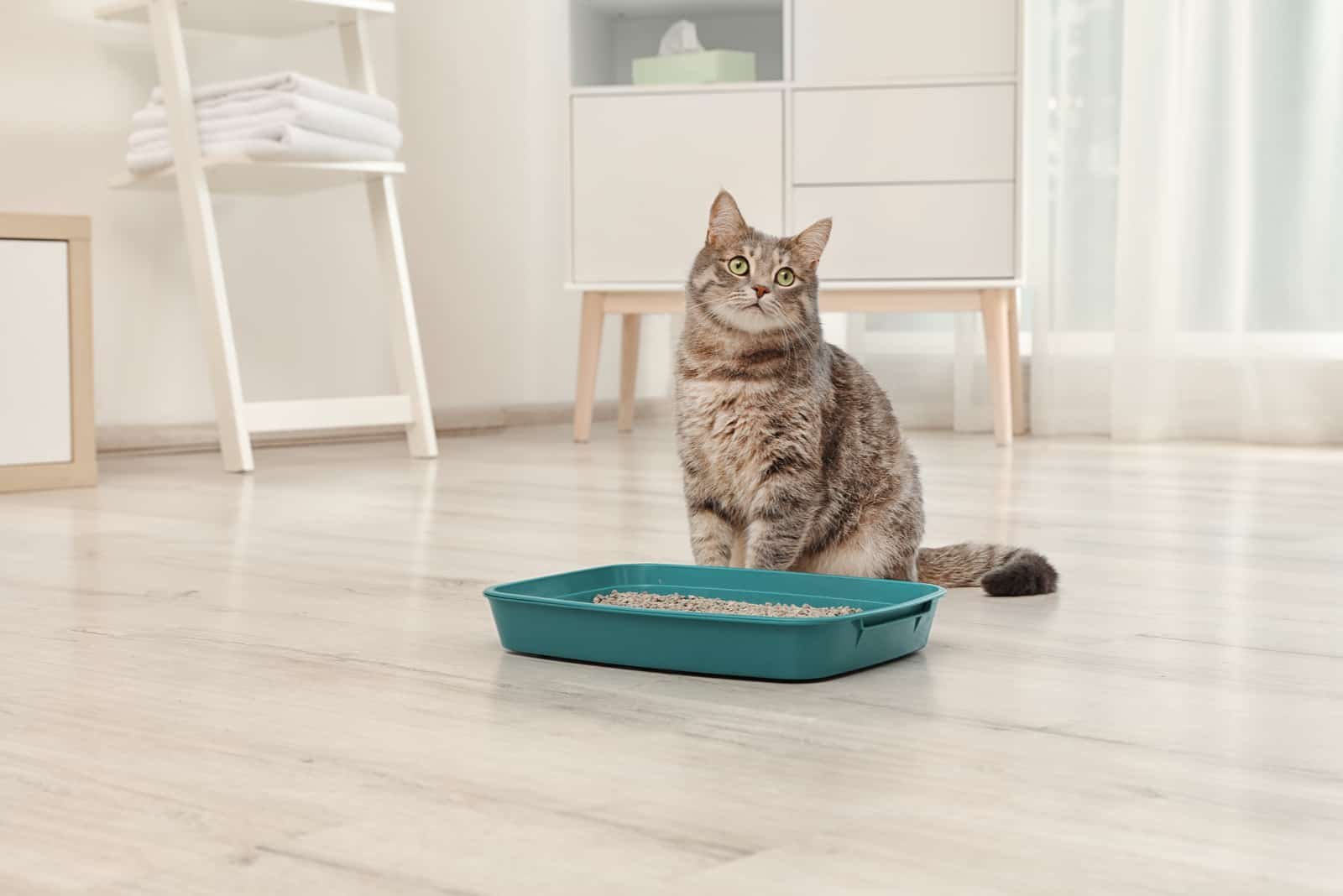
Most healthy adult cats poop about once a day, though the timing can vary. Pay attention to your cat’s usual routine. If it’s been about 48 hours since their last bowel movement, call your vet for advice. Call sooner if your cat keeps straining or seems unwell. VCA Animal Hospitals
Can a Cat Go All Night Without Pooping?
Yes. A healthy cat can go through the night without a bowel movement. If you keep your cat indoors overnight, put a clean litter box where they can reach it. A cat shut in a room may meow or scratch at the door, so make sure the box is accessible before you go to bed. VCA Animal Hospitals
What If Your Cat Hasn’t Peed?
If your cat repeatedly tries to pee and passes little or no urine, go to an emergency vet immediately. A urinary blockage can look like constipation because both can cause straining and repeated trips to the litter box. vet.cornell.edu
When Should You Call the Vet?
If your cat hasn’t pooped in about two days, call your vet. Contact them sooner if your cat shows any of these signs. VCA Animal Hospitals
- Repeated straining or crying in the litter box
- Small, hard, dry stools or blood in the stool
- Vomiting, poor appetite, or unusual tiredness
How Many Times a Day Should Cats Poop?
About once a day is typical for an adult cat. Age, diet, and activity can affect how often they go. When you scoop the litter box, look at both the frequency and the texture. Stool that suddenly becomes hard and dry can be a clue that your cat is constipated. VCA Animal Hospitals
Common Reasons Cats Poop Less Often
Common Reasons Cats Poop Less Often
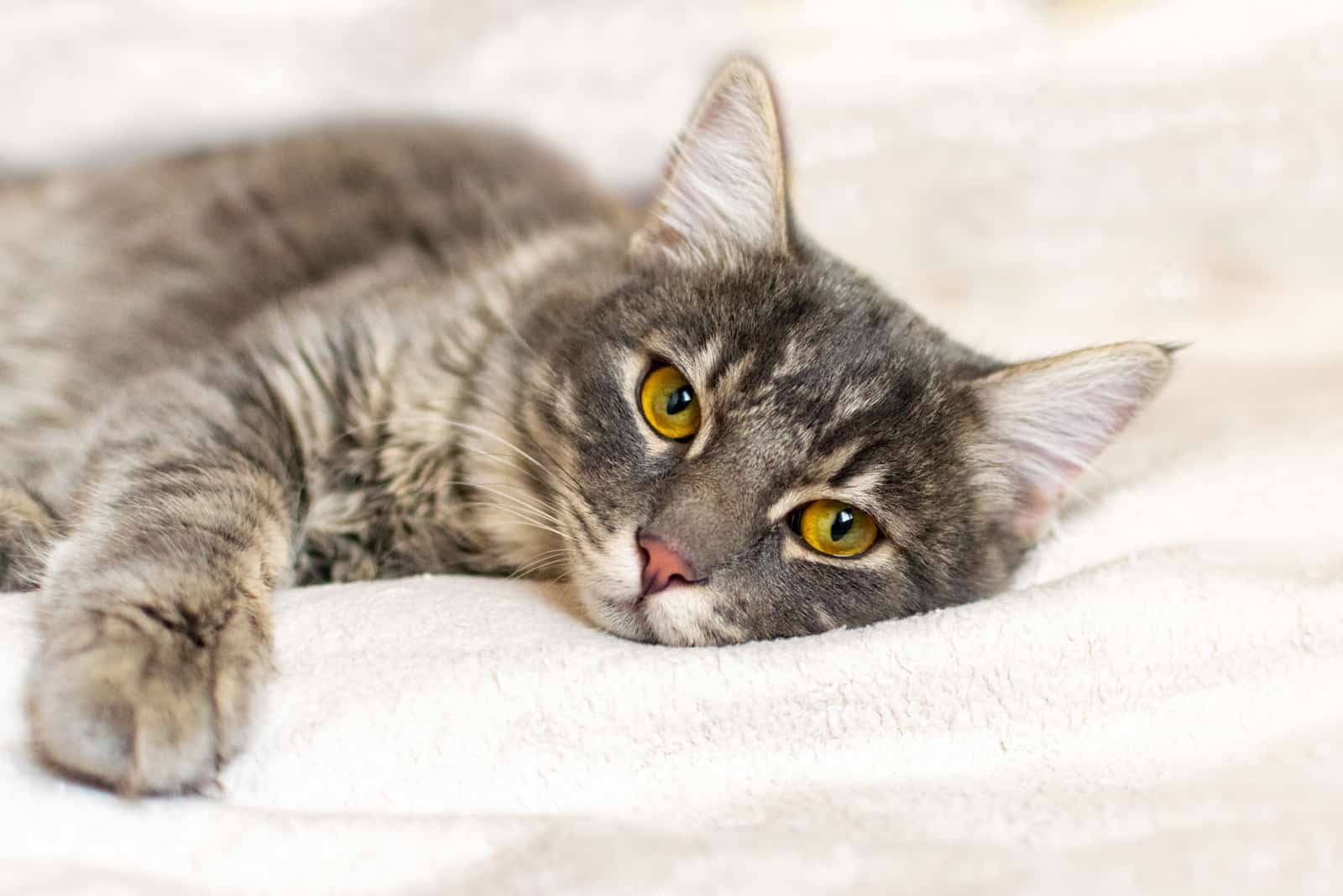
If the litter box looks empty, scoop through it carefully. Your cat may have buried their poop or gone elsewhere. If you still can’t find any stool and it’s been about 48 hours since their last bowel movement, call your vet for advice. Call sooner if your cat keeps straining, vomits, or stops eating. vcahospitals.com
After Surgery
Your cat may take longer than usual to poop after being spayed, neutered, or having another operation. They may eat less around the time of surgery, and some medications can contribute to constipation. If your cat hasn’t pooped in about 48 hours, call the clinic that performed the surgery. VCA Animal Hospitals
Follow the clinic’s instructions for feeding, water, and activity. Keep the litter box easy to reach, and wait until your vet clears your cat for active play. If your cat needs medication to help them pass stool, your vet can recommend an option that fits their recovery. VCA Animal Hospitals
Changes in Diet, Routine, or Activity
How often your cat poops can vary with their age, diet, and activity level. Drinking less water can make stools harder and drier. Stress or changes at home can also affect litter box habits. When you call the vet, mention any recent changes in food, appetite, water intake, or daily routine. www.petmd.com
Related reading on why cat poop can be half firm and half soft
Health Conditions That Can Cause Constipation
Health Conditions That Can Cause Constipation
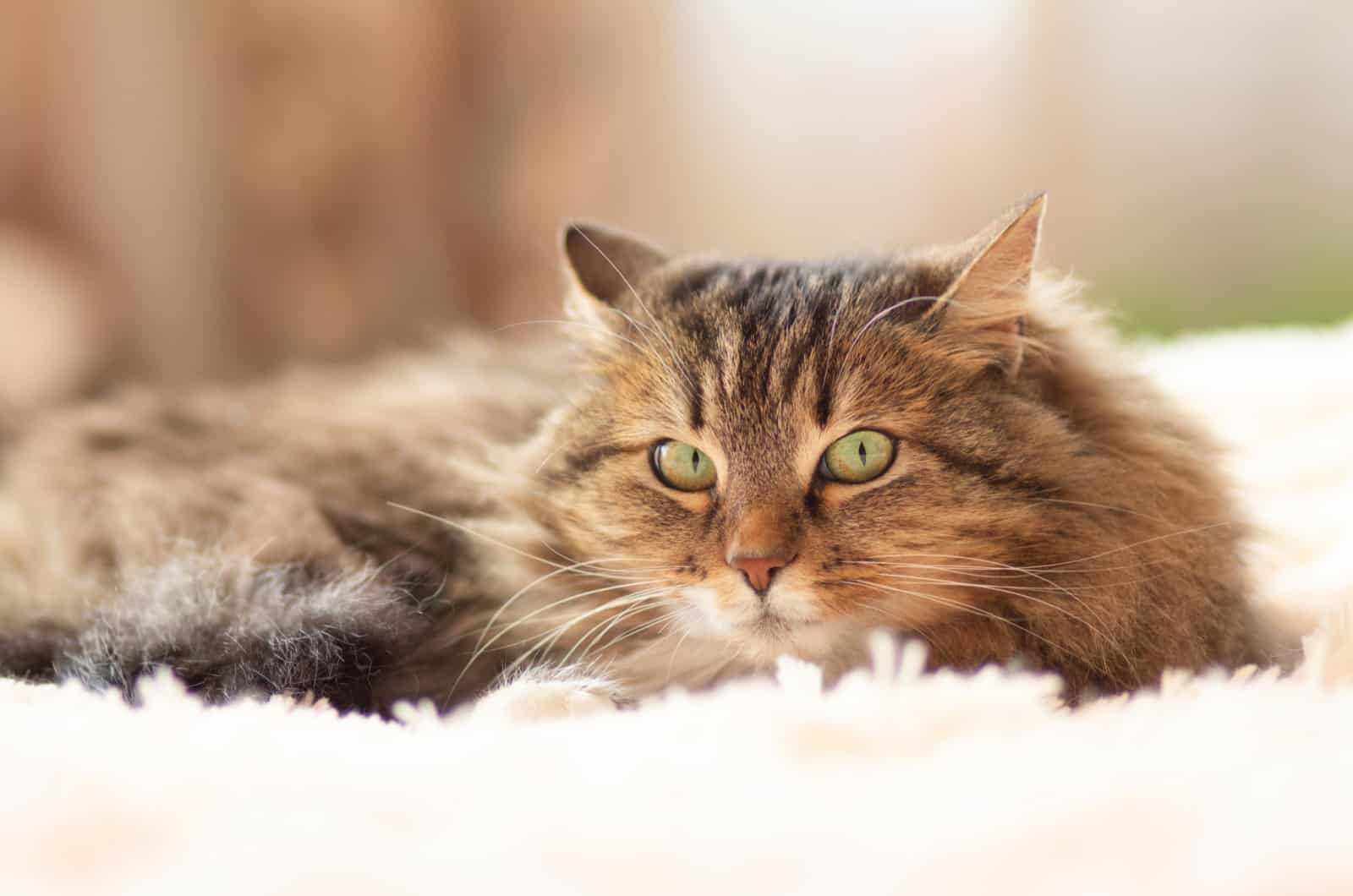
Dehydration, kidney disease, and certain spinal or nerve problems can make it harder for a cat to pass stool. Swallowed hair can also collect in the stool. In some cases, a mass or another blockage prevents stool from moving through the colon. Finding the cause helps your vet choose the right treatment. vcahospitals.com
How to Spot Constipation in Cats
When you scoop the litter box, check the shape and texture of your cat’s poop. Healthy stool is usually brown and holds its shape. Small, dry pellets or hard pieces can point to constipation. You may also notice that your cat: www.petmd.com
- Makes repeated trips to the litter box and passes little or no stool.
- Strains or cries while trying to poop.
- Eats less, vomits, or seems unusually tired.
Mention any changes in thirst, urination, weight, or movement when you speak to your vet. Those details can help them look for an underlying health problem. vcahospitals.com
If your cat strains and passes little or no urine, go to an emergency vet immediately. A urinary blockage can look like constipation because both can cause repeated trips to the litter box. www.vet.cornell.edu
How Vets Treat Constipation
Your vet may examine your cat and take an X-ray to look for trapped stool or a blockage. Mild cases may improve with changes to food or water intake. Depending on the cause, your vet may also recommend fluids or prescribe a laxative. Severe cases may need an enema at the clinic. Some human enemas are toxic to cats, so check with your vet before giving any constipation remedy. vcahospitals.com
With long-term constipation, the colon can stretch and lose its ability to push stool along. This condition is called megacolon. If medicines and diet changes no longer help, your vet may recommend surgery to remove part of the colon. Merck Veterinary Manual
What You Can Do at Home
What You Can Do at Home
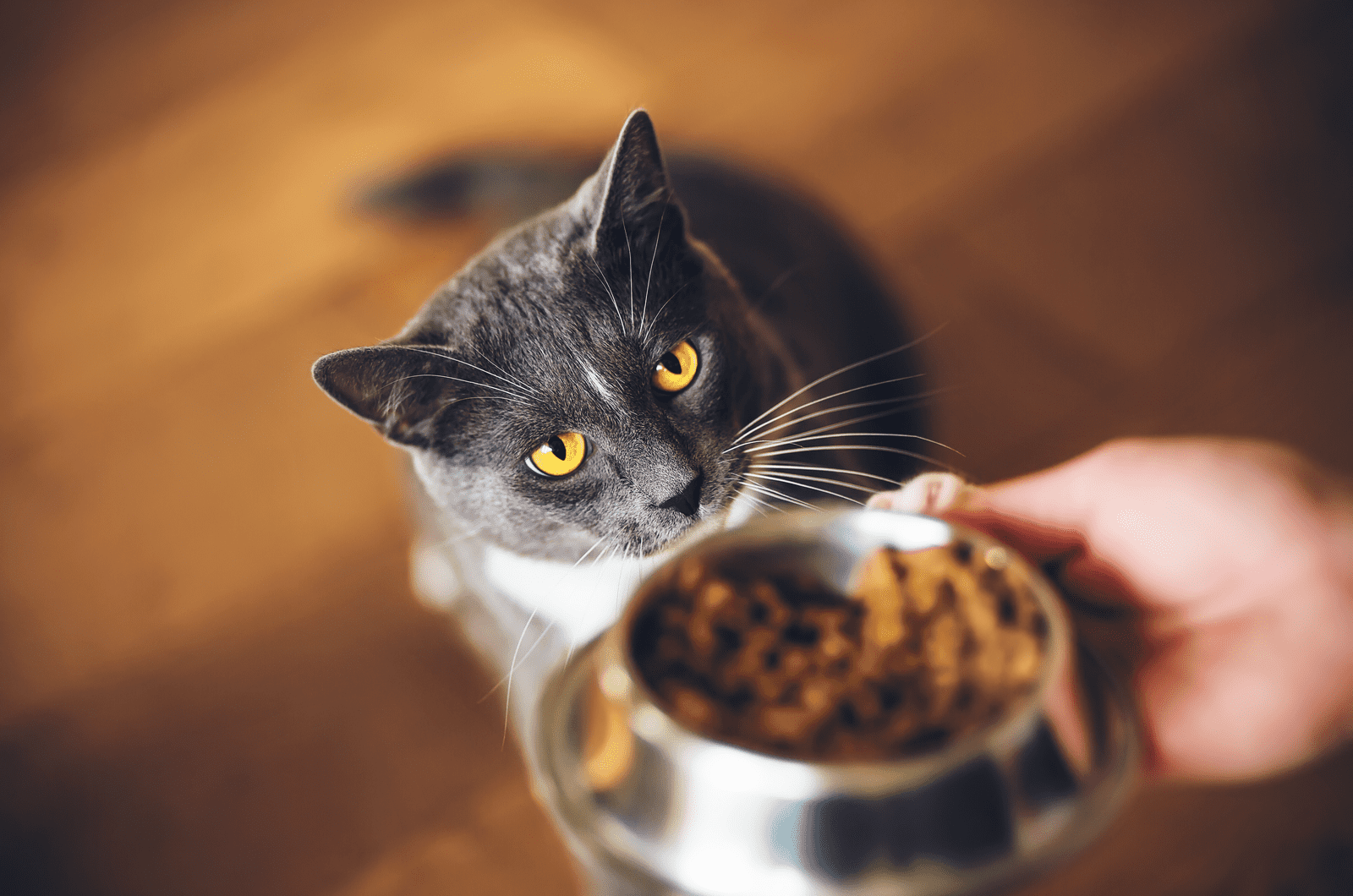
Start by making water easy to find. Put fresh water in a few quiet spots around your home. If your cat likes running water, try a pet fountain. Wet food can also add moisture to their diet. If your cat is on a prescription diet, check with your vet before changing their food. PetMD
Keep the litter box clean and easy to reach, especially if your cat is older or has trouble climbing. Gentle play can also help your cat stay active if they’re comfortable moving around. PetMD
Ask your vet before adding fibre or giving your cat a laxative. The right choice depends on why your cat is constipated. Leave enemas to the veterinary team, since some products made for people are toxic to cats. PetMD
Final Thoughts
Most adult cats poop about once a day. If it’s been about 48 hours since your cat last pooped, call your vet. Call sooner if your cat keeps straining, vomits, stops eating, or seems unusually tired. vcahospitals.com
If your cat strains and passes little or no urine, go to an emergency vet immediately. A urinary blockage can look like constipation and needs urgent care. www.vet.cornell.edu
If you found this guide helpful, share it with another cat owner or pin it for later.