Broken Toe in Cats: Signs & Care


A broken toe can be very painful for a cat. So, if your pet is diagnosed with a toe injury, it is natural to feel concerned. Foot problems can include a cracked nail, fractured bone, sprained joint, or damaged ligament. Each injury can affect your cat’s comfort and movement.
Getting veterinary help is important to protect your cat’s health. Some serious injuries may require surgery. In rare cases, the vet may recommend removing the damaged toe if it cannot be repaired.
Advertisement – Continue Reading Below
The good news is that many toe fractures can heal with proper treatment. Early diagnosis and suitable care can also help prevent further complications. Knowing the warning signs and available treatments will help you respond quickly if your cat gets hurt.
Causes and Symptoms of a Broken Toe in Cats
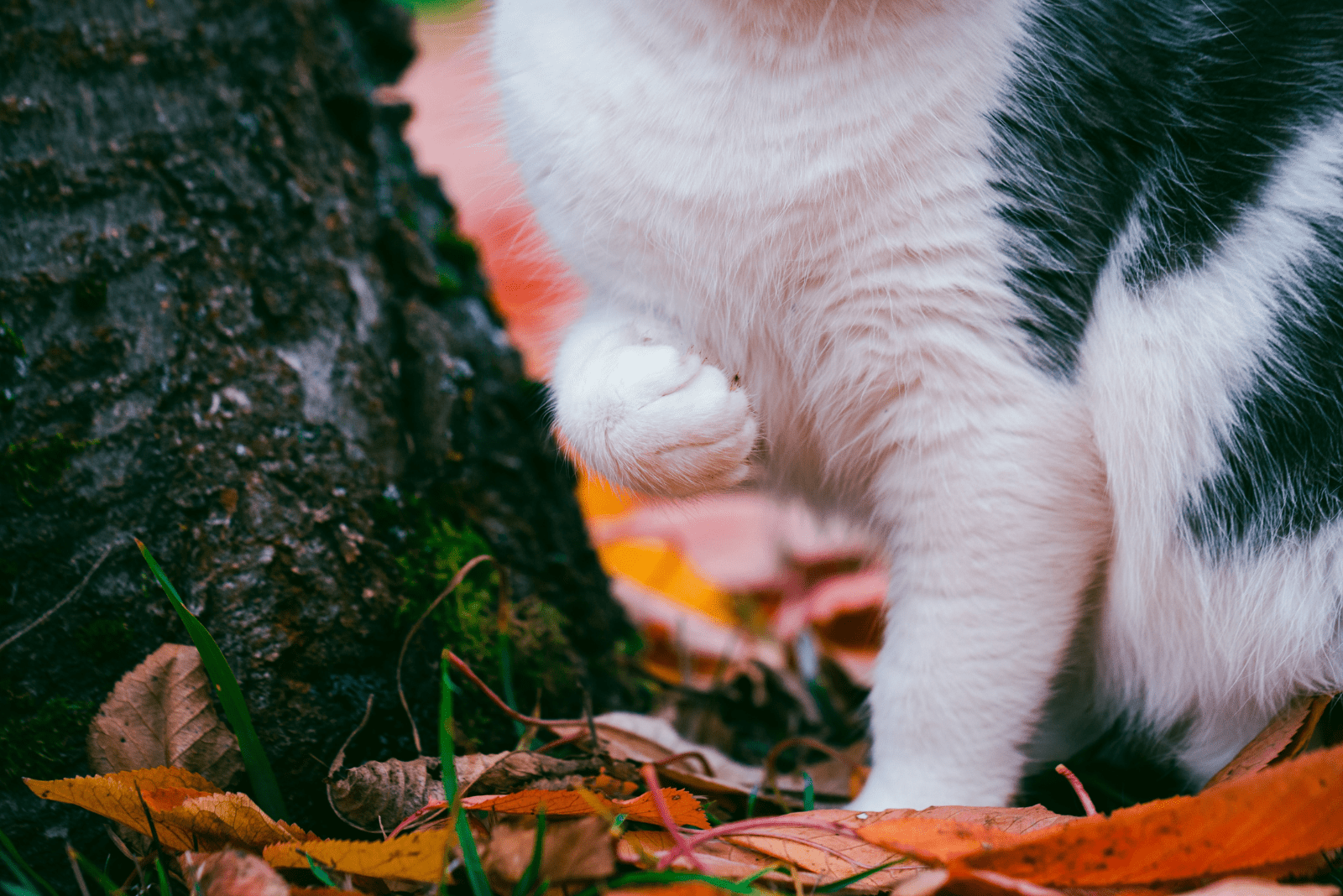
A cat’s paw contains several small bones that help support its body and allow it to move. Most toes have three small bones called phalanges. The middle toes carry much of the body’s weight, so injuries in these areas can make walking particularly difficult.
A broken toe can happen for several reasons. A bad landing after a jump is one possible cause, but everyday accidents can also lead to fractures. Common causes include:
- Fights with other animals.
- Rough play or accidental injuries.
- Road traffic accidents.
- Falls from high places.
- Getting a paw caught in a door.
- Someone accidentally stepping on a cat’s foot.
Many toe fractures heal well with proper veterinary care. However, injuries involving the joints can sometimes cause lasting pain, stiffness, or difficulty walking.
Symptoms of a Broken Toe in Cats
Cats often hide signs of pain, making injuries difficult to recognize. Therefore, pay attention to changes in their movement, appetite, and behavior.
Common warning signs include:
- Limping or avoiding one paw.
- Unusual tiredness or reduced activity.
- Hiding more often than usual.
- Eating less or refusing food.
- Growling, crying, or hissing when touched.
- Swelling or bruising around the injured toe.
In severe cases, a broken bone may push through the skin. This is called an open fracture and requires immediate veterinary attention.
If you notice an exposed bone, do not try to push it back into place. Cover the injured area loosely with sterile gauze if possible and seek emergency veterinary care.
How to Protect Your Cat’s Injured Toe During Transport
If you suspect a broken toe, contact your veterinarian before leaving home. Explain what happened and describe the symptoms you have noticed.
Avoid trying to straighten the toe or apply a splint yourself. Incorrect handling can increase pain and cause further damage.
Instead, follow these precautions:
- Approach your cat slowly and handle it gently.
- Avoid touching or putting pressure on the injured paw.
- If there is an open wound, cover it loosely with clean, sterile gauze.
- Place your cat in a comfortable carrier lined with a soft towel.
- Keep your pet calm and limit unnecessary movement during the journey.
A secure carrier helps prevent additional injuries while transporting your cat. Let the veterinarian handle any necessary bandaging or stabilization.
Diagnosis and Treatment of a Broken Toe in Cats
Your veterinarian will examine the injured paw to determine whether a fracture has occurred. They will check for swelling, tenderness, joint damage, and other possible injuries.
X-rays are commonly used to identify the location and severity of the broken bone. Additional imaging may be needed if the injury involves surrounding joints or tissues.
The treatment plan will depend on your cat’s age, general health, fracture type, and the extent of the damage.
Common treatment options include:
- Splinting or bandaging: Helps stabilize certain fractures and protect the injured toe.
- Pain relief: Veterinary-prescribed medication helps control discomfort during recovery.
- Antibiotics: May be necessary when an open fracture or infected wound is present.
- Surgery: Some complicated fractures require surgical repair to restore proper bone alignment.
Your veterinarian will choose the safest option based on the injury. Follow-up examinations and additional X-rays may also be needed to monitor bone healing.
At-Home Care and Prevention of Broken Toes in Cats

At-Home Care for Cats With Broken Toes
A cat with a fractured toe needs plenty of rest while the bone heals. Your main responsibility is to keep your pet comfortable and prevent activities that could worsen the injury.
Follow your veterinarian’s instructions carefully, especially if your cat has a splint or bandage. Keep the dressing clean and dry. Never change or remove it without professional guidance.
Your vet will tell you when the bandage needs to be replaced. Contact them if it becomes wet, dirty, loose, or damaged. Also, watch for swelling, unpleasant odors, or sores around the affected paw.
Some cats may try to lick or chew their injured toes. In these situations, your veterinarian may recommend an Elizabethan collar, commonly called a cone. It prevents your cat from disturbing the injured area.
Schedule follow-up appointments so your vet can check how well the bone is healing. Additional X-rays may be necessary to confirm proper recovery.
Although accidents cannot always be prevented, a few simple precautions can reduce the risk of future injuries.
Keep Your Cat Away From High Places
Cats enjoy climbing and resting in elevated spots. However, jumping from balconies, shelves, and tall furniture can sometimes result in serious injuries.
Keep your cat away from unsafe balconies and windows. You should also secure tall shelves and other areas where accidental falls might occur.
If your cat already has a broken toe, prevent access to climbing areas until the veterinarian confirms that the injury has healed.
Keep Your Cat Indoors
Outdoor environments expose cats to several dangers. Traffic, fights with other animals, falls, and unexpected accidents can all cause injuries.
Keeping your cat indoors can reduce many of these risks. However, indoor cats still need exercise and mental stimulation.
You can make their environment more enjoyable by providing:
- Comfortable sleeping areas.
- Interactive toys and play sessions.
- Suitable scratching posts.
- Safe climbing structures once your cat has recovered.
- Food puzzles and other enrichment activities.
A collar with an identification tag can also help if your cat accidentally gets outside. Always choose a properly fitted safety collar.
Check Your Surroundings Before Moving
Cats often sleep in unexpected places. They may curl up under furniture, hide behind doors, or rest near your feet.
Because of this, accidental injuries can happen when someone steps on a cat’s paw or catches it under a chair.
Make a habit of checking your surroundings before sitting down, moving furniture, or walking through dark rooms. Pay extra attention when your cat is resting nearby.
These small precautions can help protect your pet from avoidable accidents.
Frequently Asked Questions About Broken Toes in Cats
Will a cat’s toe heal on its own?
Do Broken Toes in Cats Heal on Their Own?
Small paw injuries may heal with proper cleaning and rest. However, deeper cuts, swelling, or discharge need veterinary attention. If a wound remains open after several days or shows signs of infection, have your cat examined.
Broken bones are different. A fracture may not heal correctly without proper treatment. Therefore, always consult a veterinarian if you suspect your cat has a broken toe.
How Long Does a Broken Toe Take to Heal in Cats?
Most broken bones in cats need around six to eight weeks to heal. However, recovery time depends on the fracture, your cat’s age, and the treatment provided.
Young kittens may recover faster because their bones are still developing. Older cats may need more time. Following your veterinarian’s instructions is essential for proper healing.
Why Should You Take a Cat With a Broken Bone to the Vet?
A suspected fracture requires prompt veterinary attention. A broken bone can cause significant pain and may need proper alignment to heal correctly.
Cats often hide their discomfort, so an injury may be more serious than it appears. Your veterinarian can examine the affected area, take X-rays, and recommend suitable pain relief.
Professional treatment also helps reduce the risk of poor bone healing, lasting pain, and movement problems.
What Is the Difference Between a Cat’s Front and Back Paws?
Cats have a different number of toes on their front and back paws.
- Front paws: Usually have five toes, including a smaller dewclaw that sits higher on the inner side.
- Back paws: Usually have four toes each.
This difference is normal and helps cats maintain balance while walking, climbing, and jumping.
Are Cat Toes Similar to Human Toes?
Not exactly. Humans walk on the soles of their feet, while cats move mainly on their toes. This walking style is called digitigrade locomotion.
Their toe-based movement helps cats stay light on their feet. It also allows them to move quietly while hunting or exploring.
What we commonly call a cat’s foot includes the paw and several structures that extend farther up the leg.
Final Thoughts on Broken Toes in Cats
Your support plays an important role while your cat recovers from a broken toe. Provide a quiet resting area, fresh water, nutritious food, and a clean litter box. Gentle attention and familiar routines can also help your pet feel more comfortable.
Try to prevent running, jumping, and climbing until your veterinarian confirms that the fracture has healed. If your cat is difficult to supervise, ask your vet whether temporary confinement in a suitable recovery area is necessary.
Keep following the prescribed treatment plan and attend all recommended checkups. Even if your cat starts walking normally, the bone may still need time to heal completely.
A broken toe can be stressful for both cats and their owners. However, early veterinary care, proper rest, and consistent attention can make recovery much easier.
With patience and the right treatment, many cats return to their normal activities and enjoy their daily lives again.