Broken Leg in Cats: Signs and Care

SEO Details
| SEO element | Optimized version |
|---|---|
| Short title | Broken Leg in Cats: Signs and Care |
| Focus keyphrase | cat broken leg |
| Slug | cat-broken-leg |
| Meta description | Learn how to spot a cat broken leg, recognize warning signs, understand treatment options, and help your pet recover safely. |
Has Your Cat Broken a Leg? Signs, Treatment, and Recovery Tips
Cats are naturally energetic animals. They enjoy chasing toys, climbing furniture, jumping from high places, and exploring their surroundings. However, these activities can sometimes lead to accidents and serious injuries.
Advertisement – Continue Reading Below
A broken leg is one of the injuries that can affect a cat’s ability to move comfortably. Some fractures are easy to recognize, while others may be difficult to notice at first.
If your cat has a broken leg, home treatment is not enough. A fracture needs prompt veterinary attention to prevent further damage and support proper healing.
Your main responsibility is to get your pet professional help and provide suitable care throughout recovery.
This guide explains the common causes of leg fractures, warning signs to watch for, available treatments, and ways to support your cat during healing.
How to Tell If Your Cat Has a Broken Leg
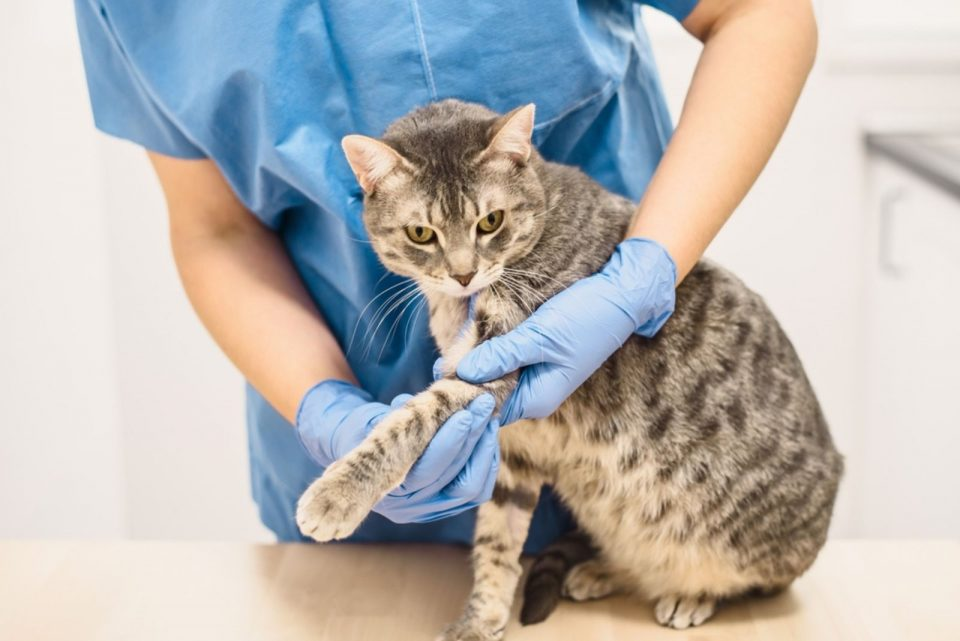
Leg injuries can vary from small cracks to severe fractures involving several pieces of bone. A minor fracture may not cause obvious changes in your cat’s appearance or behavior.
However, even a small break needs veterinary assessment. Without proper treatment, the bones may heal incorrectly and cause lasting problems.
Recognizing the warning signs can help you get your cat the care it needs.
Common Signs of a Broken Leg in Cats
Watch your cat closely if you suspect an injury. Changes in movement and behavior can provide important clues.
1. Limping or Difficulty Walking
Limping is one of the most noticeable signs of a possible fracture. Your cat may avoid putting weight on the injured leg or struggle to walk normally.
Severe injuries can cause the affected limb to hang loosely or drag along the ground. With smaller fractures, your cat might still use the leg but move differently.
You can also read: Why Is My Cat Limping but Not Crying?.
2. Swelling Around the Injured Area
A fractured bone can cause swelling around the affected leg. You might also notice bruising, skin discoloration, or an unusual change in the limb’s shape.
If the leg appears bent at an unnatural angle, seek veterinary attention immediately.
An open fracture occurs when a broken bone is associated with a wound in the surrounding skin. This type of injury needs urgent treatment because infection can develop.
3. Visible Cuts or Wounds
Some accidents cause both broken bones and damage to the surrounding skin. You may notice bleeding, scratches, or an open wound near the injured area.
Even if the bone is not visible, an open wound following an accident needs immediate veterinary attention.
4. Crying, Growling, or Hissing
Pain can change a cat’s normal behavior. An injured pet may cry loudly, growl, or hiss when someone approaches or touches the affected leg.
These reactions often happen because the cat feels frightened and wants to protect itself from further discomfort.
You may also notice unusual behavior in cats that have experienced trauma. Learn more about common signs of trauma in cats.
5. Sudden Biting or Defensive Behavior
A normally friendly cat may become aggressive after an injury. It might scratch, bite, or try to escape when someone attempts to handle it.
This reaction is often caused by pain and fear rather than a sudden change in personality.
If you need to move an injured cat, handle it carefully and avoid putting pressure on the affected limb.
6. Hiding More Frequently
Cats often withdraw when they feel unwell or vulnerable. Your pet may hide under furniture, stay in quiet corners, or avoid interacting with family members.
Outdoor cats may disappear for longer periods after an injury because they instinctively seek a protected place.
If your cat suddenly starts hiding, check for other signs of pain or illness.
7. Reduced Appetite
An injured cat may lose interest in food and eat less than usual. Pain and stress can affect normal eating habits.
Pay attention to changes in drinking and eating as well. Contact your veterinarian if your cat refuses food or appears weak after an accident.
Common Causes of Broken Legs in Cats
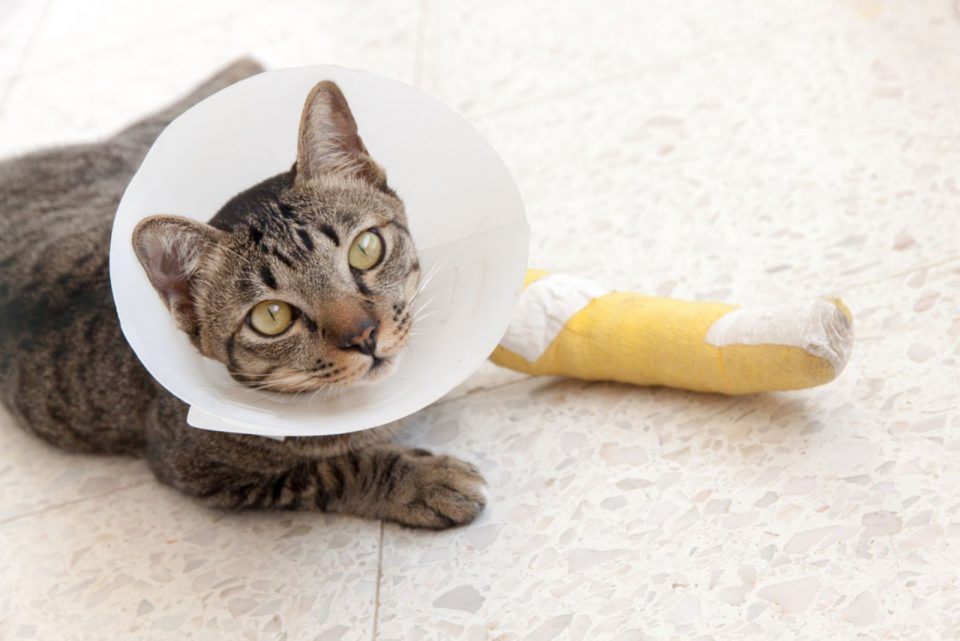
Several situations can lead to a leg fracture in cats. Some involve sudden accidents, while others develop because of underlying health problems that weaken the bones.
Veterinarians generally consider two main categories: traumatic and non-traumatic causes.
Traumatic Causes
These injuries happen when an external force damages the bones or surrounding tissues.
1. Falls From High Places
Cats are excellent climbers, but they can still fall and hurt themselves. Jumping from balconies, rooftops, trees, or tall furniture can sometimes result in fractures.
A poor landing may put too much pressure on a leg and damage the bone. The risk increases when a cat falls from a considerable height.
2. Road Accidents
Vehicles are a major danger to outdoor cats. A collision can cause broken bones, deep wounds, joint injuries, and damage to internal organs.
Some injuries may not be visible immediately. Therefore, take your cat to a veterinarian after a road accident, even if there are no obvious external wounds.
3. Accidents Around the House
Indoor cats also experience injuries. They may catch a leg in furniture, fall from shelves, or become trapped in doors.
Keep your home as safe as possible by securing unstable objects and checking areas where your cat likes to hide or sleep.
4. Animal Bites and Attacks
Fights with other animals can cause serious injuries. Dog attacks, in particular, may result in fractures, puncture wounds, and damaged tissues.
Bite wounds can also become infected. If your cat has been attacked, arrange an urgent veterinary examination.
5. Other Physical Accidents
Other traumatic injuries may result from sharp objects, physical impacts, or accidental attacks.
The severity depends on the force involved and the location of the injury. Any suspected fracture needs professional assessment.
Non-Traumatic Causes
Not every broken leg results from an accident. Certain medical conditions can weaken a cat’s bones and make fractures more likely.
1. Bone Infections
Some infections can affect bone tissue and weaken its structure. This may increase the risk of fractures, particularly when the infection is left untreated.
2. Poor Nutrition
A balanced diet supports healthy bones and normal development. When cats do not receive essential nutrients, their bones may become weaker.
Proper nutrition is especially important for growing kittens and cats with existing health problems.
3. Underlying Health Conditions
Certain illnesses can affect bone strength, joints, and mobility. Arthritis, metabolic disorders, and other medical conditions may contribute to physical weakness or increase the risk of injury.
4. Bone Tumors
Tumors can damage normal bone tissue and make the affected area fragile. In some cases, a weakened bone may break after a relatively minor injury.
Your veterinarian may recommend imaging tests to investigate unusual swelling, persistent pain, or unexplained fractures.
5. Parathyroid and Mineral Disorders
Hormonal problems can interfere with the body’s ability to maintain healthy mineral levels. Changes involving calcium and phosphorus may affect bone development and strength.
A veterinarian can use blood tests and other examinations to identify possible mineral or hormonal imbalances.
Related reading: What Happens When You Accidentally Step on a Cat’s Tail?
What Should You Do if Your Cat Breaks a Leg?
If you suspect that your cat has fractured a leg, arrange an emergency veterinary visit. Do not wait for the symptoms to disappear on their own.
A broken bone can cause considerable pain and may become worse if the injured limb is moved incorrectly.
Your veterinarian will examine the injury and decide which treatment is appropriate. The recommended approach will depend on the fracture’s location, severity, and overall condition of your cat.
Before visiting the clinic, remember these precautions:
- Keep your cat as still as possible.
- Avoid straightening or pulling the injured leg.
- Do not attempt to create a homemade splint.
- Cover an open wound loosely with clean, sterile gauze.
- Place your cat inside a secure carrier with soft bedding.
- Call the veterinary clinic and explain what happened.
Never give human painkillers to your cat unless specifically instructed by a veterinarian. Some common human medications are highly toxic to cats.
Treatment Options for a Cat’s Broken Leg
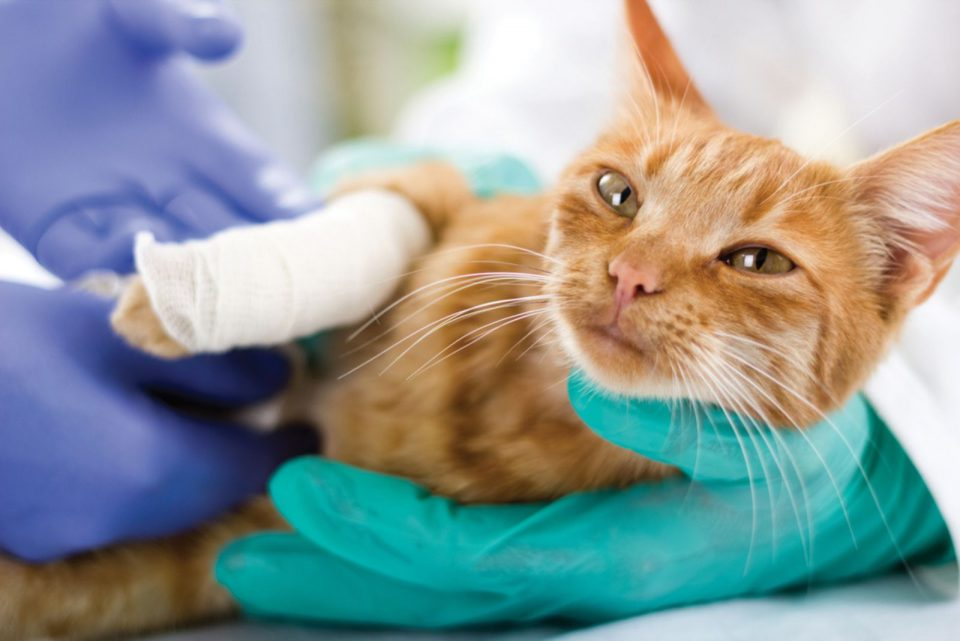
A broken leg may look obvious, but the veterinarian needs to determine the exact location and severity of the fracture before choosing a treatment.
The examination may include physical checks, sedation when necessary, and X-rays. Imaging helps identify the damaged bone and shows whether the broken sections have moved out of their normal position.
Different Types of Bone Fractures
Veterinarians classify fractures according to the pattern and position of the break.
Simple Fractures: These involve a single break in the bone.
Comminuted Fractures: The affected bone breaks into several separate pieces.
Fractures can also be described by their alignment:
- Nondisplaced: The broken bone sections remain close to their normal position.
- Displaced: The bone sections have shifted away from their correct alignment.
Another important distinction is whether the fracture is open or closed. An open fracture involves a wound communicating with the broken bone, while a closed fracture does not expose the bone through the skin.
Common Treatment Methods
The veterinarian will select a treatment based on the injury and your cat’s individual needs.
1. Rest and Restricted Movement
Some stable fractures can heal without surgery. Your veterinarian may recommend strict rest in a confined, comfortable area to prevent unnecessary movement.
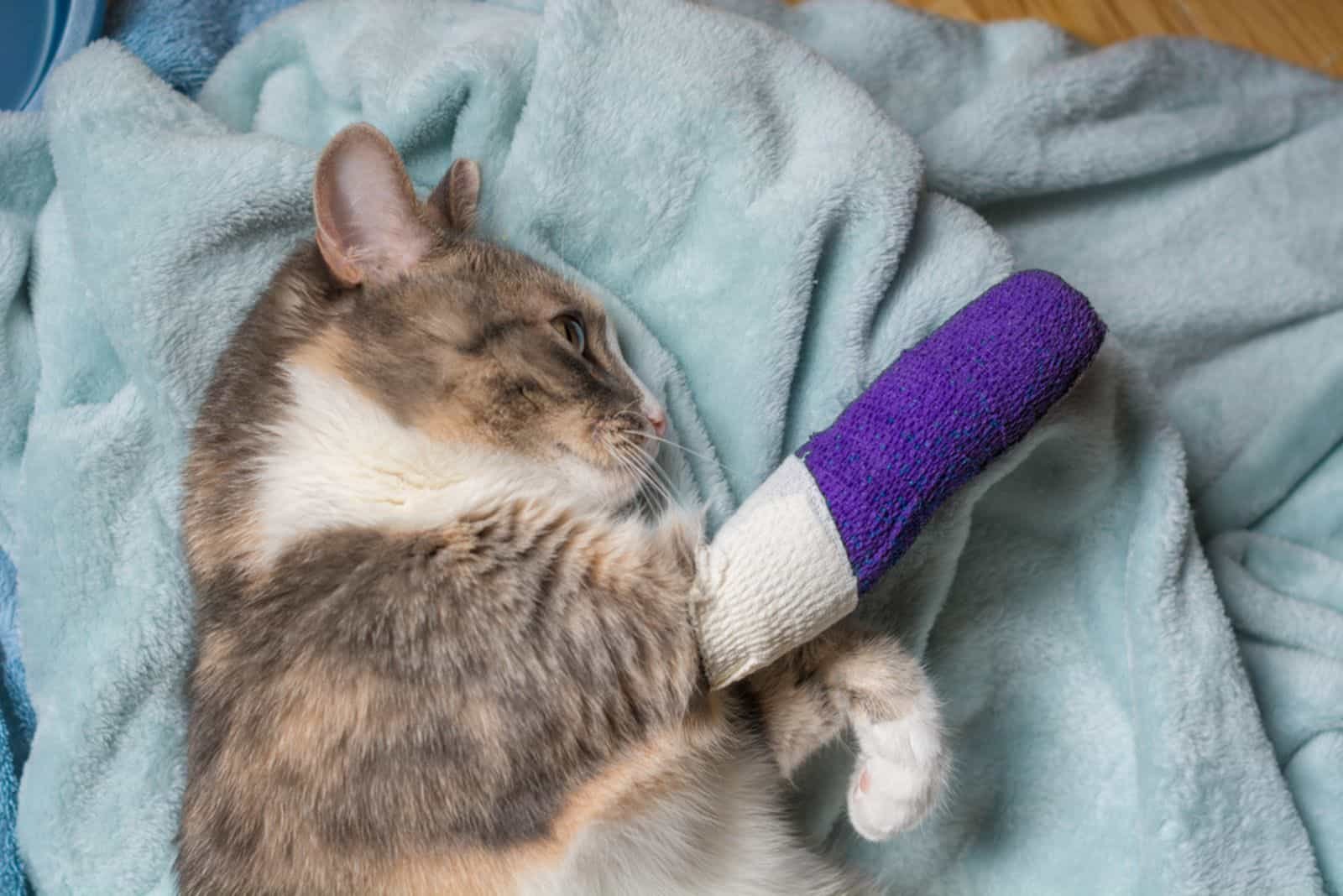
Splints or supportive bandages may also be used when appropriate. Veterinary-prescribed pain medication can help your cat remain comfortable during recovery.
2. Surgical Repair
More complicated fractures may require an operation. The surgeon can reposition the broken bone sections and use medical implants, such as pins, plates, or screws, to keep them stable.
Recovery may take several weeks or longer. Your veterinarian will provide medication and instructions for managing your cat after surgery.
3. Amputation
In rare and severe cases, the damaged leg may not be possible to repair. Your veterinary surgeon may recommend removing the affected limb if it is too badly injured or cannot be saved.
This can be difficult news for any pet owner. However, amputation may sometimes offer the best chance of relieving pain and improving quality of life.
Cats often adapt remarkably well to life on three legs. With proper care and rehabilitation, many continue to walk, play, and enjoy their usual activities.
Recovery Guide for Cats With a Broken Leg
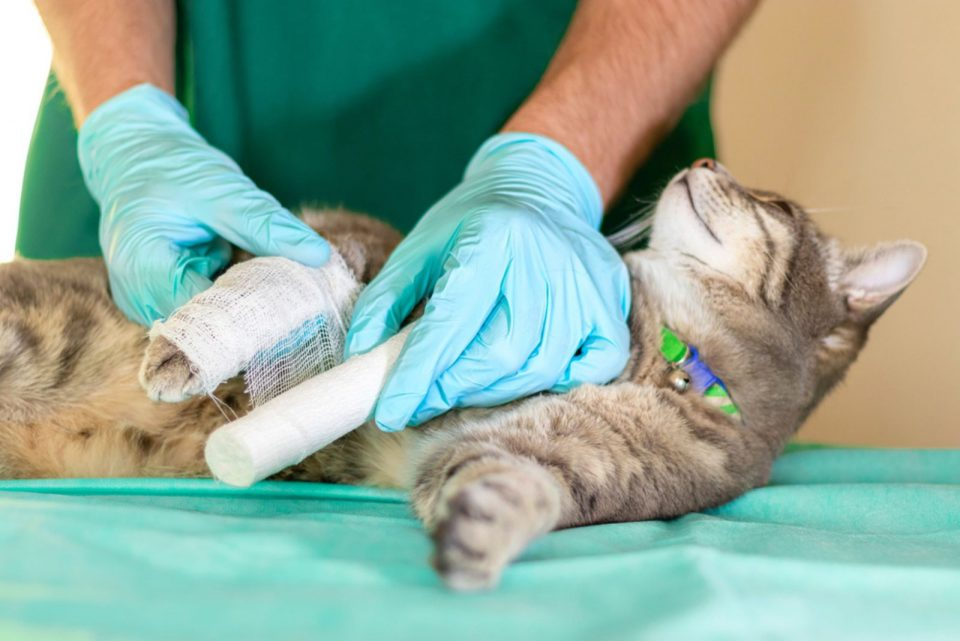
Recovery time depends on the type of fracture, the treatment used, and your cat’s overall health.
Your veterinarian will explain how to care for your pet at home. Follow these instructions carefully and attend all recommended follow-up appointments.
Here are some important ways to support your cat during recovery.
1. Create a Quiet Recovery Space
Choose a warm, comfortable room where your cat can rest without interruptions. Limit access to stairs, furniture, and other places that encourage jumping.
Keep essential items nearby, including:
- Fresh drinking water.
- Nutritious cat food.
- A clean litter box with easy access.
- Comfortable bedding.
- Favorite toys that do not encourage running or jumping.
A suitable recovery pen or large crate may help restrict movement when recommended by your veterinarian.
2. Follow the Recommended Diet
Good nutrition supports your cat’s general health during recovery. Offer complete and balanced cat food that provides the protein, vitamins, and minerals your pet needs.
Calcium and phosphorus are important for healthy bones, but adding extra supplements is not always necessary. Only use supplements if your veterinarian recommends them.
Make sure your cat eats regularly and has constant access to fresh water.
3. Prevent Excessive Movement
Cats naturally enjoy jumping, chasing, and exploring. However, these activities can interfere with fracture healing.
Keep your pet away from high furniture and climbing structures until the veterinarian approves normal activity.
If your cat becomes restless, provide quiet attention and gentle interaction. Avoid games that encourage sudden movements.
4. Attend Follow-Up Veterinary Appointments
Regular checkups allow your veterinarian to monitor bone healing and identify complications.
Your cat may need additional X-rays to confirm that the fracture is healing correctly. Keep following the prescribed medication and wound-care instructions.
Never remove a splint or bandage without veterinary guidance.
Final Thoughts
A broken leg can be frightening for both cats and their owners. However, recognizing the warning signs and seeking veterinary help quickly can make a significant difference.
Watch for limping, swelling, unusual leg positioning, wounds, excessive hiding, reduced appetite, and sudden changes in behavior.
If you suspect a fracture, do not attempt to treat it yourself. Place your cat carefully inside a carrier and arrange an emergency veterinary examination.
Treatment may involve restricted movement, supportive bandages, surgery, or, in rare cases, amputation. The right approach depends on the severity of the injury.
During recovery, provide a peaceful environment, balanced meals, and plenty of gentle attention. Follow your veterinarian’s instructions and attend every recommended checkup.
With appropriate treatment and consistent home care, many cats recover well and return to their favorite activities.