The Best Low-Maintenance Pets for Busy People

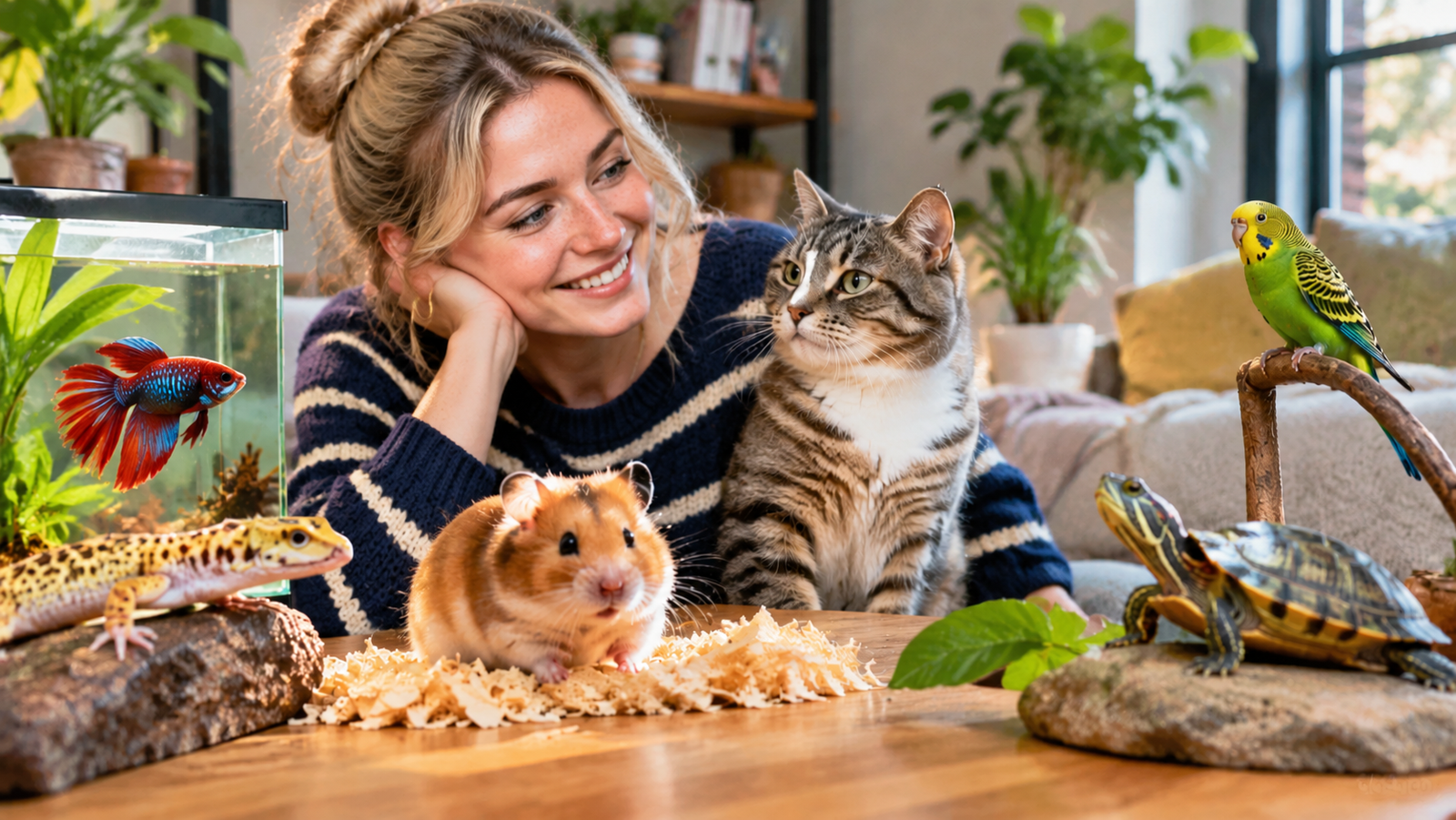
Life can get pretty hectic when you’re balancing work, family, social commitments, and everyday responsibilities. But having a busy schedule doesn’t mean you have to miss out on the joy of owning a pet.
Pets bring companionship, comfort, and happiness into our lives. Even spending a few quiet moments with an animal after a long day can make a difference.
Advertisement – Continue Reading Below
The good news is that some pets have relatively simple care requirements compared to others. While every animal needs proper attention, nutrition, a clean environment, and regular health care, certain pets may fit more comfortably into a busy lifestyle.
If you’re looking for a furry, feathered, or even scaly companion, here are some of the best low-maintenance pets for busy people, along with their care requirements and what you should consider before bringing one home.
1. Cats
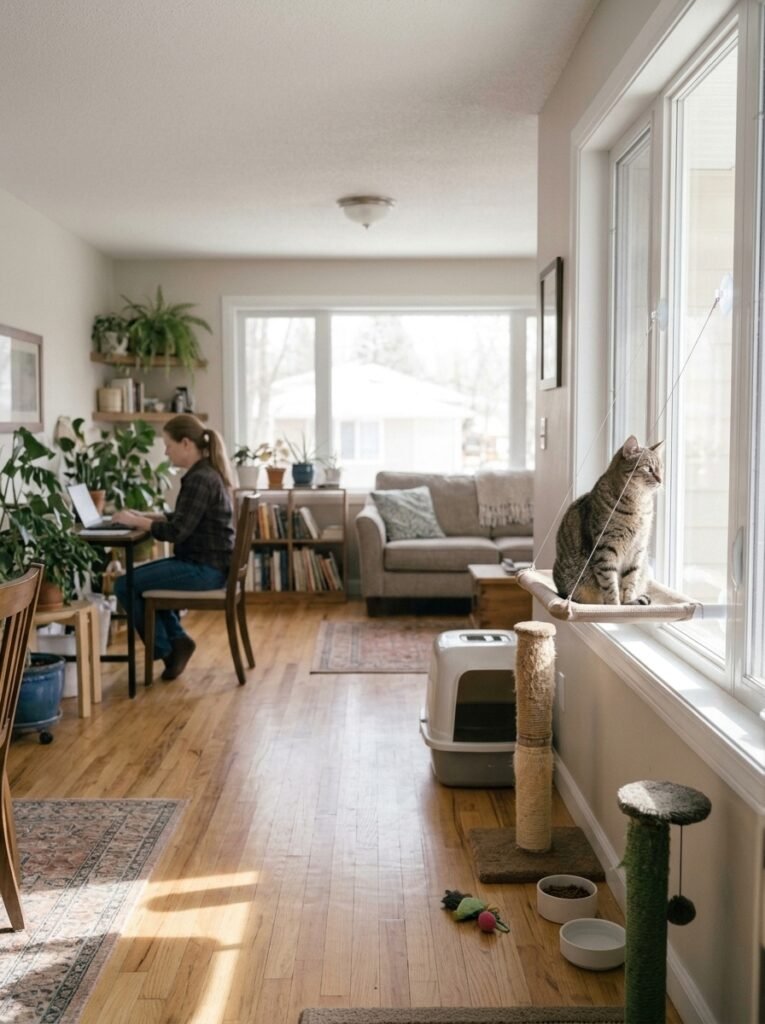
Cats are often considered one of the best pets for people with busy schedules. Unlike dogs, most healthy adult cats don’t require daily outdoor walks or constant supervision.
They are generally independent animals that enjoy exploring, resting, and entertaining themselves throughout the day.
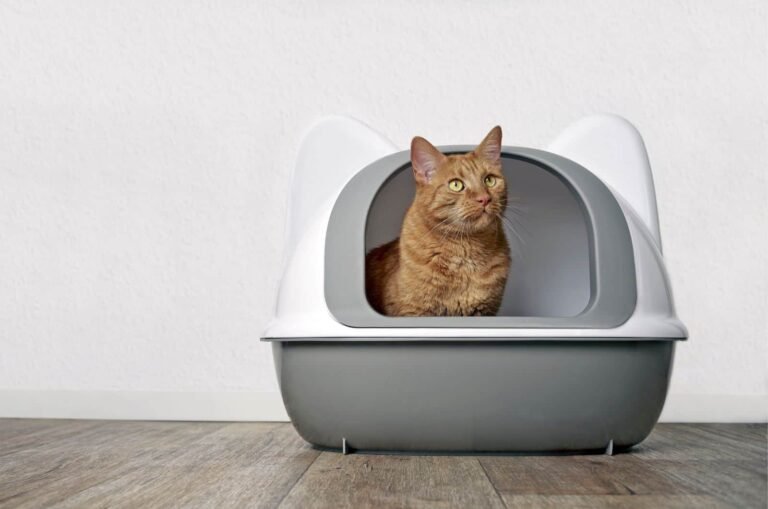
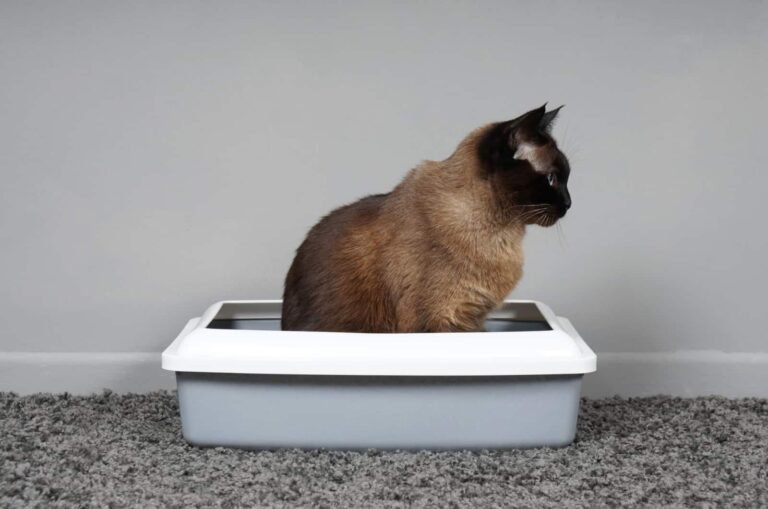
However, cats still need fresh food and water, a clean litter box, daily interaction, and opportunities for exercise. Interactive toys, scratching posts, and climbing structures can help keep them mentally and physically stimulated.
Why they’re suitable: Cats can comfortably spend some time alone when their needs are met, making them a practical choice for people who work outside the home.
Care tip: Scoop the litter box daily, provide fresh water, and spend quality time playing with your cat every day.
2. Betta Fish
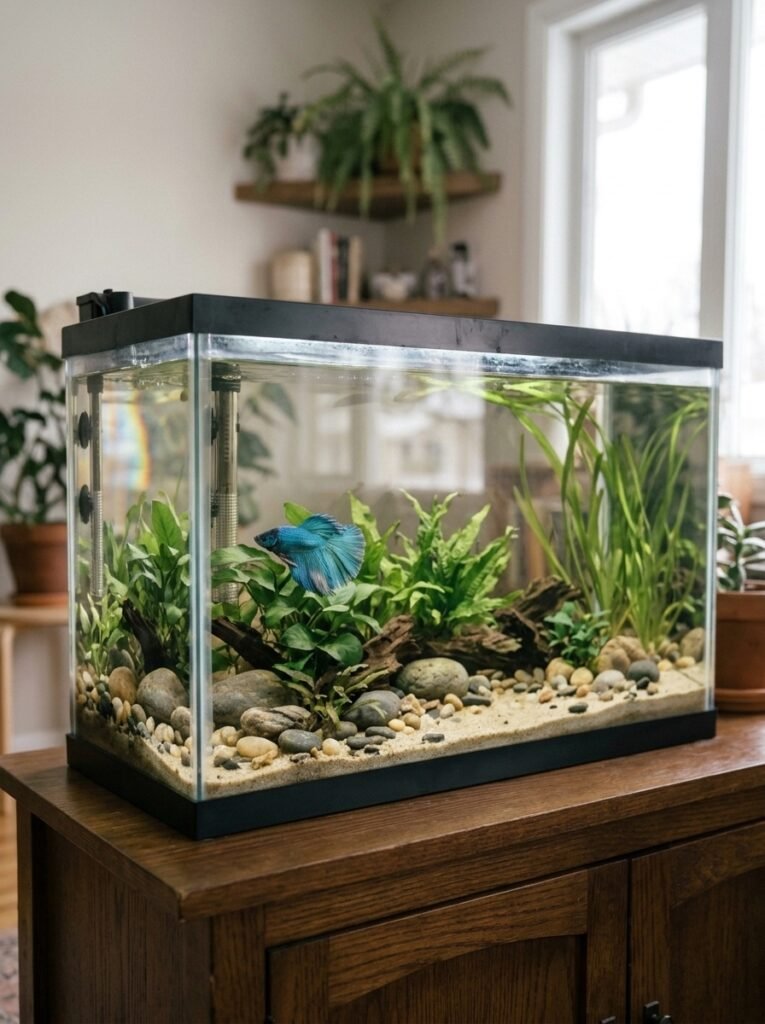
Betta fish are popular among people who enjoy watching aquatic animals without taking on the responsibilities of caring for a larger pet.
Their vibrant colors and flowing fins make them beautiful additions to a properly maintained aquarium.
Although bettas are relatively small, they still need a suitable environment. A heated, filtered aquarium with appropriate water conditions is essential. They should never be kept in tiny decorative bowls.
Regular feeding, water testing, and partial water changes are also important for keeping them healthy.
Why they’re suitable: They don’t need walks, grooming, or physical interaction, although their aquarium requires regular maintenance.
Care tip: Provide a properly sized, heated, filtered aquarium and avoid overfeeding.
3. Leopard Geckos
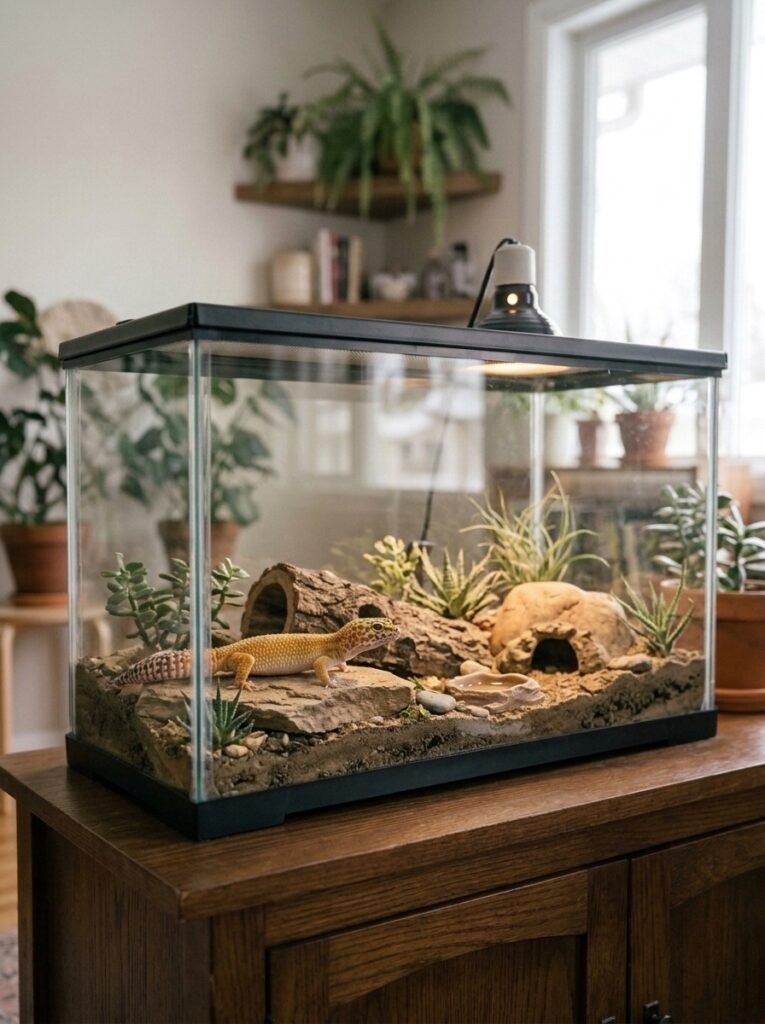
If you enjoy reptiles, a leopard gecko may be worth considering. These small lizards are generally quiet and don’t require constant attention.
Leopard geckos are typically solitary and spend much of their time resting in their enclosure. They also don’t need daily walks or extensive social interaction.
However, their habitat must be carefully maintained. They need suitable heating, temperature gradients, hiding places, appropriate substrate, and access to fresh water.
They eat live insects, so owners must be comfortable providing suitable feeder insects and appropriate supplementation.
Why they’re suitable: They are quiet, don’t require constant companionship, and have relatively straightforward daily care once their habitat is properly established.
Care tip: Research their heating, lighting, diet, and veterinary requirements before bringing one home.
4. Guinea Pigs
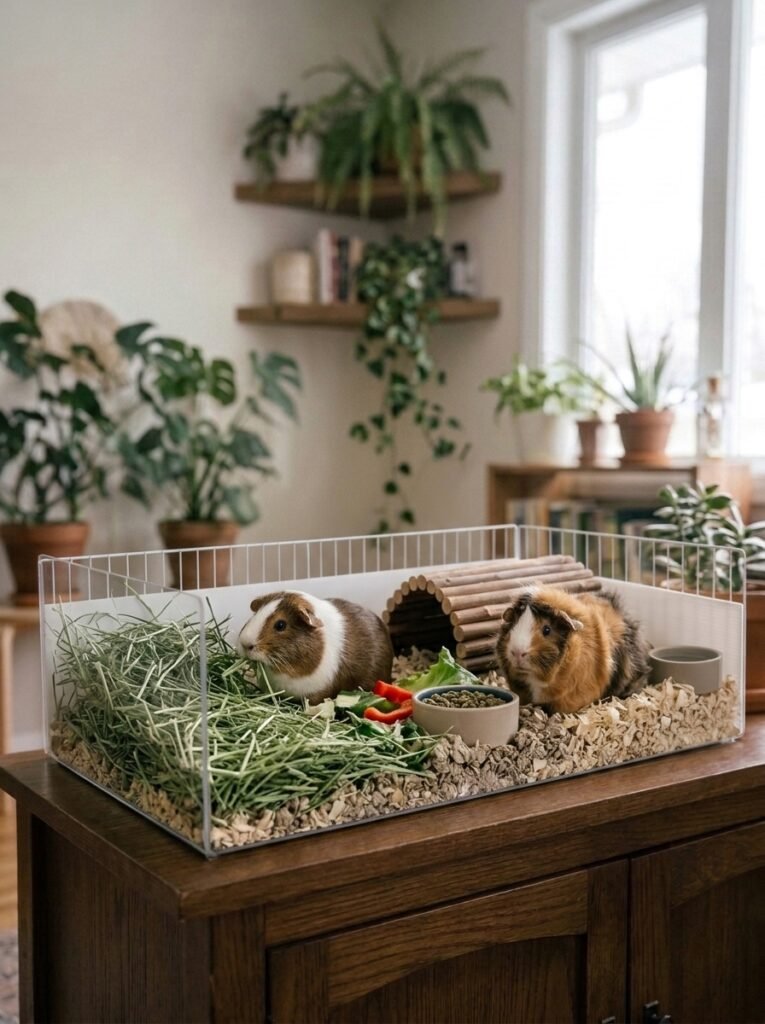
Guinea pigs are friendly, gentle animals that can make wonderful companions. They have charming personalities and often become comfortable with regular, gentle handling.
However, they aren’t as low-maintenance as some people assume. Guinea pigs are social animals and generally do best with a compatible companion.
They need a spacious enclosure, unlimited access to good-quality hay, fresh water, appropriate pellets, and daily vegetables that provide vitamin C.
Their enclosure also needs frequent cleaning to maintain good hygiene.
Why they’re suitable: They are relatively quiet, don’t need outdoor walks, and can be rewarding companions for people who have time for daily care.
Care tip: Consider adopting a compatible pair and make sure you can provide daily interaction and cleaning.
5. Hamsters
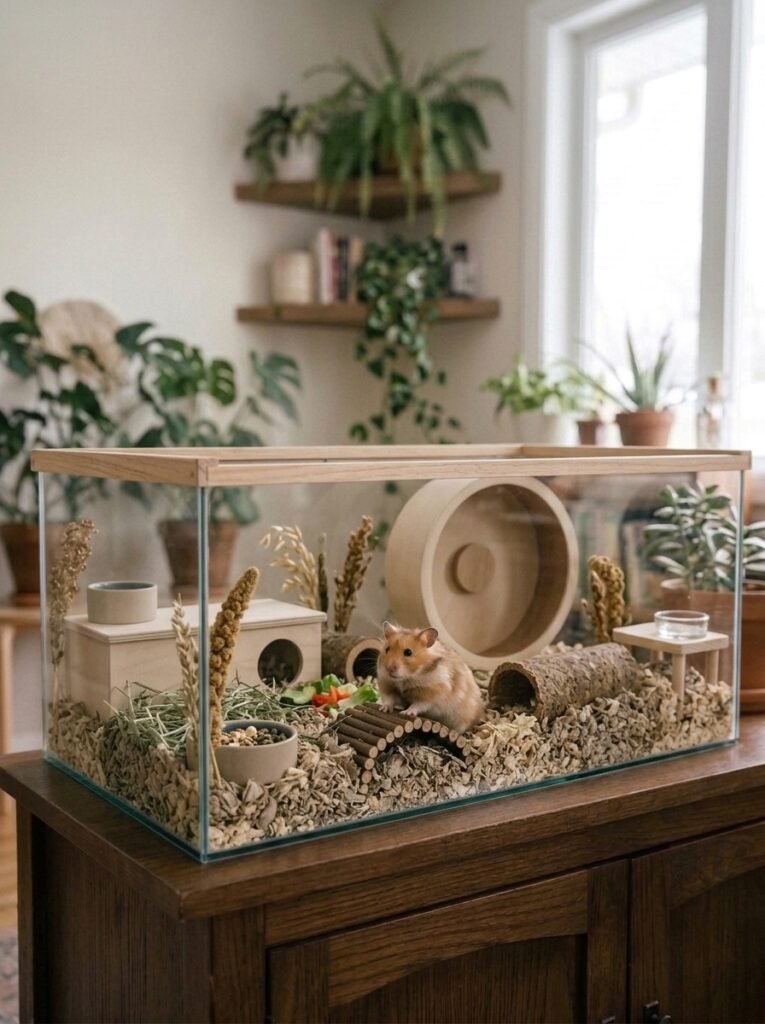
Hamsters are small, adorable pets that appeal to people who want a compact companion.
They don’t need outdoor exercise, and much of their activity takes place inside their enclosure. Most hamsters are also naturally more active during the evening and nighttime.
A proper hamster habitat should include deep, safe bedding for burrowing, an appropriately sized exercise wheel, hiding places, and enrichment activities.
Keep in mind that hamsters are generally solitary animals and should usually be housed individually. They also need regular feeding, fresh water, and enclosure maintenance.
Why they’re suitable: They are relatively independent and don’t require constant human interaction.
Care tip: Respect their sleeping schedule and avoid waking them unnecessarily during the day.
6. Turtles
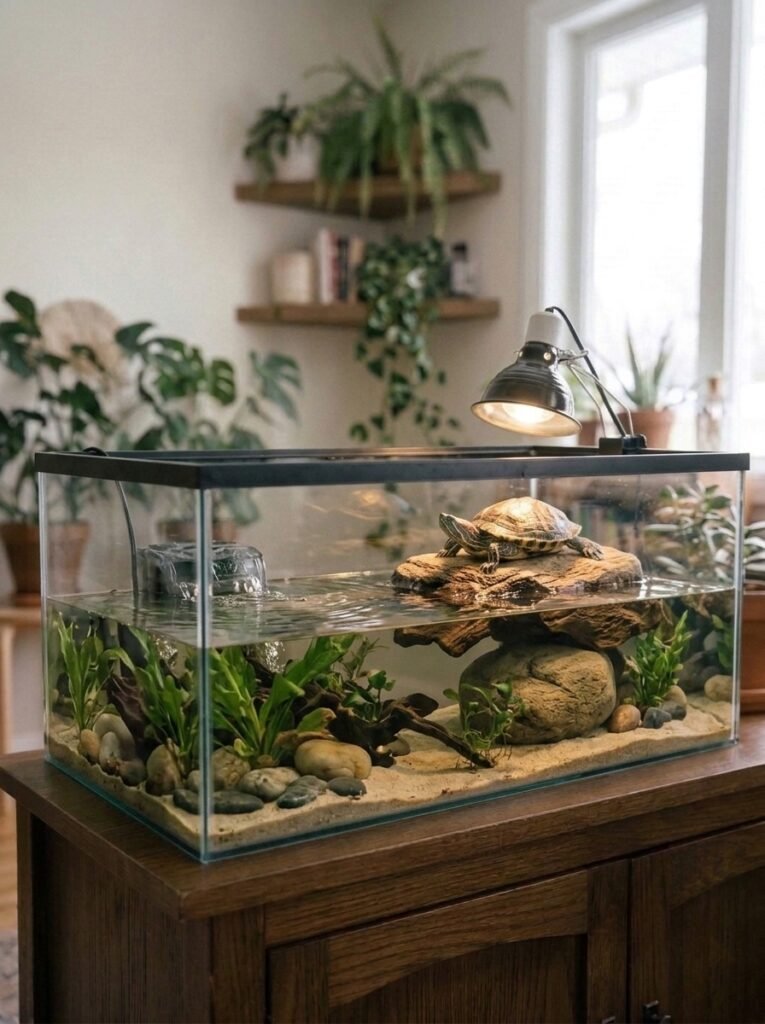
Turtles can be fascinating pets, especially for people who enjoy observing animals rather than handling them frequently.
However, turtles are not as effortless as many people believe. Aquatic species need appropriately sized tanks, clean filtered water, suitable heating, basking areas, and species-specific lighting.
Their diets also vary depending on their species and age.
Some turtles can live for several decades, so adopting one is a serious long-term commitment.
Why they’re suitable: They don’t require daily walks or frequent physical interaction.
Care tip: Research the exact species before adoption, including its adult size, lifespan, habitat requirements, and legal restrictions.
7. Snails
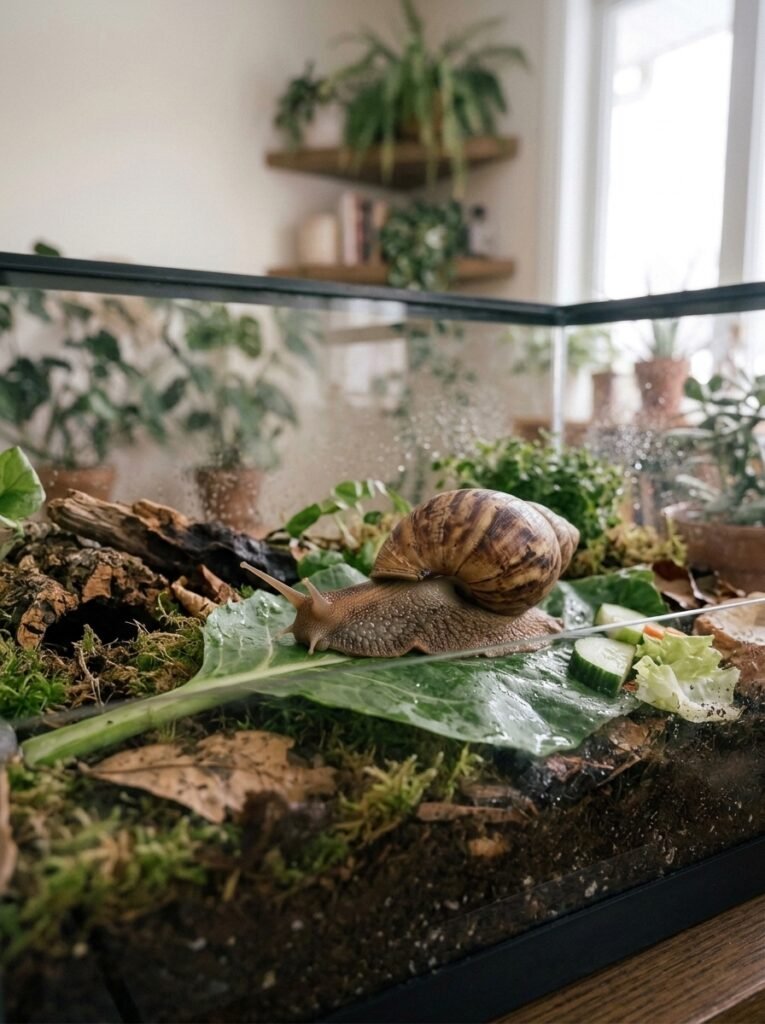
Land snails can be interesting pets for people who enjoy observing small creatures.
They don’t need walks, grooming, or constant companionship. Their enclosure can also be relatively simple to maintain when properly designed.
However, they still need appropriate humidity, ventilation, suitable substrate, fresh food, and a reliable calcium source for shell health.
Not all snail species are suitable or legal to keep as pets. Some can also become invasive if released outdoors.
Why they’re suitable: They are quiet, require little direct interaction, and are fascinating to observe.
Care tip: Choose a legally permitted species and never release captive snails into the environment.
8. Pigeons
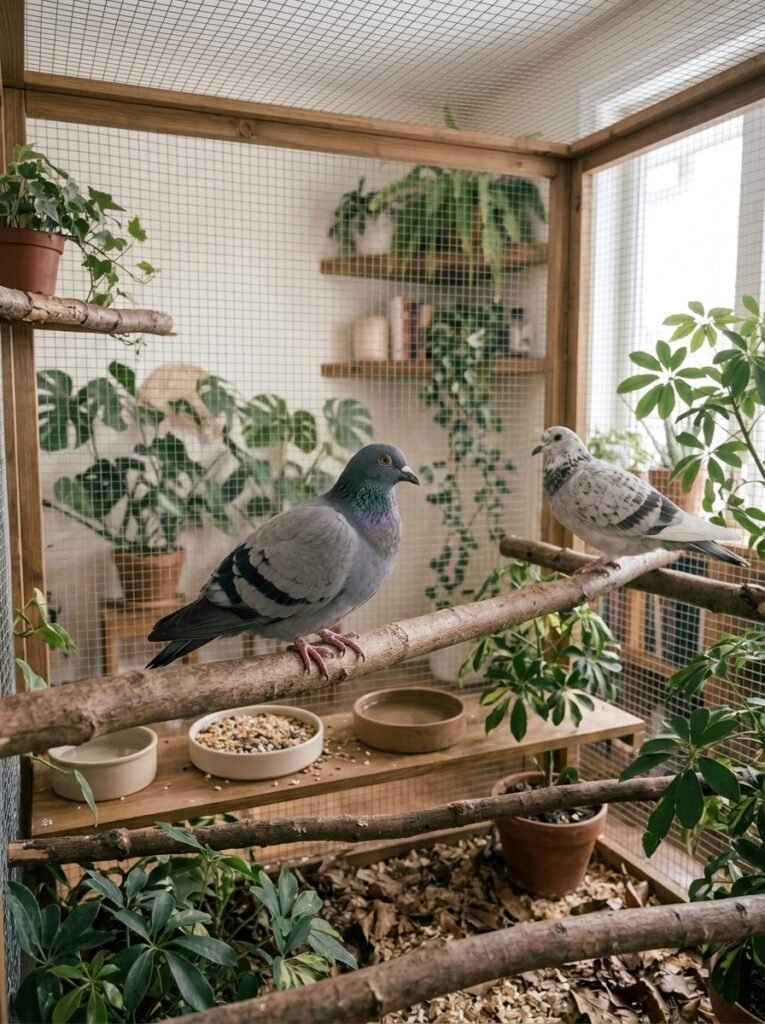
Pigeons may not be the first animals that come to mind when considering a pet, but domesticated pigeons can be affectionate and intelligent companions.
Some enjoy interacting with their owners and can become comfortable with gentle handling.
They need a spacious, secure enclosure, suitable pigeon food, fresh water, regular cleaning, and opportunities for exercise.
Pigeons are also social birds, so their companionship needs should be considered before adoption.
Why they’re suitable: They don’t need outdoor walks and can be rewarding companions for people who enjoy birds.
Care tip: Learn about their social and housing requirements, and arrange regular avian veterinary care.
9. Hermit Crabs
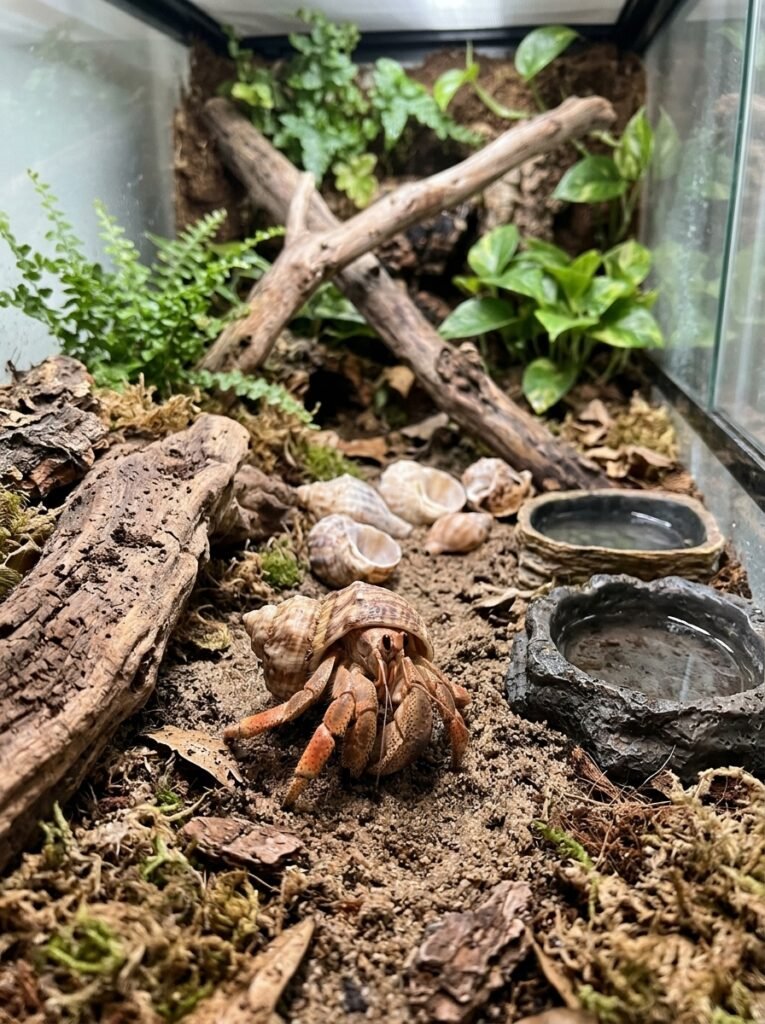
Hermit crabs are unusual little animals with fascinating behaviors. Watching them explore their environment and change shells can be entertaining.
However, they need more specialized care than many people expect.
A suitable habitat requires controlled humidity, appropriate temperature, deep substrate for molting, fresh and saltwater pools, climbing opportunities, and several suitable empty shells.
Hermit crabs are social animals and generally need compatible companions.
Why they’re suitable: They don’t require walks or regular handling and can be interesting pets for observant owners.
Care tip: Research their habitat requirements carefully and avoid purchasing one as a simple decorative pet.
10. Budgies
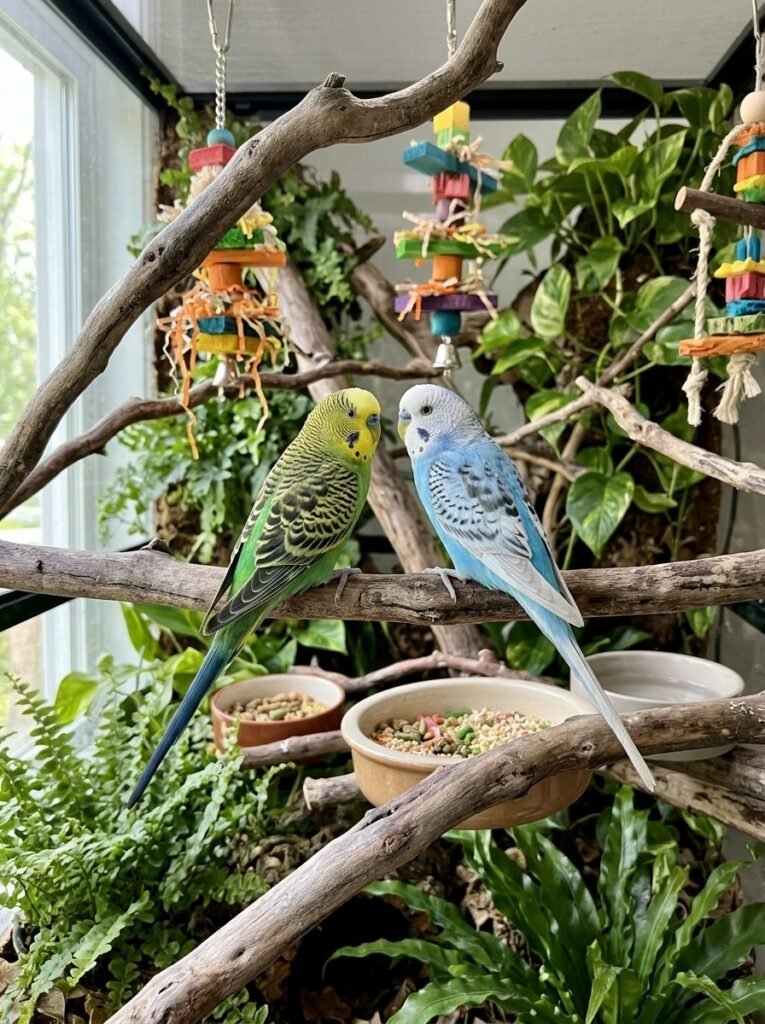
Budgies, also known as budgerigars, are small and intelligent parrots. They can learn sounds, whistles, and even simple words with regular positive interaction.
Their small size makes them appealing to people who live in apartments or have limited space.
However, budgies are social birds and need daily attention, mental stimulation, toys, and opportunities for safe exercise outside their cage.
They also require a balanced diet, fresh water, and regular cleaning of their living area.
Why they’re suitable: They are relatively small, don’t require outdoor walks, and can provide plenty of companionship.
Care tip: Never assume a small bird needs little attention. Consider their social needs before deciding whether to adopt one.
How to Choose the Right Low-Maintenance Pet

Finding the best pet for your lifestyle requires more than choosing an animal that looks easy to care for.
Before making a decision, consider how much time, money, and attention you can realistically provide.
Here are a few important questions to ask yourself:
- How much time do I have? Even independent animals need daily feeding, cleaning, and health checks.
- What is my budget? Consider food, housing, veterinary care, and emergency expenses.
- How much space can I provide? Some pets need large enclosures, aquariums, or dedicated play areas.
- Do I want an interactive companion? Cats, birds, and guinea pigs may offer more interaction than animals that are primarily observed.
- Am I ready for a long-term commitment? Some pets can live for many years or even decades.
- Are there local restrictions? Check local laws and housing rules before choosing an exotic animal.
The best low-maintenance pet is one whose needs fit your lifestyle without compromising its well-being.
Tips for Caring for a Pet When You’re Busy

Having a busy schedule doesn’t mean you have to compromise on your pet’s care. A little organization can make daily responsibilities easier to manage.
Here are some practical ways to stay on top of your pet care routine:
Create a daily schedule: Set regular times for feeding, cleaning, and interaction. Consistency helps you remember important responsibilities.
Prepare supplies in advance: Keep food, cleaning products, bedding, and other essentials stocked so you don’t run out unexpectedly.
Use pet-safe enrichment toys: Puzzle feeders, climbing structures, and appropriate toys can help prevent boredom.
Arrange backup care: Have a trusted friend, family member, or qualified pet sitter available when you’re traveling or working longer hours.
Schedule regular veterinary visits: Preventive healthcare is important, even for animals that appear healthy.
Most importantly, don’t choose a pet simply because it requires less attention. Every animal deserves a safe home and proper care.
Frequently Asked Questions
What is the easiest pet to care for when you work full-time?
A healthy adult cat may be a suitable choice for many full-time workers because cats are often comfortable spending part of the day independently. However, they still need daily feeding, clean litter, playtime, and companionship.
The right choice depends on your schedule and the individual animal.
What is the lowest-maintenance pet for a small apartment?
Cats, properly housed hamsters, and certain small reptiles may suit apartment living. However, the available floor space is only one consideration.
Make sure you can provide the appropriate habitat, enrichment, and veterinary care before choosing a pet.
Are fish good pets for busy people?
Fish can be suitable for people who enjoy observing animals rather than interacting with them physically. However, aquariums require regular cleaning, water testing, filtration, and careful feeding.
A properly maintained aquarium is essential for fish health.
Can I leave my pet alone while I’m at work?
Some healthy adult cats and certain other independent pets can manage a normal workday when their needs are properly met. However, young animals, social species, and pets with medical needs may require more frequent attention.
Never assume that a pet can be left alone indefinitely.
What pets should busy beginners avoid?
High-energy dogs, animals with highly specialized care requirements, and highly social pets that need extensive daily interaction may be challenging for people with very limited free time.
This doesn’t mean beginners should never choose them. It means you should understand their needs and honestly assess whether you can meet them.
Final Thoughts
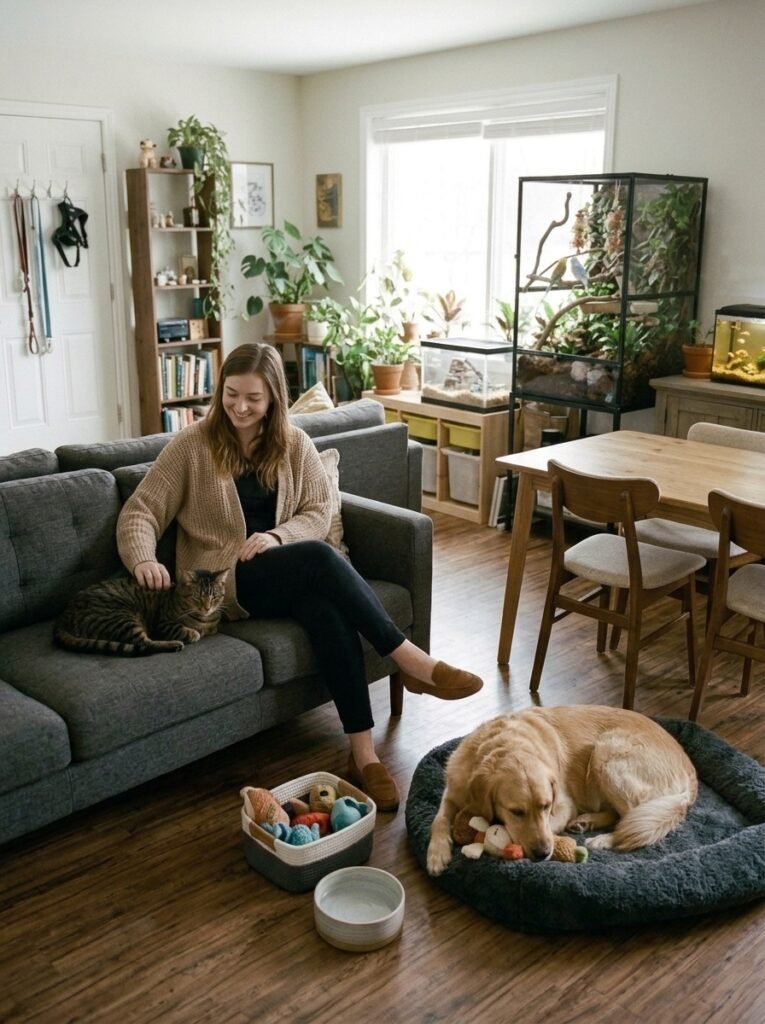
Owning a pet can make life more enjoyable, even when your schedule is packed. The key is choosing a companion whose care requirements fit your lifestyle while still giving them everything they need to thrive.
Cats, betta fish, leopard geckos, hamsters, and other animals can be suitable options for busy people, but none are completely maintenance-free.
Before bringing an animal home, research its needs, prepare the right environment, and make sure you can commit to its long-term well-being.
Remember, the goal isn’t simply to find a pet that requires the least amount of work. It’s to find a companion you can care for responsibly while enjoying all the happiness that comes with having an animal in your life.