Cat Poop Color Chart: What Each Color Means

As a cat owner, you probably spend plenty of time making sure your furry companion eats well, stays active, and feels comfortable. But have you ever paid attention to what your cat leaves behind in the litter box?
Although checking your cat’s poop might not sound pleasant, it can reveal important information about their digestive health.
Advertisement – Continue Reading Below
Changes in stool color, texture, or frequency may indicate anything from a recent dietary change to an underlying medical condition.
That’s where a cat poop color chart becomes useful.
Understanding what different stool colors mean can help you recognize unusual changes, monitor your cat’s well-being, and know when professional veterinary care is necessary.
Let’s explore what healthy cat poop looks like and what different colors might tell you about your feline friend’s health.
Why Is a Cat Poop Color Chart Important?
Your cat’s digestive system plays an essential role in absorbing nutrients and eliminating waste.
When digestion is functioning normally, your cat’s stool generally has a consistent appearance.
However, changes in diet, hydration, intestinal function, and certain illnesses can affect how it looks.
A cat poop color chart helps you identify potential warning signs before they become more serious.
Regular litter box monitoring can help you:
- Recognize changes in digestive health.
- Identify possible constipation or diarrhea.
- Notice unusual stool colors.
- Monitor the effects of dietary changes.
- Provide useful information to your veterinarian.
Remember, stool color alone cannot diagnose a health problem. It is simply one of several clues about your cat’s overall condition.
Cat Poop Color Chart: What Different Colors Mean
The following chart explains common cat stool colors, their possible meanings, and when veterinary advice may be needed.
| Poop Color | Possible Meaning | Recommended Action |
|---|---|---|
| Brown | Generally normal digestion | Continue routine monitoring |
| Dark brown | Often normal, depending on diet | Monitor texture and consistency |
| Black and tarry | Possible digested blood | Seek urgent veterinary care |
| Red or bloody | Possible lower digestive tract bleeding | Contact your vet promptly |
| Yellow | Rapid digestion or digestive, liver, or bile-related problems | Contact your vet if unexplained or persistent |
| Green | Dietary changes, rapid intestinal transit, or bile-related issues | Consult your vet if persistent |
| Orange | Possible digestive or bile-related changes | Arrange veterinary advice |
| White or pale gray | Possible problems involving bile flow or digestion | Seek prompt veterinary assessment |
Each color provides a possible clue, but the accompanying symptoms are equally important.
1. Brown Cat Poop: A Sign of Healthy Digestion
Brown is generally considered the normal color of cat poop.
Healthy stool typically has a medium-to-dark brown appearance and a firm, well-formed texture.
It should be moist enough to pass comfortably without being watery or excessively hard.
The brown color develops partly because of bile pigments that change during digestion.
If your cat regularly produces brown, well-formed stools and behaves normally, their digestive system is likely functioning as expected.
However, even brown poop can indicate a problem when accompanied by ongoing diarrhea, constipation, or unusual mucus.
2. Black Cat Poop: A Warning Sign
If your cat’s stool appears unusually black, sticky, and tar-like, it may indicate a serious digestive problem.
Black, tarry stool is sometimes associated with digested blood from the stomach or upper intestines.
Possible causes include gastrointestinal inflammation, ulcers, and other conditions that cause internal bleeding.
Certain foods or medications may also darken stool, but it’s important not to assume that a black appearance is harmless.
What should you do?
Seek urgent veterinary care if you notice black, tarry poop, particularly if your cat also appears weak, has pale gums, vomits, or refuses food.
3. Red Cat Poop: What Does It Mean?
Finding red streaks or fresh blood in your cat’s poop can be alarming.
Bright red blood often originates from the lower digestive tract, rectum, or anal area.
Possible explanations include constipation, irritation, intestinal inflammation, parasites, or other digestive conditions.
Sometimes, hard stools can cause irritation when your cat strains during bowel movements.
However, visible blood should never be ignored.
Contact your veterinarian promptly for advice. Large amounts of blood, repeated bloody diarrhea, or blood accompanied by weakness require emergency care.
4. Yellow Cat Poop: Possible Digestive Changes
Yellow stool can sometimes occur when food moves through the digestive system faster than usual.
Dietary changes, intestinal irritation, and problems affecting nutrient absorption may contribute to unusual yellow coloration.
In some cases, liver, gallbladder, or pancreatic conditions can also affect stool color.
Pay attention to whether your cat has additional symptoms, including:
- Loose or watery poop.
- Reduced appetite.
- Vomiting.
- Weight loss.
- Unusual tiredness.
If yellow stool continues or appears alongside other symptoms, arrange a veterinary examination.
5. Green Cat Poop: Should You Worry?
Green-colored cat poop is less common than brown stool.
Sometimes, a greenish appearance may result from eating grass, consuming foods with certain colorings, or having food move rapidly through the intestines.
In other situations, green stool may be associated with digestive disturbances or changes involving bile.
If your cat seems healthy and the change occurred after eating something unusual, your veterinarian may recommend monitoring.
However, persistent green poop or green diarrhea deserves veterinary attention.
6. Orange Cat Poop: What Could Be Happening?
Orange-colored stool may be related to changes in digestion or bile pigments.
Some dietary ingredients can affect stool appearance, but persistent orange coloration may also occur with gastrointestinal or liver-related conditions.
If your cat’s poop repeatedly appears orange, especially alongside poor appetite, vomiting, or weight loss, contact your veterinarian.
Avoid attempting to treat the color change with home remedies before identifying its cause.
7. White or Gray Cat Poop: An Unusual Color
Very pale, gray, or clay-colored stool is not considered normal for cats.
This appearance may suggest changes in bile reaching the intestines or other problems affecting digestion.
Liver, gallbladder, and bile duct conditions are among the possible explanations.
If you notice genuinely white or pale gray stool, arrange prompt veterinary care.
Your veterinarian may recommend examinations or diagnostic tests to identify the cause.
What Should Healthy Cat Poop Look Like?
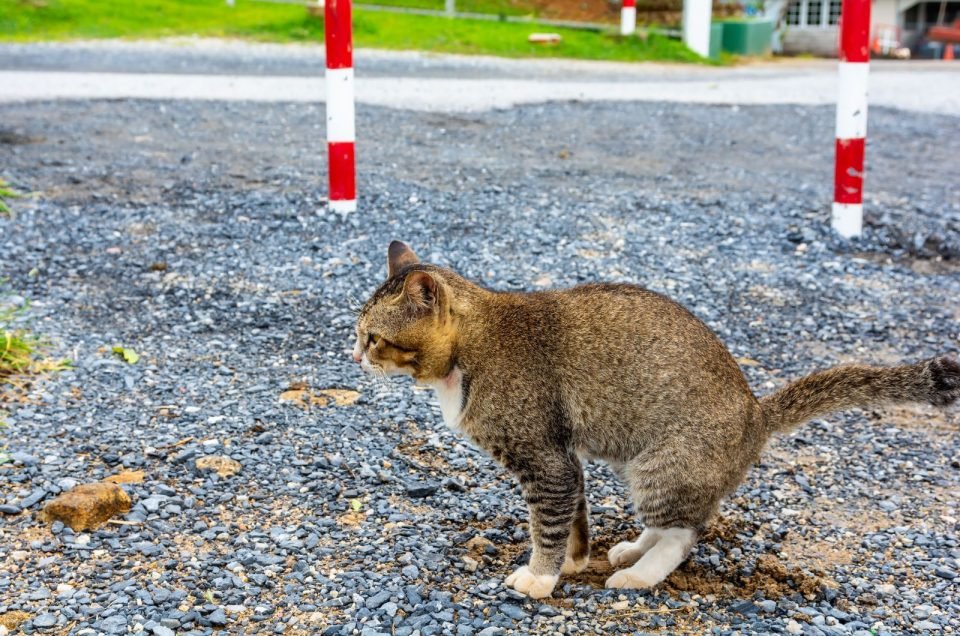
Color isn’t the only factor worth checking.
Healthy cat poop typically has several recognizable characteristics.
Color: Medium to dark brown.
Shape: Formed, sausage-like pieces.
Texture: Firm but not dry or rock-hard.
Frequency: Many adult cats poop around once daily, although normal patterns vary depending on diet, age, and individual habits.
Odor: Noticeable but not suddenly or persistently much stronger than usual.
Learning what’s normal for your cat makes unusual changes easier to recognize.
Cat Poop Consistency: What Texture Can Tell You
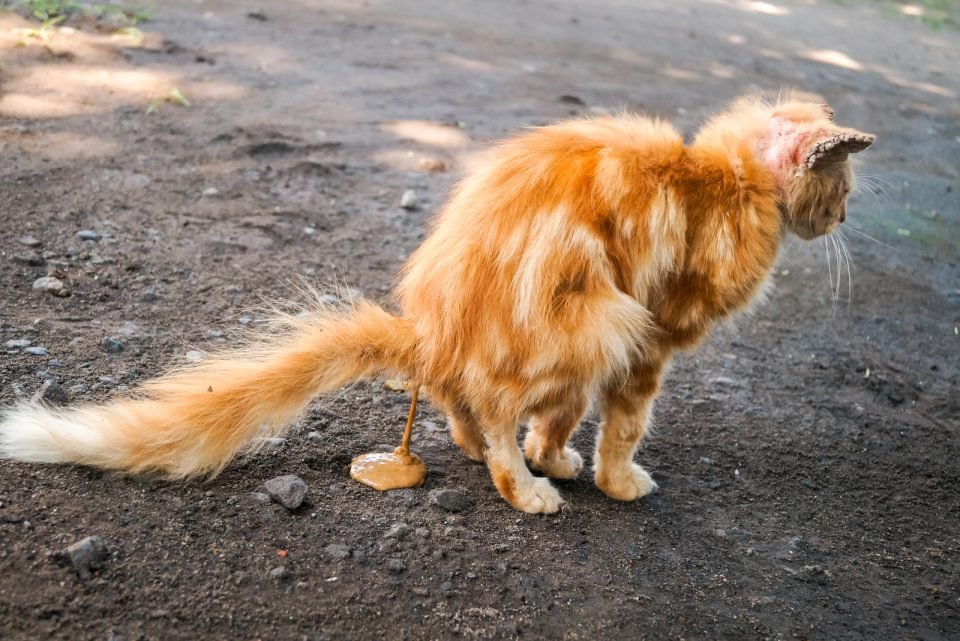
Along with color, the texture of your cat’s stool can provide useful information.
Hard, Dry Poop
Small, dry, or unusually firm pieces may indicate constipation.
Your cat might spend extra time in the litter box or strain while trying to pass stool.
Dehydration and certain underlying health problems can contribute to constipation.
Soft or Mushy Poop
Soft stool may develop after dietary changes, stress, or temporary digestive irritation.
If the problem continues, your veterinarian may investigate food intolerance, parasites, or intestinal disorders.
Watery Poop
Watery stool indicates diarrhea and can lead to dehydration, particularly in kittens, older cats, and cats with existing health conditions.
Contact your veterinarian if diarrhea persists, recurs, or is accompanied by other symptoms.
Seek urgent care for severe diarrhea, marked weakness, or repeated vomiting.
Common Causes of Unusual Cat Poop Colors
Several factors can influence the appearance of your cat’s stool.
Dietary changes: Switching foods too quickly may cause temporary digestive upset.
Food intolerance: Certain ingredients may not agree with your cat’s digestive system.
Intestinal parasites: Parasites can contribute to diarrhea and other stool changes.
Digestive inflammation: Irritation in the stomach or intestines may affect stool consistency and appearance.
Liver or bile-related conditions: Changes in bile production or flow can sometimes affect stool color.
Medications: Certain treatments may change stool appearance or digestive function.
Because many conditions produce similar symptoms, a veterinarian may need to perform tests to determine the underlying cause.
How to Maintain Healthy Digestion in Cats
Supporting digestive health begins with everyday care.
Feed a Balanced Diet
Choose complete and balanced cat food appropriate for your pet’s age and health requirements.
Make dietary changes gradually unless your veterinarian recommends otherwise.
Encourage Proper Hydration
Always provide access to clean, fresh water.
Wet food may also help increase water intake for some cats.
Keep the Litter Box Clean
A clean litter box makes it easier to observe changes in stool color, texture, and frequency.
It also encourages regular bathroom habits.
Monitor Your Cat’s Behavior
Pay attention to changes in appetite, activity, grooming, and litter box visits.
These details may help your veterinarian understand whether a stool change is part of a broader health problem.
Schedule Regular Veterinary Visits
Routine checkups and parasite prevention help support your cat’s long-term well-being.
When Should You Take Your Cat to the Veterinarian?
Not every minor change in stool appearance is an emergency.
However, certain symptoms require prompt professional attention.
Contact your veterinarian if you notice persistent unusual colors, repeated diarrhea, ongoing constipation, visible blood, or significant changes in appetite.
Seek emergency care for black, tarry stool, substantial bleeding, severe weakness, repeated vomiting, or signs of significant dehydration.
Important: If your cat is straining in the litter box and you cannot confirm that they are urinating normally, seek emergency veterinary care. A urinary blockage can look like constipation and is life-threatening.
Frequently Asked Questions
What color should healthy cat poop be?
Healthy cat poop is typically medium to dark brown. It should also be well-formed and relatively easy to pass.
Why is my cat’s poop yellow?
Yellow poop may occur with rapid intestinal transit, dietary changes, or certain digestive and bile-related conditions. Persistent changes should be evaluated by a veterinarian.
Is green cat poop dangerous?
Not always. Diet or rapid digestion can sometimes contribute to green stool. However, recurring green poop, diarrhea, or other symptoms require veterinary advice.
What does black cat poop mean?
Black, tarry poop can indicate digested blood from the upper digestive tract. This is a warning sign requiring urgent veterinary assessment.
How often should I check my cat’s poop?
Ideally, take a quick look whenever you scoop the litter box. Regular observation helps you notice unusual changes early.
Can cat food change poop color?
Yes. Ingredients, food coloring, and changes in diet can affect stool appearance. However, significant or persistent color changes should not automatically be attributed to food.
Final Thoughts
Understanding your cat’s poop color might seem like a small part of pet ownership, but it can provide valuable clues about digestive health.
A cat poop color chart makes it easier to distinguish normal brown stool from unusual colors that may require attention.
While occasional changes can occur, persistent abnormalities, blood, or unusual symptoms should never be ignored.
By paying attention to your cat’s litter box habits, providing balanced nutrition, and seeking veterinary guidance when necessary, you can play an important role in protecting your feline companion’s health.
Remember: A healthy cat starts with good everyday care, and even the smallest changes in the litter box can tell you something important.