Is MiraLAX Safe for Cats? 10 Things to Know

If your cat is struggling to use the litter box, passing small, hard stools, or going longer than usual without a bowel movement, you may be looking for a gentle solution.
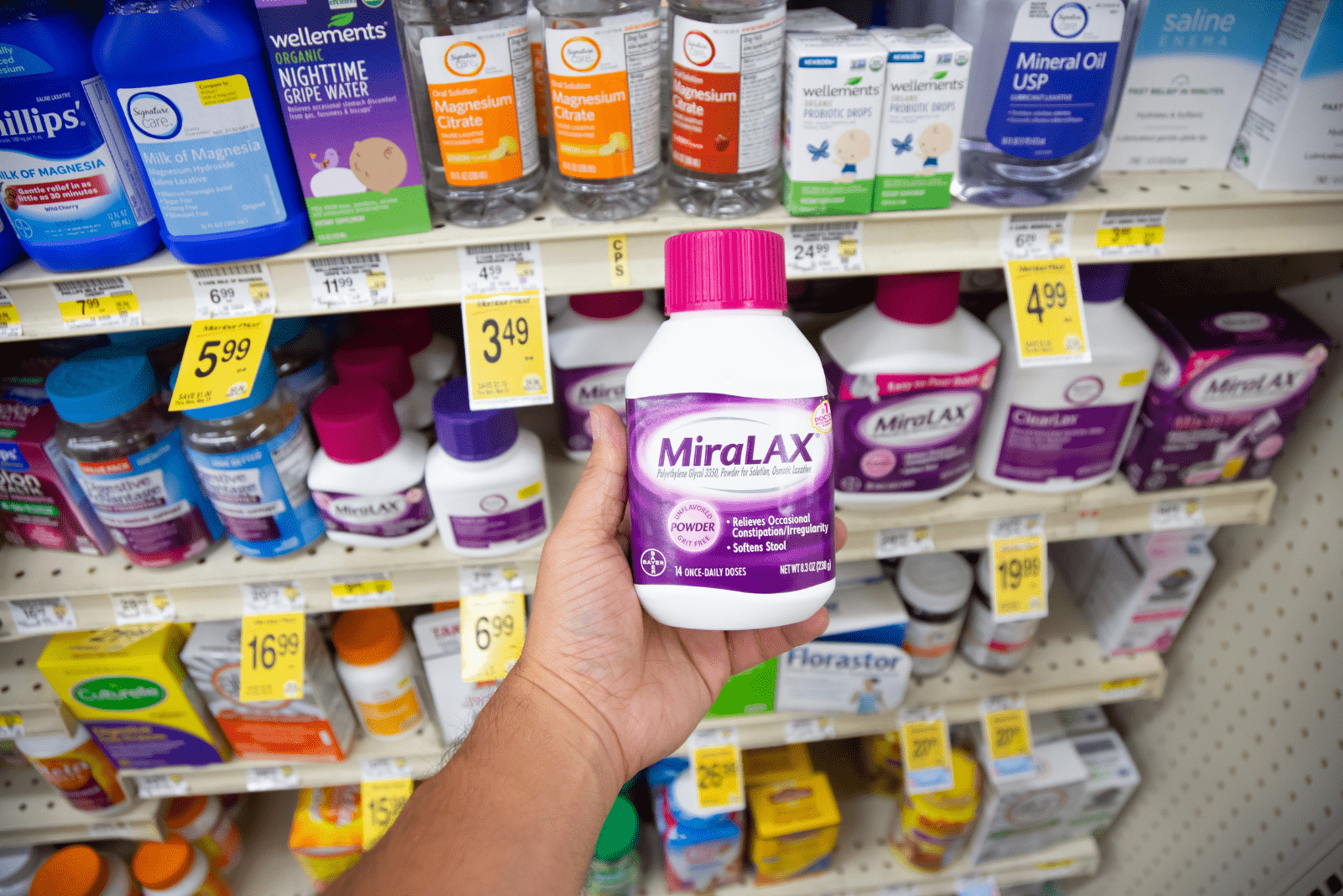
One product you might have heard about is MiraLAX, a popular over-the-counter laxative used by humans.
Advertisement – Continue Reading Below
But is using MiraLAX for cats safe?
The answer is yes, in certain situations. Veterinarians sometimes recommend MiraLAX to help cats experiencing constipation. However, it should only be used under veterinary guidance because not every cat is a suitable candidate.
Constipation can develop for several reasons, including dehydration, dietary changes, and underlying medical problems.
Understanding how MiraLAX works, its potential benefits, and the precautions involved can help you make informed decisions about your feline companion’s digestive health.
Here are 10 important things every cat owner should know before considering MiraLAX.
What Is MiraLAX for Cats?
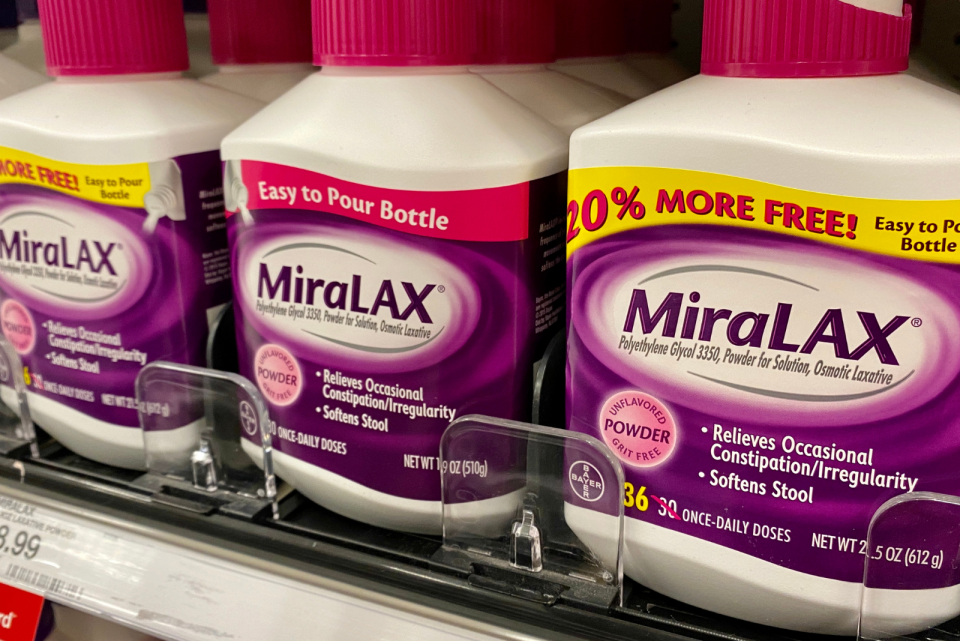
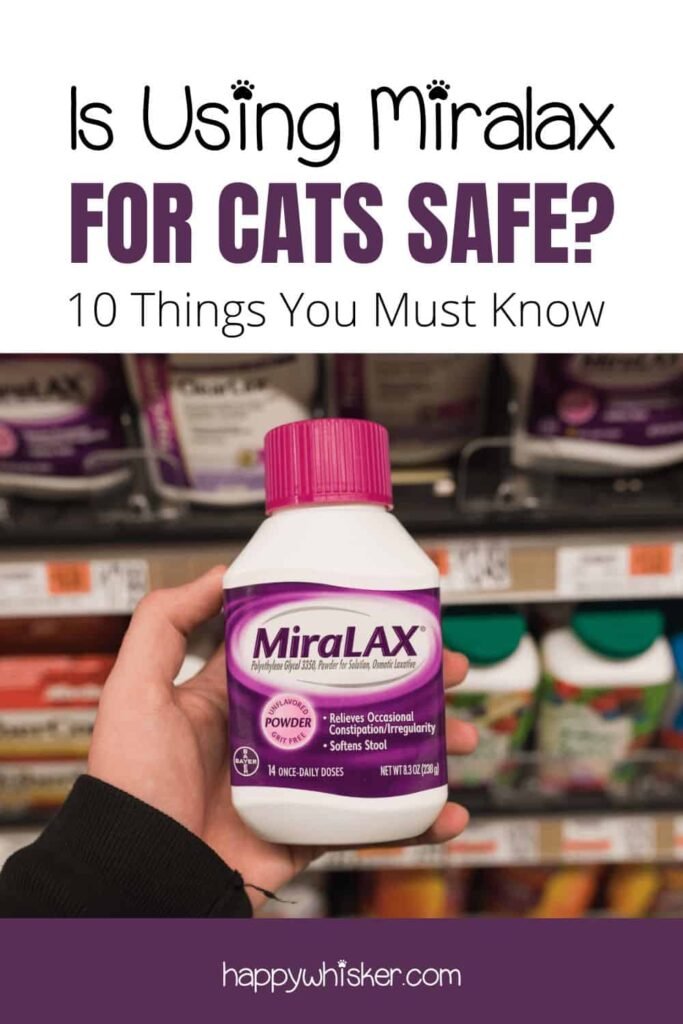
MiraLAX is a brand-name laxative containing polyethylene glycol 3350, commonly called PEG 3350.
It belongs to a group of medications known as osmotic laxatives.
These products work by retaining water in the intestines, helping soften stool and making bowel movements easier.
Although MiraLAX is marketed for human use, veterinarians sometimes prescribe plain PEG 3350 for cats experiencing constipation.
This is called off-label use, meaning the medication is being used for a purpose or species that differs from its original approval.
When recommended appropriately, it can be a useful part of a constipation treatment plan.
1. MiraLAX Can Be Safe for Cats With Veterinary Guidance
The first thing to understand is that MiraLAX is not automatically dangerous to cats simply because it is a human medication.
Veterinarians sometimes recommend plain polyethylene glycol 3350 to help manage feline constipation.
However, that doesn’t mean every constipated cat should receive it.
Your veterinarian needs to consider your cat’s age, medical history, hydration status, and the severity of the constipation.
Cats with suspected intestinal blockages or certain serious digestive conditions may require different treatment.
Important: Never begin giving your cat MiraLAX without first checking with your veterinarian.
2. MiraLAX Helps Soften Hard Stools
One reason veterinarians use MiraLAX for cats is its stool-softening effect.
When stool remains in the colon for too long, the body continues absorbing water from it.
As a result, the stool can become increasingly dry and difficult to pass.
MiraLAX helps retain moisture in the intestinal contents, allowing the stool to become softer.
This can make bowel movements more comfortable for cats experiencing uncomplicated constipation.
However, MiraLAX does not treat every cause of constipation and cannot safely resolve an intestinal obstruction.
3. Constipation Has Several Possible Causes
Before using any laxative, it’s helpful to understand why your cat might be constipated.
Common contributing factors include:
- Not drinking enough water.
- Dehydration associated with illness.
- Changes in diet.
- Reduced physical activity.
- Pain or difficulty using the litter box.
- Certain medications.
- Intestinal or pelvic abnormalities.
- Problems with normal colon movement.
Some cats also develop a condition called megacolon, in which the colon becomes enlarged and struggles to move stool effectively.
Because these causes require different approaches, persistent constipation should be evaluated by a veterinarian.
4. The Correct MiraLAX Dosage Is Important
One of the most common questions cat owners ask is, “How much MiraLAX can I give my cat?”
Veterinary references describe small amounts of PEG 3350 being used for feline constipation, but these are not universal dosing instructions.
The appropriate amount depends on your cat’s individual needs, medical condition, and response to treatment.
Giving too much can lead to excessive stool softening, diarrhea, and fluid loss.
Your veterinarian should specify the exact amount, how often to administer it, and when to stop or reassess treatment.
Avoid using the human dosage printed on the packaging.
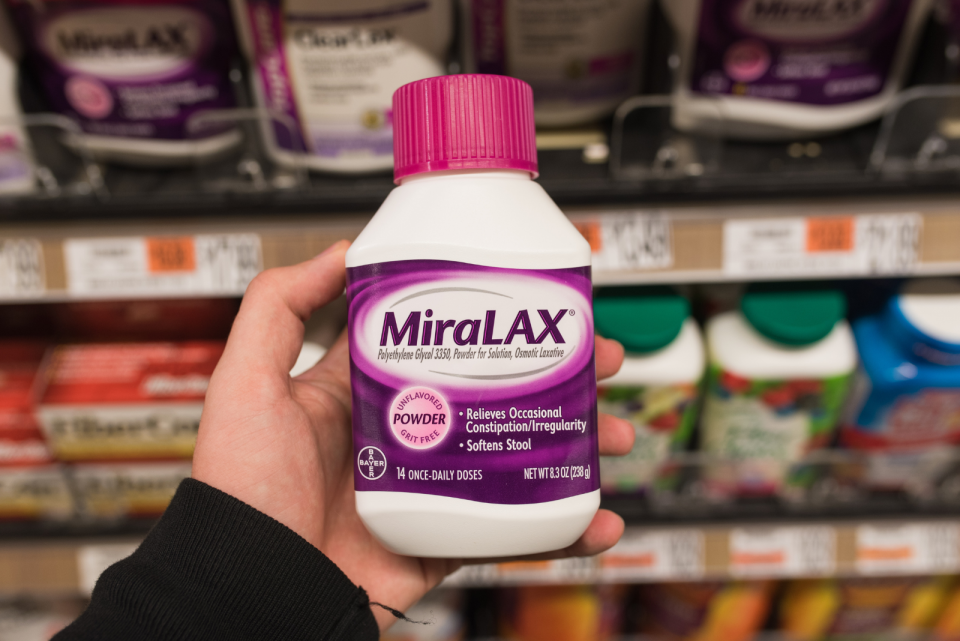
You should also confirm that the product contains plain PEG 3350 without additional active ingredients.
5. MiraLAX Is Usually Mixed With Cat Food
Plain MiraLAX typically comes as a powder that dissolves easily.
When a veterinarian recommends it, they may instruct you to mix the measured amount into your cat’s food.
Wet cat food can be particularly convenient because it already contains moisture.
Make sure you follow your veterinarian’s instructions and that your cat consumes the intended portion.
Avoid adding extra medication if your cat leaves some food behind.
Do not force-feed medication or mix it with unfamiliar products without professional guidance.
6. Hydration Is Extremely Important
Proper hydration is essential when managing feline constipation.
MiraLAX works by retaining water in the intestines, so a cat’s hydration status matters.
Dehydrated cats may need fluid therapy or other veterinary treatment before laxatives are appropriate.
To support healthy hydration, you can:
- Provide fresh drinking water every day.
- Place several water bowls around your home.
- Offer wet food when appropriate.
- Keep water bowls clean and easy to access.
- Consider a cat drinking fountain.
If your cat appears weak, has dry or tacky gums, or is drinking significantly less than usual, contact your veterinarian.
Hydration problems should not be managed with MiraLAX alone.
7. MiraLAX Can Cause Side Effects
Although PEG 3350 is generally well tolerated when appropriately prescribed, side effects are possible.
Some cats may experience:
- Loose stools.
- Diarrhea.
- Abdominal discomfort.
- Bloating.
- Nausea.
- Increased fluid loss.
These effects may occur if the amount is excessive or your cat responds more strongly than expected.
If your cat develops diarrhea, vomiting, discomfort, or unusual weakness during treatment, stop administering additional doses and contact your veterinarian for instructions.
Severe symptoms require prompt medical attention.
8. MiraLAX Is Not Suitable for Every Cat
Certain health conditions can make laxative treatment inappropriate or potentially harmful.
For example, MiraLAX should not be given to cats with suspected intestinal obstruction unless a veterinarian has assessed the situation and determined an appropriate treatment plan.
Special care is also necessary for cats with significant dehydration, serious illness, or recurring digestive problems.
Older cats and those with kidney disease may experience constipation, but they also require careful attention to hydration and other medical needs.
Veterinarians may recommend examinations, blood tests, or X-rays before beginning treatment.
The goal is to address the underlying problem rather than simply make stool easier to pass.
9. MiraLAX May Be Used for Chronic Constipation
Some cats experience occasional constipation, while others struggle with it repeatedly.
In certain cases, veterinarians use PEG 3350 as part of a longer-term management plan.
For example, a cat with recurring constipation may benefit from carefully monitored stool-softening treatment alongside dietary adjustments and hydration support.
However, long-term MiraLAX use should never become a substitute for identifying the cause of the problem.
Your veterinarian may need to monitor stool consistency, hydration, and treatment response.
Never increase the amount or continue treatment indefinitely without professional advice.
10. Know When Your Cat Needs Veterinary Attention
MiraLAX may be helpful for selected cases of constipation, but it is not an emergency treatment.
Seek veterinary advice if your cat repeatedly strains, produces unusually hard stools, or has not passed stool for approximately 48 hours.
You should seek urgent care if your cat shows:
- Repeated vomiting.
- Severe abdominal discomfort.
- A swollen or painful abdomen.
- Extreme tiredness or weakness.
- Loss of appetite with worsening symptoms.
- Repeated straining without producing urine.
A cat that cannot urinate needs emergency veterinary treatment. Urinary obstruction can sometimes be mistaken for constipation, especially when a cat repeatedly visits the litter box.
Never assume that straining automatically means your cat needs a laxative.
How Long Does MiraLAX Take to Work in Cats?
The time it takes for MiraLAX to produce results varies.
Some cats may show improvement within a day or two, while others take longer depending on the severity and cause of constipation.
The response also depends on hydration, intestinal movement, and the treatment plan recommended by the veterinarian.
If your cat continues straining or does not pass stool as expected, contact your veterinarian rather than increasing the amount yourself.
Severe constipation may require additional treatment, including fluids or professional removal of impacted stool.
Natural Ways to Support Healthy Bowel Movements in Cats
Along with veterinary-recommended treatment, several everyday habits may help support your cat’s digestive health.
Provide a Balanced Diet
Feed your cat complete and balanced food appropriate for their age and health.
Some cats benefit from dietary fiber, while others require a different nutritional approach.
Ask your veterinarian before adding fiber supplements or making major dietary changes.
Encourage Regular Activity
Gentle exercise and interactive play can support overall digestive health.
Provide toys, scratching posts, and safe opportunities for movement.
Keep the Litter Box Clean
Cats may avoid using a dirty or inconveniently located litter box.
Keep it clean and place it somewhere quiet and accessible.
Maintain Proper Water Intake
Fresh water and moisture-rich food can help support normal stool consistency.
Monitor Bathroom Habits
Pay attention to how frequently your cat passes stool and whether it appears unusually hard, dry, or small.
Regular observation can help you notice digestive changes early.
Frequently Asked Questions
Is MiraLAX toxic to cats?
Plain polyethylene glycol 3350 is not generally considered toxic when used appropriately under veterinary guidance. However, excessive amounts or use in cats with certain medical conditions can cause complications.
Can I give my cat MiraLAX every day?
Some veterinarians prescribe daily or ongoing PEG 3350 treatment for particular cats. The frequency and duration should be determined by your veterinarian.
Can I mix MiraLAX with wet cat food?
Yes. Veterinarians commonly recommend mixing properly measured PEG 3350 powder with food. Follow your veterinarian’s instructions and monitor how much your cat actually eats.
Is MiraLAX better than pumpkin for cat constipation?
Neither option is automatically better for every cat. MiraLAX softens stool by retaining water, while pumpkin provides dietary fiber. The most appropriate approach depends on the underlying cause of constipation and your cat’s individual needs.
Can kittens take MiraLAX?
Kittens should not receive MiraLAX without a veterinarian’s specific instructions. Constipation in young kittens requires careful assessment because their hydration and digestive needs differ from those of adult cats.
What happens if my cat gets too much MiraLAX?
Excessive amounts may cause diarrhea, abdominal discomfort, dehydration, or fluid and electrolyte disturbances.
Contact your veterinarian if you suspect an overdose, especially if your cat develops symptoms.
Can MiraLAX treat severe constipation in cats?
MiraLAX alone may not be sufficient for severe constipation or impacted stool. Some cats require veterinary procedures, fluid therapy, or other medications to resolve the problem safely.
Final Thoughts
So, is using MiraLAX for cats safe?
Yes, plain MiraLAX can be a useful treatment for certain cats with constipation when recommended and monitored by a veterinarian.
It works by helping stool retain moisture, making bowel movements easier.
However, giving the wrong amount, overlooking dehydration, or treating constipation without identifying its cause can put your cat at risk.
The safest approach is to consult your veterinarian, maintain proper hydration, and monitor your cat’s litter box habits.
With the right treatment plan and consistent care, many cats can overcome constipation and return to their normal, comfortable routines.
Remember: Your cat’s health should always come first. Never use human laxatives as a substitute for proper veterinary care.