Cat With a Broken Tail? What to Do

Meta Description: Worried about your cat’s broken tail? Discover common symptoms, safe treatment options, recovery tips, and ways to help your cat heal comfortably.
Cats are naturally curious animals that enjoy jumping, climbing, and exploring their surroundings. However, these everyday activities can sometimes lead to unexpected injuries, including a broken tail.
Advertisement – Continue Reading Below
If your cat’s tail suddenly looks bent, hangs unusually low, or seems painful, you may wonder what to do next.
A broken tail can be uncomfortable for your furry friend, but the good news is that many cats recover well with appropriate veterinary treatment and care.
Understanding the warning signs and knowing how to respond can help protect your cat from further complications.
Can a Cat Break Its Tail?
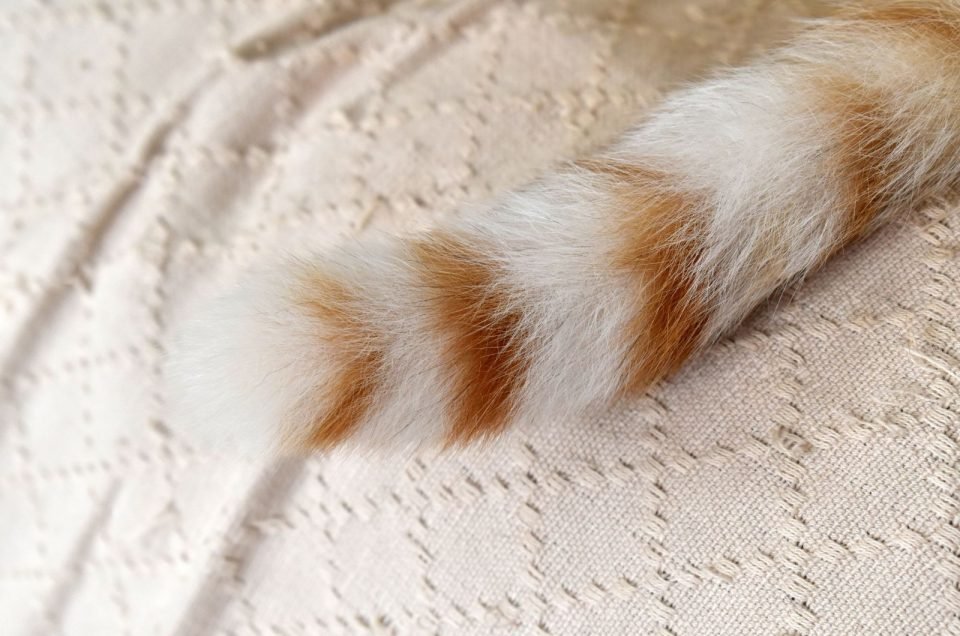
Yes, cats can break their tails. A cat’s tail consists of small bones called vertebrae, along with muscles, nerves, and connective tissues.
These structures allow the tail to move freely and help cats communicate and maintain balance.
Although tails are flexible, they can still be injured during accidents.
Common causes include:
- Getting the tail caught in a door.
- Falling from furniture or other heights.
- Being accidentally stepped on.
- Getting the tail trapped under heavy objects.
- Road accidents.
- Having the tail pulled forcefully.
Some injuries are relatively minor, while others can affect the nerves responsible for bladder and bowel control.
This is why even a seemingly simple tail injury deserves veterinary attention.
Signs Your Cat May Have a Broken Tail
Cats often hide discomfort, making it difficult to recognize injuries immediately.
However, certain changes in their appearance and behavior may indicate a problem.
1. A Limp or Drooping Tail
One of the most noticeable signs is a tail that suddenly hangs down.
Your cat may struggle to lift or move it normally.
2. Swelling Around the Tail
A swollen tail may indicate an injury to the bones or surrounding tissues.
You might also notice an unusual bend or change in its natural shape.
3. Sensitivity to Touch
An injured cat may hiss, cry, growl, or pull away when someone approaches its tail.
Avoid touching the affected area unnecessarily.
4. Changes in Normal Behavior
Your cat may become less playful, hide more frequently, or avoid jumping.
Some cats also show reduced appetite or difficulty finding a comfortable resting position.
5. Difficulty Using the Litter Box
Problems with urination or bowel movements can indicate serious nerve involvement.
If your cat cannot urinate, repeatedly strains without producing urine, or develops hind-leg weakness, seek emergency veterinary care immediately.
What to Do if Your Cat Has a Broken Tail
When you suspect a tail injury, your first priority should be keeping your cat safe and comfortable.
Step 1: Keep Your Cat Calm
Move your cat into a quiet, comfortable space where it can rest without interruptions.
Keep children and other pets away from the resting area.
Avoid encouraging running, jumping, or climbing.
Step 2: Don’t Try to Straighten the Tail
Never attempt to straighten, pull, massage, or reposition an injured tail.
Doing so may worsen a fracture or damage nearby tissues and nerves.
You should also avoid applying homemade splints or tight bandages.
Step 3: Check for Visible Injuries
Without moving the tail, look for bleeding, swelling, wounds, or unusual positioning.
If there is mild external bleeding, gently apply pressure using clean gauze, provided your cat allows it safely.
Significant bleeding, exposed bone, or deep wounds require urgent professional treatment.
Step 4: Avoid Human Medications
Never give your cat human painkillers without veterinary instructions.
Common medications such as acetaminophen (paracetamol) and ibuprofen can be extremely dangerous for cats.
Only use medications specifically prescribed by your veterinarian.
Step 5: Visit a Veterinarian
Arrange a veterinary examination as soon as possible, ideally the same day.
Your veterinarian can determine whether the tail is fractured, dislocated, or affected by nerve damage.
How Is a Broken Cat Tail Treated?
Treatment depends on the severity and location of the injury.
Rest and Pain Management
Minor, uncomplicated fractures may heal with restricted activity and prescribed pain relief.
Your veterinarian will explain how long your cat should avoid strenuous activities.
Examination and X-Rays
A veterinarian may recommend X-rays to identify fractures or dislocations.
They may also assess nerve function, especially if the injury is near the base of the tail.
Wound Care
If the injury includes damaged skin, treatment may involve professional cleaning, appropriate dressings, or additional medical care.
Surgery
Severe injuries sometimes require surgery.
In certain situations, a veterinarian may recommend removing part or all of the tail when the tissue is badly damaged or cannot heal properly.
Although this sounds concerning, many cats adjust successfully to life without a tail.
How Long Does a Broken Cat Tail Take to Heal?
Recovery varies depending on the severity of the injury.
An uncomplicated tail fracture may take approximately 4–8 weeks to heal, although the exact recovery period differs between cats.
Injuries involving damaged nerves or extensive wounds can require longer treatment.
Some cats regain normal tail movement, while others experience permanent changes.
Regular veterinary checkups help monitor healing and identify potential complications.
How to Help Your Cat Recover at Home
After your veterinarian has provided a treatment plan, your home environment can play an important role in recovery.
Provide a comfortable bed. Choose a soft sleeping area where your cat can rest without putting unnecessary pressure on its injured tail.
Limit physical activity. Discourage jumping, climbing, and rough play until your veterinarian confirms these activities are safe.
Make essentials easy to reach. Keep food, water, and a litter box close to your cat’s resting area.
Monitor bathroom habits. Check that your cat urinates and passes stool normally. Urine leakage can also be a warning sign rather than proof of normal bladder function.
Follow medication instructions. Give prescribed treatments exactly as directed.
Avoid unnecessary tail handling. Let your cat move naturally without touching or manipulating the injured area.
A calm environment and consistent care can support a smoother recovery.
Can a Cat’s Broken Tail Heal Naturally?
Some uncomplicated tail fractures can heal without surgery.
However, this doesn’t mean you should leave an injured tail untreated.
It can be difficult to distinguish a simple fracture from a more serious injury without a veterinary examination.
Nerve damage, dislocations, and internal injuries may not be obvious initially.
A veterinarian can determine whether conservative treatment is appropriate or additional care is required.
How to Prevent Tail Injuries in Cats
While accidents cannot always be prevented, a few safety measures may reduce the risk.
- Check doorways before closing doors.
- Never pull or lift your cat by its tail.
- Secure balconies and open windows.
- Provide stable climbing furniture.
- Teach children how to handle pets gently.
- Keep cats away from dangerous traffic areas.
Simple changes around your home can help create a safer environment for your feline companion.
Frequently Asked Questions
Is a broken cat tail painful?
Yes, tail fractures can cause pain and discomfort. Some cats show obvious signs, while others may hide their pain.
Can a cat walk with a broken tail?
Many cats can walk normally despite a tail injury. However, difficulty walking or weakness in the back legs requires urgent veterinary assessment.
Will my cat’s broken tail become straight again?
Some tails heal with normal movement and appearance, while others may retain a bend or reduced flexibility. Recovery depends on the injury.
Can cats live without their tails?
Yes. Most cats adapt well after tail amputation and can continue enjoying normal daily activities.
Should I bandage my cat’s broken tail?
Do not apply a bandage or splint unless your veterinarian specifically instructs you to do so. Incorrect bandaging can create additional problems.
Final Thoughts
A broken tail can be an upsetting experience for both you and your cat. Fortunately, many cats recover successfully when injuries are identified and treated promptly.
The most important steps are recognizing unusual symptoms, avoiding unnecessary handling, and arranging professional veterinary care.
Once your cat has been examined, providing a peaceful resting environment, following treatment instructions, and monitoring recovery can make a meaningful difference.
Remember, your cat depends on you for comfort and protection. Prompt veterinary attention is the best way to help an injured tail heal safely.
Add a stronger emergency warningClarify fracture versus tail injuries