Is Pedialyte Safe for Cats?

Keeping your cat healthy and hydrated is an important part of responsible pet ownership. However, cats don’t always drink as much water as their bodies need, especially when they’re feeling unwell.
If your feline friend is experiencing diarrhea, vomiting, or reduced water intake, you may wonder whether a familiar human hydration drink could help.
Advertisement – Continue Reading Below
One common question is, “Is Pedialyte for cats safe?”
The short answer is that plain, unflavored Pedialyte may be appropriate for certain cats under veterinary guidance. However, it isn’t designed specifically for feline needs, and it shouldn’t replace professional treatment for dehydration.
Knowing when Pedialyte might help, how to use it safely, and when to avoid it can make a difference in protecting your cat’s health.
Let’s explore what cat owners should know about this popular electrolyte drink.
What Is Pedialyte?
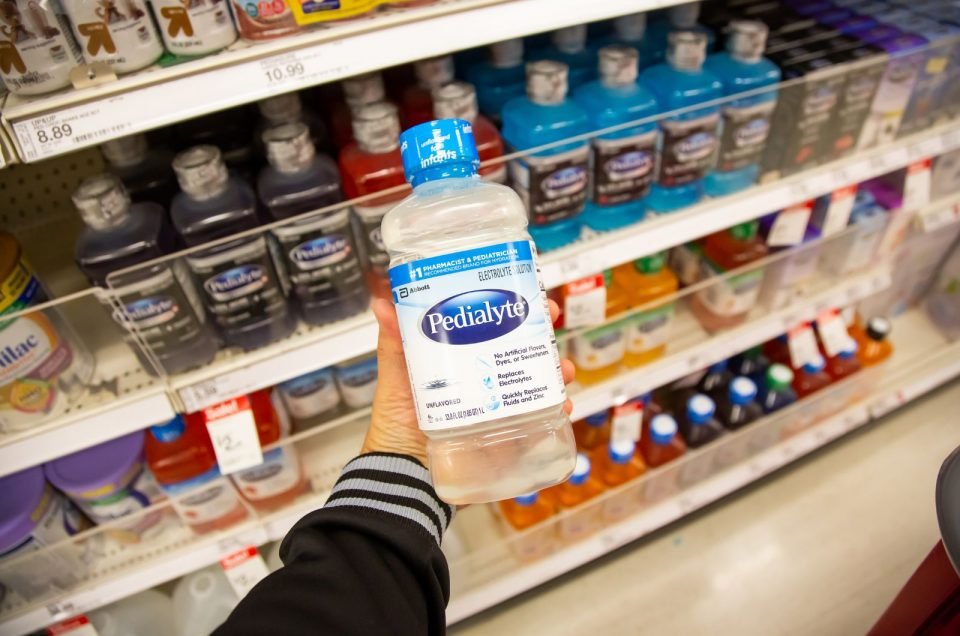
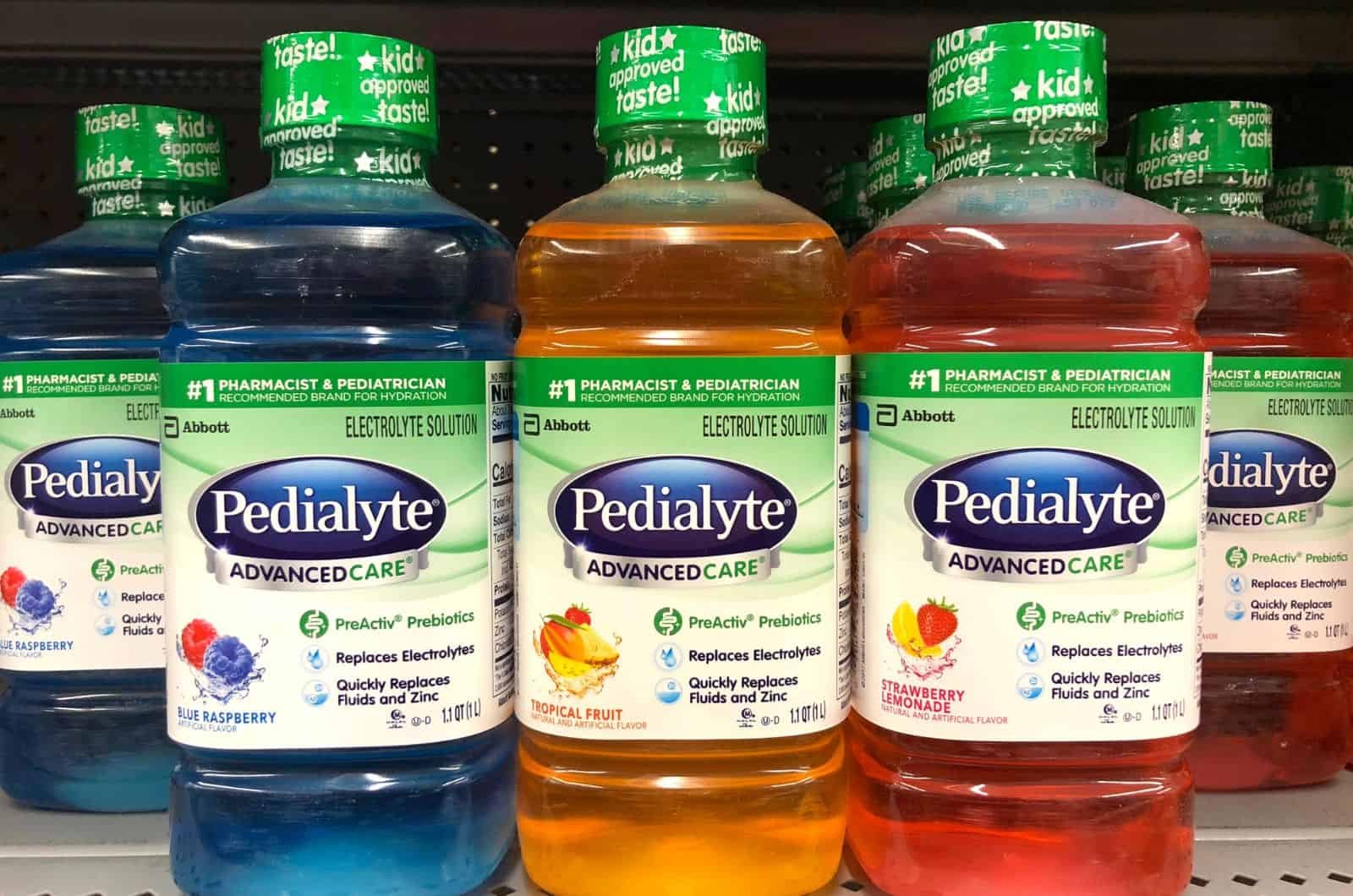
Pedialyte is an oral rehydration solution originally developed to help people replace fluids and electrolytes lost through dehydration.
It contains water and electrolytes such as sodium and potassium, along with other ingredients depending on the product.
Electrolytes are minerals that support important bodily functions, including nerve signaling, muscle activity, and fluid balance.
When animals lose excessive fluids, their electrolyte balance may also become disrupted.
Although Pedialyte is made for humans, veterinarians sometimes consider plain oral electrolyte solutions for selected cats.
However, the electrolyte requirements of cats differ from those of humans, making veterinary guidance important.
Is Pedialyte Safe for Cats?
Yes, plain, unflavored Pedialyte may be safe for some cats when a veterinarian recommends it.
It may provide limited oral hydration support in a stable cat with mild fluid loss who can drink normally.
However, Pedialyte isn’t an approved feline dehydration treatment, and its composition may not be suitable for every cat.
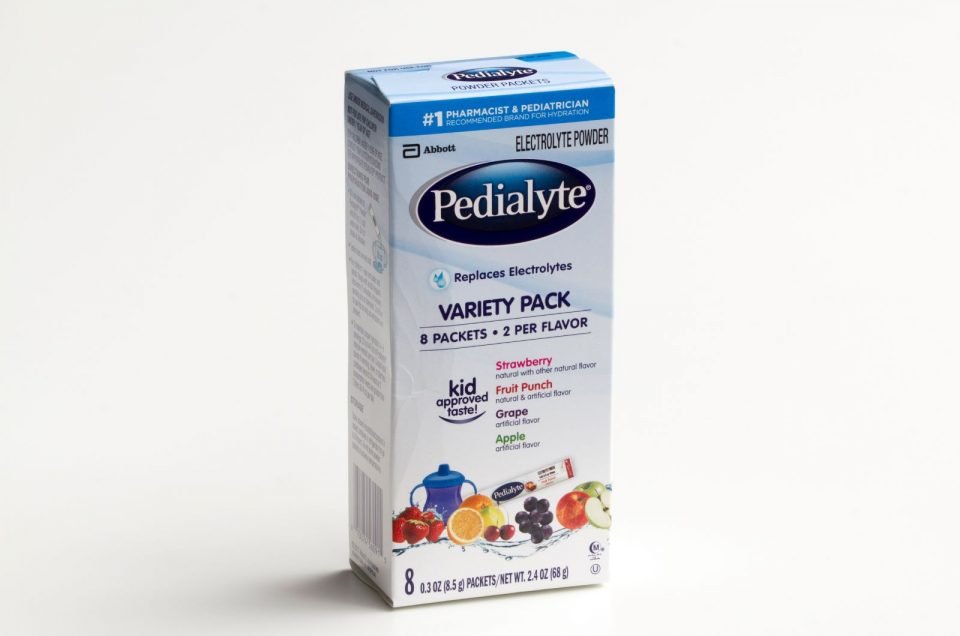
Some formulations contain additional ingredients, including zinc, sweeteners, and flavorings. These ingredients should be reviewed before giving the product to your pet.
Cats with significant dehydration, persistent vomiting, or underlying medical conditions often require veterinary fluid therapy instead.
Never assume that Pedialyte is a suitable treatment simply because it’s available without a prescription.
Why Do Cats Become Dehydrated?
Dehydration occurs when a cat loses more fluid than it takes in.
While cats obtain some moisture from their food, they still depend on adequate fluid intake to support normal bodily functions.
Several factors can contribute to dehydration.
1. Not Drinking Enough Water
Some cats naturally prefer running water or dislike drinking from certain bowls.
Reduced water intake can become a problem, particularly during warmer weather.
2. Vomiting and Diarrhea
Frequent vomiting or loose stools can cause significant fluid loss.
These symptoms may require veterinary treatment, especially when they occur repeatedly.
3. Kidney Problems
Certain kidney conditions can increase urination and make it difficult for cats to maintain proper hydration.
4. Reduced Appetite
Cats that stop eating may also consume less moisture, particularly if they normally eat wet food.
5. Other Medical Conditions
Fever, diabetes, and various illnesses can affect hydration.
Identifying the underlying cause is essential because simply replacing fluids may not resolve the problem.
Signs Your Cat Might Be Dehydrated
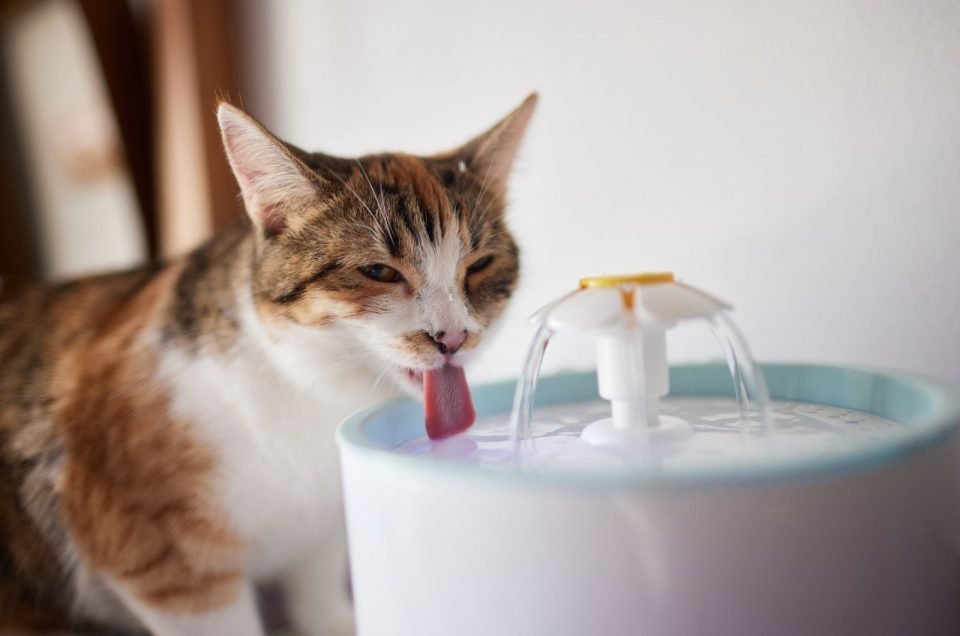
Cats don’t always show obvious signs of dehydration immediately.
However, certain physical and behavioral changes may indicate that your pet needs attention.
Common warning signs include:
- Dry or sticky gums.
- Unusual tiredness or weakness.
- Reduced interest in food.
- Sunken-looking eyes.
- Drinking less than usual.
- Reduced skin elasticity.
- Changes in normal activity.
Skin elasticity can offer clues, but it isn’t a reliable way to diagnose dehydration at home, particularly in older or underweight cats.
If your cat appears weak, refuses water, or shows other concerning symptoms, contact your veterinarian promptly.
How to Give Pedialyte to Cats Safely
If your veterinarian recommends Pedialyte, following the correct instructions is essential.
Step 1: Choose the Appropriate Product
Use only the exact formulation approved by your veterinarian.
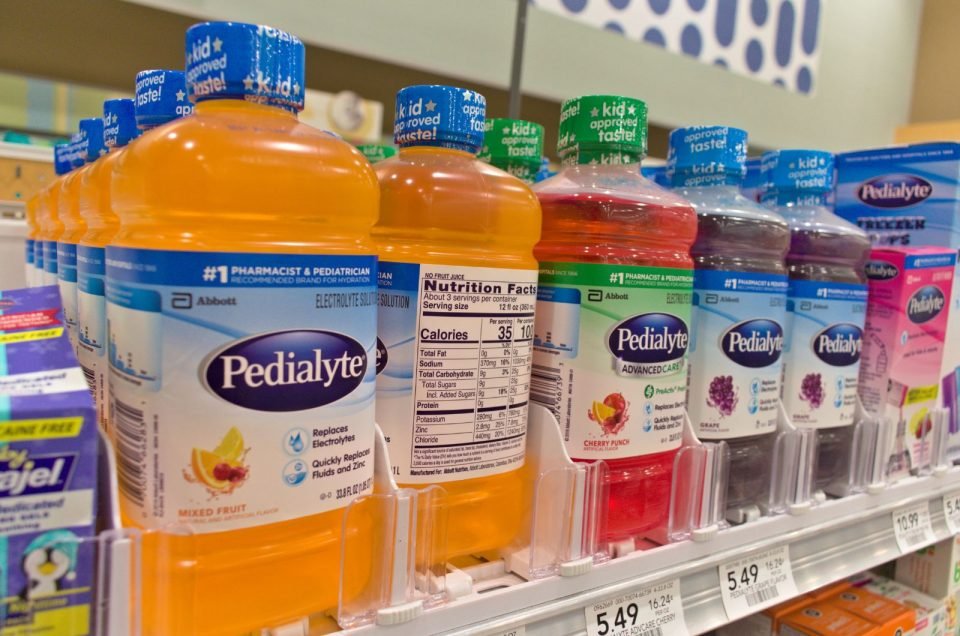
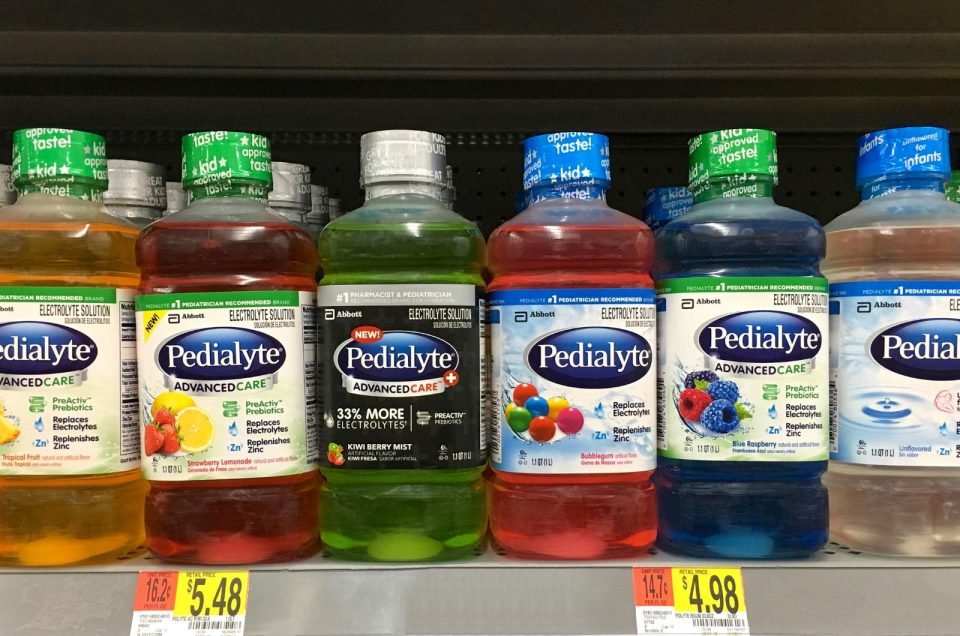
Plain, unflavored Pedialyte is generally preferred over flavored varieties, but even unflavored products may contain ingredients unsuitable for some cats.
Check the label carefully because formulations can vary between countries and product versions.
Step 2: Follow Your Veterinarian’s Instructions
Ask your veterinarian how much to offer, how frequently to provide it, and whether it should be diluted.
There is no single Pedialyte dosage suitable for every cat.
The appropriate plan depends on body weight, hydration status, age, and medical history.
Never use human dosing recommendations for your pet.
Step 3: Offer It Voluntarily
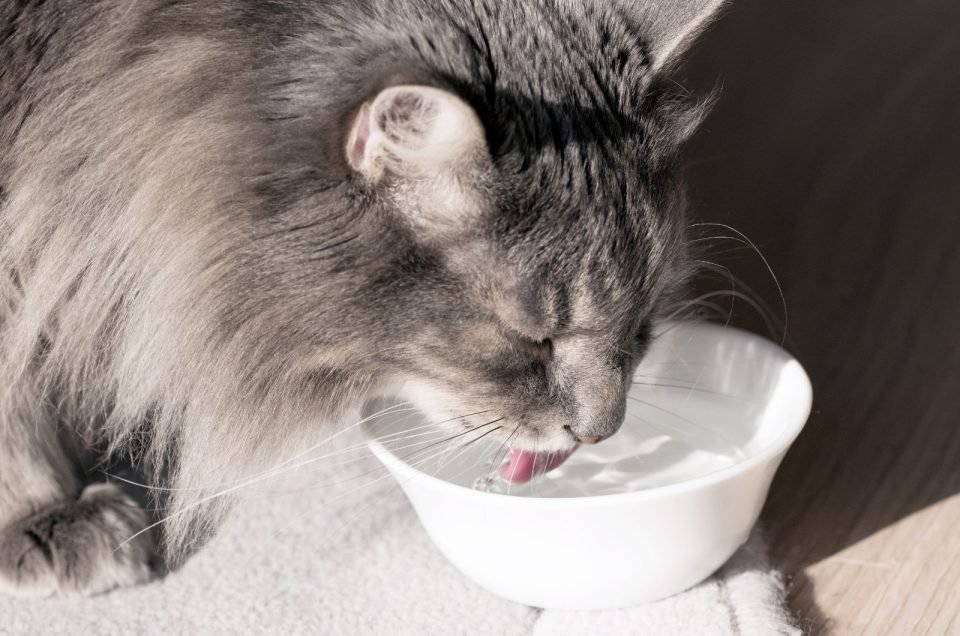
If your cat is alert and able to swallow normally, your veterinarian may recommend offering the approved solution in a clean, separate bowl.
Allow your cat to drink voluntarily.
Always keep fresh drinking water available.
Step 4: Avoid Force-Feeding Liquids
Never force Pedialyte into your cat’s mouth with a syringe unless your veterinarian has specifically instructed and demonstrated a safe technique.
Cats may accidentally inhale liquids into their airways, potentially causing serious complications.
Step 5: Monitor Your Cat’s Condition
Pay attention to drinking habits, appetite, energy levels, and litter box use.
If your cat continues vomiting, becomes weaker, or refuses fluids, seek veterinary attention.
Pedialyte should never delay necessary medical care.
How Much Pedialyte Can You Give a Cat?
The appropriate amount varies depending on the cat’s needs.
Factors that influence hydration treatment include:
- Your cat’s body weight.
- Age and overall health.
- Severity of dehydration.
- Existing kidney or heart conditions.
- Ongoing vomiting or diarrhea.
- The ingredients in the specific Pedialyte product.
Because of these differences, it’s safest to obtain an individualized recommendation from your veterinarian.
Giving excessive electrolytes or an unsuitable fluid composition may create additional health problems.
If your cat is significantly dehydrated, drinking Pedialyte at home may not provide adequate treatment.
Can You Give Pedialyte to Kittens?
Kittens require special attention when it comes to hydration.
Their small body size makes them particularly vulnerable to dehydration, and illness can cause their condition to worsen quickly.
Although a veterinarian may occasionally recommend an oral electrolyte solution as part of a specific treatment plan, Pedialyte should not be given to kittens without professional instructions.
Young kittens may require carefully managed fluid therapy and appropriate kitten milk replacer.
Pedialyte is not a substitute for kitten formula, proper nutrition, or veterinary treatment.
If a kitten has diarrhea, refuses feeding, becomes weak, or appears dehydrated, seek veterinary care immediately.
Possible Side Effects of Pedialyte in Cats
Even when a product appears harmless, giving it to an animal without proper guidance can cause problems.
Potential concerns include:
Digestive upset: Some formulations may contribute to stomach discomfort or changes in bowel movements.
Electrolyte imbalance: Inappropriate amounts of sodium, potassium, or other minerals may be harmful, particularly for cats with certain illnesses.
Ingredient-related concerns: Some products contain added zinc, sweeteners, or other ingredients that require veterinary assessment.
Delayed treatment: Relying on Pedialyte instead of seeking veterinary care may allow serious dehydration or an underlying illness to worsen.
Stop offering the product and contact your veterinarian if your cat develops concerning symptoms.
When Should You Avoid Giving Pedialyte to Cats?
Pedialyte isn’t appropriate for every situation.
Avoid using it without veterinary approval if your cat:
- Has significant kidney disease.
- Has a heart condition requiring careful fluid management.
- Experiences repeated vomiting.
- Has severe or persistent diarrhea.
- Appears extremely weak or unresponsive.
- Cannot swallow normally.
- Has suspected severe dehydration.
- Is a very young kitten.
Cats experiencing these problems may need medical assessment and carefully controlled fluid replacement.
Important: Severe dehydration is a veterinary emergency. An oral electrolyte drink is not a replacement for intravenous or other prescribed fluid therapy.
Better Ways to Keep Your Cat Hydrated
For healthy cats, everyday hydration is usually best supported through fresh water and appropriate nutrition.
Provide Fresh Water Daily
Make sure your cat always has access to clean water.
Wash drinking bowls regularly to prevent unpleasant odors and buildup.
Offer Wet Cat Food
Wet food contains more moisture than dry kibble and can help increase overall water intake.
Choose complete and balanced food appropriate for your cat’s needs.
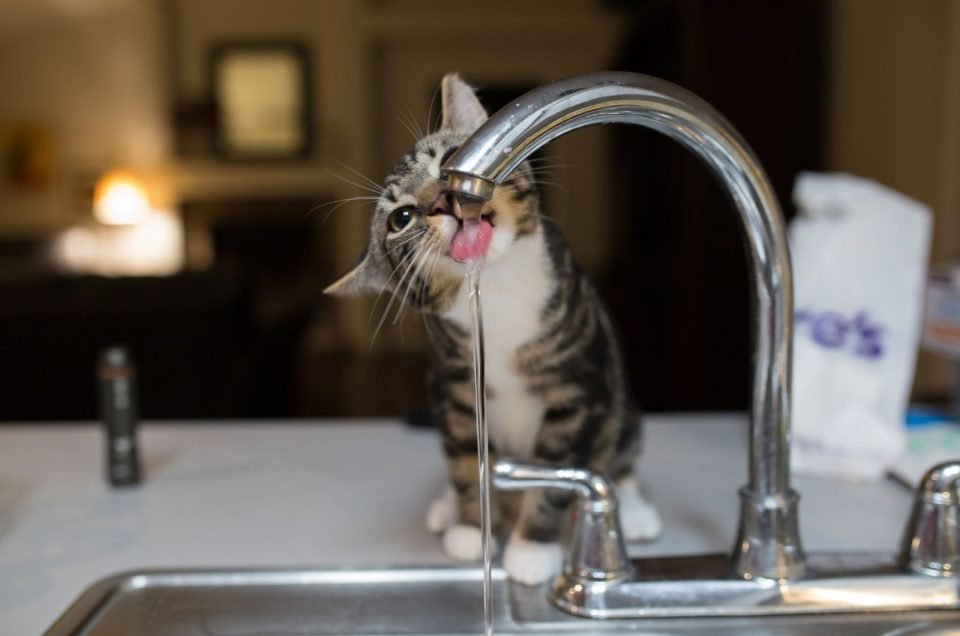
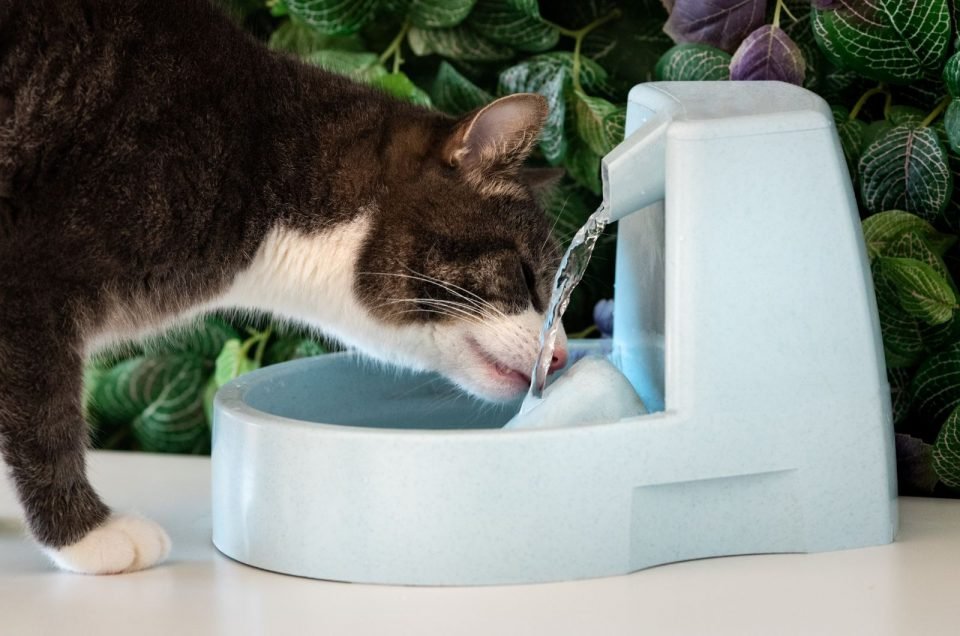
Try a Cat Water Fountain
Some cats prefer flowing water.
A drinking fountain may encourage more frequent drinking, although preferences vary between cats.
Place Water Bowls Around Your Home
Having several accessible drinking stations can make water more convenient.
Try placing bowls away from litter boxes and noisy household areas.
Add Water to Food When Appropriate
Some cats enjoy a little extra water mixed into their wet food.
Make changes gradually and ensure your cat continues eating normally.
Monitor Your Cat’s Drinking Habits
Sudden increases or decreases in thirst can sometimes indicate a health problem.
Contact your veterinarian if you notice persistent changes.
Pedialyte vs. Water: Which Is Better for Cats?
For a healthy cat, fresh water should always be the primary drink.
Pedialyte is intended to replace fluids and electrolytes in humans experiencing certain types of fluid loss.
Cats have different nutritional and electrolyte requirements.
While a veterinarian may occasionally recommend an oral electrolyte product, most healthy cats don’t need additional electrolytes in their drinking water.
A balanced diet and consistent access to fresh water are usually sufficient.
For cats with medical conditions, your veterinarian may suggest a feline-specific hydration product or fluid therapy instead.
When Should You Take Your Cat to the Veterinarian?
Certain dehydration symptoms require immediate professional attention.
Seek urgent veterinary care if your cat experiences:
- Repeated vomiting or severe diarrhea.
- Marked weakness or collapse.
- Sunken eyes accompanied by other illness signs.
- Difficulty breathing.
- Inability to swallow.
- Persistent refusal to drink.
- Significant lethargy or worsening condition.
Young kittens, senior cats, and cats with chronic illnesses may need veterinary attention sooner than otherwise healthy adults.
Early treatment can help prevent complications.
Frequently Asked Questions
Can cats drink Pedialyte?
Some cats may receive plain, unflavored Pedialyte under veterinary guidance. However, it is not a routine replacement for water or a treatment for every cause of dehydration.
Is unflavored Pedialyte safe for cats?
Unflavored products may be more suitable than flavored varieties in certain situations, but the specific ingredients must still be checked by a veterinarian.
Can Pedialyte help a cat with diarrhea?
An appropriate electrolyte solution may help replace some lost fluids, but it doesn’t treat the cause of diarrhea. Cats with ongoing diarrhea should be evaluated by a veterinarian.
Can I mix Pedialyte with cat food?
Only do so if your veterinarian recommends it. Mixing liquids into food can change its taste, and some cats may refuse to eat.
Is Pedialyte safe for cats with kidney disease?
Cats with kidney disease may have special fluid and electrolyte requirements. Do not give Pedialyte without veterinary approval.
Can I give my cat Pedialyte every day?
Pedialyte is not intended as a daily hydration supplement for healthy cats. Regular use should only occur under a veterinarian-directed treatment plan.
What can I give my cat instead of Pedialyte?
Fresh water and moisture-rich cat food are appropriate for routine hydration. For illness-related dehydration, your veterinarian may recommend a feline-specific oral hydration product or professional fluid therapy.
Final Thoughts
So, is Pedialyte for cats safe?
The answer is yes, but only in appropriate situations and with veterinary guidance.
Plain, unflavored Pedialyte may occasionally provide oral hydration support for a stable cat with mild fluid loss. However, it isn’t formulated specifically for cats and cannot replace proper treatment for dehydration.
The safest approach is to understand why your cat is losing fluids, follow professional recommendations, and monitor their condition carefully.
For everyday care, fresh water, balanced nutrition, and moisture-rich food remain the foundation of healthy hydration.
Remember: Your cat’s well-being comes first. When dehydration is suspected, timely veterinary guidance is more valuable than experimenting with home treatments.